Empowering Marginalized Communities through Grassroots Action: A Journey of Hope and Change
India’s marginalized communities, especially women, children, and the Dalit caste, have long been subjected to systemic inequality…
Empowering Marginalized Communities through Grassroots Action: A Journey of Hope and Change
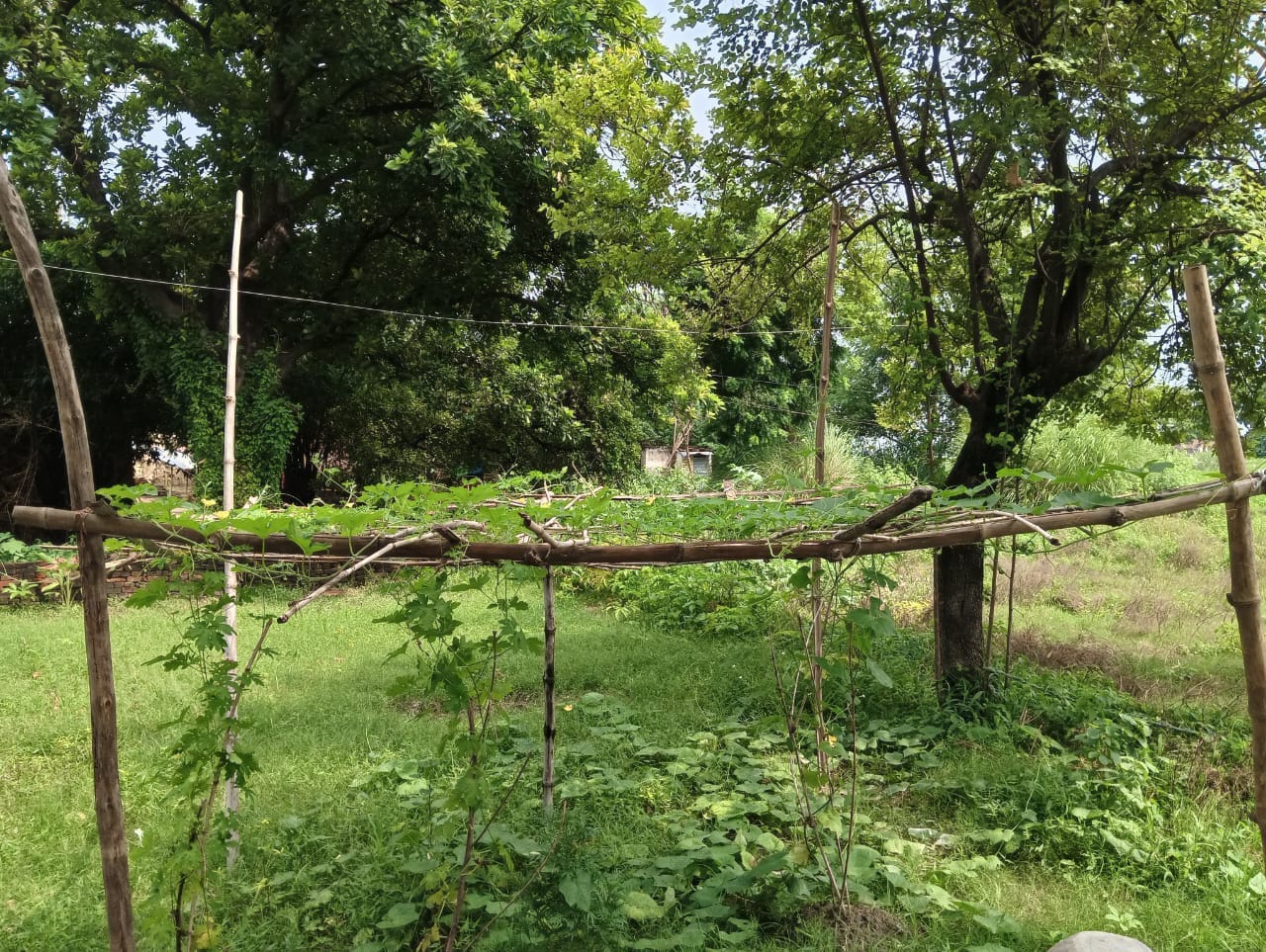
Kitchen Garden
India’s marginalized communities, especially women, children, and the Dalit caste, have long been subjected to systemic inequality, exploitation, and social exclusion. In my journey as a social activist and the founder of the Savitri Bai Phule Mahila Panchayat and JanMitra Nyas, I have witnessed the struggles of these communities firsthand. But I have also seen the incredible strength and resilience they possess — qualities that can be harnessed to create lasting change.
At the heart of any sustainable transformation is the empowerment of the very people who are marginalized. This means listening to their voices, understanding their struggles, and building solutions that are inclusive and community-driven. Over the years, I have worked closely with grassroots movements, advocating for human rights, gender equality, and access to essential services such as healthcare and education. One of the most profound lessons I have learned is that real change begins when communities take ownership of their futures.


Recent photographs highlighting the fight against climate change and hunger.
Nurturing Self-Sufficiency through Kitchen Gardening
One initiative that stands out in our efforts is the promotion of kitchen gardening in rural areas, particularly among families that once faced chronic food insecurity. This project was not just about growing vegetables; it was about reclaiming agency over one’s food sources and finding freedom from the grip of malnutrition. When we introduced the concept, it was met with skepticism. People had long relied on market-bought produce, often expensive and laden with chemicals. Encouraging them to shift towards growing their own vegetables seemed an ambitious task.
However, with time, determination, and consistent community engagement, we saw the concept take root. Women, in particular, embraced this idea, turning small plots of land around their homes into flourishing gardens. Today, these gardens provide families with fresh, organic produce, reducing their reliance on external sources and improving their nutritional intake. The surplus vegetables are shared within the community, fostering a spirit of solidarity and mutual support.
This initiative also has significant environmental benefits. By using traditional farming techniques that avoid chemical fertilizers and pesticides, families contribute to the health of the soil and the broader ecosystem. It’s an example of how traditional knowledge can offer sustainable solutions to modern problems.
“These are among the few people who, not long ago, barely had access to fresh vegetables. Today, by producing an abundance of seasonal vegetables, they are self-sufficient, prosperous, satisfied, and independent. They now take pride in distributing their surplus to those around them.
Today, I feel a deep sense of gratitude towards the community members who believed in this transformative idea. They stepped forward, sowed seeds of hope in a life full of hardship, nurtured those seeds with care, and now reap the fruits of their labor. This has been a long and intensive process, one that only those engaged in farming can truly understand.
My heartfelt thanks also go out to all the workers who put in immense effort alongside the community on this new venture. No amount of appreciation is enough for their contribution. The community’s newfound freedom from malnutrition brings them great satisfaction. I also want to express gratitude to the donors who supported us by helping purchase seeds.
A special thanks to the founder of the organization, Lenin Raghuvanshi , and to Mr. Shubhendu from CRY, who continuously inspired us and our team during a time when I thought this was only a theoretical idea. This was about ten years ago. In the beginning, we faced several setbacks, but today, 1,500 families are producing 10,000 quintals of vegetables without the use of fertilizers, pesticides, or chemicals.
Lastly, I must mention my late mother-in-law, who I often saw practicing kitchen gardening in our backyard. Watching her work hard to grow vegetables gave me an indirect experience, which is why these practices never felt unfamiliar to me.
Thank you and gratitude to all of you for your help in reducing the struggle against hunger and malnutrition.”
Addressing Systemic Inequalities
Kitchen gardening is just one part of the larger struggle against the systemic inequalities that keep marginalized communities in cycles of poverty and disempowerment.As someone deeply committed to the rights of Dalit and Adivasi women, I am acutely aware of how caste discrimination continues to pervade Indian society. Women and children from these communities are among the most vulnerable, facing multiple layers of oppression based on caste, gender, and socioeconomic status.
Through JanMitra Nyas and the People’s Vigilance Committee on Human Rights (PVCHR), we have been working to dismantle these oppressive systems by advocating for the rights of these communities. From legal interventions to providing psychosocial support to survivors of caste-based violence, our approach is holistic, addressing both the immediate needs of the individuals and the long-term structural changes required for justice.
A Feminist Lens on Human Rights
In this work, the role of women is pivotal. Women are often the first to bear the brunt of poverty, violence, and social exclusion, but they are also powerful agents of change. I believe that any human rights movement must center women’s experiences and leadership. This belief is at the core of the Savitri Bai Phule Mahila Panchayat, which I co-founded to create a space for women to advocate for their rights and challenge patriarchal norms.
Our efforts focus on building women’s leadership at the grassroots level, equipping them with the tools to lead their communities in the fight against injustice. Whether it is advocating for the right to education, reproductive health services, or protection from domestic violence, women must be at the forefront of these movements.
Looking Ahead
As we move forward, I remain committed to the principles of justice, equality, and dignity for all. There is still much work to be done, but I draw hope from the communities we serve — their strength, resilience, and unwavering commitment to change.
To all those who stand with us in this struggle for a fairer world, I extend my heartfelt gratitude. Together, we can build a future where every person, regardless of caste, gender, or background, can live with dignity and freedom.
메타데이터
- post_id
- 9ff1004e36af
- slug
- empowering-marginalized-communities-through-grassroots-action-a-journey-of-hope-and-change-9ff1004e36af
- url
- https://medium.com/@shruti_25784/empowering-marginalized-communities-through-grassroots-action-a-journey-of-hope-and-change-9ff1004e36af
- canonical_url
- https://medium.com/@shruti_25784/empowering-marginalized-communities-through-grassroots-action-a-journey-of-hope-and-change-9ff1004e36af
- author_url
- https://medium.com/@shruti_25784
- status
- ok
- fetched_at
- 2026-06-15 22:55:51