Top Prevention Tips for Viral Fever in Winter Days
Winter is here, and with it comes the familiar sniffles, sore throats, and that dreaded fever that seems to knock everyone out. Viral…
Top Prevention Tips for Viral Fever in Winter Days
Winter is here, and with it comes the familiar sniffles, sore throats, and that dreaded fever that seems to knock everyone out. Viral fever, often triggered by common cold and flu viruses, spreads like wildfire during the colder months. The good news? Most of these infections are mild and self-limiting, but preventing them is far better than treating them once you’re down.
Here are practical, doctor-recommended tips that actually work to keep viral fever at bay this winter.
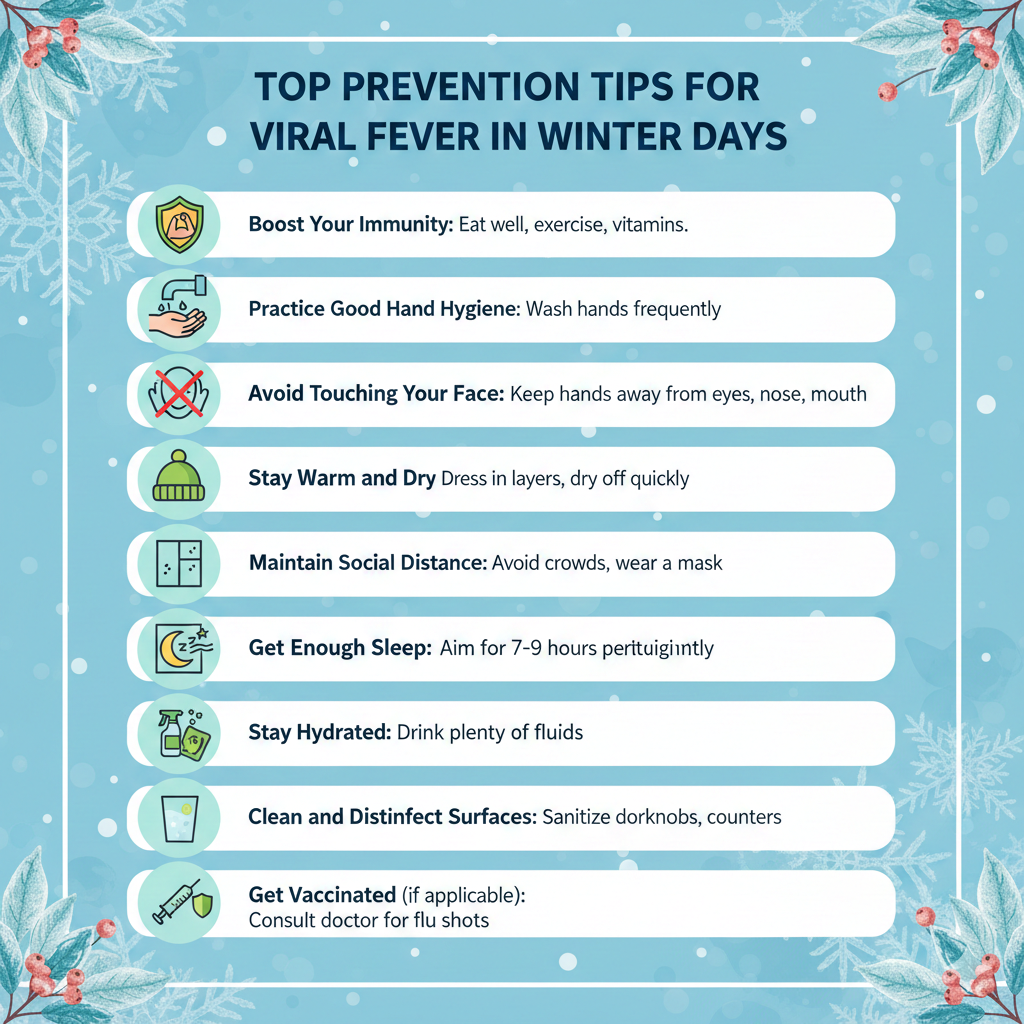
1. Boost Your Immunity — The First Line of Defense
Your immune system is your body’s natural shield. When it’s strong, viruses have a harder time taking hold.
- Eat a rainbow: Include citrus fruits (oranges, amla, lemon), berries, spinach, carrots, and bell peppers daily. They’re packed with vitamin C and antioxidants.
- Don’t skip protein: Eggs, dal, paneer, chicken, fish — whatever fits your diet, make sure you’re getting enough.
- Stay hydrated: Warm water, herbal teas (ginger, tulsi, turmeric), and clear soups keep your system flushed and help thin mucus.
- Get enough sleep: 7–8 hours is non-negotiable. Lack of sleep directly weakens immunity.
2. Practice Good Hand Hygiene (Yes, It Still Matters)
Most cold and flu viruses enter through your eyes, nose, or mouth after touching contaminated surfaces.
- Wash hands with soap for at least 20 seconds — especially after coming home, before eating, and after using public transport.
- Carry an alcohol-based sanitizer when soap isn’t available.
- Avoid touching your face unnecessarily.
3. Keep Distance from Sick People (Politely)
If someone in the family or office is down with cold and cough, give them space.
- Ask them to cover their mouth while coughing/sneezing (elbow, not hand).
- Ventilate rooms — open windows for 10–15 minutes even in winter to let fresh air circulate.
- If you’re the one sick, stay home. You’ll recover faster and won’t spread it.
4. Dress Right — Don’t Let the Chill Win
Sudden temperature changes stress the body and make you more susceptible.
- Layer up: Wear thermals, sweaters, scarves, caps, and socks. Cover ears and neck — they’re common entry points for cold air.
- Avoid drastic shifts: Don’t step out in a t-shirt right after a hot shower.
- Keep feet dry: Wet socks = instant chill = higher risk.
5. Simple Cold Cough Home Remedies That Actually Help
Grandma wasn’t wrong about most of these home remedies for cough and cold:
- Ginger + honey + lemon tea (twice daily) — soothes throat and boosts immunity.
- Turmeric milk (haldi doodh) at night — anti-inflammatory and antiviral properties.
- Steam inhalation with a few drops of eucalyptus oil or plain hot water — clears nasal passages.
- Warm salt water gargles — reduces throat irritation.
- Tulsi-adrak kadha — a traditional favourite during winters.
Start these at the first sign of scratchy throat — they often stop the infection from progressing.
6. Get Vaccinated (When Possible)
The annual flu shot reduces your risk of severe influenza significantly. While it doesn’t cover every single virus causing viral fever, it protects against the most common and dangerous strains circulating each year.
7. Maintain Indoor Humidity
Winter air is dry, and dry nasal passages make it easier for viruses to settle in.
- Use a humidifier or place a bowl of water near the heater.
- Don’t let indoor humidity drop below 40%.
8. Exercise — But Don’t Overdo It
Moderate exercise (30-minute walk, yoga, light workout) improves circulation and immunity. Intense workouts in very cold weather can sometimes backfire, so listen to your body.
9. Watch Out for Early Warning Signs
Catching it early can stop a full-blown fever:
- Runny nose + body ache
- Mild sore throat that worsens
- Fatigue out of proportion
If fever crosses 100.4°F (38°C) and stays for more than 2 days, or if you have breathing difficulty, it’s time to see a doctor.
When Should You Get Tests Done?
Most viral fevers resolve in 3–7 days with rest and symptomatic care. However, if symptoms are severe or prolonged, doctors may recommend:
- CBC (Complete Blood Count) to check for infection/inflammation
- CRP to assess severity
- Sometimes dengue/malaria tests if you’re in an endemic area
In cities like Jaipur where multiple infections circulate in winter, getting a blood test online early can rule out serious conditions and give peace of mind. Many reliable labs offer home collection now — super convenient when you’re unwell.
Final Thoughts
Winter doesn’t have to mean endless rounds of viral fever. A few conscious habits — eating well, staying warm, washing hands, and using time-tested home remedies — go a long way in keeping you and your family protected.
메타데이터
- post_id
- a02fb3d2c87e
- slug
- top-prevention-tips-for-viral-fever-in-winter-days-a02fb3d2c87e
- url
- https://medium.com/@aakashhazra/top-prevention-tips-for-viral-fever-in-winter-days-a02fb3d2c87e
- canonical_url
- https://medium.com/@aakashhazra/top-prevention-tips-for-viral-fever-in-winter-days-a02fb3d2c87e
- author_url
- https://medium.com/@aakashhazra
- status
- ok
- fetched_at
- 2026-06-29 22:44:20