The Suburban Land Rush
Milwaukee’s annual caffeinated rave returns
Neighborhood Watch
The Suburban Land Rush
Milwaukee’s annual caffeinated rave returns

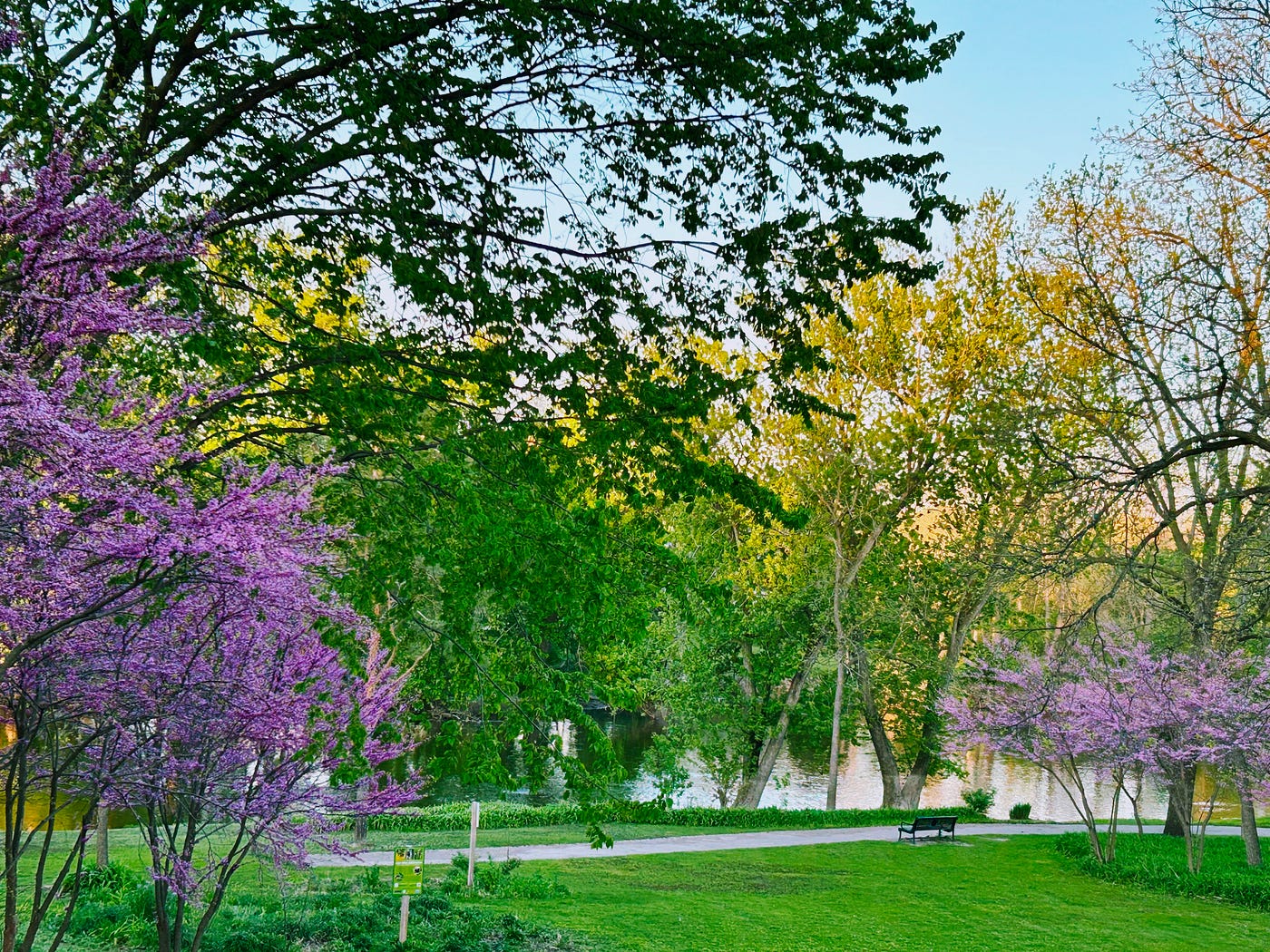
The quiet didn’t stand a chance. Photo by Author
For months, the Milwaukee suburbs exist in a state of winter hush — a held breath. It’s a silver-white compression of suspended animation, muffled under a thick insulation of snow that swallows traffic and footsteps whole. But the transition begins at the edges, a subtle fraying of the cold’s hem.
It starts with the light. The sun, once a pale, distant coin, begins to burn with a new, honeyed persistence. Seemingly overnight, the silence gives way to something less like a song and more like a territorial dispute. The sharp, crystalline whistle of a Northern Cardinal cuts through the frozen air like a car alarm at midnight.
If you’ve stood in your backyard at sunrise or sunset recently, wondering why your neighborhood suddenly sounds like a caffeinated rave, you aren’t imagining the volume. You’re witnessing a biological deadline. This isn’t birdsong. It’s a land rush with feathers.
In the natural world, prime real estate is strictly first-come, first-served. This “rave” is a high-stakes auction where the loudest voice wins the right to breed. If a bird doesn’t claim a branch — doesn’t effectively hang a “SOLD” sign — or a frog doesn’t secure a pond right now, they lose their chance to pass on their genetics for the entire year.
By 4 a.m., the air is cold and dense, acting like a physical megaphone that carries every screech straight into your bedroom — right through double-paned windows and extra-insulated walls. You’re awake because the Red-winged Blackbirds have decided your backyard is a battlefield. They aren’t “singing”; they’re shouting a raspy, metallic “Conk-la-ree!” to claim territory while there’s still ice on the lake. In this war, all is fair in love and biological survival. And your ears? The casualties.
The invasion moves in waves. The silence doesn’t just break; it gives way. It starts in February with the geese — the advance scouts — but March is the real trigger. By April, the reinforcements arrive, and by the May peak, the Lake Michigan flyway hits total saturation. Millions of migrants turn our parks and backyards into a full-volume riot that lasts until dark. They’ve cashed in their frequent flyer miles, and they couldn’t care less about your HOA noise ordinance.
While the “Dawn Chorus” gets the press, the Dusk Chorus is the real star of the suburban spring. That volume spike is amplified by geography. Milwaukee sits directly on a major migratory flyway — basically a seasonal bottleneck — concentrating birds as they move north.
Before I even got that far, I stepped outside and recorded it — just to make sure I wasn’t exaggerating the volume.
[embed]
I can’t, for the life of me, actually see them. I can hear them — nonstop.
But spot them? No luck. Maybe I don’t have the patience.

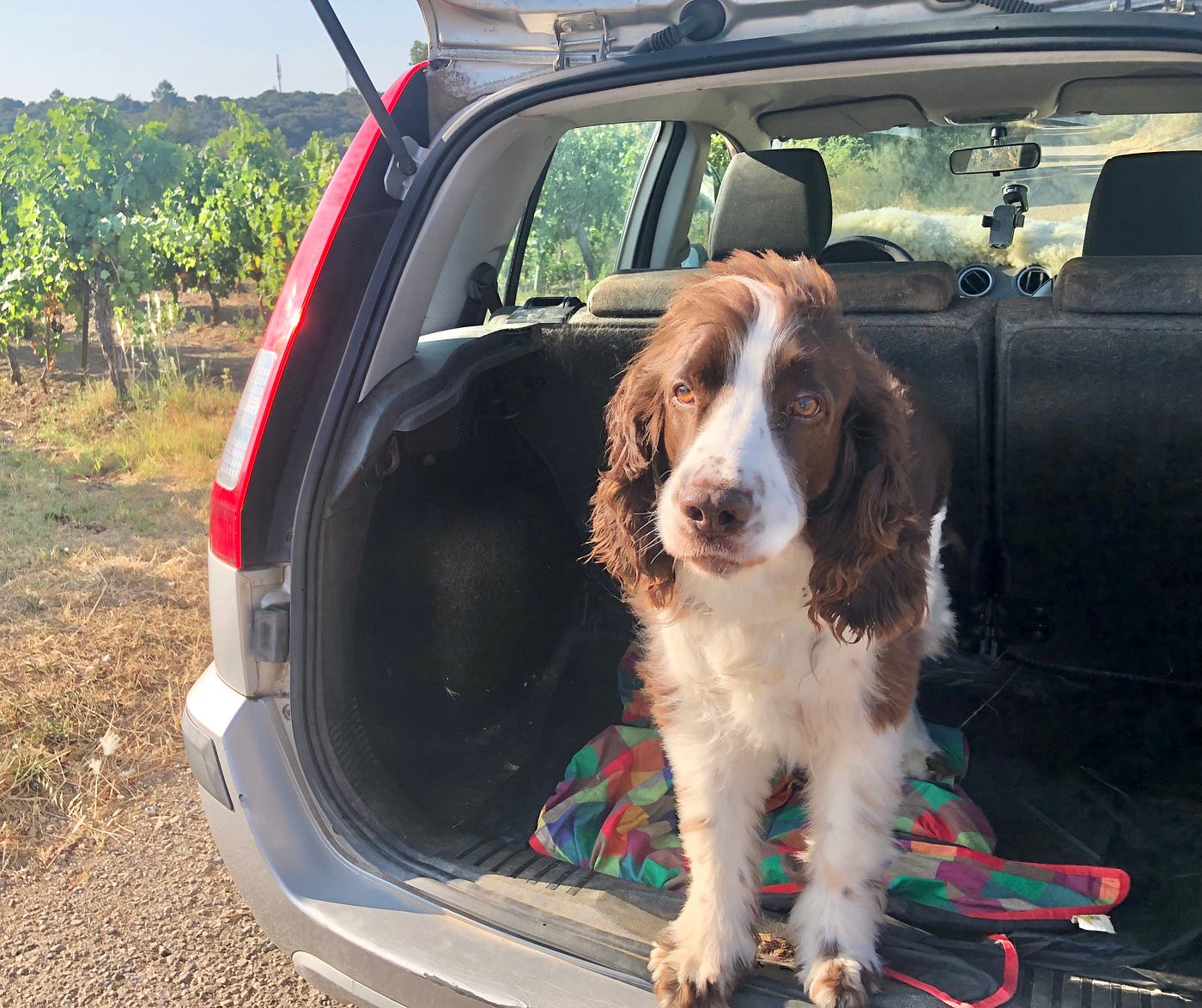
HOA approval pending. Photo by Author
Kaili, you prompted me to use an app to see if I can identify some of the chorus singers.
My Merlin app currently flags the loudest “property managers” in Wisconsin.
Red-winged Blackbird — the true herald of a Milwaukee spring, showing up early to lock down wetlands and suburban ditches before anything else gets a chance.
Northern Cardinal — that sharp, whistling note that cuts through everything. Less volume. More precision.
American Robin — less aggressive, more persistent. A steady, conversational soundtrack running under the chaos.
House Finch — a rapid, warbling string of notes that feels almost improvised, filling in the gaps between the heavy hitters.
European Starling — the ultimate mimic. Massive, chattering roosts that turn into a wall of glitchy, mechanical static before they settle in for the night.
Bird feeders? No. I’ve already given them a feeding trough — a runoff pond in the backyard. I’m more inclined to stock feeders in the winter than in summer.
But wait. The birds have bass backup. The unpermitted pool party has begun in the thaw. I kid you not. (Claire Noire♡) The birds were all I could hear with the windows closed. But today, when I opened the window for the first time in a good long while, I heard the early spring chorus rising from the mud. A soft, explosive clucking — like a duck with a sore throat — courtesy of the Wood Frogs. Beside them, the Spring Peepers join in, their shrill peeps cutting through the dusk like jingling sleigh bells.
Taken together, it’s less a harmonious chorus than a territorial pileup — but I’ll admit, I’m mostly thrilled to have a front-row seat. This level of noise means the system is working.
And come fall, when the volume drops out and the air goes thin again, I’ll be waiting for the noise I swore I hated.
If you’re wondering what passports look like for these frequent flyers before re-entry, I went down that rabbit hole here:
[embed]Cheep Thrills and Cold Feathers Bird notes from the frozenmedium.com
Thanks to Kaili Bisson — her prompt got me paying closer attention: “Are you a birdwatcher? It’s bird migration. Some overwinter, but April is usually a busy time for the birds. What species do you watch for in your area? Do you put up bird houses or feeders for the birds?”
And to Adrienne Beaumont, for making sure every day in April comes with a “Write To Prompt” sign posted somewhere in the neighborhood.
And to the tC editors — for granting immediate HOA approval on an otherwise unpermitted seasonal event.
메타데이터
- post_id
- a074bd987e52
- slug
- the-suburban-land-rush-a074bd987e52
- url
- https://medium.com/the-challenged/the-suburban-land-rush-a074bd987e52
- canonical_url
- https://medium.com/the-challenged/the-suburban-land-rush-a074bd987e52
- author_url
- https://medium.com/@milwaukeemasala
- status
- ok
- fetched_at
- 2026-09-11 08:42:08