Pulpotomy vs Root Canal: Key Differences Explained
When discussing dental treatments, many patients ask about Pulpotomy vs Root Canal and which option is best for their situation. Both…
Pulpotomy vs Root Canal: Key Differences Explained
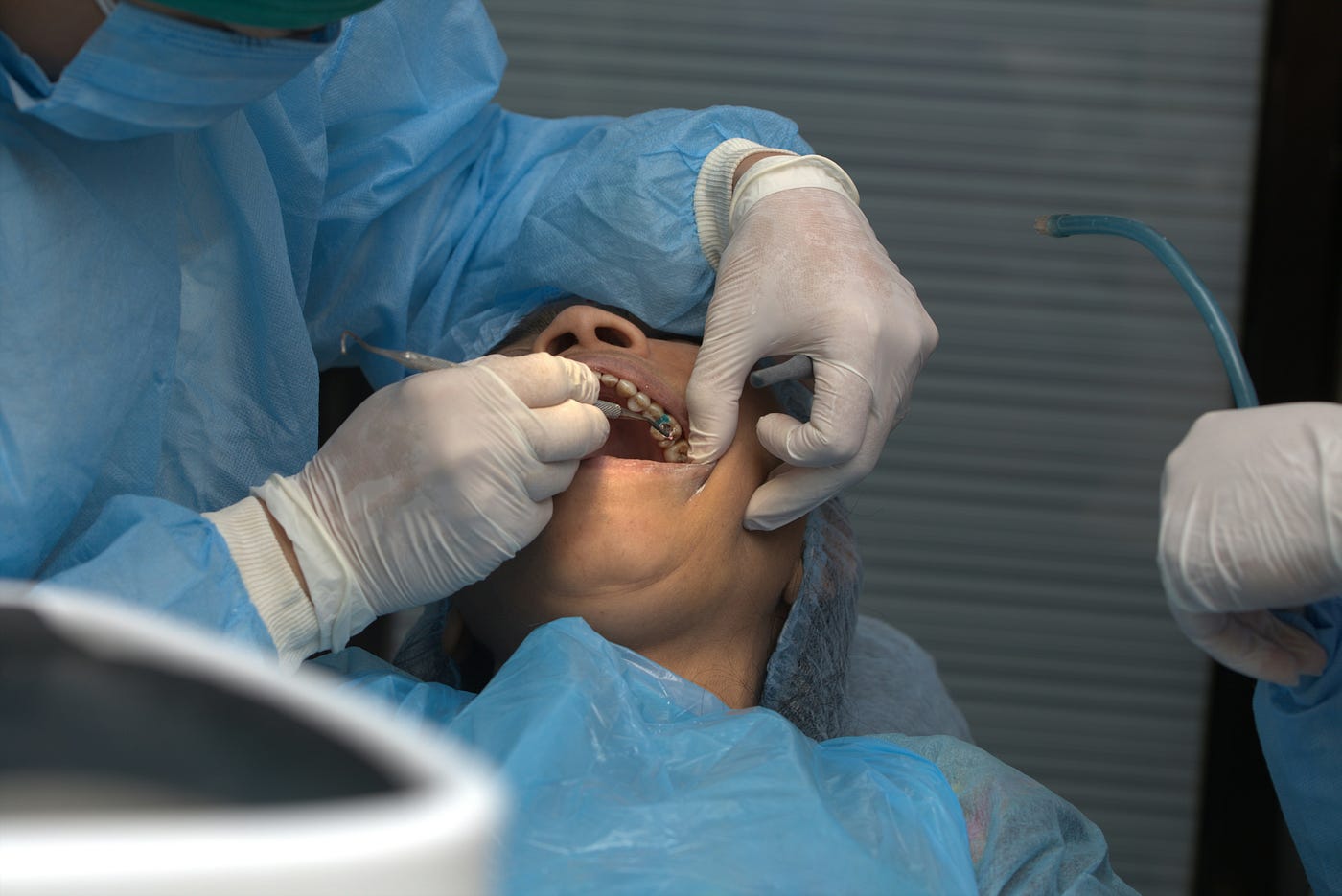
When discussing dental treatments, many patients ask about **Pulpotomy vs Root Canal** and which option is best for their situation. Both procedures are designed to treat infected or damaged teeth, but they are used in different cases and have different levels of treatment. Understanding the differences between Pulpotomy vs Root Canal helps patients and parents make informed decisions about oral health care.
Modern dentistry focuses on saving natural teeth whenever possible. Instead of removing a tooth immediately, dentists evaluate whether it can be treated and preserved. Both pulpotomy and root canal therapy aim to eliminate infection, relieve pain, and restore proper function while maintaining the natural tooth structure.
What Is a Pulpotomy?
A pulpotomy is a dental procedure most commonly performed on primary teeth, also known as baby teeth. It is recommended when tooth decay or infection has reached the pulp inside the crown of the tooth but has not spread deep into the roots.
The pulp contains nerves and blood vessels that keep the tooth alive. During a pulpotomy, the dentist removes only the infected pulp from the crown portion. The healthy pulp inside the roots is left untouched. After cleaning and disinfecting the area, a medicated material is placed to support healing. In most cases, a crown is placed afterward to protect and strengthen the tooth.
Pulpotomy is especially important for children because baby teeth help maintain spacing for permanent teeth and support proper chewing and speech development.
What Is a Root Canal?
Root canal treatment is a more comprehensive procedure used for permanent teeth. It is recommended when infection or damage has spread throughout the entire pulp, including the root canals.
Root canal therapy helps save permanent teeth that would otherwise need extraction. It eliminates infection while preserving the natural tooth structure for long term use.
Key Differences Between Pulpotomy vs Root Canal
Although both treatments aim to save teeth, there are important differences:
Type of Tooth
Pulpotomy is typically performed on baby teeth, while root canal treatment is performed on permanent teeth.
Extent of Treatment: Pulpotomy removes only the infected portion in the crown. Root canal treatment removes all infected pulp from both the crown and roots.
Complexity Root canal treatment is generally more detailed and may require more time due to the cleaning of root canals.
Purpose Pulpotomy helps preserve primary teeth until they naturally fall out. Root canal therapy preserves permanent teeth for long term function.
Restoration Both may require a crown, but crowns are especially important after root canal treatment to protect the tooth.
When Is Each Procedure Recommended?
A pulpotomy is usually recommended for children when decay affects a baby tooth but has not reached deep into the roots. It helps relieve discomfort and prevents infection from spreading.
Root canal treatment is recommended for permanent teeth with deep decay, severe infection, trauma, or inflammation affecting the entire pulp. Symptoms may include persistent pain, swelling, sensitivity to hot or cold, or discoloration of the tooth.
Pain and Comfort During Treatment
Many patients worry about pain when hearing about Pulpotomy vs Root Canal. However, both procedures are performed under local anesthesia. This means the area is fully numbed before treatment begins.
During the procedure, patients typically feel pressure but not sharp pain. For those who experience anxiety, sedation options may be available to improve comfort.
Modern dental techniques make both treatments significantly more comfortable than in the past.
Recovery and Aftercare
After treatment, mild soreness or sensitivity is normal for a few days. This discomfort can usually be managed with recommended medication.
To ensure proper healing, patients should:
• Avoid chewing on the treated tooth until fully restored • Maintain good oral hygiene • Attend follow up appointments • Follow all aftercare instructions carefully
Healing time depends on the complexity of the procedure, but most patients recover quickly.
Why Saving the Tooth Is Important
Preserving natural teeth is always the preferred goal. Keeping your own tooth maintains proper alignment, supports chewing function, and prevents shifting of surrounding teeth.
Both pulpotomy and root canal treatment help avoid extraction whenever possible. Saving the tooth provides long term benefits for oral health and overall comfort.
Choosing the Right Treatment
Only a qualified dentist can determine whether pulpotomy vs root canal is appropriate for your specific case. The decision depends on factors such as the type of tooth, level of infection, patient age, and overall dental condition.
A thorough examination and dental X rays are typically required to determine the best treatment plan.
Final Thoughts
If you are experiencing tooth pain or have been advised to consider treatment, professional evaluation is essential. At **Rise Dentistry**, we provide careful diagnosis, modern treatment options, and patient focused care to help protect your oral health and maintain your natural smile for years to come.
메타데이터
- post_id
- a09c884349ee
- slug
- pulpotomy-vs-root-canal-key-differences-explained-a09c884349ee
- url
- https://medium.com/@devintaseff4/pulpotomy-vs-root-canal-key-differences-explained-a09c884349ee
- canonical_url
- https://medium.com/@devintaseff4/pulpotomy-vs-root-canal-key-differences-explained-a09c884349ee
- author_url
- https://medium.com/@devintaseff4
- status
- ok
- fetched_at
- 2026-07-14 10:19:40

