The Taste of Indian Summer In A Mango Dumpling
Preparing ukadiche modak as mango season arrives in India
From India, With Love
The Taste of Indian Summer In A Mango Dumpling
Preparing ukadiche modak as mango season arrives in India

Ukadiche Mango Modaks | Photo by Author
Growing up, summer vacation arrived with a sense of ceremony; a transition from one grade to the next. Every year, when the final exams ended, my parents would pack and drive to our countryside home in Konkan, a region along the western coast of India.
In Konkan, summer means mangoes. The region is famous for the Alphonso, one of India’s most prized cultivars and a major export.

Alphonso Mango | Photo by Author
Mangoes took centre stage in my childhood: mornings began with a stroll around the farm, gathering fallen mangoes with my grandfather, after which my sister and I would pile them up in the verandah.
Sometimes, we turned it into a competition about who finds the ripest or sweetest mango of the day.
Mangoes weren’t just a fruit, they were the season itself.
Even lunch and dinner revolved around mangoes. There was usually aamras, a puree of ripe mangoes with a dash of cardamom powder; it’s savoured with puri, a fried wheat bread.

Homemade Aamras | Photo by Author
If not, sliced mangoes or another mango cultivar called dasheri would make an appearance after the meal. Eating dasheri is often messy because one has to remove the stalk, squeeze the mango, and directly suck out the pulp.
By mid-June, we would return to Pune, a city not so far from Konkan.
Presenting Lord Ganesha’s Favourite Sweet
Pune is known for Ganesh Chaturthi, a ten‑day festival celebrating Lord Ganesha — the elephant‑headed deity with a big belly and four hands.
During the 10-day religious festival, ukadiche modak will make their presence felt not only in school lunchboxes but all over the city.

Lord Ganesha and Ukadiche Modak | Photo by Author
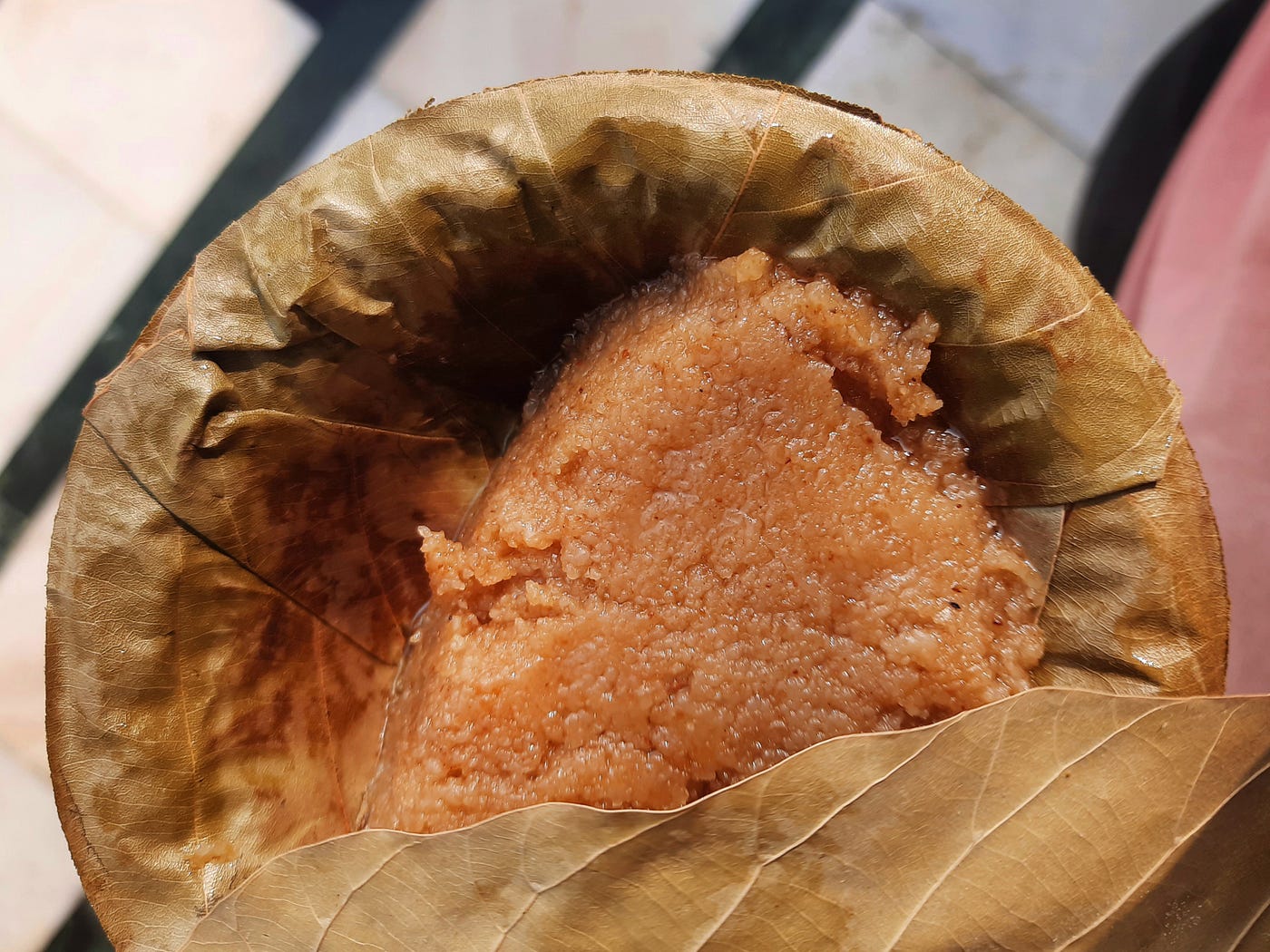
Ukadiche modak are rice-based steamed dumplings filled with coconut and jaggery.
They closely resemble dumplings and momos from the Chinese and Tibetan cuisines. We are one world, and it’s only natural that our cultures influence and flow into one another.
According to Hindu scriptures, modak is believed to be Lord Ganesha’s favourite sweet. He has four hands, each holding a symbol of his divine qualities; one of the hands rests a modak, representing the sweetness of wisdom.
The Sweet Mango Dumplings Beyond Religion
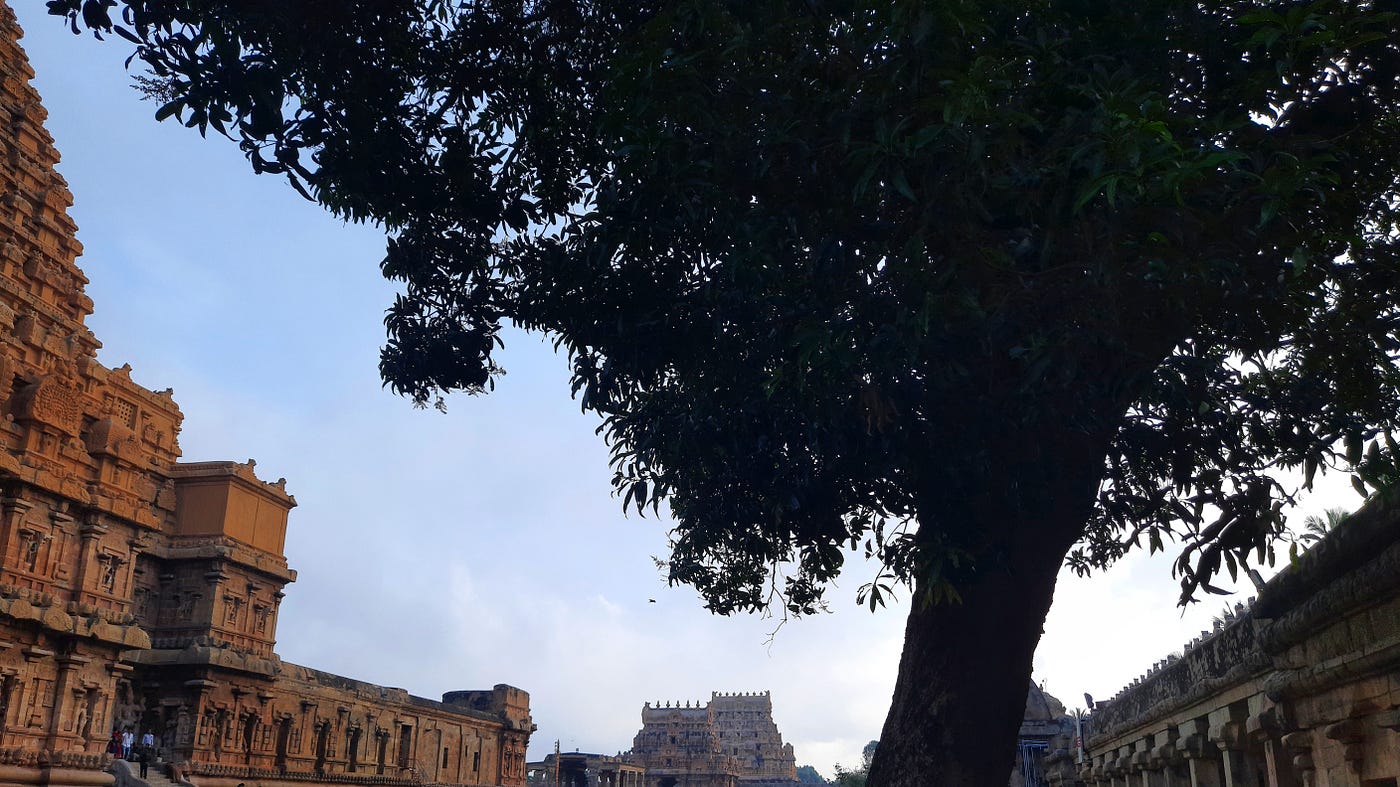
Apart from mangoes, the Konkan region is known for its coastal tourism and fish meals (prepared by the tribal communities). And the dessert that makes a lip-smacking appearance is none other than ukadiche modak.

Ukadiche Modak | Photo by Author
Thanks to the tropical climate, rice and coconuts (its main ingredients) are abundant. But we don’t really need a religious reason to make them, do we? Especially when everything is available year‑round.
Summer, though, gives them a special charm. When mangoes make their grand appearance, ukadiche modak transform into ukadiche mango modak (mango-flavoured sweet steamed dumpling).
The sweetness and fragrance of the season settle naturally into the modak, as though it always belonged there, not as an experiment, but as an inevitability.
Preparing The Sweet Mango Dumplings
I learned the traditional recipe from my maternal grandmother and checked with local homemakers in Konkan to understand how they infuse mango flavours into it. After tasting dozens of mango modaks, I pieced together and mastered the recipe.

Mango Pulp | Photo by Author
So, let’s get you cooking a delightful treat!
Gather your ingredients
- 1 cup or 130 grams rice flour
- 1/2 cup or 120 ml water
- 1 1/2 tablespoons ghee or clarified butter
- 1 teaspoon poppy seeds
- 1 1/2 cups grated coconut
- 3/4 cup jaggery (an unrefined sugar made from sugarcane juice or palm sap)
- 8 tablespoons homemade mango pulp (blend peeled ripe mangoes with a teaspoon of milk, a pinch of sugar, and a dash of cardamom powder)
- 1/2 teaspoon cardamom powder
- 1/4 teaspoon nutmeg powder
- Salt, as required
PART I: Prepare The Mango-Flavoured Coconut & Jaggery Filling
On medium heat, add 1 tablespoon of ghee to a pan. Add 1 teaspoon of poppy seeds and roast them until they live up to their name, pop.
Add 1 1/2 cups of freshly grated coconut and stir fry for roughly 3 to 4 minutes.
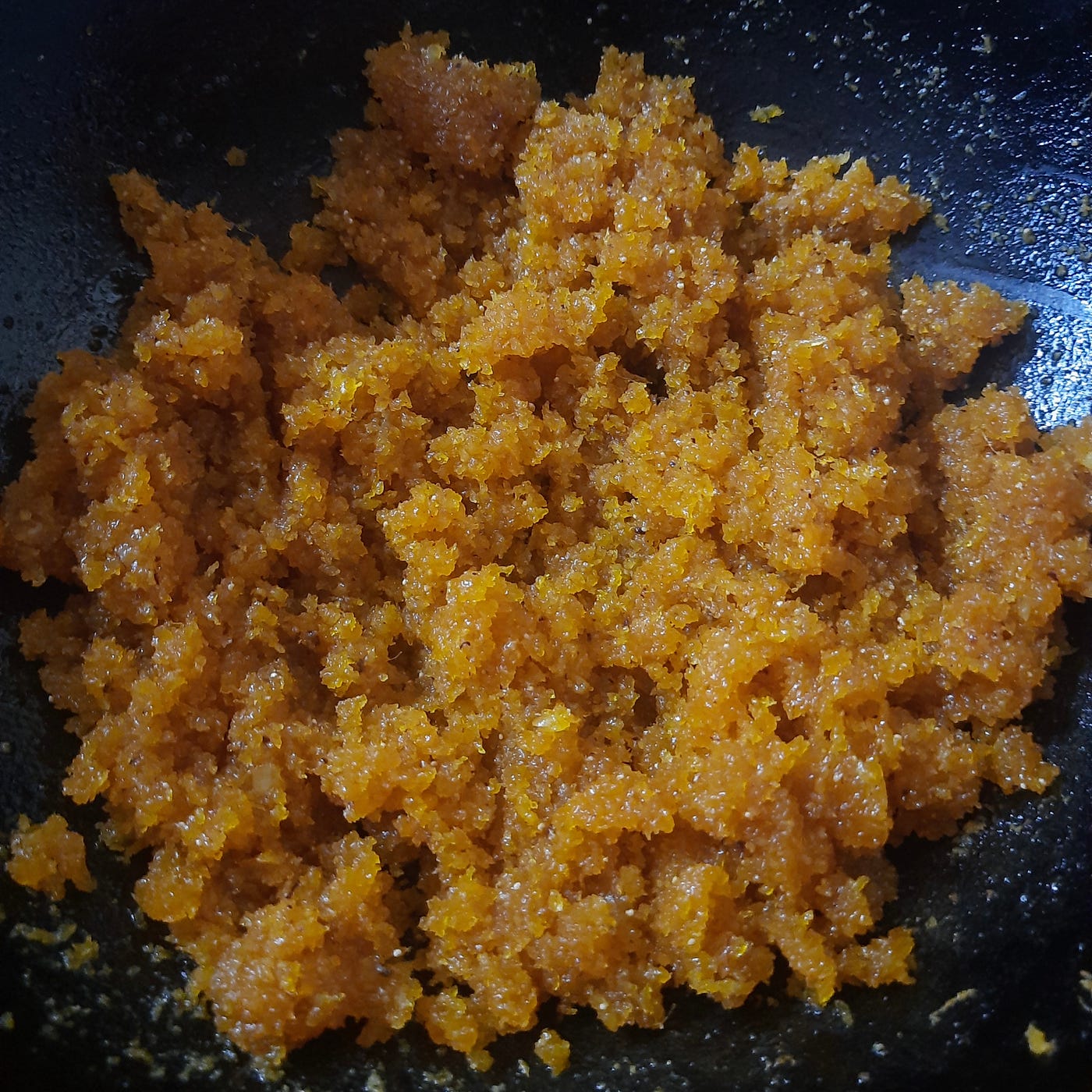
Mango Jaggery Coconut Filling | Photo by Author
When the coconut is roasted, add 3/4th cup of jaggery along with 4 tablespoons of mango pulp and mix well for approximately 5 minutes.
Just before turning off the flame, add 1/2 teaspoon of cardamom powder and 1/4th teaspoon of nutmeg powder; stir well.
PART II: Prepare The Dough
Take a deep vessel and place it over medium heat. Add 1/2 cup of water, 1/2 tablespoon of ghee (or clarified butter), and a pinch of salt. Allow the mixture to boil for a minute. When it boils, quickly add 1 cup of rice flour and mix it.
Turn the flame to low heat. Cover the vessel with a lid. Allow the mixture to steam for roughly 5 minutes. At this point, do not allow the mixture to burn. Turn off the flame and allow it a rest period of at least 5 minutes.

Steamed Rice Mixture | Photo by Author
Transfer the steamed mixture to an open dish while it is hot. Make sure the dish is greased with ghee or clarified butter. Add 4 tablespoons of mango pulp, knead the mixture well until it turns smooth and soft.


Making The Dough (left); Kneaded Dough (right) | Photos by Author
Grease your hands with clarified butter or cooking oil, and a pinch of rice flour. Gradually, divide the kneaded dough into small portions; either one by one or all at once.
Until you prepare all the portions, cover the dough with a semi-wet cloth. That will help to avoid it drying.
PART III: Assemble And Shape The Dumpling
Now we arrive at the skill‑based part — the moment where we fold little purses. Thanks to my grandmother and her endless patience, I can now make much better purses than I once did, even if they’re not perfect.

Shaping The Dumpling | Photo by Author
Make a thin, dish‑like circle from a small portion of dough. Using three fingers, pinch around the edges to form delicate petals.
Once you have the basic purses ready, add the coconut and jaggery filling in the middle of each.
Then, twist it clockwise while gently pulling it upward.
Finally, shape into a small tower, seal the top, and trim any excess dough.
PART IV: Steam The Dumpling
Take a steamer and line it with a cloth. Moisten the base of each dumpling with a little water and place gently in the steamer. Steam on medium heat for 10 minutes with the flame on, then let sit for another 5 minutes with the flame off.

Steamed Ukadiche Mango Modaks | Photo by Author
Your ukadiche mango modaks are ready!
They are served with a dollop of clarified butter. So here’s how we savour it: partially break open the dumplings, pour in a dollop of clarified butter. It’s a great way to slip into a deep slumber; voilà, it will be pure heaven!
My Indian Summer Tastes Unmistakably of Mango
Long after the season passes, what lingers are the memories. While I was away from Konkan and Pune, certain flavours and aromas had a way of carrying me back home.
Is a bite of ukadiche mango modak a portal to the past? Yes, because it evokes memories of carefree summer days with my sister, piling mangoes in the verandah, arguing over who had eaten more modaks, and lingering afternoons…
Perhaps that’s why every summer still feels like a homecoming.
The following children’s folk song in Marathi (one of the many languages in India) wasn’t taught in my school. But those who have an association with Konkan know it by heart.
When the mango ripens, its juice flows, And the king of Konkan plays Jhimma (folk dance). Under the blue sky, at dusk or dawn, Sun, the king of the world, casts a golden pride.
Today, my memories of Indian summers are painted in shades of yellow and gold… and they taste unmistakably of mango.
© Ninad Kulkarni — June 2026 — This article may not be reproduced in its entirety without permission. A link to this URL, instead, would be appreciated.
메타데이터
- post_id
- a13bd3b4e9cb
- slug
- the-taste-of-indian-summer-in-a-mango-dumpling-a13bd3b4e9cb
- url
- https://medium.tastyble.com/the-taste-of-indian-summer-in-a-mango-dumpling-a13bd3b4e9cb
- canonical_url
- https://medium.tastyble.com/the-taste-of-indian-summer-in-a-mango-dumpling-a13bd3b4e9cb
- author_url
- https://medium.com/@myselfninad
- status
- ok
- fetched_at
- 2026-06-25 16:53:31