Penetration Testing Exposed: A Day in the Life of a Professional Hacker (For Good)
Breaking Into Offices, Bypassing Security, and Getting Paid to Do It—All With Permission
Penetration Testing Exposed: A Day in the Life of a Professional Hacker (For Good)
Breaking Into Offices, Bypassing Security, and Getting Paid to Do It—All With Permission
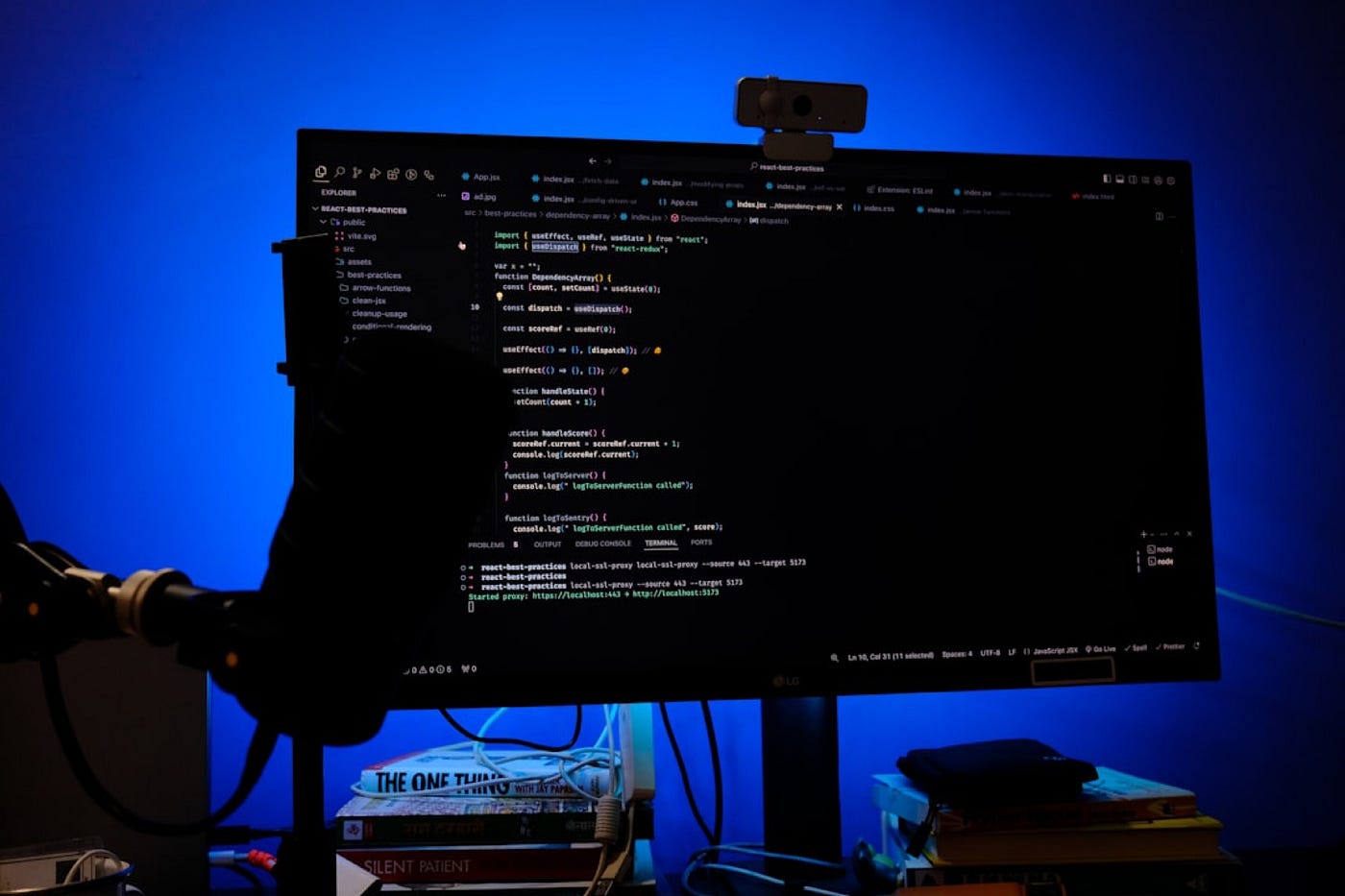
Photo by Rahul Mishra on Unsplash
My mother still tells her friends I’m “in computers.” She’s not wrong, exactly. But she might be surprised to learn that today, I’m crouched in a shrub outside a financial firm’s headquarters, dressed like a janitor, holding a badge cloner disguised as a phone charger.
This isn’t a heist movie. This is Tuesday.
I’m a penetration tester—a professional hacker hired to break into buildings, networks, and systems to find weaknesses before the bad guys do. And no two days look the same.
Welcome to a day in my life.
7:00 AM: The Briefing
I start my day in a rented van parked down the street from the target—a mid-sized bank that’s sure their new million-dollar security system is impenetrable. My team and I review our plan:
- Social engineering: I’ll attempt to physically enter the building
- Network testing: My partner will probe their digital defenses remotely
- Physical security: We’ll test locks, cameras, and access controls
Our goal isn’t to embarrass anyone. It’s to find gaps before real criminals do.
The client signed off on everything. The legal paperwork is thicker than my college textbook. Let’s begin.
9:15 AM: The Approach
Dressed in a cheap suit and carrying a fake ID badge that says “IT Support,” I walk toward the building’s smoking area.
Within minutes, I’m chatting with an actual employee about the terrible coffee inside. I complain about being called in on my day off to fix a “server emergency.” He sympathizes.
When he finishes his cigarette, I follow him inside—holding the door like a gentleman.
First barrier: bypassed. No hacking required.
10:30 AM: The Drop
Inside, I plant a few “physical implants”—tiny devices that look like ordinary USB chargers but actually create backdoors into the network.
I leave one in a conference room. Another near a printer. The last in an empty cubicle.
Later, my partner will use these to gain remote access. For now, I act like I belong—because everyone assumes someone else vetted me.
12:00 PM: The Test
Lunchtime is golden. People hold doors for you. They’re distracted. They leave workstations unlocked.
I find a logged-in computer in marketing. Within seconds, I’ve downloaded the employee directory and inserted a USB rubber ducky that automatically installs keylogging software.
Nobody questions me. Why would they? I look stressed and carry a clipboard.
The greatest vulnerability isn’t software—it’s trust.
2:00 PM: The Close Call
I’m almost caught when a sharp-eyed facilities manager asks which company I’m with.
“TechSolutions,” I say, naming a vendor I knew they used.
“Funny,” he says. “Their guys usually wear uniforms.”
I shrug. “I’m new. They haven’t issued mine yet.”
He buys it. My heart hammers, but my face stays calm.
This job requires more acting than coding sometimes.
4:30 PM: The Exit
I walk out the same way I came in—holding the door for someone carrying boxes. I even waved to the security guard.
In the van, my partner shows me what she’s accomplished remotely:
- Accessed the CEO’s email
- Found unencrypted customer data
- Moved undetected through every department
All without setting off a single alarm.
6:00 PM: The Debrief
We present our findings to the stunned client. They thought their new firewall made them secure. They didn’t consider:
- Employees holding doors for strangers
- Unlocked workstations
- Default passwords on critical systems
We show them exactly how we got in—and how real attackers would’ve gone further.
Why We Do This
Penetration testing isn’t about showing off. It’s about revealing truths:
- Technology alone can’t protect you
- Humans are both your weakest link and your greatest defense
- Security isn’t a product—it’s a process
The best part? After we show the weaknesses, we help fix them.
The Aftermath
A week later, the client emails us:
- They’ve implemented multi-factor authentication
- They’re training staff to question strangers
- They’ve locked down USB ports
They’re not “unhackable”; now nobody is. But they’re harder to hack. And that’s the goal.
Would You Let Someone Like Me Test Your Security?
Most companies wait until after a breach to take security seriously. The smart ones hire us first.
Because it’s better to have a friendly hacker find your weaknesses than a hostile one exploit them.
Even if that hacker has to hide in your shrubs first.
Thanks for reading. Shahzaib
“Follow me for more real stories, tips, and insights from the world of cybersecurity and ethical hacking.”
Some other useful articles:
[embed]When a Bug Bounty Turned Into a Real Attack Misuse of a Found Vulnerabilityinfosecwriteups.com
메타데이터
- post_id
- a2295a0dcbaf
- slug
- penetration-testing-exposed-a-day-in-the-life-of-a-professional-hacker-for-good-a2295a0dcbaf
- url
- https://medium.com/illumination/penetration-testing-exposed-a-day-in-the-life-of-a-professional-hacker-for-good-a2295a0dcbaf
- canonical_url
- https://medium.com/illumination/penetration-testing-exposed-a-day-in-the-life-of-a-professional-hacker-for-good-a2295a0dcbaf
- author_url
- https://medium.com/@shahzaib01
- status
- ok
- fetched_at
- 2026-08-19 10:41:47