Lessons Learned from Past Earthquakes About the Path to Recovery
From Hanshin-Awaji to Noto Peninsula
Lessons Learned from Past Earthquakes About the Path to Recovery
From Hanshin-Awaji to Noto Peninsula
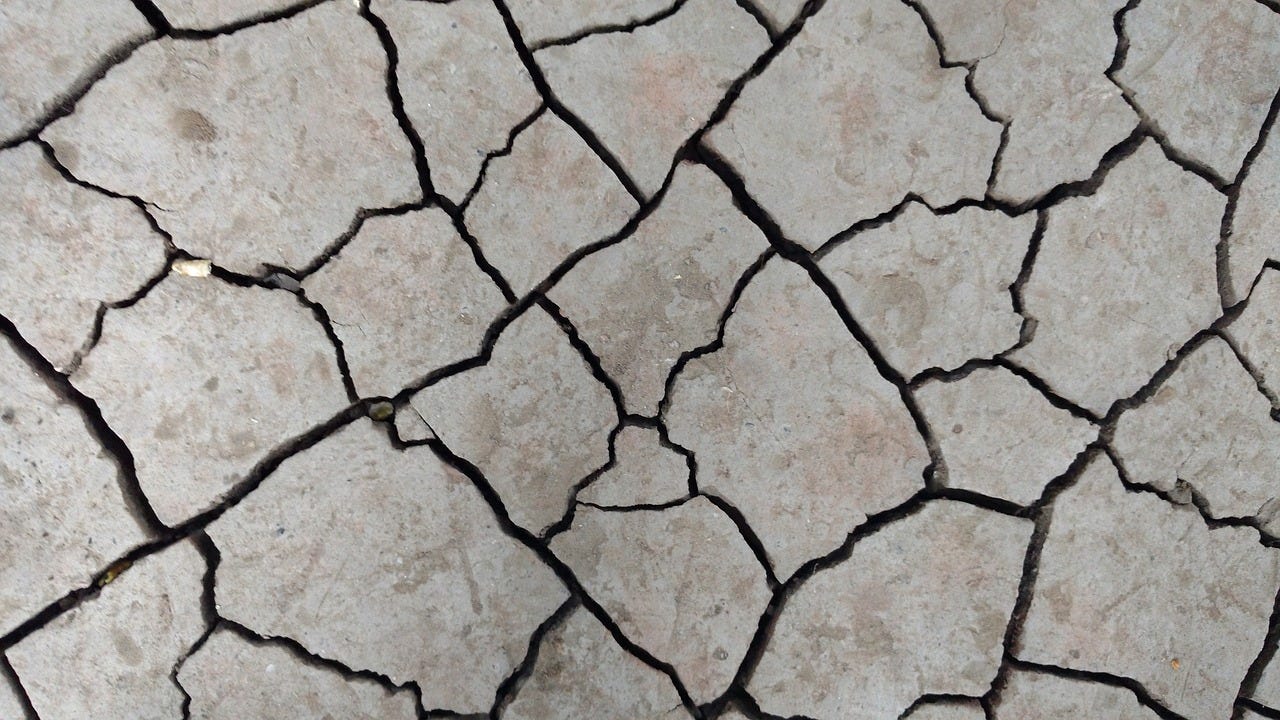
Photo from Pixabay
At 4:10 PM on January 1, 2024, an earthquake of magnitude 7.6 struck the Noto region of Ishikawa Prefecture.
Living in Hyogo Prefecture which is around 460 km from Noto, I also felt a slight tremor on the second floor of a house. However, my area was safe.
Wishing people in Noto a speedy recovery and brighter days ahead.
Since I had been living abroad for three years, it was a moment when I once again experienced the horror of natural disasters in Japan.
I experienced the Great Hanshin-Awaji Earthquake when I was in elementary school.
So, I will look back on the past and list some of the things we should prepare for and lessons learned during the earthquake.
1. Experience from the Hanshin-Awaji earthquake

Photo from Pixabay
The Great Hanshin-Awaji Earthquake was a natural disaster caused by a magnitude 7.3 earthquake that struck the northern part of Awaji Island at 5:46 a.m. on January 17, 1995.
According to statistics from the Ministry of Internal Affairs and Communications, the earthquake left 6,434 dead, 104,906 dwellings totally destroyed.
[embed]気象庁|「阪神・淡路大震災から20年」特設サイト 阪神・淡路大震災から20年のページです。www.data.jma.go.jp
The situation at our house was:
- Huge shaking with loud sounds like something cracking, but there was no major damage
- The TV in the living room moved forward on casters.
- Ornaments fell over and broke.
- Roof tiles on the house were distorted.
For reference, the seismic intensity and the appearance of the earthquake as reported by the Japan Meteorological Agency were as follows:
Seismic intensity 6 or higher
Unable to stand still and unable to move without crawling. The shaking will be so severe that people will be unable to move and may be blown away. Most furniture not secured in place will move, and many items will topple over. Wall tiles and window glass will break and fall in many buildings. Most unreinforced block walls will collapse.
Our family was sleeping when the earthquake happened, but we were lucky to survive safely without any injury.
Electricity and water were okay, but the gas stopped.
Mobile phones were not common at that time, so we got information from news on TV.
Driving around the area, we saw some places were on fire and many fire trucks working.
2. Troubles we encountered after the Hanshin-Awaji earthquake

Photo from Photo AC
The circumstances of the disaster varied from person to person and place to place, but to make it easier to visualize, let me deescribe our case as an example.
① Could not take a hot shower or bath for 2 weeks
Japanese people have the custom of soaking in the bathtub every day, and in most houses, the water is heated by gas.
The lack of hot water was challenging in Japan, where winters are cold. If we wanted hot water, we had to boil it in an electric kettle, but that’s not enough for a shower or bath.
Fortunately, Japan has public baths called sento. A nearby golf course opened its bathhouse for public use after the earthquake, and I went there several times with my family.

Photo of my mother’s household diary at the time of the earthquake
According to my mother’s diary, gas service was restored in about two weeks. Having lived abroad, I find this very speedy.
② Train and roads required major detours
Damage was especially severe near the center of Kobe City, where train tracks and tunnels and highways collapsed.
As a result, I had to take a detour to go to school by train, which was time consuming and tiring. Even people who did not normally take the train had to use it as the roads were closed, so I was stuck on the crowded train, and it took almost twice as long as usual to get to school.
③ Need to use temporary housing and school buildings, which is inconvenient due to soundproofing

Photo from Photo AC
Those whose houses collapsed in the earthquake were provided with temporary housing, prefabricated huts that could be erected quickly.
Also, the school I attended had damage to its building, so we spent about a year in a prefabricated school building.
Prefabricated school buildings have thin walls, so the noise from the upper floors and the surrounding classrooms made the rooms too noisy to concentrate.
3. Lessons we learned from Hanishin-Awaji earthquake

Photo from Pixabay
So is there anything we can do before the earthquake strikes? Let’s take a look back.
① Know alternatives when infrastructure breaks down
It is good to know what to use to replace electricity, water, gas, and other infrastructure when they stop.
If the power goes out in the whole area, it will cause serious damage.
If it is only in your area, it is good to have a list of candidates to go to such as public facilities in the area.
If you have a car, make sure you have sufficient petrol.
② Develop social skills for evacuees and those who accept them
In the area where I lived, temporary housing was built. People who had moved from the center of Kobe and had not lived in my area before were moving into these temporary housing units.
Children needed to change to new schools and start new relationships.
Social skills to adapt to these changes and connect with people in the local community is a huge asset.
③ Don’t have too much and don’t be a perfectionist
People tend to strive for perfection and forget to appreciate what they already have and the support they receive.
We forget to be thankful when things are inconvenient, such as road detours, but even so, I have realized since going abroad that the speed of recovery from damage in Japan is world-class.
So I would say that being thankful for what is there and not just complaining is a skill that will help us survive and maintain our level of happiness.
4. International Support for the 2024 Noto Peninsula Earthquake
I believe it is funds that will help speed up the process of reconstruction.
The following organization is available in English and credit cards and can provide support from all over the world.
https://kifu.www.nippon-foundation.or.jp/dras/?lang=en
We all wish for the quickest possible recovery of the disaster-stricken areas.
메타데이터
- post_id
- a26a2074f3c4
- slug
- lessons-learned-from-past-earthquakes-about-the-path-to-recovery-a26a2074f3c4
- url
- https://medium.com/japonica-publication/lessons-learned-from-past-earthquakes-about-the-path-to-recovery-a26a2074f3c4
- canonical_url
- https://medium.com/japonica-publication/lessons-learned-from-past-earthquakes-about-the-path-to-recovery-a26a2074f3c4
- author_url
- https://medium.com/@beachgle
- status
- ok
- fetched_at
- 2026-06-28 10:39:35