Considering your home’s roof in a warming climate.
In June 2021, the Pacific Northwest was hit by an unprecedented heat dome. Temperatures soared upwards above 110F on the hottest day…
Considering your home’s roof in a warming climate.
In June 2021, the Pacific Northwest was hit by an unprecedented heat dome. Temperatures soared upwards above 110F on the hottest day. Residents of the region scrambled to run air conditioners, while the intense heat caused the pavement on the i5 arterial highway to buckle in some areas. Residents photographed the siding on their neighbor’s house melting off in the intense sun. I’ve personally driven by a strip mall sign on the pacific highway that melted out after the heatwave.

https://wichitaroofingpro.com/
There will be more heatwaves.
The heat levels of this event are likely not to be an isolated event. Due to global warming, events such as this will likely happen more frequently with even hotter temperatures. Homeowners may want to consider materials for their home to withstand the heat waves to come while potentially considering greener alternatives for their property.
Typically in hotter climates, you will see houses with roofing made of metal, rubber, clay, or slate.
A Roof Made of Metal
Metal roofing typically holds up very well to heat. A metal roof typically lasts two to three times longer than a traditional asphalt or wood shingle roof. It’s considered safer as it’s fire-resistant. The only maintenance needed is to renew the protective coating on the material, as it wears out eventually. The coating prevents the metal from rusting in the elements.
A metal roof’s primary drawback, however, is cost. It’s typically more expensive than a standard roof. Additionally, consider that your metal roof may be quite noisy depending on how it is installed. This is great for the resale cost of the property but bad for your wallet in the short term.
A Roof Made of Rubber
This is a green option with pricing comparable or cheaper than standard Asphalt. Rubber shingles are often made from recycled materials and made to look like wood or other materials, making them an excellent green roof option.
Not only are they greener in make, but rubber is an excellent insulator and should improve your home’s efficiency. The material will help keep the heat out in the summer while keeping it in during the winter.
They need surprisingly little maintenance. The rubber shingles don’t crack or break in hot weather and will need to be replaced in 30–50 years, while an asphalt roof has a maximum lifespan of 25 years.
A Roof Made of Clay
Clay tiles offer a rustic look to your home. They’re a bit more expensive than some other options, but not as much as a slate roof. However, it will require a thorough investigation of the building structure to use, like a roof of clay tiles can get weighty.
Clay roof tiles happily resist heat and weather. However, you may want to avoid them in areas prone to frost and ice, as cold temperatures cause problems. Storms may also cause tiles to come loose or break.
A Roof Made of Slate
Slate is a material famous for handling temperatures. It will protect your home from the heat and run cold weather. Many slate roofs can last well over 150 years! I use slate in my desert lizard enclosures to radiate the collected heat back up overnight.
A slate roof has two significant drawbacks: weight and cost. This is by far the most expensive roof option. A 150-year lifespan roof is going to have a reasonably hefty price tag upfront to install. Additionally, a top made of stone is going to have an equally bulky weight behind it. The building will need to be thoroughly inspected to determine if it can hold the weight.
Choosing a Roof
Based on the above, it seems your best options for the pacific northwest would either be rubber or slate. A metal roof may be too noisy during a frequently rainy winter, though it may still be an option for some.
Clay tiles are uncommon, though not unheard of for this region. While it is expected to be increasingly hot in the summer, the winters will also become increasingly more extreme. Winter here is typically wet, cold, and icy, resulting in higher maintenance of a clay tile roof. This may make this material less ideal for the region.
If you are in a different state, you will also have experienced a shift in the climate. Whether you’re in the mid-west, southwest, or anywhere else, it’s best to contact a local roofing company. You will find that there are many options they offer, and the one that best suits your budget, local demographics, and preference should be picked.
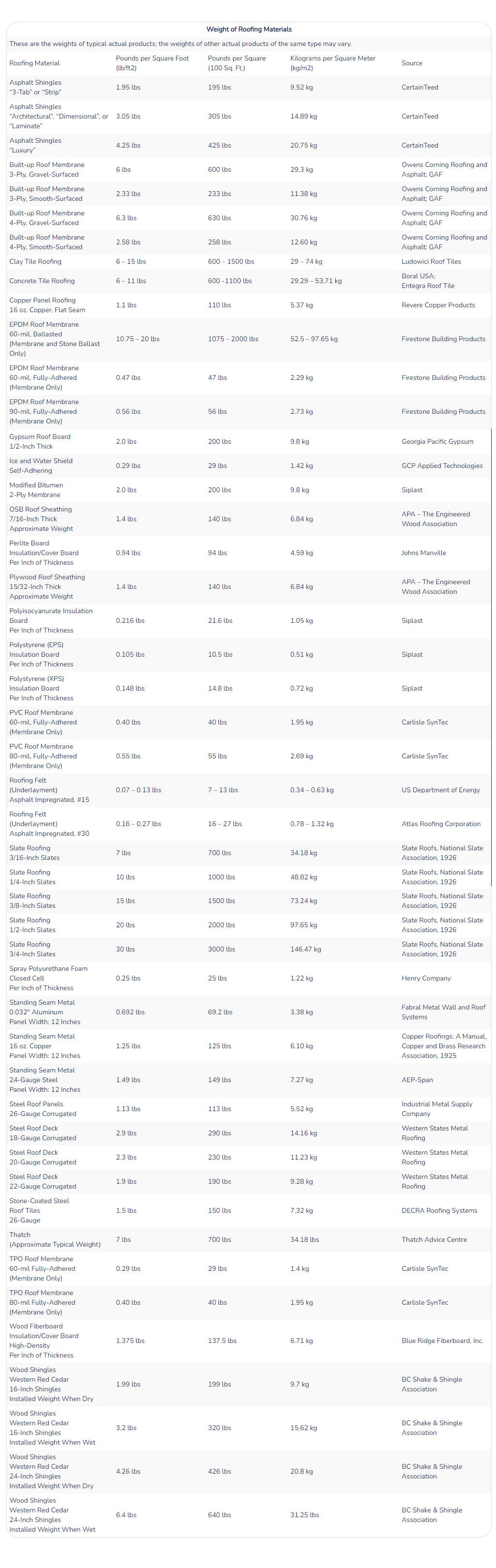
Curious about roof material weight?
It’s helpful to have the weight of different roof shingles available when you’re looking at shingle options.
This table from Roofing Online will help you estimate the weight on your roof’s structure.
Summary of roof Styles:
Gable
A gable roof is a triangle on top of the house with overhang on the two sides. Gabled roofs can be very steep or very shallow. Steep gable roofs are perfect for locations that get lots of snow. Gable roofs are the most popular roof type.
Gambrel
A gambrel roof is the traditional roof for barns. It allows for an attic or storage area at the top. This is great for ventilation. Gambrel roofs lend a rustic look to a home.
Hip
Hip roofs have four slopes of equal length with a ridge on top. This is the second most popular roof type. Snow and rain easily slide off the edges.
Mansard
French architecture gave us the Mansard roof with four sides and two slopes per side. The top slope is shallow and the bottom is steep. Normally this is combined with dormer windows. This French style is gorgeous, but not recommended for snowy areas. Snow and debris can be caught around the windows.
Flat
Flat roofs are not flat. They have a slight incline to allow water to drain. It’s important to keep an eye out for mildew and leaks. Flat roofs are popular for retail, industrial complexes, warehouses, and mid-century modern homes.
메타데이터
- post_id
- a2a9bbf008a7
- slug
- considering-your-homes-roof-in-a-warming-climate-a2a9bbf008a7
- url
- https://medium.com/small-business-websites/considering-your-homes-roof-in-a-warming-climate-a2a9bbf008a7
- canonical_url
- https://medium.com/small-business-websites/considering-your-homes-roof-in-a-warming-climate-a2a9bbf008a7
- author_url
- https://medium.com/@webdesignseattle
- status
- ok
- fetched_at
- 2026-07-30 13:12:34