Solar Power for Home Cost: Understanding the Journey to Sustainable Energy
As the world grapples with the dual challenges of rising energy costs and environmental sustainability, solar power emerges as a compelling
Solar Power for Home Cost: Understanding the Journey to Sustainable Energy
Introduction
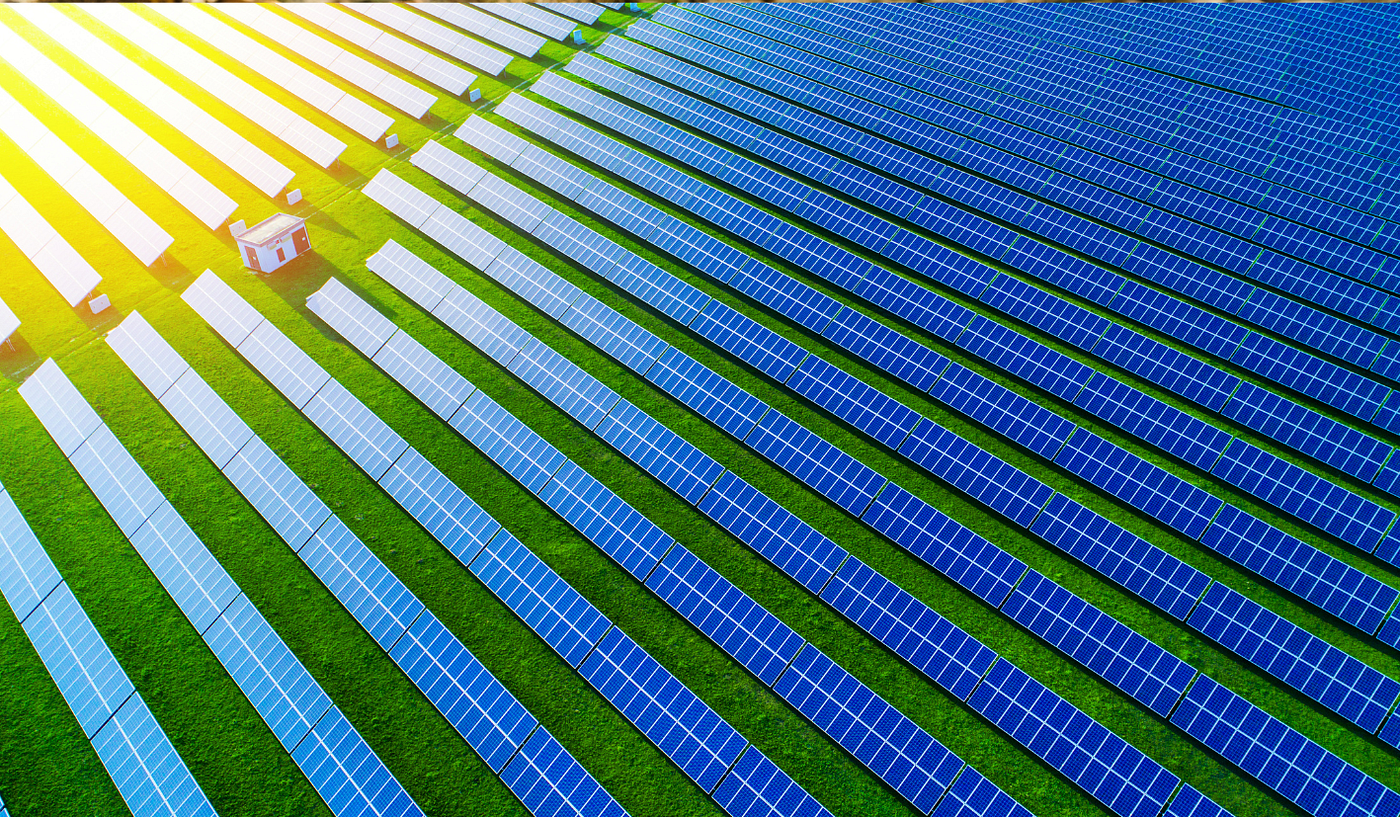
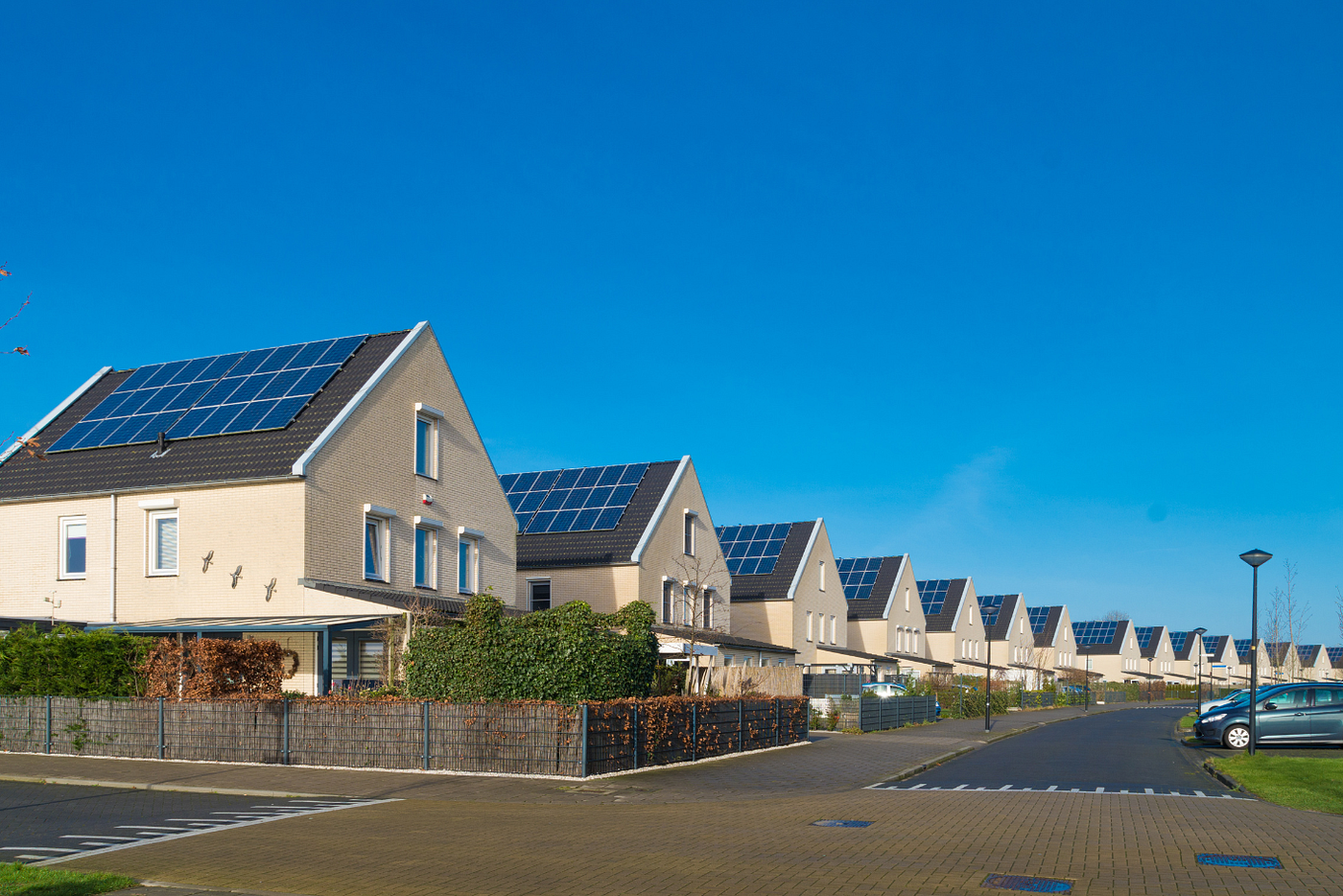
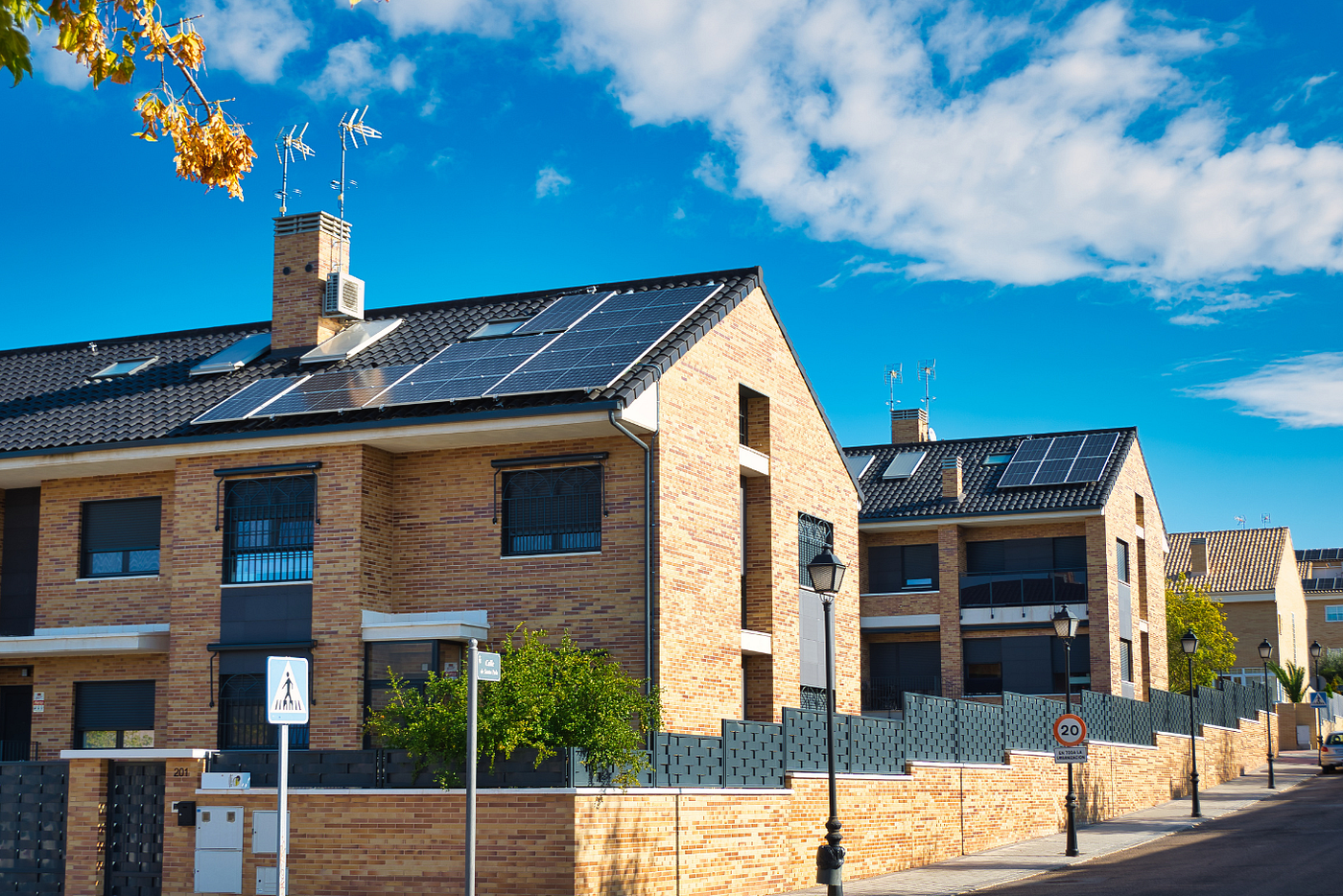
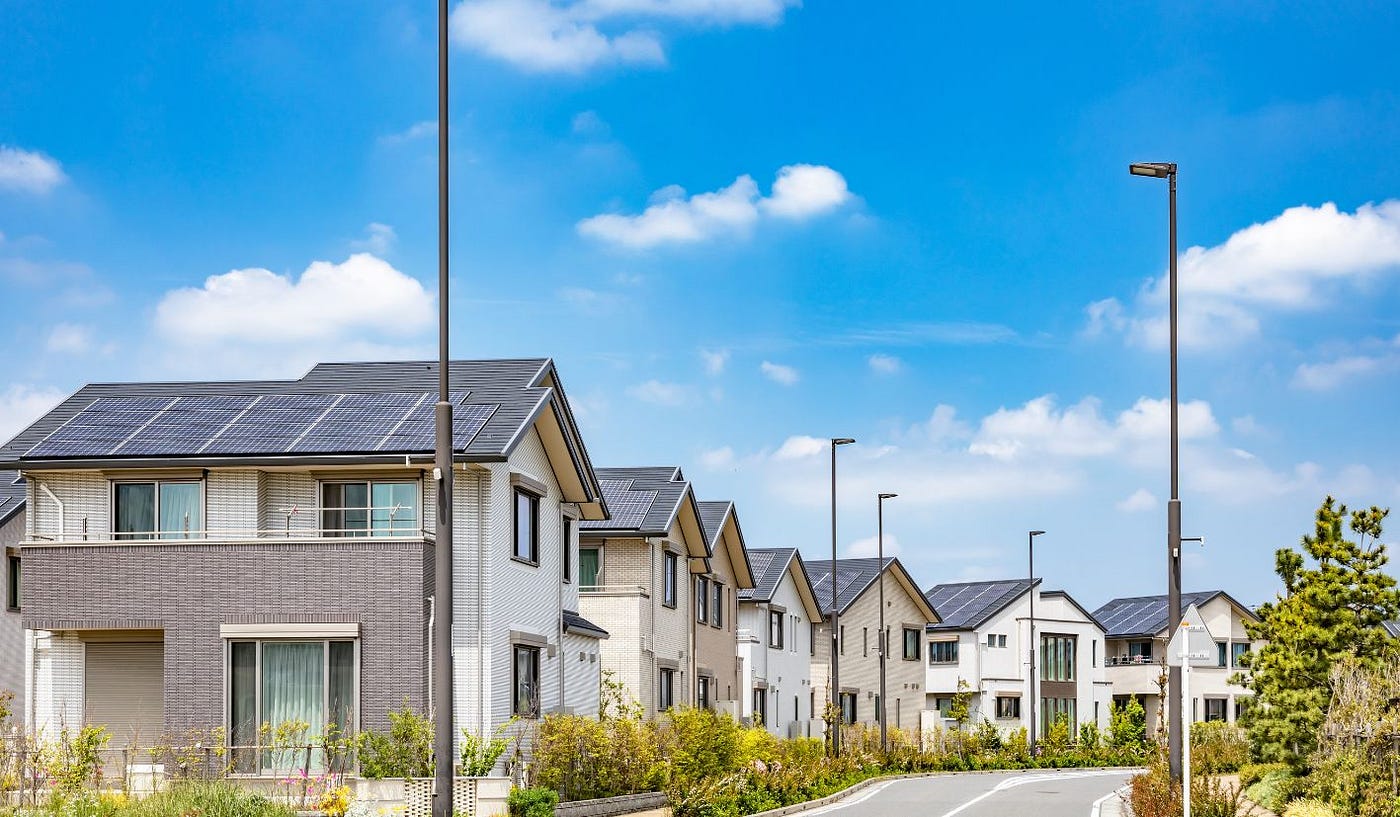
As the world grapples with the dual challenges of rising energy costs and environmental sustainability, solar power emerges as a compelling solution. Solar power harnesses the abundant energy from the sun, offering a renewable, clean, and increasingly affordable alternative to traditional fossil fuels. For homeowners, this means the potential for significant savings on electricity bills and a reduced carbon footprint. However, understanding the costs associated with installing solar power at home is crucial to making an informed decision.
This article aims to shed light on the costs of solar power for homes, focusing on the Philippines while providing insights applicable globally. We will explore why solar power is essential, what needs to be done to make it accessible, and how we can measure success in this endeavor.
Motivations for Solar Adoption
Environmental Benefits
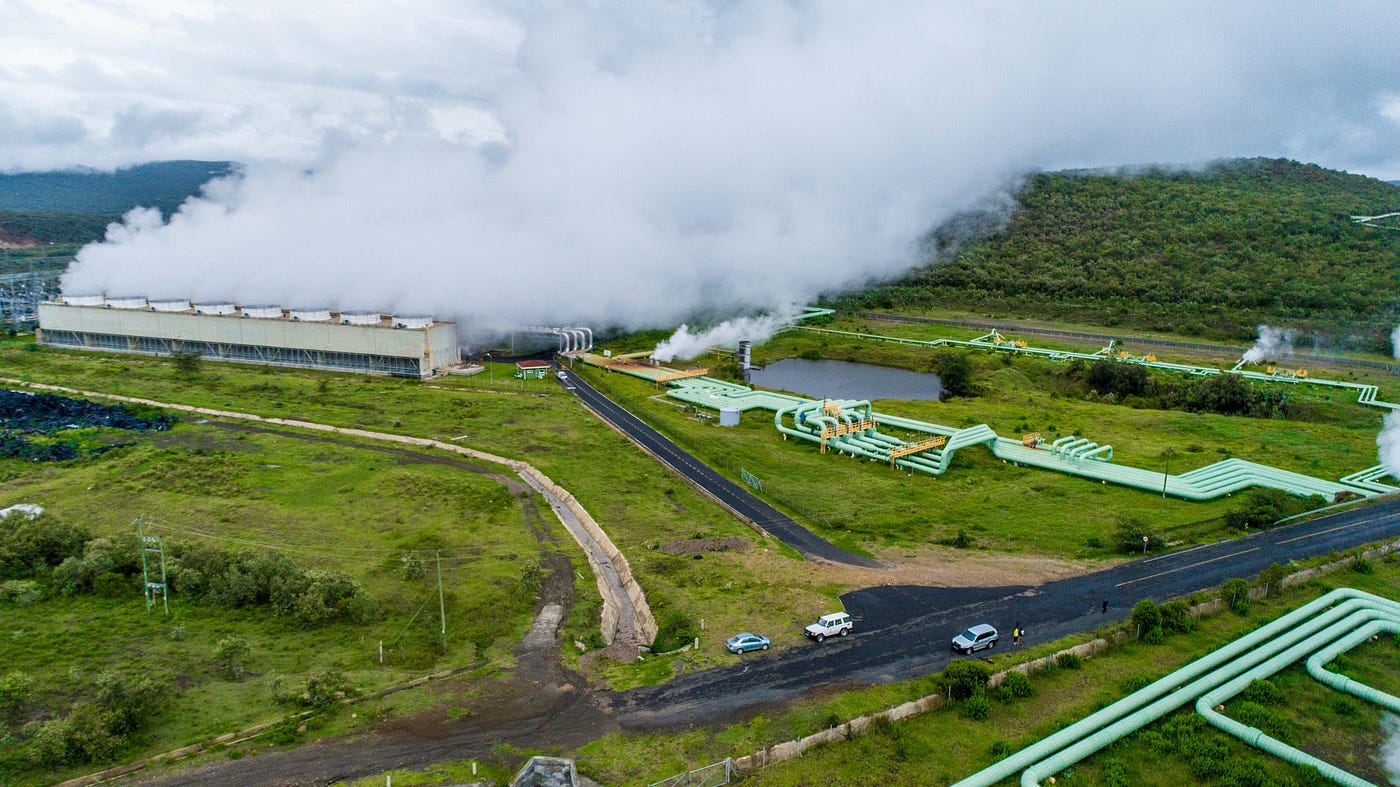
One of the primary motivations for adopting solar power is its significant environmental benefits. Unlike fossil fuels, solar energy production does not emit greenhouse gases or pollutants. This clean energy source helps combat climate change by reducing our carbon footprint. In the Philippines, where environmental degradation and climate change impacts are increasingly felt, transitioning to solar power can play a crucial role in preserving natural ecosystems and ensuring a sustainable future.
Economic Benefits
Solar power also offers substantial economic advantages. The cost of solar panels has decreased significantly over the past decade, making them more accessible to a broader range of homeowners. Moreover, the Philippines has abundant sunlight, making it an ideal location for solar power generation. By investing in solar power, homeowners can reduce their reliance on expensive imported fossil fuels, leading to lower electricity bills and greater energy independence.
Energy Security
For countries like the Philippines, which depend heavily on imported energy, solar power offers a path to greater energy security. By harnessing local renewable energy sources, the Philippines can reduce its vulnerability to global energy market fluctuations and ensure a more stable and resilient energy supply.
Action Plan for Solar Power Adoption
Enhancing Government Support
While the Philippine government has made strides in promoting solar energy, more can be done to accelerate its adoption. Key actions include:
- Providing Additional Subsidies: Increased financial incentives, such as grants and rebates, can make solar energy more affordable for households and businesses.
- Streamlining the Permitting Process: Simplifying and expediting the permitting process for solar installations can reduce barriers and encourage adoption.
- Investing in Research and Development: Supporting research and development efforts can lead to technological advancements and cost reductions in solar energy.
Strengthening Infrastructure
Developing a robust infrastructure to support solar energy is essential. This includes:
- Upgrading the Grid: Enhancing the power grid to handle the intermittent nature of solar power and integrating energy storage solutions.
- Developing Energy Storage Solutions: Investing in advanced energy storage technologies, such as batteries that store excess solar energy during non-sunny periods.
- Improving Distribution Networks: Ensuring efficient and reliable distribution of solar energy to end-users.
Encouraging Private Sector Participation
The private sector plays a vital role in the growth of solar energy. Encouraging investments from private companies in solar projects can accelerate adoption. This can be achieved through:
- Public-Private Partnerships: Collaborating with private companies to develop and implement solar projects.
- Tax Incentives: Providing tax incentives for businesses that invest in solar energy, such as tax credits and deductions.
- Corporate Sustainability Programs: Encouraging companies to adopt solar energy as part of their sustainability initiatives.
Addressing Financial Barriers
Providing affordable financing options can make solar energy more accessible. Key actions include:
- Low-Interest Loans: Offering low-interest loans for solar panel installations that reduce the financial burden on consumers.
- Leasing Programs: Introducing leasing programs that allow consumers to lease solar panels with minimal upfront costs.
- Power Purchase Agreements (PPAs): Facilitating PPAs, where consumers pay for the solar energy produced rather than the installation cost.
Increasing Public Awareness
Public awareness campaigns are crucial in educating people about the benefits of solar energy and how they can adopt it. Key actions include:
- Information Campaigns: Conducting information campaigns through various media channels to reach a broad audience.
- Community Outreach Programs: Engaging with communities through workshops, seminars, and exhibitions to provide hands-on knowledge about solar energy.
- Educational Collaborations: Partnering with schools and universities to incorporate solar energy education into curricula and promote research.
Defining Success in Solar Power Adoption
Setting Clear Goals and Metrics
In order to measure progress and define success in harnessing solar energy, it is essential to set clear goals and metrics. These can include:
- Increasing Solar Capacity: Setting targets for the amount of solar power capacity installed in the country.
- Reducing Carbon Emissions: Measuring the reduction in greenhouse gas emissions achieved through the adoption of solar energy.
- Lowering Electricity Costs: Tracking the reduction in electricity costs for households and businesses that adopt solar power.
- Enhancing Energy Security: Assessing the increase in energy independence and security achieved through local renewable energy sources.
Monitoring and Reporting Progress
Regular monitoring and reporting of progress are crucial to ensure accountability and transparency. This can involve:
- Government Reports: Publishing regular reports on the progress of solar energy initiatives, including achievements and challenges.
- Independent Audits: Conducting independent audits to verify the accuracy of reported data and assess the effectiveness of policies and programs.
- Public Feedback: Soliciting feedback from the public and stakeholders to identify areas for improvement and ensure that initiatives meet their needs.
Celebrating Successes
Recognizing and celebrating successes is essential to maintain momentum and encourage further efforts. This can include:
- Award Programs: Establishing award programs to recognize individuals, businesses, and communities significantly contributing to solar energy adoption.
- Success Stories: Sharing success stories through media and public events to inspire others and demonstrate the benefits of solar energy.
- Incentive Programs: Providing additional incentives for those who achieve significant milestones in solar energy adoption, such as further subsidies or tax breaks.
Facts, Understanding, and Trends of Solar Power Adoption
Global Trends
Globally, solar power has experienced rapid growth over the past decade. According to the International Energy Agency (IEA), solar power capacity has increased by an average of 40% per year since 2010. Declining costs, technological advancements, and supportive government policies drive this growth. As a result, solar power has become one of the most competitive forms of electricity generation.
Solar Power in the Philippines
The Philippines, with its abundant sunlight and growing energy demand, is well-positioned to benefit from solar power. According to the Department of Energy (DOE), the Philippines aims to increase its renewable energy capacity to 15,304 MW by 2030, with a significant portion coming from solar power. Various initiatives, such as the Renewable Portfolio Standards (RPS) and the Green Energy Option Program (GEOP), are designed to promote renewable energy adoption.
Cost of Solar Panels
The cost of solar panels has decreased significantly over the years. In the early 2000s, it was around $8 per watt. Today, it has dropped to less than $1 per watt. This dramatic cost reduction is due to technological advancements, economies of scale, and increased competition in the market. In the Philippines, solar panel installation costs vary, but they typically range from PHP 50,000 to PHP 100,000 for a 1 kW system.
Financial Incentives
Several financial incentives are available to promote solar energy adoption in the Philippines. These include:
- Feed-in Tariff (FiT): A policy mechanism that guarantees a fixed price for electricity generated from renewable sources, including solar power.
- Net Metering: Allows solar panel owners to sell excess electricity back to the grid, offsetting their electricity bills.
- Renewable Energy Law: Provides various incentives, such as tax holidays and duty-free importation of renewable energy equipment, to encourage investment in renewable energy.
Technological Advancements
Technological advancements have played a crucial role in making solar power more accessible and efficient. Some notable advancements include:
- Higher Efficiency Panels: Modern solar panels are more efficient at converting sunlight into electricity. Monocrystalline panels, for example, have efficiencies of over 20%, compared to around 15% for older technologies.
- Energy Storage Solutions: Advances in battery technology, such as lithium-ion batteries, have made it easier to store excess solar energy for use during non-sunny periods.
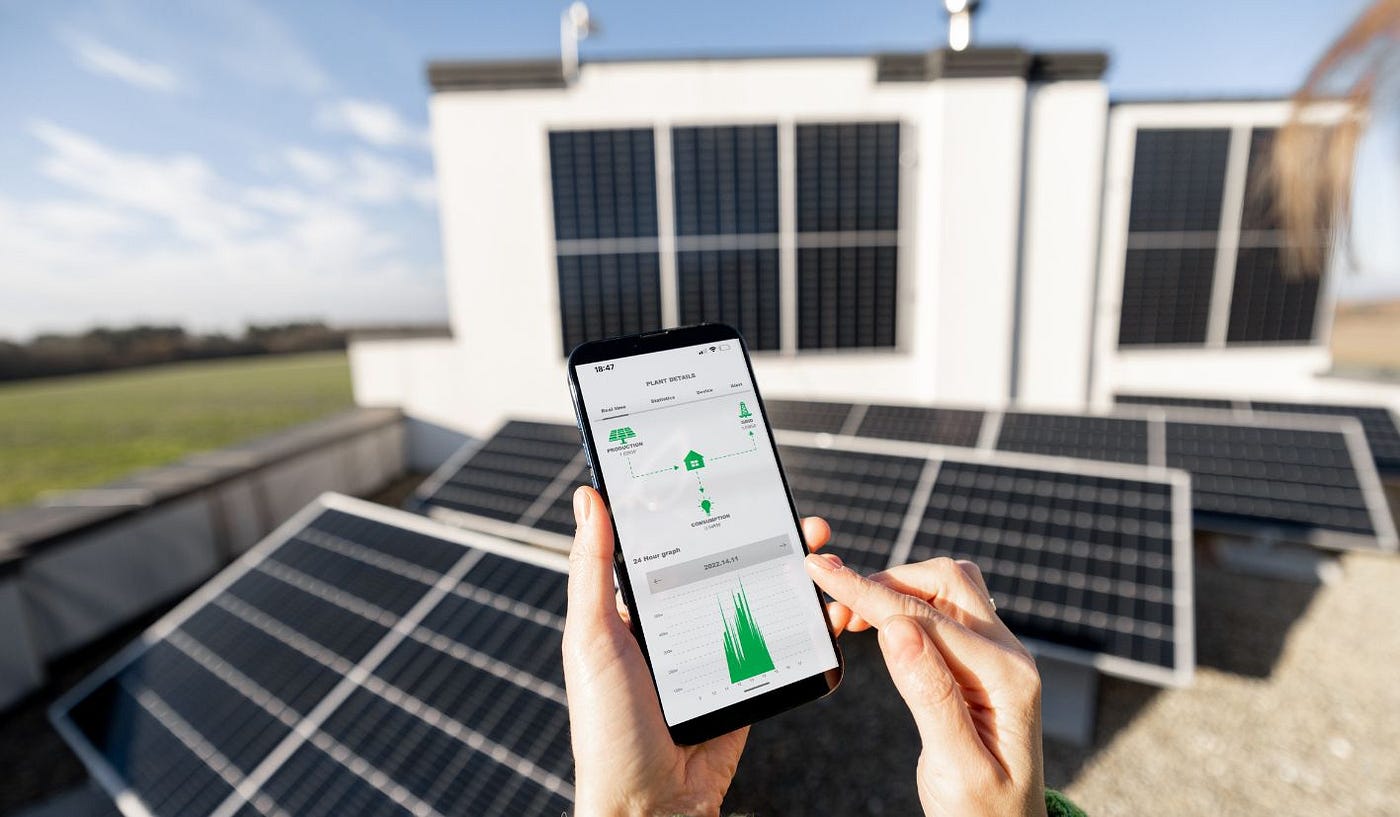
- Smart Inverters: Smart inverters can optimize the performance of solar systems by managing the flow of electricity and integrating it with home energy management systems.
Challenges and Solutions
Despite the many benefits and advancements, solar power adoption still faces several challenges. Addressing these challenges is crucial to achieving widespread adoption. Some key challenges and potential solutions include:
- High Initial Costs: The upfront cost of solar panel installations can be prohibitive for many households and businesses. Solutions include providing additional subsidies, low-interest loans, and leasing programs.
- Regulatory Hurdles: The regulatory environment can pose challenges to solar energy adoption. Solutions include streamlining the permitting process and providing clear guidelines for solar installations.
- Grid Integration: Integrating solar energy into the existing power grid requires upgrades and innovations. Solutions include investing in energy storage technologies and improving grid management systems.
- Public Awareness: Increasing public awareness about the benefits of solar energy and how to adopt it is crucial. Solutions include conducting information campaigns, community outreach programs, and educational collaborations.
Conclusion
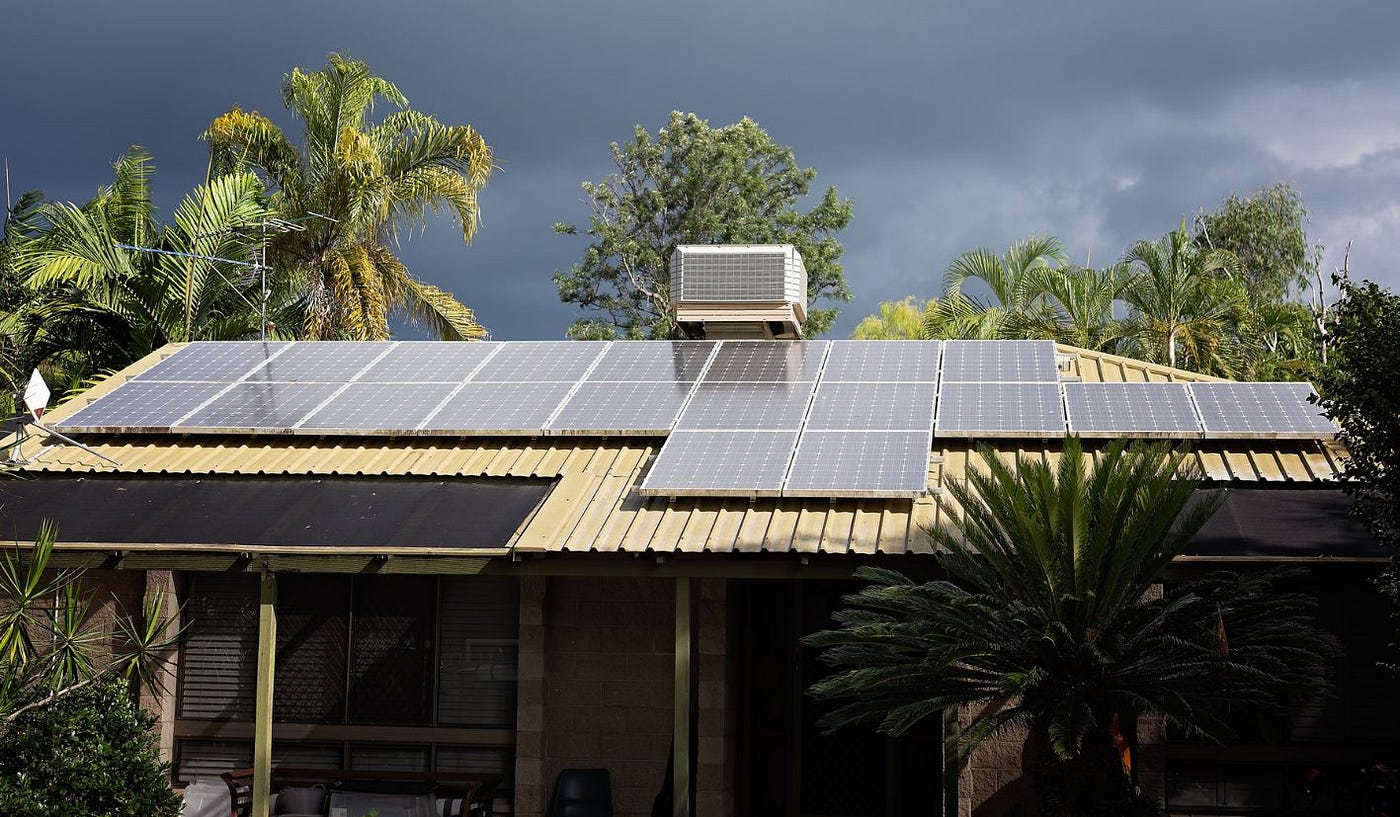
Solar power possesses the transformative potential to reshape the energy landscape in the Philippines and beyond, especially in terms of reducing home energy costs. By leveraging its benefits, staying informed about current trends, and addressing the challenges, we can effectively harness this renewable resource to achieve significant financial savings.
Success in this endeavor relies on strong government support, active private sector participation, innovative financial solutions, heightened public awareness, and robust infrastructure development. Establishing clear goals and metrics allows us to monitor our progress and measure our success in making solar power a cost-effective choice for homeowners. As we navigate the path toward more affordable solar solutions, our collective efforts will drive us toward a more sustainable and economically viable energy future.
Let’s embrace this opportunity to illuminate our homes and our lives with the power of the sun — because the future is bright, and it starts with us!
메타데이터
- post_id
- a2b27dceb2bf
- slug
- solar-power-for-home-cost-understanding-the-journey-to-sustainable-energy-a2b27dceb2bf
- url
- https://medium.com/@heliosph/solar-power-for-home-cost-understanding-the-journey-to-sustainable-energy-a2b27dceb2bf
- canonical_url
- https://medium.com/@heliosph/solar-power-for-home-cost-understanding-the-journey-to-sustainable-energy-a2b27dceb2bf
- author_url
- https://medium.com/@heliosph
- status
- ok
- fetched_at
- 2026-06-24 13:29:15