𝗬𝗼𝘂’𝗿𝗲 𝗡𝗼𝘁 𝗕𝘂𝗶𝗹𝗱𝗶𝗻𝗴 𝗣𝗿𝗼𝗱𝘂𝗰𝘁𝘀.
𝗬𝗼𝘂’𝗿𝗲 𝗡𝗼𝘁 𝗕𝘂𝗶𝗹𝗱𝗶𝗻𝗴 𝗣𝗿𝗼𝗱𝘂𝗰𝘁𝘀. 𝗬𝗼𝘂’𝗿𝗲 𝗕𝘂𝗶𝗹𝗱𝗶𝗻𝗴 𝗔𝘀𝘀𝘂𝗺𝗽𝘁𝗶𝗼𝗻𝘀.

A startup built a feature for 3 months.
Perfect UI. Clean code. Advanced functionality.
Launch day…
👉 No one used it.
Why?
Because it solved a problem 👉 users never had.
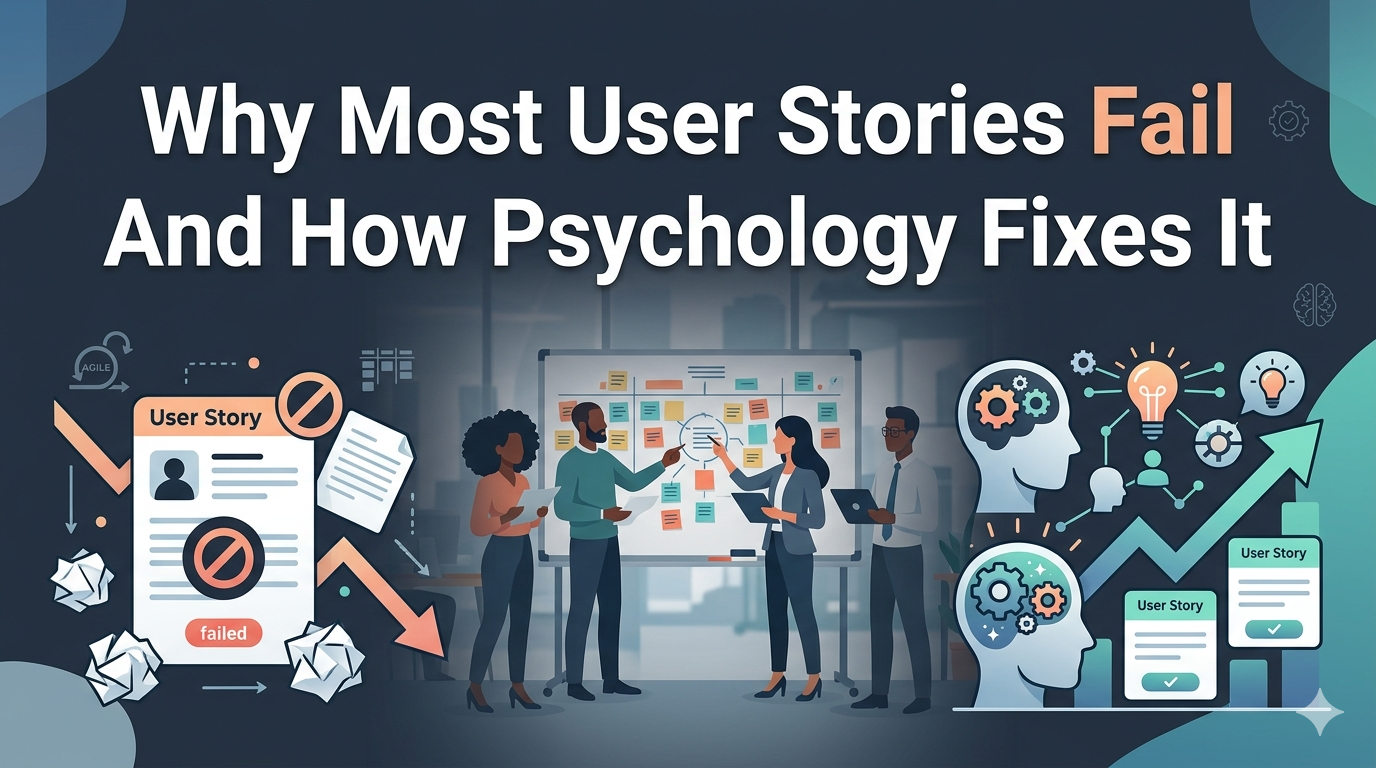
Bad user stories come from: • Assumptions • Ego • Lack of empathy
Teams write: 👉 “What we want to build” Instead of: 👉 “What users actually need”
When creating a user story, the goal is to describe a feature or functionality from the end-user’s perspective, in a way that guides development and ensures value. A well-crafted user story is clear, concise, and actionable.
Key Considerations When Creating a User Story
- Use the Standard Format
As a [type of user], I want [some goal] so that [some reason].
Example: As a registered user, I want to reset my password so that I can regain access to my account.
- Clearly Define the User
• Who is the story for? • Use real personas if available. • Be specific: “Admin”, “First-time shopper”, “Premium subscriber”
- Focus on Value
• What value or benefit does this story bring to the user? • Avoid just listing features; tie them to business goals or user needs.
- Keep it Concise and Simple
• One story should cover one small, meaningful piece of functionality. • Avoid combining multiple features in a single story.
- Acceptance Criteria (Definition of Done)
• Include clear conditions that must be met for the story to be considered complete. • Use Gherkin-style format if helpful: Given [some context] When [some action] Then [some outcome]
- Make it Testable
• A story should be verifiable by QA or a product owner. • If you can’t test it, rewrite it or break it down.
- Collaborative Creation
• Involve the entire team: product owner, developers, QA, UX designers. • User stories are conversation starters, not just documentation.
- Sized Appropriately
• A user story should be small enough to complete within one sprint. • If it’s too big, split it into smaller stories (vertical slicing, not task-level breakdown).
- Prioritized
• Ensure the story is aligned with the product roadmap or sprint goals. • Higher-value stories should be prioritized.
- Avoid Technical Jargon
• Use plain language focused on the user, not internal systems or APIs.
Example: ❌ "Implement OAuth2 token refresh" ✅ "As a logged-in user, I want to stay signed in so I don’t have to re-enter my credentials every time."
- Include Supporting Info (if needed)
• Mockups, wireframes, user flow diagrams • Links to related documentation or data • User feedback or research insights
- INVEST Criteria
A good user story should be: • Independent • Negotiable • Valuable • Estimable • Small • Testable
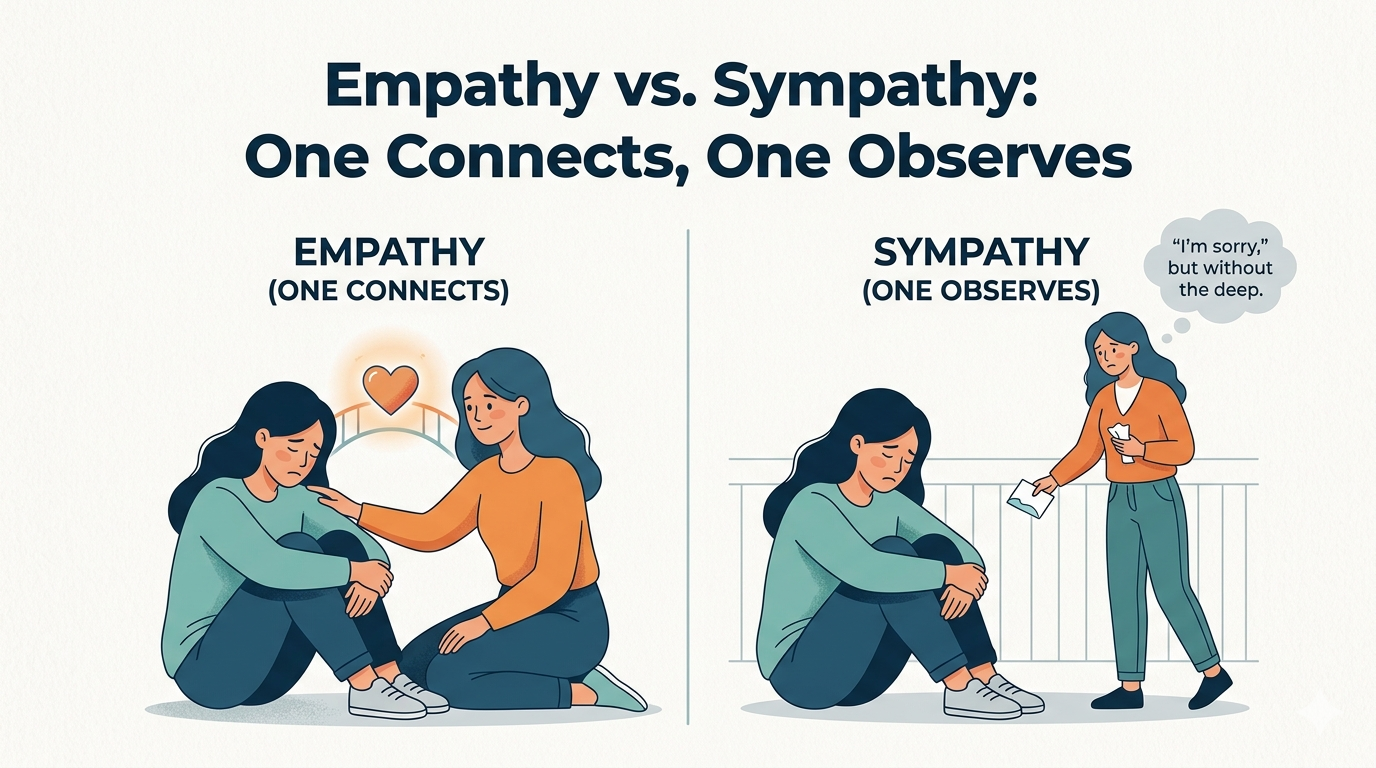
Write stories with empathy — put yourself in the shoes of the user. The better you understand their pain points, the more valuable your story will be.
💡 𝐏𝐬𝐲𝐜𝐡𝐨𝐥𝐨𝐠𝐲 𝐨𝐟 𝐆𝐫𝐞𝐚𝐭 𝐔𝐬𝐞𝐫 𝐒𝐭𝐨𝐫𝐢𝐞𝐬:
-
Empathy First Understand: • Pain • Frustration • Context
-
Outcome Thinking Users don’t want features. They want results.
-
Clarity Over Complexity Simple stories = better execution
-
Testable Thinking If you can’t test it, it’s not clear.
❌ “Add dashboard feature” ✅ “As a user, I want to see my progress so I feel in control”
Users don’t care about your features. They care about their problems.
메타데이터
- post_id
- a2bc5cd8f1f1
- slug
- -a2bc5cd8f1f1
- url
- https://medium.com/@elevatemindset82/-a2bc5cd8f1f1
- canonical_url
- https://medium.com/@elevatemindset82/-a2bc5cd8f1f1
- author_url
- https://medium.com/@elevatemindset82
- status
- ok
- fetched_at
- 2026-06-09 15:37:30