The Neurobiology of People-Pleasing: How the “Fawn” Response Triggers Chronic Cellular Fatigue
Why your inability to say “No” is a biological programming statement, not a personality trait.
The Neurobiology of People-Pleasing: How the “Fawn” Response Triggers Chronic Cellular Fatigue
Why your inability to say “No” is a biological programming statement, not a personality trait.
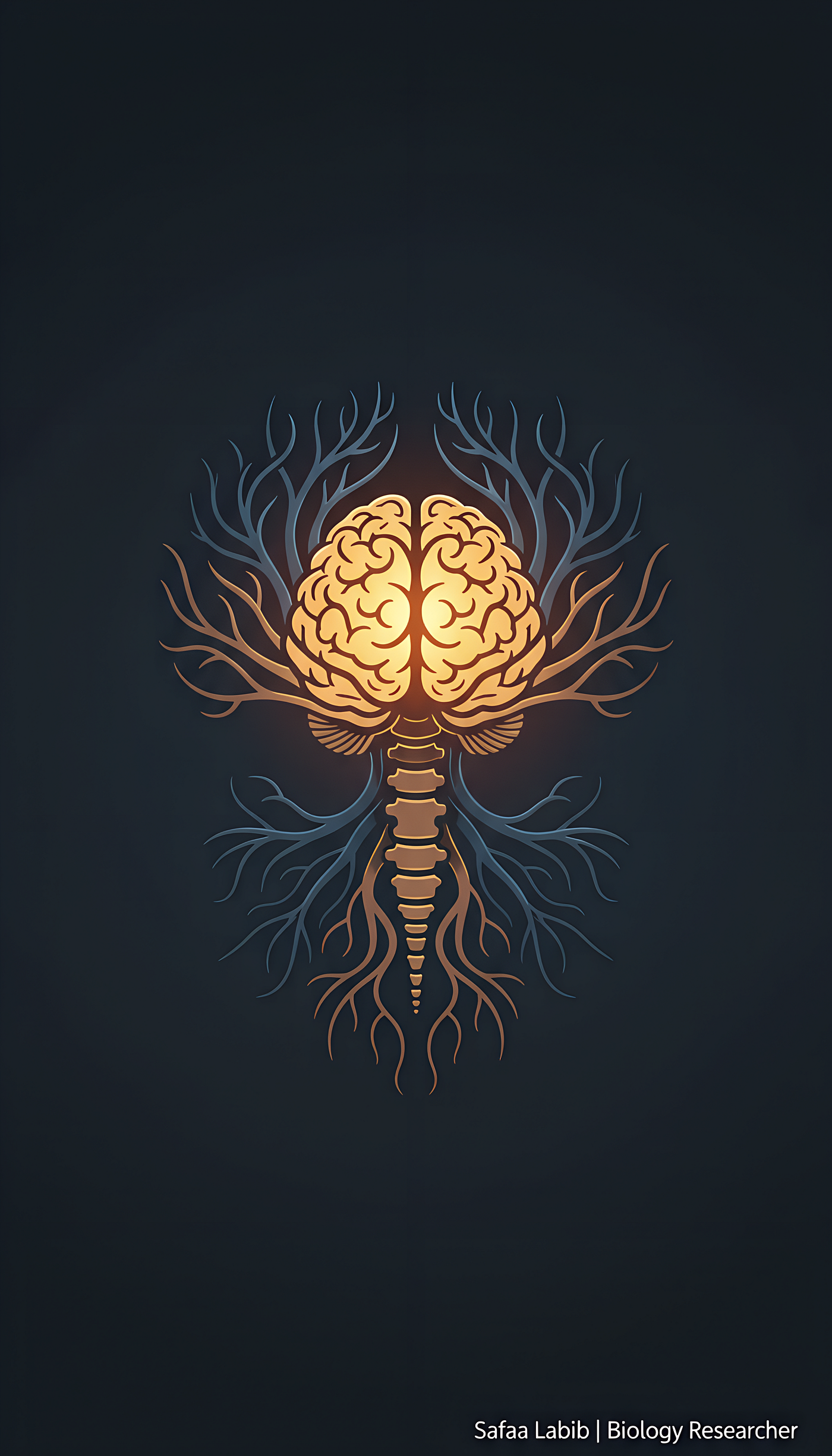
This minimalist digital art, generated via Recraft, structurally illustrates a stylized human brain and spinal cord seamlessly morphing into protective biological roots and branches. The deep warm amber glow within the neural core symbolizes metabolic energy conservation and internal homeostatic preservation, elegantly finalized with the signature of Safaa Labib, Biology Researcher.
We have long been told that people-pleasing is a character flaw. In the self-help industry and popular psychology, the chronic urge to accommodate, appease, and anticipate the needs of others at the expense of oneself is labeled as “low self-esteem,” “weak boundaries,” or a lack of assertiveness. We are given generic advice: “Just say no,” “Put yourself first,” or “Practice self-care.”
But for anyone trapped in this exhausting cycle, that advice feels risibly inadequate. It treats a deeply rooted systemic crisis as a simple daily choice.
As a biology researcher, I look at people-pleasing through a different lens — not as a moral failing or a personality trait, but as a highly sophisticated, evolutionary survival mechanism known as the “Fawn” response. When this behavioral pattern becomes chronic, it transitions from a psychological defense into a devastating physiological tax, rewiring your neural circuitry and triggering profound cellular fatigue.
If you are a chronic accommodator, your exhaustion isn’t just mental. It is metabolic. Here is the biological reality of why your brain refuses to say no, and how it is draining your cellular energy.
The Evolutionary Anatomy of the “Fawn” Response
To understand why we please, we must look at how the brain navigates threat. When the amygdala — the brain’s ultimate threat-assessment gatekeeper — detects danger, it has a default toolkit of survival strategies: Fight, Flight, Freeze, and Fawn.
While Fight and Flight are governed by the sympathetic nervous system’s immediate adrenaline surge, the Fawn response is an engineered social defense. Coined originally by psychotherapist Pete Walker, fawning is the process of seeking safety by merging with the wishes, needs, and demands of others.
From an evolutionary standpoint, this is pure brilliance. If a hominid couldn’t outrun a predator (Flight) or overpower an aggressor (Fight), the next best option for survival was to become indispensable, non-threatening, and hyper-compliant (Fawn).
In modern society, your “aggressor” is rarely a physical predator. Instead, it is the fear of social rejection, maternal or parental disapproval, corporate alienation, or the abandonment of a partner. To the subconscious mind, social isolation is a survival threat equivalent to physical death. Therefore, the brain deploys the Fawn response as a neural shield. You don’t please because you are weak; you please because your nervous system has associated compliance with absolute safety.
The Neuro-Cognitive Gridlock: Hyper-Vigilance and Prefrontal Drain
When the Fawn response becomes your default setting, your brain is forced into a state of perpetual cognitive gridlock.
To successfully please and appease, you must constantly read the room. This requires an intense, subconscious scanning of environmental and social cues. Your brain must analyze micro-expressions, shifts in vocal tone, body language, and unstated emotional currents in the people around you to predict their reactions and preemptively neutralize any potential conflict.
This constant scanning is driven by a hyperactive Reticular Activating System (RAS) and an overstimulated mirror neuron system. The RAS acts as the neural gatekeeper, filtering sensory inputs. When conditioned by a Fawn survival state, the RAS alters your sensory perception, filtering out your own internal signals — such as physical hunger, emotional exhaustion, or the need for rest — to prioritize the emotional data of others.
This induces a massive Prefrontal Drain. The Prefrontal Cortex (PFC), which governs executive functions like decision-making, emotional regulation, and working memory, is forced to burn massive amounts of metabolic energy just to maintain this hyper-vigilant social posture. You aren’t just living your life; your brain is running a continuous simulation of everyone else’s emotional state.
The Metabolic Cost: Cortisol, Allostatic Load, and Mitochondrial Depletion
You cannot run a high-level survival program indefinitely without paying a biological price. In neurobiology, this price is measured as the Allostatic Load — the cumulative wear and tear on the body and brain resulting from chronic overactivation of the stress response system.
When you subconsciously choose to suppress your own boundaries to accommodate someone else, your nervous system perceives a hidden conflict. Even if you smile and say, “Sure, I can handle that extra project,” your biology knows you are overextended. This internal friction triggers a micro-alarm in the amygdala, signaling a low-grade, perpetual threat.
This chronic activation of the Hypothalamic-Pituitary-Adrenal (HPA) axis leads to a sustained, low-level release of cortisol. Unlike a sharp, healthy spike of adrenaline that resolves quickly, chronic cortisol elevation is insidious. It acts as a toxic slow-burn within your systemic biology:
- Immune Down-Regulation: Chronic cortisol suppresses inflammatory control, leaving the body vulnerable to low-grade systemic inflammation.
- Neurogenesis Inhibition: High cortisol levels literally halt the production of new neurons in the hippocampus, impairing memory and emotional resilience.
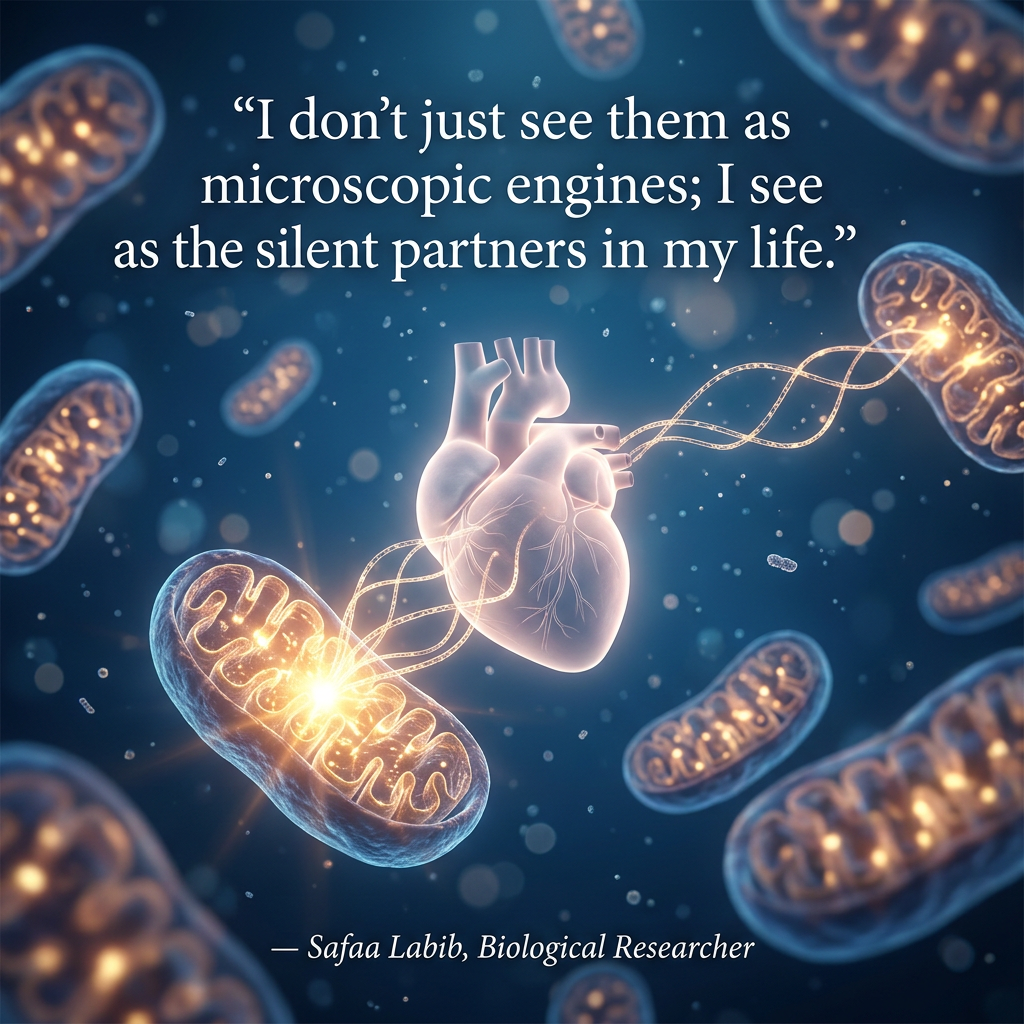
- Mitochondrial Exhaustion: This is where the cellular fatigue manifests. Your mitochondria — the cellular powerhouses responsible for producing Adenosine Triphosphate (ATP) — are highly sensitive to environmental and hormonal stress signals. Prolonged allostatic load signals the mitochondria to shift from “energy production mode” to “defense mode.”
When your cells are in defense mode, ATP production plummets. This is why chronic people-pleasers experience a profound, bone-deep lethargy that a weekend of sleep cannot fix. Your cells are starved of bioenergetic currency because your body is using its metabolic resources to fund a survival blueprint.
The Illusion of Homeostasis
The deep tragedy of chronic fawning is that it creates a false sense of physiological balance, or an illusion of homeostasis.
Because pleasing successfully averts immediate external conflict, your brain receives a temporary hit of safety. The conflict was avoided, the boss is happy, and the partner didn’t leave. This relief is often mistaken by the subconscious mind as a reward, reinforcing the neural pathway.
However, this is an unsustainable trade-off. You are trading external peace for internal, cellular war. You are maintaining systemic harmony with your environment by inducing chronic depletion within your own tissues. Over a lifetime, this neuro-allostatic strain accumulates, contributing to chronic fatigue syndrome, fibromyalgia, autoimmune flare-ups, and structural burnout.
Reclaiming Biological Sovereignty: The Path to Neural Recalibration
If people-pleasing were merely a psychological habit, simple behavioral adjustments would cure it. But because it is an entrenched neurobiological survival state, recovery requires a deliberate, step-by-step neural blueprint rewriting. To heal the cellular fatigue, you must first signal safety to your nervous system.
Here is how we use biological principles to reclaim our systemic sovereignty:
1. Intercept the Somatic Trigger (Down-Regulate the Amygdala)
The urge to please usually manifests as a visceral, somatic sensation — a tightening in the chest, a knot in the stomach, or a sudden urge to speak quickly when a request is made. This is your amygdala sounding the alarm.
- The Action: Before responding to any request, implement a mandatory 10-second somatic pause. Use a physiological sigh (two quick inhales through the nose, followed by one long, extended exhale through the mouth). This specific breathing pattern immediately stimulates the vagus nerve, down-regulating the heart rate and signaling the brain that you are not in imminent physical danger.
2. Shift from External Tracking to Interoception
People-pleasing trains your brain to look outward. To heal, you must force the brain to look inward, a process known as Interoception (the perception of internal bodily sensations).
- The Action: When a demand is placed on you, instead of scanning the other person’s face for their reaction, close your eyes or look away for a brief moment and scan your own biology. Ask yourself: What is my current energy capacity? Do my tissues feel heavy or light? Make your own fysiologic capacity an un-negotiable variable in the equation.
3. Build Tolerance for the “Micro-Alarm” of Rejection
When you first begin to say “No,” your amygdala will scream. It will interpret the other person’s potential disappointment as an existential threat, triggering a wave of guilt or anxiety.
- The Action: Reframe that discomfort. Understand that this anxiety isn’t a sign that you did something wrong; it is simply the sound of an old, obsolescent neural pathway firing. Treat that discomfort as a localized, biological workout. By sitting with the discomfort of a boundary without rescuing the other person, you train your prefrontal cortex to establish a new, sovereign baseline of safety.
Final Thoughts: Preserving Your Metabolic Energy
Your energy is finite. Every single cell in your body operates on a strict metabolic budget, and ATP is a precious currency. When you systematically distribute that currency to maintain the comfort of everyone else around you, you leave your own biological house in a state of systemic bankruptcy.
Authentic growth and genuine leadership require us to transition from success and external validation to internal significance and sustainable impact. You cannot leave a meaningful footprint on the world if your cellular powerhouses are running on empty.
It is time to stop viewing your boundaries as an act of hostility against others, and start viewing them for what they truly are: an act of profound, biological preservation for yourself.
References & Further Reading
- Walker, P. (2013). Complex PTSD: From Surviving to Thriving. Azure Coyote Publishing. (Focusing on the codification of the Fawn response as a structural survival mechanism).
- McEwen, B. S. (2000). Allostasis and Allostatic Load: Implications for Neuropsychopharmacology. Neuropsychopharmacology, 22(2), 108–124. (Detailing the systemic wear and tear of chronic stress on cellular biology).
- Sapolsky, R. M. (2004). Why Zebras Don’t Get Ulcers. Henry Holt and Co. (Explaining how evolutionary survival mechanisms, when prolonged in modern human settings, destroy homeostasis).
Your Turn: Think about the last time you said “Yes” when your body was screaming “No.” What was the immediate physical sensation you felt in your tissues? Let’s map the biology of boundaries together in the comments below.
Support My Research & Stay Connected
If you found this biological deep dive valuable, I invite you to join my growing community of science-driven readers. My work is dedicated to exploring the intersection of neurobiology, psychoanalysis, and physical health to help you reclaim your Biological Sovereignty.
Subscribe to My Substack: Join the “Biological Sovereignty” newsletter for exclusive research updates, in-depth biological protocols, and nuanced insights delivered directly to your inbox. 👉[ Join the Community on Substack](https://safaalabib.substack.com/)
Support My Independent Work: If you’d like to fuel my research and help me create more high-quality, evidence-based content, consider supporting me. You can join my paid tiers on 👉 Patreon, or send a direct contribution due to regional subscription limitations via 👉 PayPal.
Connect Professionally: For professional networking, updates on my academic research, and industry discussions, let’s connect on 👉[ LinkedIn](https://www.linkedin.com/in/safaa-labib-8121a43a0/)
Explore More: You can find a collection of my published work and curated stories here: 👉[ Safaa Labib on Digitalmehmet](https://digitalmehmet.com/author/labibsafaa641/)
Thank you for being part of this journey toward mastering your internal ecosystem.
메타데이터
- post_id
- a2c6d68702dd
- slug
- the-neurobiology-of-people-pleasing-how-the-fawn-response-triggers-chronic-cellular-fatigue-a2c6d68702dd
- url
- https://medium.com/illumination/the-neurobiology-of-people-pleasing-how-the-fawn-response-triggers-chronic-cellular-fatigue-a2c6d68702dd
- canonical_url
- https://medium.com/illumination/the-neurobiology-of-people-pleasing-how-the-fawn-response-triggers-chronic-cellular-fatigue-a2c6d68702dd
- author_url
- https://medium.com/@labibsafaa641
- status
- ok
- fetched_at
- 2026-06-13 07:35:29