Don’t Take These Rocks for Granite: Cebu Museum Lessons
(“take for granted” + granite rock)
Don’t Take These Rocks for Granite: Cebu Museum Lessons
(“take for granted” + granite rock)
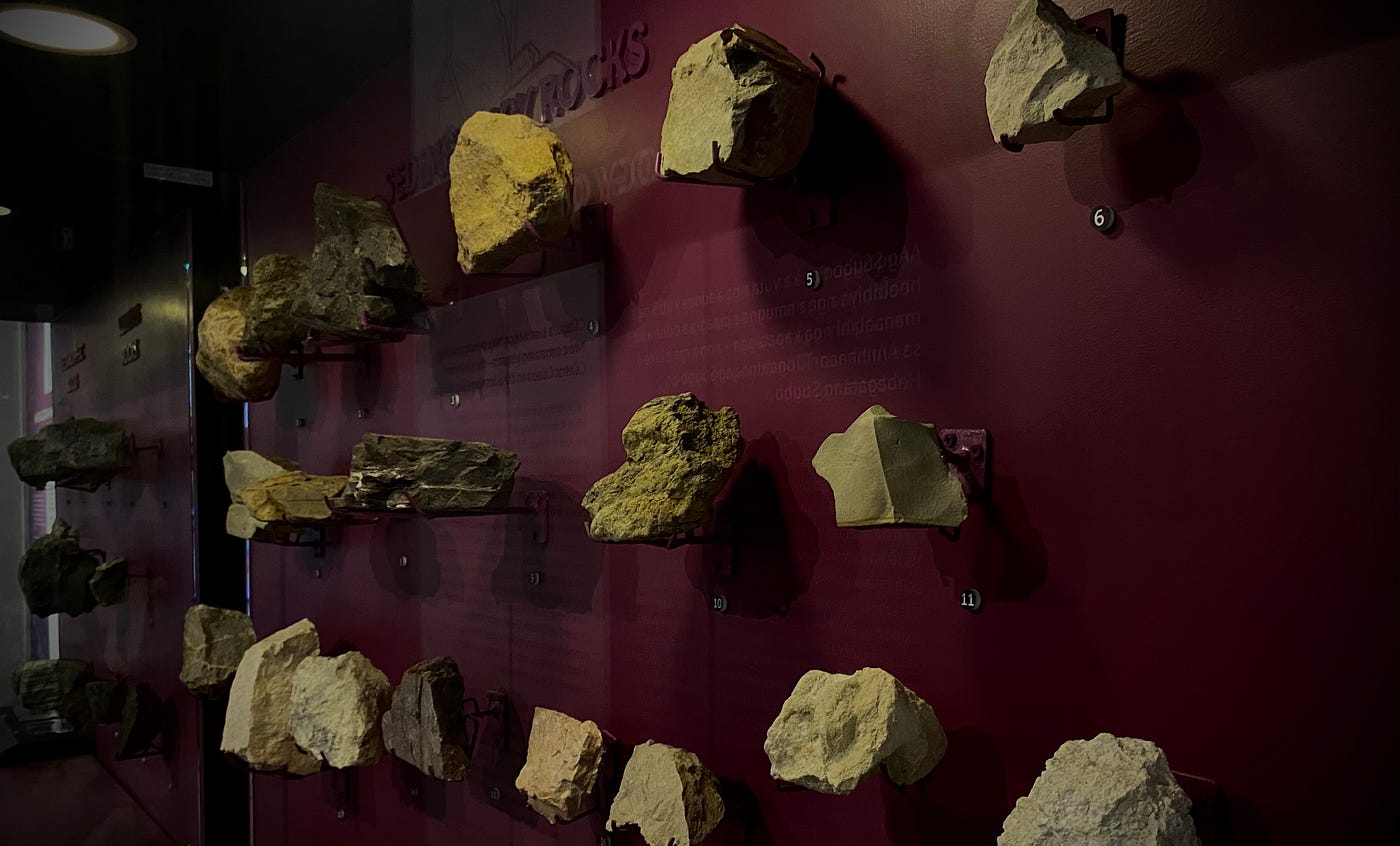
Stepping into the Geology Gallery at the National Museum of the Philippines Cebu near Plaza Independencia felt like bringing all my GEOL131 notes to life. I went there for our class project hoping to see how the principles we learned in lectures connect to real rocks and stories from Philippine land. The visit really opened my eyes to how geology affects everything from building safe roads and bridges to preparing for natural hazards and making smart choices about our environment.

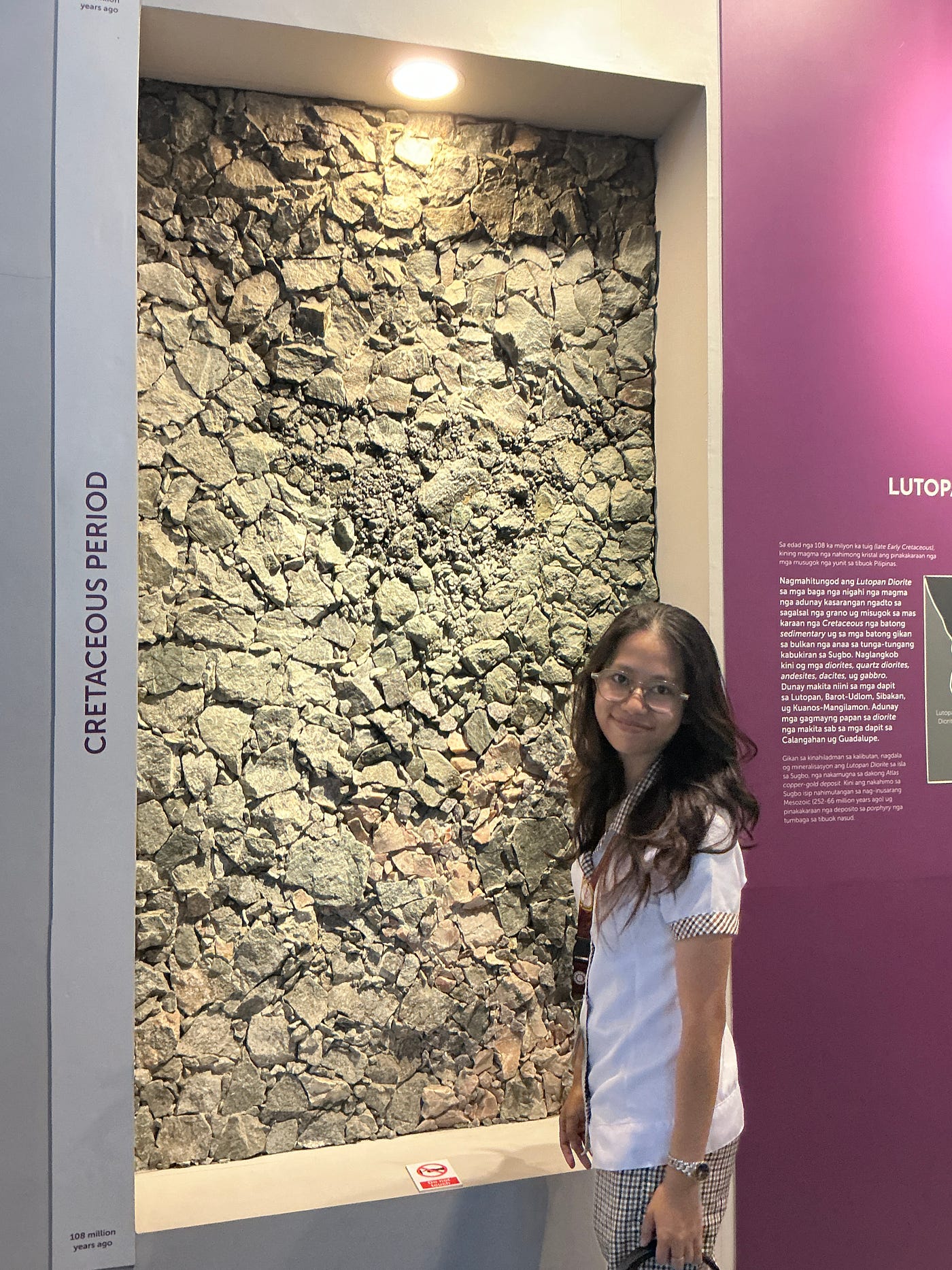
My tour started right at the big Cretaceous Period rock wall featuring the Lutopan Diorite. This impressive display shows rocks that formed deep underground about 108 million years ago when magma cooled slowly. The information panels explained how this intrusive rock shaped much of Cebus foundation and even played a key role in creating valuable mineral deposits nearby. Standing there looking at the coarse interlocking crystals made the whole idea of plutonic rocks feel solid and real in a way textbooks never quite managed.
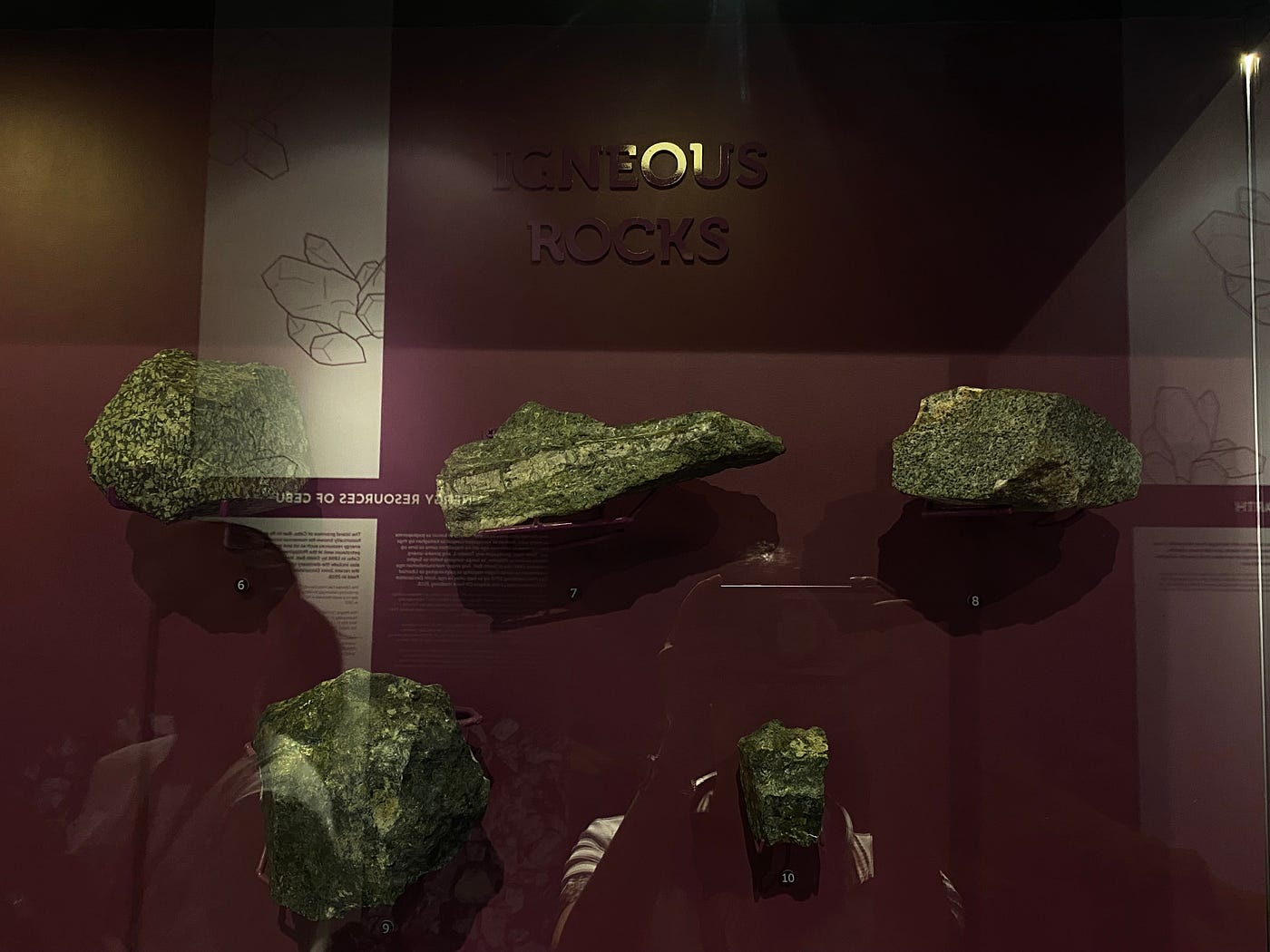

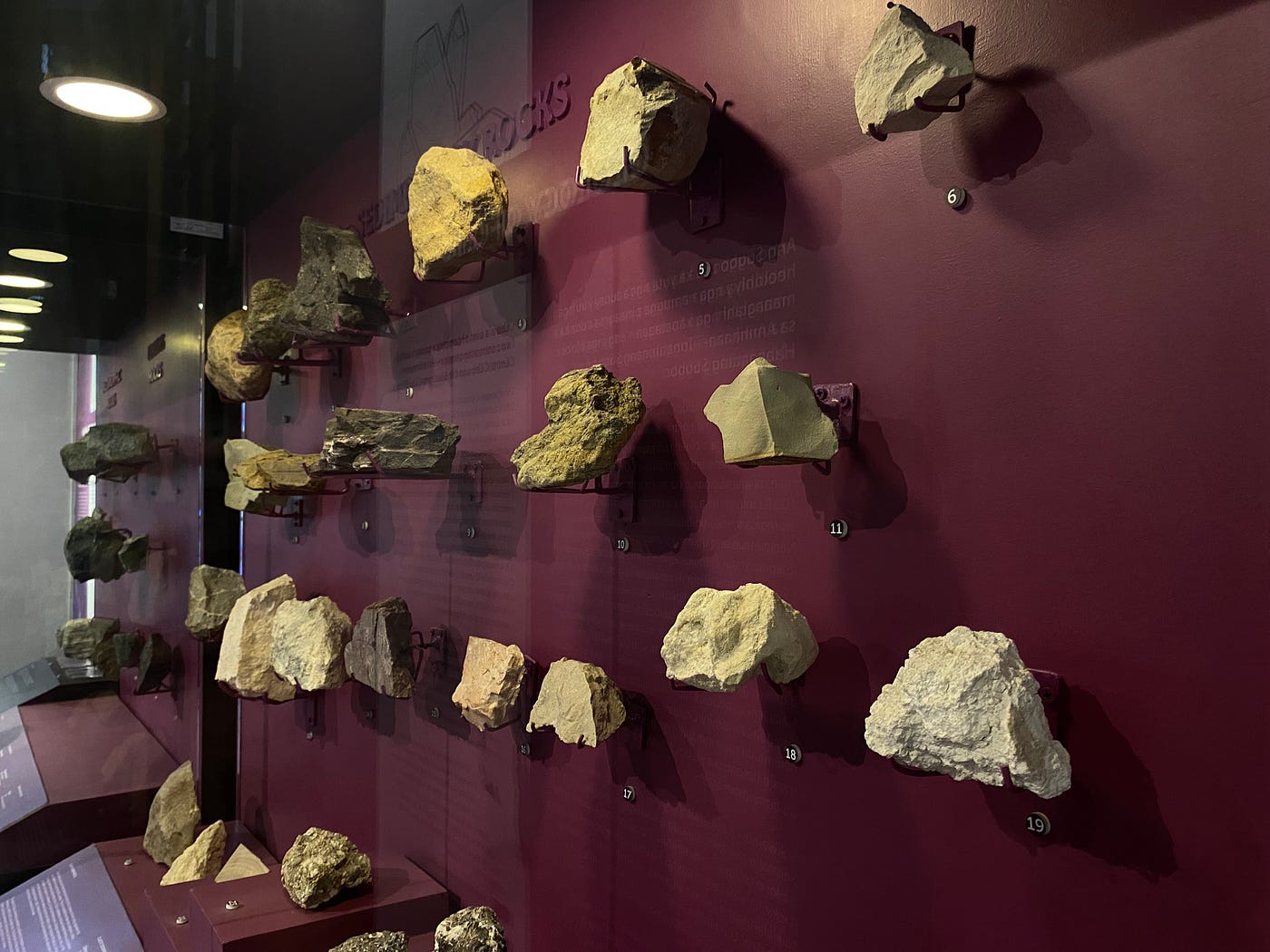
As the old saying goes, “solid as a rock”, yet this visit taught me that rocks are far more complex than they first appear.I continued through the different rock type sections which really helped everything come together. The igneous rocks display had various specimens showing different cooling speeds from coarse grained diorites to finer volcanic pieces. Nearby the metamorphic rocks area featured samples transformed by heat and pressure with beautiful new patterns and textures. Then I paused at the sedimentary rocks wall for a quick photo. Those pieces clearly showed layers built from weathered materials that were carried deposited and cemented over time. Seeing igneous sedimentary and metamorphic rocks all in one place made the rock cycle click like never before.

One of my favorite stops was the rudist-bearing limestone boulders exhibit. These large pale stones sat on pedestals against a beautiful river scene that showed where they originally came from. The rudists ancient shellfish fossils help geologists figure out the age of the layers. Looking closely at them helped me understand how limestone forms in ancient shallow seas and why this rock type is so important for construction materials groundwater flow and the karst landscapes we often see in the Philippines.
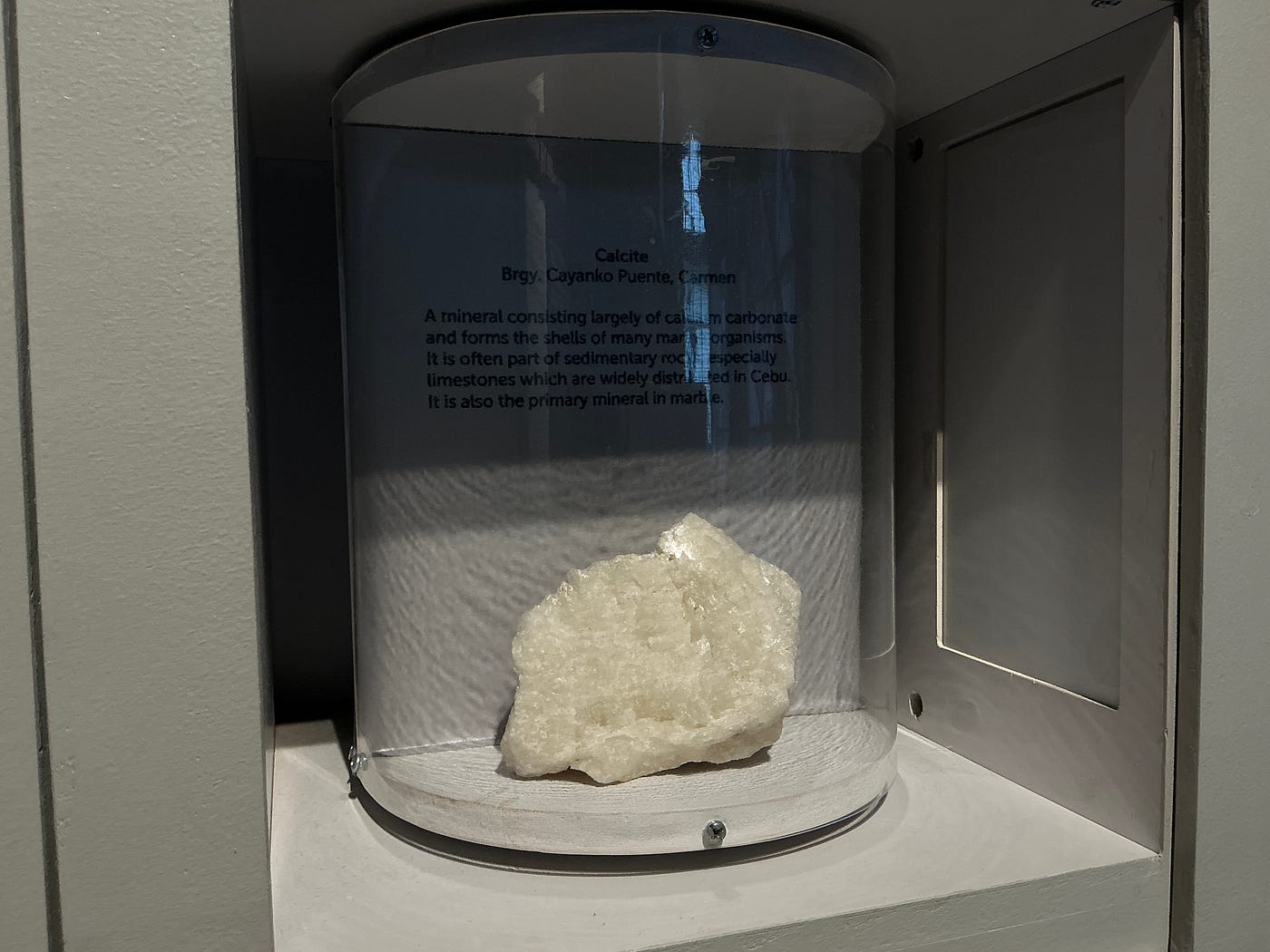


I wrapped up my visit at the mineral exhibits where different specimens glowed under individual lights in their cases. I pointed at a few of the shinier ones while thinking about their unique properties like hardness luster and cleavage. These displays tied everything back to how we actually use minerals in real projects.
This museum trip made several GEOL131 concepts much clearer for me. Walking past the Cretaceous wall reminded me of plate tectonics and why our country sits in such an active zone full of faults and earthquakes. The three main rock types side by side illustrated the full rock cycle while the limestone boulders highlighted sedimentary processes and fossil records. Most importantly the exhibits showed why civil engineers need to understand these things deeply. Rock strength permeability and weathering behavior directly influence foundation design slope stability and how we source materials for infrastructure.
The main lessons I carried home were simple but powerful. We cannot afford to overlook what lies beneath our feet especially in a place like the Philippines with its earthquakes typhoons and varied terrain. Different rocks react differently to stress and water which can mean the difference between a stable building and future problems. Taking time to study local geology leads to safer and more sustainable projects.
Overall the visit left me with greater respect for how much our land history shapes the work we do as future engineers. Geology is not just an extra subject it forms the very base for responsible infrastructure and disaster readiness. I feel more motivated now to pay close attention to these details in every project ahead. Next time you see a rock remember there is usually a much bigger story underneath.
메타데이터
- post_id
- a2e02ef88455
- slug
- dont-take-these-rocks-for-granite-cebu-museum-lessons-a2e02ef88455
- url
- https://medium.com/@jeavianneyv/dont-take-these-rocks-for-granite-cebu-museum-lessons-a2e02ef88455
- canonical_url
- https://medium.com/@jeavianneyv/dont-take-these-rocks-for-granite-cebu-museum-lessons-a2e02ef88455
- author_url
- https://medium.com/@jeavianneyv
- status
- ok
- fetched_at
- 2026-06-23 17:05:31