We Were Wrong About Whole Milk For Decades
Dietary advice spent a long stretch pushing whole milk out of the picture in favor of skim and 2%. The logic seemed sound at the time: less…
We Were Wrong About Whole Milk For Decades
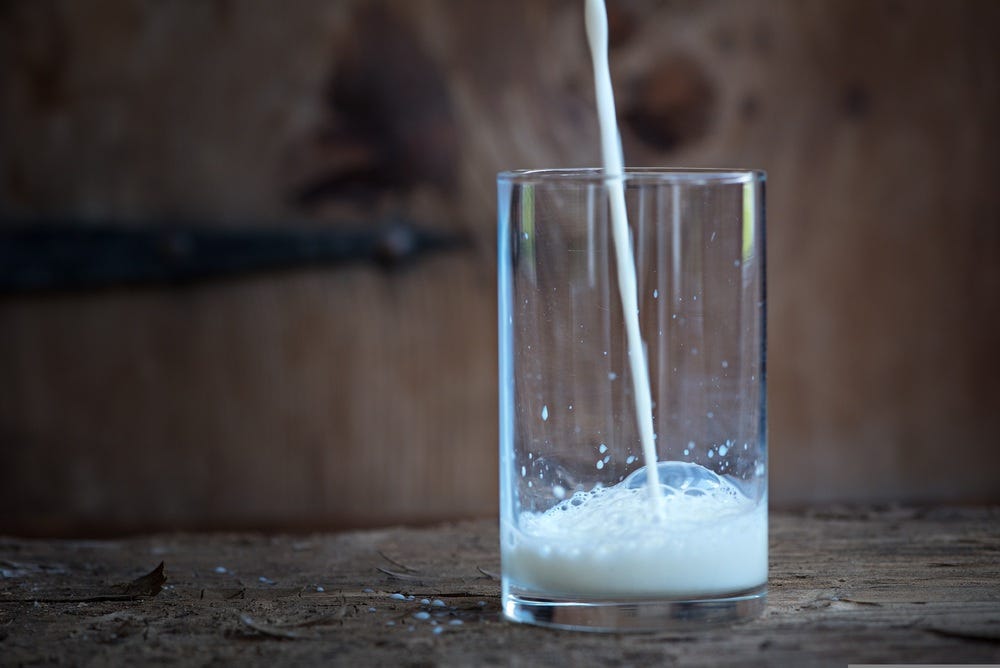
Dietary advice spent a long stretch pushing whole milk out of the picture in favor of skim and 2%. The logic seemed sound at the time: less fat, fewer calories, better outcome. What that logic overlooked was what the fat in whole milk was actually contributing beyond calories.
Protein And Calcium Aren’t The Whole Story
Across whole, 2%, 1%, and skim milk, protein and calcium levels stay nearly identical. That’s usually where the comparison stops, and it’s also where it should really start. The meaningful differences show up in fat-soluble vitamins, specific fatty acids, and how your body responds to the milk after you drink it.
Fat Is A Vitamin Delivery System
Vitamins A, D, E, and K dissolve in fat, not water. That means they need dietary fat present to pass through the intestinal wall. Whole milk delivers these vitamins packaged with their own fat, so absorption happens efficiently. Skim milk can be fortified with the same vitamins, but stripped of the fat that carries them, a large portion of that fortification is functionally wasted.
CLA and omega-3 fatty acids follow the same pattern. Both live in the fat fraction of milk, and both shrink significantly once that fat gets skimmed off.
The Weight Question, Revisited
For years, whole milk got blamed for contributing to weight gain. More recent research complicates that assumption. Fat slows gastric emptying and triggers stronger satiety signals, meaning people who drink whole milk often eat less at their next meal. Large observational studies have consistently found lower rates of overweight among children drinking whole milk compared to those drinking reduced-fat versions.
There’s also a blood sugar angle worth noting. The fat in whole milk slows lactose absorption, producing a steadier glucose response than skim, which processes faster with less fat to buffer it.
Processing Changes The Equation Again
Fat percentage isn’t the only variable. Vat pasteurization uses lower heat over a longer period, which preserves more of milk’s native protein structure than ultra-high-temperature processing does. Skipping homogenization keeps fat globules at their natural size rather than breaking them into uniform particles.
Grace Harbor Farms, a pasture-based dairy in Custer, Washington, produces whole milk this way from Guernsey cows, vat-pasteurized and non-homogenized in small batches. It’s the kind of detail that gets lost when milk is compared only by fat percentage on a label. For a closer comparison of nutrient absorption differences between milk types, whole milk against 2% lays out where the real tradeoffs sit.
Whole milk isn’t a nostalgic throwback. For most healthy adults and children without a specific medical reason to restrict fat, it’s the more nutritionally complete choice sitting right there in the dairy aisle.
메타데이터
- post_id
- a2e0e7315a7b
- slug
- we-were-wrong-about-whole-milk-for-decades-a2e0e7315a7b
- url
- https://medium.com/@social_80088/we-were-wrong-about-whole-milk-for-decades-a2e0e7315a7b
- canonical_url
- https://medium.com/@social_80088/we-were-wrong-about-whole-milk-for-decades-a2e0e7315a7b
- author_url
- https://medium.com/@social_80088
- status
- ok
- fetched_at
- 2026-08-07 05:19:57