The Falcon of Dante: The Lost Glory of the Hohenstaufen and the Vanished Chivalric World
In Dante’s falcon, the vanished glory of Frederick II and the chivalric world lives on — a symbol of nobility, rebellion, and loss.
The Falcon of Dante: The Lost Glory of the Hohenstaufen and the Vanished Chivalric World
In the flight of a falcon, Dante saw not just nobility — but the end of an age.
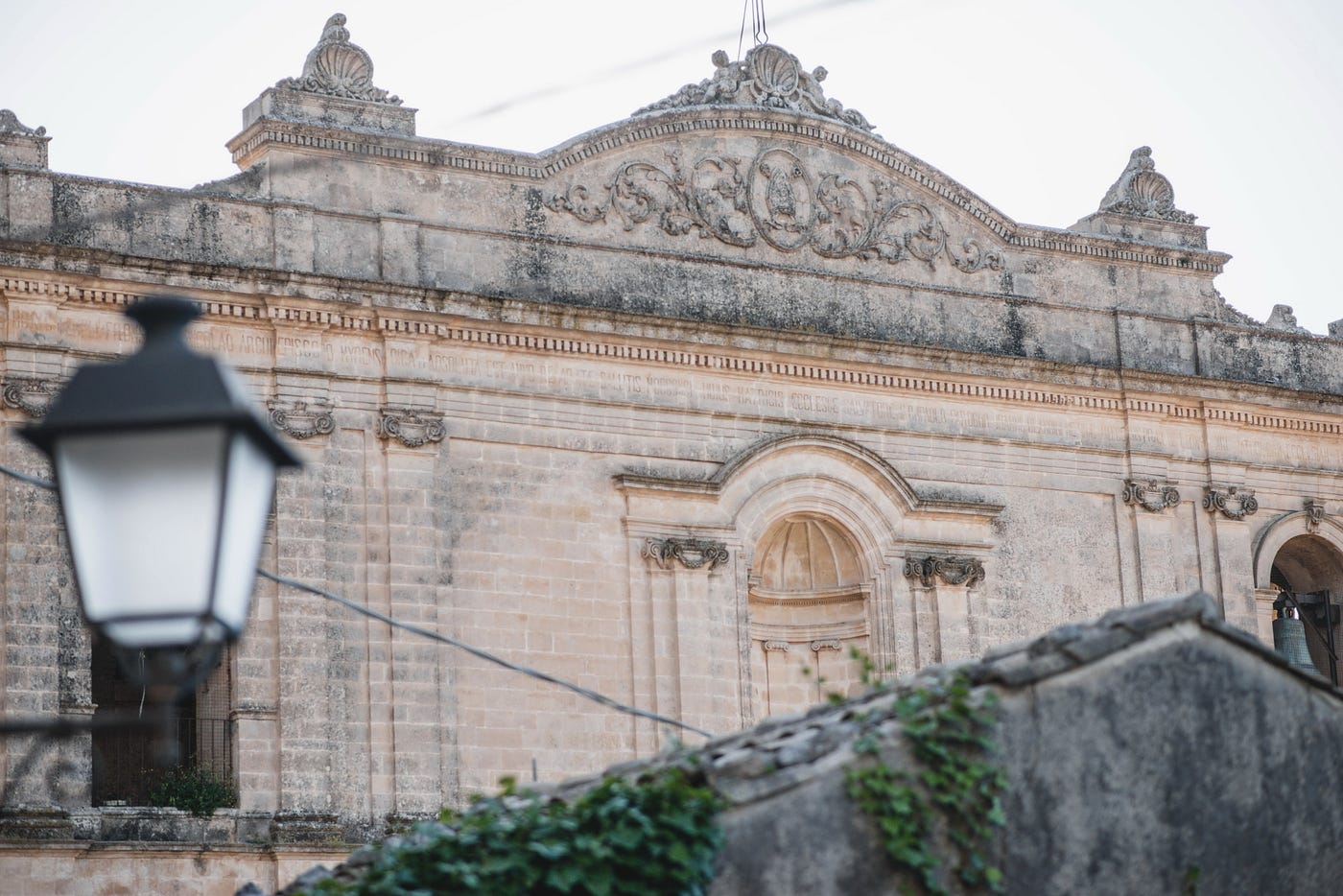
Dawn over Palermo. The sea lies still as glass. A falcon circles above the royal gardens, its wings slicing through the light. Below, a man in a crimson cloak raises his eyes — emperor, scholar, heretic, dreamer. Centuries later, Dante will remember that flight — and turn it into eternity.
At the dawn of the 14th century, when faith and myth intertwined and poets shaped the memory of kingdoms, Dante Alighieri wrote The Divine Comedy. Among its many visions — of sin, redemption, and eternity — one symbol stands out like a shaft of light cutting through darkness: the falcon.
Majestic yet mournful, it embodies both the splendor and the fall of a vanished world — the world of Frederick II Hohenstaufen, emperor, philosopher, heretic, and dreamer.
The Emperor and His Falcon
For Dante, the falcon was more than a bird of prey. It was a reflection of a lost civilization — the Swabian empire, whose brilliance still haunted the imagination of Italy.
Frederick II, known as stupor mundi — the wonder of the world — ruled from Palermo, his court a meeting place of Arab, Greek, and Latin scholars. He spoke six languages, studied the stars, and challenged the Church itself.
But above all, he loved falconry — an art he elevated to science. His treatise, De arte venandi cum avibus (“On the Art of Hunting with Birds”), is not merely a manual. It is a vision of harmony between man, nature, and intellect — a mirror of the medieval ideal of order and grace.
To Dante, who came of age in a fractured Italy, the falcon of Frederick’s world symbolized the nobility of spirit, the disciplined balance between strength and beauty — a nobility that had all but disappeared.
The Falcon in The Divine Comedy
Throughout The Divine Comedy, the falcon returns — a fleeting image, a silent lament.
In Hell, Dante compares a weary falcon to a soul returning in defeat, its flight broken by disillusionment. It is a metaphor for the world he lived in: where honor had yielded to ambition, and the great ideals of chivalry had fallen to dust.
In Purgatory, the poet meets Manfred, Frederick’s son — fallen in battle, damned by the Church, yet serene in dignity. Even in his exile beyond life, Manfred remains proud, noble, defiant — a living echo of his father’s dream.
And in Paradise, Dante recalls Constance of Hauteville, Frederick’s mother — a rare tribute to the dynasty the Church sought to erase. Her name, spoken in the realm of light, restores a trace of grace to the line that Rome had condemned.
Yet Frederick himself, in Dante’s vision, lies in the Sixth Circle of Hell, among the heretics — a testament to the poet’s own conflict between admiration and orthodoxy.
Between Admiration and Judgment
Dante’s falcon, poised between heaven and earth, becomes a symbol of contradiction — of grandeur undone by defiance.
He admired Frederick’s intellect, his love of knowledge, his challenge to ignorance. But as a man of his age, he could not forgive rebellion against divine order.
And so, in the tension between reverence and condemnation, Dante captures something eternal: the tragedy of greatness — that every civilization, however radiant, must eventually fall.
The Echo of Lost Nobility
The falcon of Dante still soars — not across battlefields, but through memory. It carries the spirit of an age when courage meant more than conquest, when honor was a creed, not a word.
In its silent flight, we glimpse what Dante saw: a world fading into legend, its beauty preserved only in verse.
And perhaps, as the poet himself must have known, it is in that fragile survival — in the words, not the wings — that true immortality lies.
메타데이터
- post_id
- a2e6e775093a
- slug
- the-falcon-of-dante-the-lost-glory-of-the-hohenstaufen-and-the-vanished-chivalric-world-a2e6e775093a
- url
- https://medium.com/ash-and-devotion/the-falcon-of-dante-the-lost-glory-of-the-hohenstaufen-and-the-vanished-chivalric-world-a2e6e775093a
- canonical_url
- https://medium.com/ash-and-devotion/the-falcon-of-dante-the-lost-glory-of-the-hohenstaufen-and-the-vanished-chivalric-world-a2e6e775093a
- author_url
- https://medium.com/@olga.angelucci.ph
- status
- ok
- fetched_at
- 2026-06-13 07:35:29