Bali STR Compliance 2026: Licensing, taxes and Platform Verification Rules for Airbnb Hosts
Bali's 2026 STR crackdown is pulling non-compliant Airbnb listings. Here is what hosts need to know about licensing, taxes, etc.
Bali STR Compliance 2026: What Every Airbnb Host Needs to Know Before Their Listing Gets Pulled
There are roughly 40,000 short-term rental listings active in Bali right now. Only about 12,000 of them are fully registered and licensed to operate legally. That 28,000 gap is exactly what Indonesian authorities are targeting in 2026, and the enforcement campaign is no longer about warnings. It is about removals.

What Changed in 2026
The March 31 compliance deadline has already passed. A grace extension to May 31 was offered to operators actively working through the licensing process, and that window has closed too. Here is what enforcement looks like now:
- The Ministry of Tourism has directed booking platforms to verify operators against government records
- Listings that cannot prove compliance are being flagged for removal
- Badung Regency (covering Canggu, Seminyak, Berawa, Kuta, and Uluwatu) has deployed dedicated inspection teams targeting unregistered villas
The biggest shift is the direct link between government compliance records and platforms like Airbnb and Booking.com. Instead of waiting for an inspector to show up, you could simply lose the ability to accept bookings.
Why So Many Properties Are Still Non-Compliant
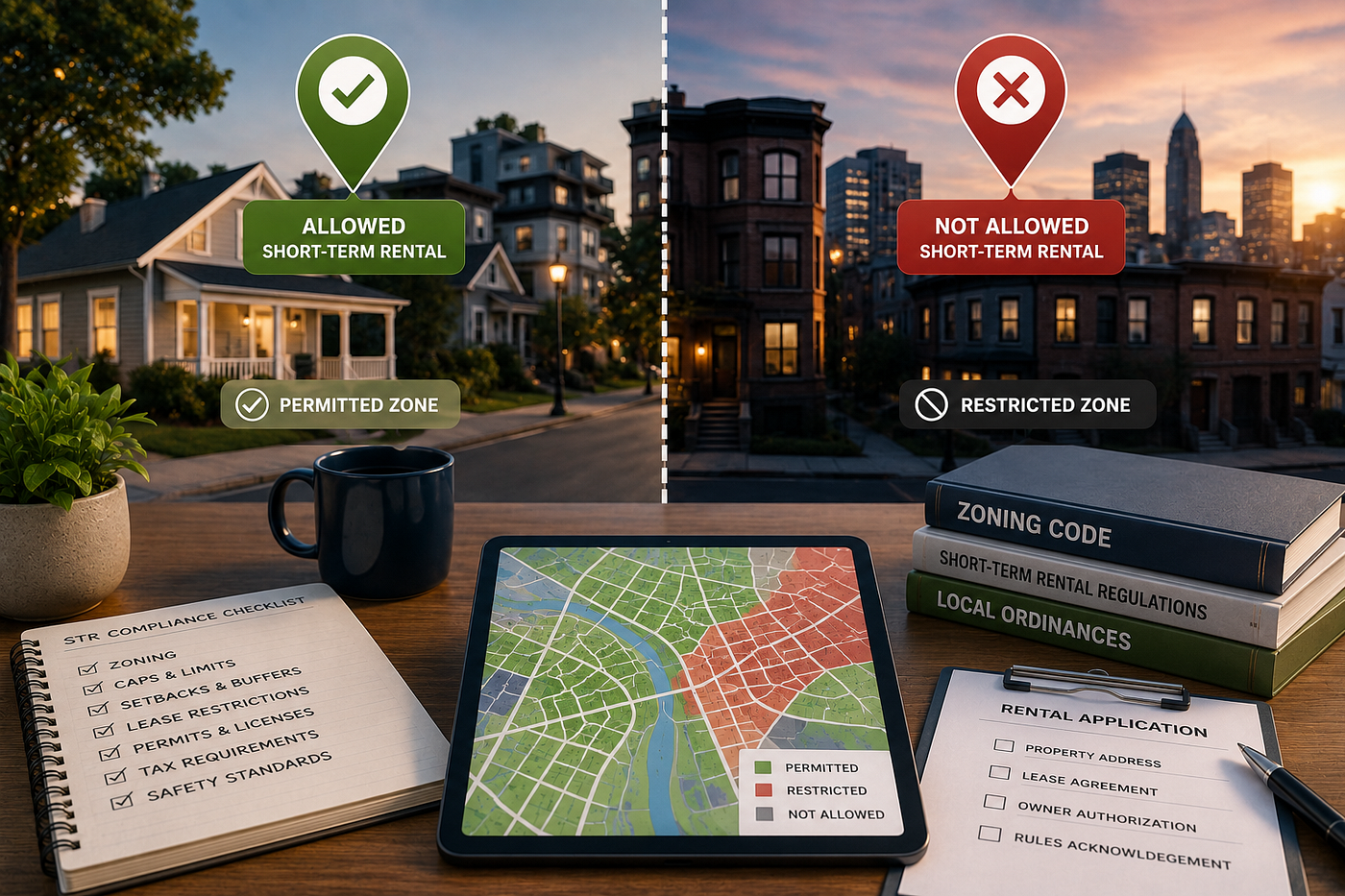
Not every unregistered property is missing the same thing. Some hosts have no business registration at all. Others registered under the wrong business category, specifically KBLI 68111, which covers long-term leasing rather than short-term accommodation. That means they are registered but still not authorized for STR operations. Zoning is another major issue. Short-term rental licenses are only available in tourism-designated zones. If your property sits in a residential, agricultural, or conservation zone, you may not be able to get legal approval regardless of how long you have been hosting.
What Fully Compliant Looks Like in Bali
Compliance in Bali is not just about one license. Authorities are reviewing the full picture, which includes:
- NIB registration (your basic business registration)
- The correct KBLI classification for short-term accommodation
- A TDUP or Pondok Wisata license (your actual operating permit)
- Tourism zoning eligibility for your property
- NPWPD registration (a local taxpayer number, separate from your national tax ID)
- Monthly PHR remittances (the Hotel and Restaurant Tax, due by the 15th of each following month)
- Paid PBB obligations (annual land and building tax)
- STM guest reporting for every foreign guest within 24 hours of arrival
One thing that surprises a lot of hosts: Airbnb does not automatically collect and remit the PHR tax in Bali. That responsibility sits with you as the operator.
What This Means for Your Listing Right Now
If your property is not fully registered and tax-compliant, the risk is no longer theoretical. Platforms are actively verifying listings, and unregistered properties are being removed from search results. The good news is that if you are compliant, the market is about to get less crowded. As non-compliant listings exit, legally operating properties stand to gain better visibility and more bookings.
What Hosts Should Do Right Now
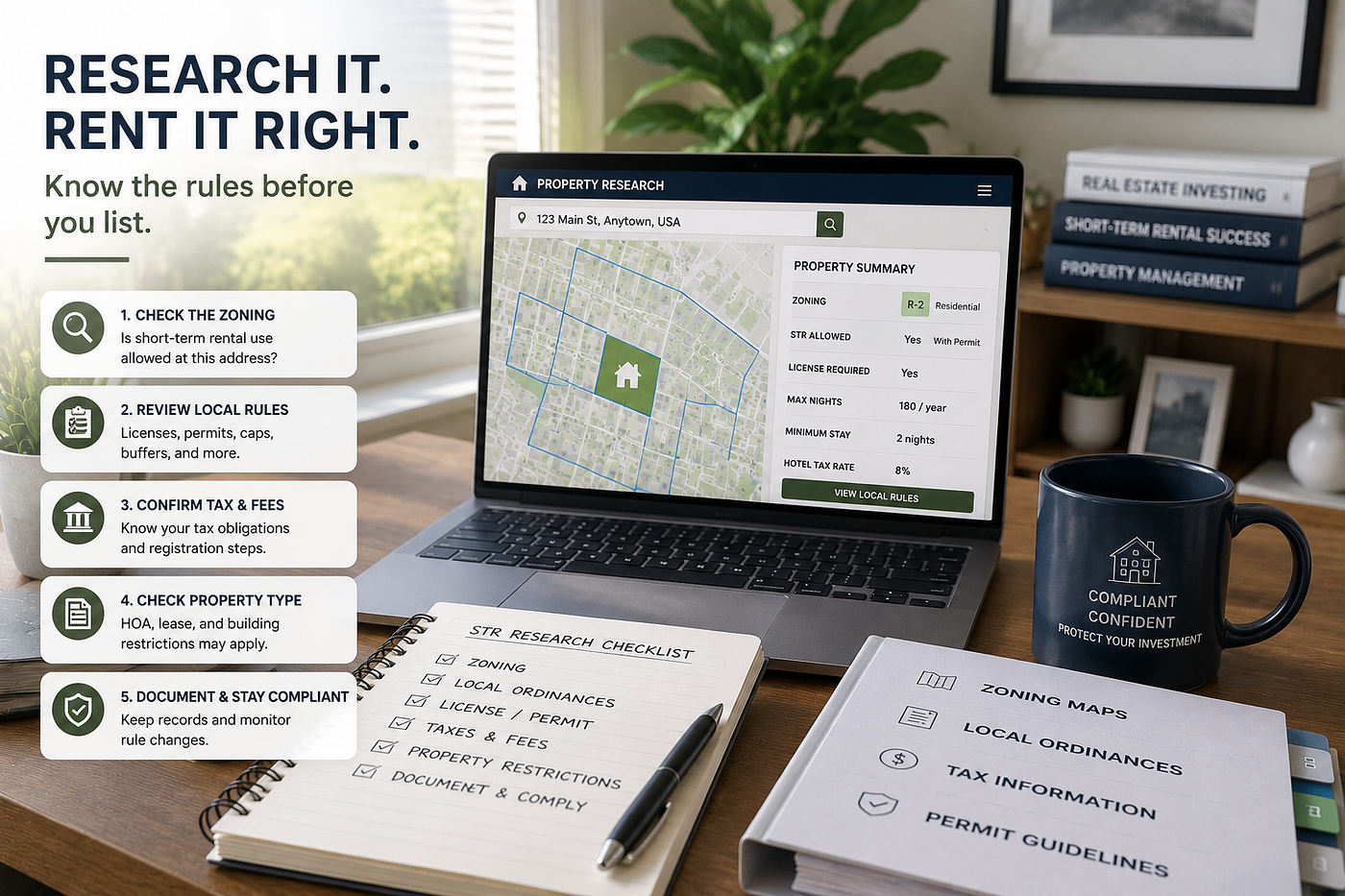
1. Confirm your KBLI classification is correct: Being registered is not enough if you are under the wrong category. 2. Check your zoning status: If your property is not in a tourism zone, licensing may not be possible without restructuring. 3. Register for your NPWPD if you have not already: Operating with a license but no local tax number still leaves you exposed. 4. Set up a PHR remittance process: Monthly filings are required and the platform is not handling this for you. 5. Confirm your STM guest reporting is in place: Every foreign guest must be reported within 24 hours of arrival.
Bali’s STR market is being restructured in real time. Authorities have the tools to verify compliance directly through booking platforms, and the grace period is over. Whether you have been hosting for one year or ten, now is the time to confirm that everything is in order. Lodge Compliance tracks STR rules, licensing, and tax requirements across 80,000+ jurisdictions worldwide. Not sure where to start? Get your free property compliance report at lodgecompliance.com
메타데이터
- post_id
- a2ec054bacbc
- slug
- bali-str-compliance-2026-licensing-taxes-and-platform-verification-rules-for-airbnb-hosts-a2ec054bacbc
- url
- https://resources.lodgecompliance.com/bali-str-compliance-2026-licensing-taxes-and-platform-verification-rules-for-airbnb-hosts-a2ec054bacbc
- canonical_url
- https://resources.lodgecompliance.com/bali-str-compliance-2026-licensing-taxes-and-platform-verification-rules-for-airbnb-hosts-a2ec054bacbc
- author_url
- https://medium.com/@taraomotere
- status
- ok
- fetched_at
- 2026-07-09 13:13:48