Lung Cancer: 9 Ways of Cancer Symptoms, Causes, Diagnosis, Treatment, Prevention, and the Latest…
Lung Cancer
Lung Cancer: 9 Ways of Cancer Symptoms, Causes, Diagnosis, Treatment, Prevention, and the Latest Medical Advances
Lung Cancer
Meta Title: Lung Cancer: Symptoms, Causes, Treatment & Prevention Guide (2026) Meta Description: Learn everything about lung cancer, including symptoms, causes, diagnosis, treatment options, prevention strategies, and the latest evidence-based medical advances.
Primary Keyword: Lung Cancer
Table of Contents
- What Is Lung Cancer?
- Why Lung Cancer Is a Global Health Concern
- How the Lungs Work
- Types of Lung Cancer
- Symptoms of Lung Cancer
- Causes of Lung Cancer
- Risk Factors
- Who Is Most at Risk?
- Importance of Early Detection
What Is Lung Cancer?
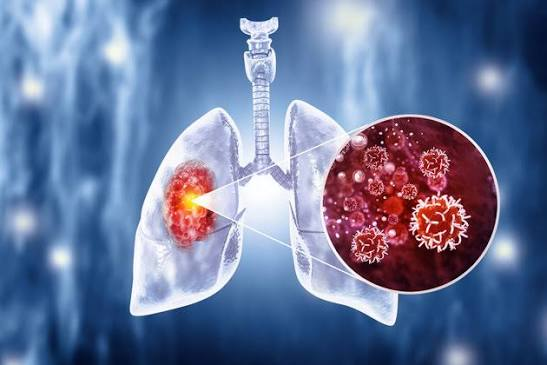
Lung cancer is a disease in which abnormal cells in the lungs grow uncontrollably and form tumors. These abnormal cells can interfere with normal lung function and, if untreated, may spread to other parts of the body through the bloodstream or lymphatic system.
According to the World Health Organization (WHO), lung cancer is one of the most commonly diagnosed cancers worldwide and remains one of the leading causes of cancer-related deaths. A major reason is that it is often diagnosed at a later stage, when symptoms may become more noticeable.
Advances in medical research have improved screening, diagnosis, surgery, radiation therapy, targeted therapy, and immunotherapy. Early detection and individualized treatment have contributed to better outcomes for many patients.
Cigarette smoking is the strongest risk factor; people who have never smoked can also develop lung cancer. Environmental exposures, genetic factors, and other health conditions can also contribute to risk.
Why Lung Cancer Awareness Matters
Increasing awareness of lung cancer can help people recognize symptoms earlier and understand the importance of prevention and screening. Awareness encourages people to:
- Recognize early warning signs.
- Understand personal risk factors.
- Avoid tobacco products.
- Reduce exposure to harmful environmental pollutants where possible.
- Discuss screening with a healthcare provider if they are at increased risk.
- Seek medical evaluation promptly for persistent respiratory symptoms.
Early diagnosis often provides more treatment options than diagnosis after the disease has advanced.
Understanding How the Lungs Work
The lungs are two spongy organs located inside the chest. Their primary function is to exchange oxygen and carbon dioxide. Important structures include:
- Airways (bronchi)
- Smaller airways (bronchioles)
- Air sacs (alveoli)
- Blood vessels
- Pleura (protective lining around the lungs)
Most lung cancers begin in the cells lining the airways.
Main Types of Lung Cancer

Doctors generally divide lung cancer into two major categories because they behave differently and are treated differently.
1. Non-Small Cell Lung Cancer (NSCLC)
Non-small cell lung cancer accounts for most lung cancer cases. Major subtypes include:
Adenocarcinoma
- Most common subtype.
- Often develops in the outer parts of the lungs.
- Occurs in both smokers and non-smokers.
Squamous Cell Carcinoma
Usually develops near the central airways. It has historically been strongly associated with cigarette smoking.
Large Cell Carcinoma
This is a less common subtype that can occur in different areas of the lungs and may grow relatively quickly.
2. Small Cell Lung Cancer (SCLC)
Small cell lung cancer is generally more aggressive than NSCLC. Characteristics include:
- Rapid growth.
- Higher likelihood of early spread.
- Strong association with cigarette smoking.
Because of its behavior, treatment often differs from that used for non-small cell lung cancer.
Symptoms of Lung Cancer
Early lung cancer may not cause noticeable symptoms. As the disease progresses, symptoms can include:
- Persistent cough that does not improve.
- Coughing up blood.
- Chest pain.
- Shortness of breath.
- Wheezing.
- Hoarseness.
- Frequent lung infections such as pneumonia or bronchitis.
- Unexplained weight loss.
- Fatigue.
- Loss of appetite.
If lung cancer spreads, additional symptoms may occur depending on the affected organs, such as bone pain or neurological symptoms. These symptoms are not unique to lung cancer and can be caused by other medical conditions. Anyone experiencing persistent or concerning symptoms should seek medical evaluation.
Causes of Lung Cancer
Lung cancer develops because genetic changes in lung cells disrupt normal growth and repair processes. These changes may result from:
- Tobacco smoke exposure.
- Radon gas.
- Air pollution.
- Occupational exposure to certain chemicals.
- Previous radiation exposure to the chest.
- Genetic factors.
- Random DNA changes that occur over time.
In many individuals, more than one factor contributes to risk.
Major Risk Factors

Smoking
Smoking remains the leading preventable cause of lung cancer. Risk increases with:
- Number of cigarettes smoked.
- Years of smoking.
- Continued tobacco use.
Quitting smoking reduces the risk over time, although former smokers may still remain at higher risk than people who have never smoked.
Secondhand Smoke
People regularly exposed to tobacco smoke from others also have an increased risk of developing lung cancer. Reducing exposure to secondhand smoke benefits overall health.
Radon Gas
Radon is a naturally occurring radioactive gas that can accumulate inside buildings. Long-term exposure is a recognized cause of lung cancer, particularly in combination with smoking. Testing homes for radon may be recommended in areas where elevated levels are common.
Air Pollution
According to the World Health Organization, long-term exposure to air pollution contributes to the risk of lung cancer as well as heart and respiratory diseases. Reducing exposure where feasible and supporting cleaner air initiatives are important public health measures.
Occupational Exposure
Certain workplace substances can increase lung cancer risk, including:
- Asbestos
- Silica dust
- Diesel exhaust
- Arsenic
- Chromium
- Nickel
Employers should follow occupational safety standards to reduce exposure.
Who Is Most at Risk?
Risk is generally higher among:
- Current smokers.
- Former smokers.
- Older adults.
- People exposed to secondhand smoke.
- Individuals with prolonged occupational exposure to carcinogens.
- People living in homes with elevated radon levels.
- Individuals with a personal or family history of lung cancer.
Having one or more risk factors does not mean someone will definitely develop lung cancer, and some people diagnosed have no identifiable risk factors.
Why Early Detection Matters
Early detection improves the chance of treating lung cancer before it spreads. Potential benefits include:
- More treatment options.
- Better surgical outcomes.
- Earlier access to targeted therapies when appropriate.
- Improved quality of life for many patients.
Some people at high risk may be eligible for low-dose CT (LDCT) screening, depending on their age, smoking history, and local medical guidelines. Screening decisions should be made in consultation with a qualified healthcare provider.
Lung Cancer: Diagnosis, Treatment
- Lung Cancer Diagnosis
- Imaging Tests
- Low-Dose CT Screening
- PET-CT
- Bronchoscopy
- Lung Biopsy
- TNM Staging System
- Surgery
- Radiation Therapy
- Chemotherapy
- Targeted Therapy
- Immunotherapy
- Precision Medicine
- Latest Evidence-Based Advances in Lung Cancer Care
How Is Lung Cancer Diagnosed?

Diagnosing lung cancer involves a combination of medical history, physical examination, imaging tests, laboratory analysis, and tissue sampling. The goal is to determine whether cancer is present, identify its type, and understand how far it has spread. This information helps healthcare professionals develop the most appropriate treatment plan. Early diagnosis is important because treatment options are often broader when lung cancer is detected before it has spread extensively.
Medical History and Physical Examination
The diagnostic process usually begins with a healthcare provider asking about:
- Persistent cough
- Chest pain
- Shortness of breath
- Smoking history
- Family history of lung cancer
- Occupational exposures
- Previous lung diseases
- Weight loss or fatigue
During the physical examination, the healthcare provider may listen to the lungs, check breathing, and assess overall health.
Chest X-ray
A chest X-ray is often one of the first imaging tests performed when lung cancer is suspected. It can help identify:
- Lung masses
- Areas of infection
- Fluid around the lungs
- Enlarged lymph nodes
A chest X-ray cannot confirm lung cancer, and small tumors may not always be visible.
Low-Dose CT (LDCT) Screening
Low-dose computed tomography (LDCT) uses a lower radiation dose than a standard CT scan to create detailed images of the lungs.
According to recommendations from many expert organizations, LDCT screening may be appropriate for certain people at higher risk of lung cancer, such as individuals with a significant smoking history. Screening decisions should always be based on current clinical guidelines and discussions with a healthcare provider. LDCT can detect some lung cancers before symptoms appear, when treatment may be more effective.
CT Scan (Computed Tomography)
A CT scan provides much more detailed images than a standard X-ray. Doctors use CT scans to:
- Measure tumor size
- Evaluate nearby lymph nodes
- Detect additional lung abnormalities
- Guide biopsy procedures
- Monitor response to treatment
CT imaging plays a central role in lung cancer diagnosis and staging.
PET-CT scan
Positron Emission Tomography combined with CT (PET-CT) helps identify areas of increased metabolic activity that may indicate cancer. PET-CT is commonly used to:
- Determine whether cancer has spread
- Evaluate lymph nodes
- Assess distant organs
- Assist in treatment planning
PET-CT does not replace a biopsy but provides valuable information about the extent of disease.
Bronchoscopy
Bronchoscopy allows a specialist to examine the airways using a thin, flexible tube equipped with a light and camera. During the procedure, the doctor may:
- Inspect abnormal areas
- Collect tissue samples
- Obtain fluid samples for laboratory analysis
Bronchoscopy is especially useful for tumors located near the central airways.
Lung Biopsy
A biopsy is the only way to confirm a diagnosis of lung cancer. Different biopsy methods include:
Needle Biopsy
A thin needle removes tissue from the lung, often using CT guidance.
Bronchoscopic Biopsy
Tissue is collected during bronchoscopy.
Surgical Biopsy
In some situations, surgery may be needed to obtain enough tissue for diagnosis. The biopsy sample is examined by a pathologist to determine:
- Whether cancer is present
- Cancer subtype
- Tumor characteristics
- Biomarker information
Biomarker and Molecular Testing
Modern lung cancer care increasingly relies on molecular testing, particularly for non-small cell lung cancer. Laboratory testing may identify specific genetic or molecular changes that help guide treatment decisions. Examples include alterations involving genes such as:
- EGFR
- ALK
- ROS1
- BRAF
- KRAS
- MET
- RET
Not every patient has these alterations, and treatment recommendations depend on the results of comprehensive testing.
Understanding Lung Cancer Staging
Staging describes how much cancer is present and whether it has spread. Doctors commonly use the TNM staging system.
T (Tumor)
Describes:
- Tumor size
- Location
- Growth into nearby tissues
N (Nodes)
Indicates whether cancer has spread to nearby lymph nodes.
M (Metastasis)
Shows whether cancer has spread to distant parts of the body. The TNM classification helps determine the overall stage and supports treatment planning.
Lung Cancer Stages
Stage I
- Small tumor
- Confined to the lung
- No spread to nearby lymph nodes
Treatment often focuses on surgery when appropriate.
Stage II
- Larger tumor and/or limited spread to nearby lymph nodes
Treatment may include surgery combined with other therapies.
Stage III
- Cancer has spread to nearby lymph nodes or surrounding structures
Treatment may involve combinations of chemotherapy, radiation therapy, surgery in selected cases, targeted therapy, or immunotherapy depending on individual circumstances.
Stage IV
Cancer has spread to distant organs such as:
- Brain
- Bones
- Liver
- Adrenal glands
Although metastatic lung cancer is generally not considered curable, modern therapies can often help control the disease, reduce symptoms, and improve quality of life.
Lung Cancer Treatment Options
Treatment depends on:
- Cancer type
- Stage
- Tumor location
- Molecular characteristics
- Overall health
- Patient preferences
Many patients receive a combination of treatments.
Surgery
Surgery is most commonly used for early-stage non-small cell lung cancer when the tumor can be safely removed. Common surgical procedures include:
Wedge Resection
Removes the tumor and a small margin of surrounding lung tissue.
Segmentectomy
Removes a larger section of the lung while preserving as much healthy tissue as possible.
Lobectomy
Removes one lobe of the lung. This is often the preferred operation for many early-stage tumors when feasible.
Pneumonectomy
Removes an entire lung. This procedure is reserved for selected cases when necessary.
Radiation Therapy
Radiation therapy uses high-energy beams to destroy cancer cells. It may be used:
- Before surgery in selected situations
- After surgery
- As the primary treatment when surgery is not appropriate
- To relieve symptoms caused by advanced cancer
Modern radiation techniques, such as stereotactic body radiation therapy (SBRT), allow highly precise treatment for selected patients.
Chemotherapy
Chemotherapy uses medicines that travel through the bloodstream to destroy rapidly growing cancer cells. It may be given:
- Before surgery
- After surgery
- Together with radiation therapy
- For advanced lung cancer
Possible side effects vary depending on the medications used and can often be managed with supportive care.
Targeted Therapy
Targeted therapy attacks specific molecular changes found in some lung cancers. Patients whose tumors have certain genetic alterations may benefit from medicines designed to target those changes. This personalized approach has improved outcomes for many people with advanced non-small cell lung cancer.
Immunotherapy
Immunotherapy helps the body’s immune system recognize and attack cancer cells. For selected patients, immunotherapy has become an important treatment option for both advanced and some earlier-stage lung cancers, depending on tumor characteristics and current clinical guidelines. Not every patient is a candidate, and treatment decisions are individualized.
Precision Medicine
One of the most important developments in lung cancer care is precision medicine. Rather than treating every tumor the same way, doctors increasingly use:
- Biomarker testing
- Genetic profiling
- Molecular analysis
These approaches help identify therapies that are more likely to benefit a particular patient while avoiding treatments that may be less effective.
Recent Advances in Lung Cancer Research
Research continues to improve diagnosis and treatment. Current areas of investigation include:
Artificial Intelligence (AI)
AI is being studied to help interpret lung imaging, identify suspicious nodules, and support radiologists. These tools are intended to assist, not replace clinical judgment.
Liquid Biopsy
Researchers continue to evaluate blood-based tests that may detect tumor DNA and help monitor treatment response in certain situations.
New Targeted Medicines
Scientists are developing therapies for additional genetic alterations and mechanisms of drug resistance.
Combination Treatments
Clinical trials continue to evaluate combinations of immunotherapy, chemotherapy, targeted therapy, and radiation to improve outcomes for selected patients.
Lung Cancer: Prevention and the Latest Medical Advances
The final section will cover:
- Can Lung Cancer Be Prevented?
- Smoking Cessation
- Air Pollution and Lung Health
- Healthy Lifestyle Tips
- Living With Lung Cancer
- Emotional Support
- Nutrition During Treatment
- Common Myths and Facts
- 10 Frequently Asked Questions
- Conclusion
- References to WHO and other trusted health organizations
Can Lung Cancer Be Prevented?
Lung cancer cannot always be prevented, many cases are linked to risk factors that can be reduced. According to the World Health Organization (WHO), avoiding tobacco smoke is the single most effective way to lower the risk of lung cancer. Healthy lifestyle choices, reducing exposure to harmful substances, and following recommended screening guidelines for eligible individuals may also help reduce risk or support earlier detection.
Practical Ways to Lower Your Risk
- Do not smoke or vape tobacco products.
- If you smoke, seek support to quit.
- Avoid secondhand smoke whenever possible.
- Test your home for radon if recommended in your region.
- Follow workplace safety guidelines when exposed to dust or chemicals.
- Stay physically active.
- Eat a balanced diet rich in fruits, vegetables, whole grains, and lean proteins.
- Limit exposure to outdoor air pollution when possible, especially on days with poor air quality.
- Attend recommended health checkups and discuss screening if you are at increased risk.
These measures cannot eliminate the risk, but they contribute to better overall health and may reduce the likelihood of developing lung cancer.
Smoking and Lung Cancer
Smoking remains the largest preventable cause of lung cancer. Cigarette smoke contains many chemicals known to damage DNA and increase the risk of cancer.
Benefits of quitting smoking include:
- Lower risk of lung cancer over time.
- Improved lung function.
- Better heart health.
- Reduced risk of chronic lung diseases.
- Improved effectiveness of some cancer treatments if cancer develops.
- Better overall quality of life.
Quitting smoking can be challenging, but healthcare professionals can recommend counseling, medications, or nicotine replacement therapies to improve the chances of success.
Air Pollution and Lung Health
Air pollution is recognized as a health risk and has been associated with lung cancer and other respiratory diseases. Ways to reduce exposure include:
- Monitoring local air quality reports.
- Reducing outdoor activity when pollution levels are high, if possible.
- Supporting clean-air initiatives in your community.
- Following occupational safety measures in workplaces with dust or chemical exposure.
While individuals cannot control all environmental factors, reducing exposure where feasible is beneficial.
Living With Lung Cancer
A diagnosis of lung cancer affects physical, emotional, and social well-being. Many people continue to work, spend time with loved ones, and pursue meaningful activities during treatment, although experiences vary. Helpful strategies include:
- Attend all medical appointments.
- Take medications as prescribed.
- Report new symptoms or side effects promptly.
- Stay as physically active as recommended by your healthcare provider.
- Maintain a nutritious eating pattern.
- Rest when needed.
- Seek emotional support from trusted family, friends, counselors, or support groups.
Open communication with your healthcare team helps ensure that symptoms and treatment side effects are managed appropriately.
Nutrition During Lung Cancer Treatment
Good nutrition supports strength, recovery, and overall well-being during treatment. A balanced diet may include:
- Fruits and vegetables.
- Whole grains.
- Lean protein sources such as fish, beans, eggs, or poultry.
- Healthy fats from nuts, seeds, and olive oil.
- Adequate fluids to stay hydrated.
Some treatments may affect appetite or swallowing. A registered dietitian or healthcare provider can offer personalized nutritional guidance if needed.
Emotional Well-Being
Living with lung cancer can bring uncertainty, stress, and emotional challenges. Feeling anxious, sad, or overwhelmed is common. Healthy ways to cope include:
- Talking with trusted family members or friends.
- Joining a lung cancer support group.
- Speaking with a psychologist, counselor, or social worker.
- Practicing relaxation techniques such as mindfulness or breathing exercises.
- Staying connected with activities that bring enjoyment and purpose.
Seeking emotional support is an important part of comprehensive cancer care.
Common Myths and Facts About Lung Cancer
Myth: Only smokers develop lung cancer.
Fact: Smoking is the leading risk factor, but people who have never smoked can also develop lung cancer.
Myth: A cough always means lung cancer.
Fact: Most coughs are caused by infections, allergies, or other non-cancerous conditions. A persistent cough should be evaluated by a healthcare professional.
Myth: Lung cancer is always fatal.
Fact: Outcomes vary depending on the type of cancer, stage at diagnosis, and response to treatment. Many people benefit from advances in surgery, targeted therapy, immunotherapy, and other treatments.
Myth: If there are no symptoms, there is no lung cancer.
Fact: Early-stage lung cancer may not cause noticeable symptoms. This is why screening may be recommended for some high-risk individuals.
Myth: Surgery is the only treatment.
Fact: Treatment may include surgery, radiation therapy, chemotherapy, targeted therapy, immunotherapy, or combinations of these approaches, depending on the individual’s diagnosis.
FAQs.
1. What is the first symptom of lung cancer?
Early lung cancer may not cause symptoms. When symptoms occur, a persistent cough is one of the most common. Other possible signs include chest pain, coughing up blood, shortness of breath, hoarseness, and unexplained weight loss.
2. Can non-smokers get lung cancer?
Yes. Lung cancer can occur in people who have never smoked. Factors such as radon exposure, air pollution, inherited genetic changes, and certain occupational exposures may contribute to risk.
3. Is lung cancer curable?
Some early-stage lung cancers can be treated successfully with surgery and other therapies. For advanced lung cancer, treatment often focuses on controlling the disease, relieving symptoms, and improving quality of life. The outlook varies from person to person.
4. How is lung cancer detected early?
For people at higher risk, low-dose CT (LDCT) screening may help detect lung cancer before symptoms develop. Screening recommendations depend on individual risk factors and should be discussed with a healthcare provider.
5. Can quitting smoking still help after many years?
Yes. Quitting smoking provides health benefits at any age. Over time, the risk of lung cancer decreases compared with continuing to smoke, although former smokers may still have a higher risk than people who have never smoked
- Lung cancer is one of the most common cancers worldwide.
- Smoking is the leading preventable cause, but non-smokers can also develop lung cancer.
- Early detection provides more treatment options for many patients.
- Treatment depends on the type, stage, and molecular characteristics of the cancer.
- Modern advances such as targeted therapy, immunotherapy, and precision medicine continue to improve care.
- Healthy lifestyle choices and smoking cessation support overall lung health.
Conclusion
Lung cancer remains a major global health challenge, but significant progress has been made in prevention, early detection, diagnosis, and treatment. Advances in medical science have led to more personalized care, giving many patients access to therapies that were not available just a few years ago.
Recognizing persistent symptoms, understanding personal risk factors, and seeking timely medical evaluation are essential steps in protecting lung health. For individuals at increased risk, discussing screening with a qualified healthcare provider may help detect lung cancer at an earlier stage.
Although no single strategy can completely prevent lung cancer, avoiding tobacco, reducing exposure to harmful substances, maintaining a healthy lifestyle, and following medical advice can contribute to better long-term health.
References
For the most current, evidence-based guidance, consult trusted organizations such as:
- World Health Organization (WHO) — https://www.who.int
- International Agency for Research on Cancer (IARC) — https://www.iarc.who.int
- American Cancer Society (ACS) — https://www.cancer.org
- National Cancer Institute (NCI) — https://www.cancer.gov
- National Comprehensive Cancer Network (NCCN) — https://www.nccn.org
fatimaali3rocket@gmail.com, www.healthandtechnologies.comhttps://healthandtechnologies.com
메타데이터
- post_id
- a32f1979e4cd
- slug
- lung-cancer-9-ways-of-cancer-symptoms-causes-diagnosis-treatment-prevention-and-the-latest-a32f1979e4cd
- url
- https://medium.com/@fatimaali3rocket/lung-cancer-9-ways-of-cancer-symptoms-causes-diagnosis-treatment-prevention-and-the-latest-a32f1979e4cd
- canonical_url
- https://medium.com/@fatimaali3rocket/lung-cancer-9-ways-of-cancer-symptoms-causes-diagnosis-treatment-prevention-and-the-latest-a32f1979e4cd
- author_url
- https://medium.com/@fatimaali3rocket
- status
- ok
- fetched_at
- 2026-08-01 21:05:13