P-Shot London: How Long Until You Notice a Difference?
Most men who pursue a P-Shot treatment in London want a clear, honest timeline — not vague promises. The Priapus Shot, commonly called the…
P-Shot London: How Long Until You Notice a Difference?

Most men who pursue a P-Shot treatment in London want a clear, honest timeline — not vague promises. The Priapus Shot, commonly called the P-Shot or PRP shot for men, uses platelet-rich plasma (PRP) derived from the patient’s own blood to stimulate tissue regeneration in penile structures. It falls within the growing field of regenerative treatment for male health in the UK and is increasingly considered a credible, non-surgical treatment for erectile dysfunction in London and across the country.
Yet timelines vary. Results do not appear overnight. The biological process that underpins the P-Shot depends on cellular repair, collagen remodelling, and angiogenesis — all of which take time. Understanding what drives this timeline helps patients set realistic expectations and make genuinely informed decisions about whether this approach suits their needs.
This article provides a clinically structured overview of how the P-Shot works, what the peer-reviewed evidence says about onset and duration of results, and what factors affect the rate of response. It also addresses cost context for men researching this option in the UK.
What the P-Shot Actually Does Biologically
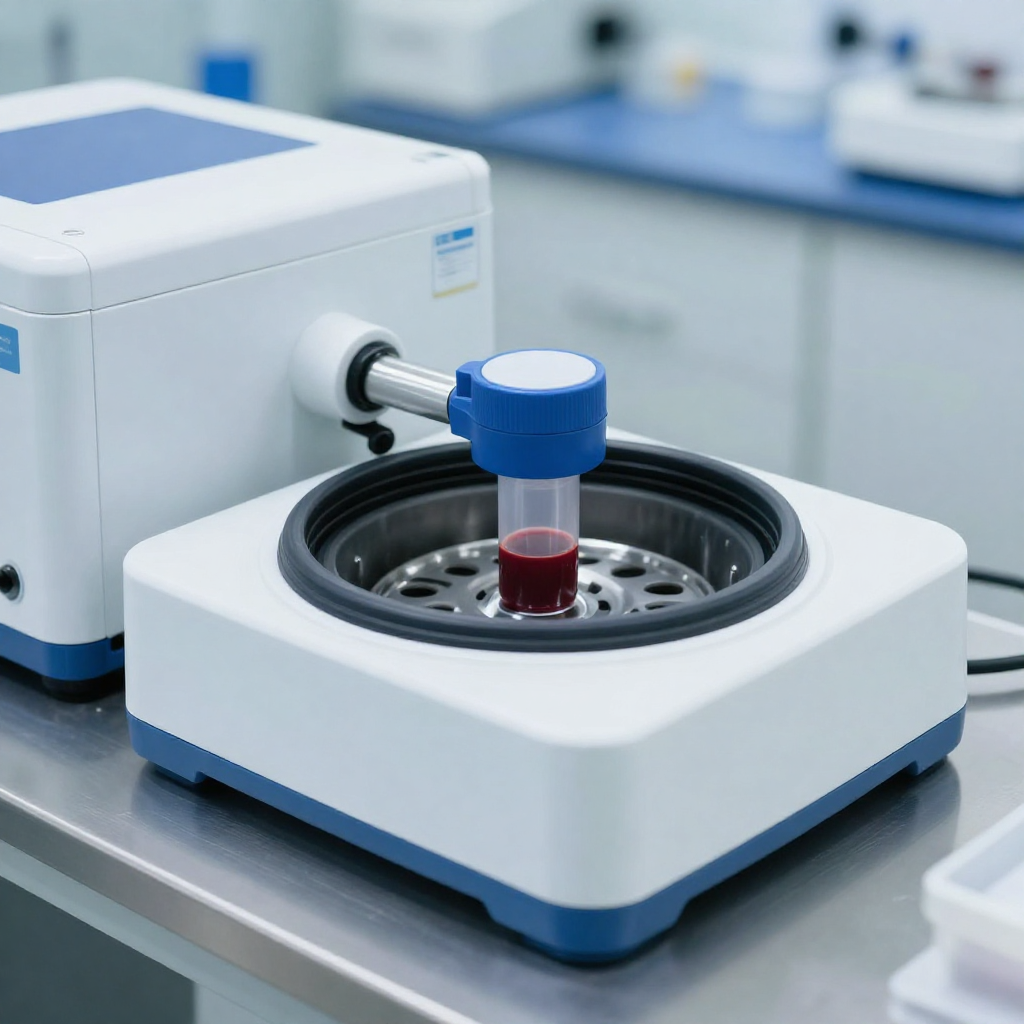
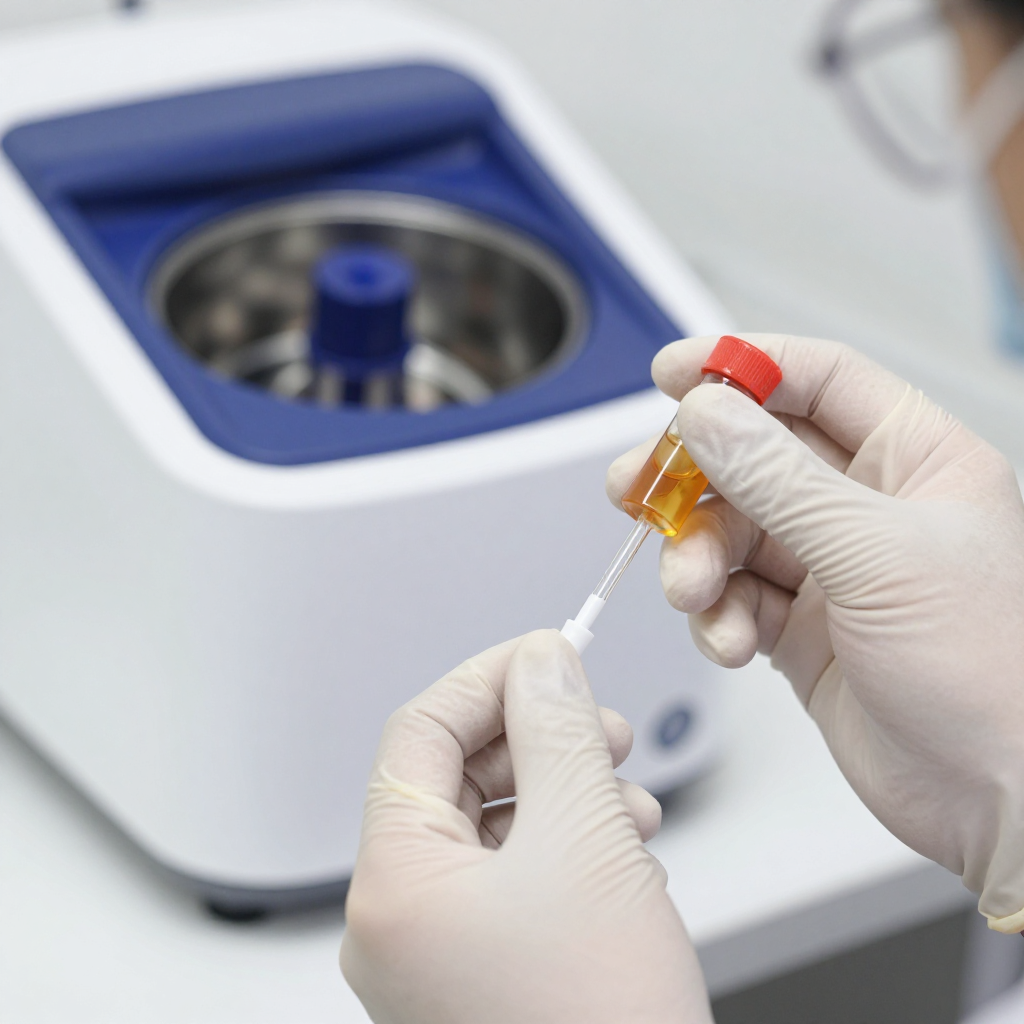
The P-Shot delivers a concentrated PRP preparation directly into erectile tissue. PRP is produced by centrifuging a small sample of the patient’s venous blood to isolate platelets and growth factors. The resulting solution contains a significantly higher platelet concentration than whole blood.
Growth Factors and Tissue Repair
Activated platelets release several growth factors relevant to penile tissue health. These include platelet-derived growth factor (PDGF), vascular endothelial growth factor (VEGF), transforming growth factor beta (TGF-β), and insulin-like growth factor (IGF). These proteins stimulate the proliferation of fibroblasts, trigger new blood vessel formation, and activate stem cell activity within penile smooth muscle and endothelial tissue.
Research published in journals indexed on PubMed (NCBI) supports the role of PRP in promoting angiogenesis and tissue-level repair. A 2021 review in the Annals of Internal Medicine and associated urological literature notes that PRP-based regenerative therapy for ED shows measurable improvement in endothelial function markers and erectile scores in controlled settings. NHS clinical researchers have also flagged PRP therapy for men’s performance issues as a subject warranting further large-scale randomised trials.
Why This Matters for the Timeline
Because the P-Shot works through biological signalling rather than pharmacological action, the response curve is gradual. Unlike oral PDE5 inhibitors such as sildenafil or tadalafil, which act within hours by blocking an enzyme, the advanced PRP solution for erectile dysfunction requires weeks for the underlying tissue changes to accumulate and manifest as functional improvements.
The P-Shot Timeline: What to Expect Week by Week
Note: Individual responses vary. The timeline below reflects patterns described in clinical literature and patient-reported outcome data. It is not a guarantee of specific results.
Days 1 to 7: Immediate Post-Procedure Period
Immediately following a P-Shot London procedure, the treated area may exhibit mild swelling, bruising, or temporary sensitivity. These are normal responses to injection. No meaningful functional improvement is expected in this window. The platelet-rich plasma is in the process of activating and releasing growth factors at the injection site.
Patients should avoid sexual activity, strenuous physical exertion, and non-steroidal anti-inflammatory drugs (NSAIDs) such as ibuprofen during this initial period, as these may interfere with the platelet activation process.
Weeks 2 to 4: Early Biological Activity
This is the phase during which most patients begin to notice subtle changes. Fibroblast activity increases, early collagen deposition begins, and new capillary formation becomes measurable at a cellular level. However, macroscopic improvements in function are not yet consistent at this stage.
Some men who undergo P-shot treatment in this period report mild improvements in morning erections or sensitivity. These early signals reflect the onset of the regenerative process, not its completion.
Weeks 4 to 8: Progressive Improvement
The most significant functional changes tend to appear between one and two months post-treatment. Penile injection growth at the tissue level is accumulating: smooth muscle repair, improved vascular filling, and enhanced nerve sensitivity converge in this window. Men report improvements in erectile firmness, maintenance of erection, and in some cases, modest dimensional changes associated with improved blood engorgement.
P-shot before and after comparisons in clinical assessments typically use validated tools such as the International Index of Erectile Function (IIEF-5) questionnaire. Studies using this measure report statistically significant improvements at the eight-week mark in men with mild to moderate vasculogenic ED.
Weeks 8 to 12: Peak Response
Most patients reach peak effect between 8 and 12 weeks after their initial P-Shot London session. At this stage, collagen remodelling is more complete, new vascularity is established, and penile smooth muscle density has improved. P-shot before and after documentation conducted at this point typically reflects the most pronounced change.
Clinical case series published via NCBI document that a subset of men achieving good response at 12 weeks maintain improvements for 12 to 18 months before a repeat treatment may be considered.
Beyond 12 Weeks: Maintenance and Repeat Sessions
The effects of a single P-shot are not permanent. As regenerated tissue matures and cell turnover continues, the functional benefits gradually diminish. Many men who respond well to PRP therapy for men’s performance issues choose to undergo a second session at 12 to 18 months to maintain the tissue-level improvements achieved.
Some practitioners recommend a two-session protocol spaced four to six weeks apart for patients with moderate ED or more significant tissue changes. The clinical rationale is that sequential PRP injections amplify the initial regenerative signal.
Factors That Affect How Quickly You Notice Results
Not all men respond at the same rate. Several physiological and lifestyle factors influence how quickly — and how noticeably — the P-Shot treatment produces change.
Age and Baseline Tissue Health
Younger men with healthier baseline erectile tissue and better endothelial function typically demonstrate faster responses. Men over 60 with established vascular disease may experience a slower or more modest improvement, as the underlying tissue has less regenerative capacity to build on.
Severity of Erectile Dysfunction
Men with mild to moderate ED driven primarily by vascular insufficiency are considered the best candidates for penile injection growth via PRP. Men with severe neurogenic ED, post-prostatectomy dysfunction, or Peyronie’s disease with dense fibrotic plaques may see different outcomes, and should discuss this in detail with a qualified clinician before proceeding.
Lifestyle and Comorbidities
Smoking, poorly controlled diabetes, and obesity impair endothelial repair and vascular reactivity. These factors slow the regenerative response to PRP-based regenerative therapy for ED. Men who optimise cardiovascular health — through improved diet, regular aerobic exercise, and glycaemic control — before and after treatment may see more pronounced and faster improvements.
Compliance with Post-Treatment Protocol
Some practitioners recommend a vacuum erection device (VED) protocol beginning two weeks after treatment. Consistent use of a VED may enhance tissue stretching and blood engorgement during the remodelling phase, potentially accelerating functional improvement. NICE and NHS clinical guidance do not yet endorse PRP treatment specifically, but VED therapy for ED is recognised as a safe, non-pharmacological adjunct in standard NHS guidance.
PRP Quality and Preparation Method
The platelet concentration and preparation protocol matter. Not all PRP systems produce the same platelet yield. Systems producing higher platelet concentrations (typically 5 to 8 times baseline levels) are generally associated with stronger growth factor release. Practitioners using validated, certified PRP preparation systems may produce more consistent outcomes.
P-Shot Before and After: What the Evidence Actually Shows
Patients researching P-shot before and after outcomes should engage critically with the evidence base. The clinical literature for PRP injection in erectile dysfunction is growing but not yet at the level of large, double-blind randomised controlled trials with thousands of participants.
A 2020 systematic review in the journal Sexual Medicine Reviews examined available PRP studies for erectile dysfunction. The review found consistent signals of improvement in IIEF scores and penile haemodynamic parameters, but noted that sample sizes were generally small, follow-up periods varied, and placebo-controlled arms were rare. The authors called for standardised outcome measures and larger trials.
A separate pilot RCT published via NCBI in 2021 enrolled 60 men with vasculogenic ED and randomised them to either intracavernous PRP injection or placebo saline injection. The PRP group demonstrated statistically significant improvements in IIEF-5 scores at 12 weeks, with no serious adverse events reported. The placebo group showed minimal change. These findings are promising but require replication at scale.
For men considering this as a erectile dysfunction treatment London, it is important to understand that individual response rates vary, and not all patients achieve clinically significant improvement. This should be discussed openly with a qualified clinician.
Cost and Access: P-Shot in the UK
Understanding priapus shot price context is relevant when evaluating this treatment option. The P-Shot is not available on the NHS. It is offered exclusively within private medical settings. Male enlargement injections cost UK-wide varies between clinics and depends on the number of sessions, the PRP system used, and the clinical expertise involved.
For current pricing at pshots clinic uk, visit the official site directly, as fees are subject to update. Patients should be cautious about clinics offering unusually low pricing, as this may reflect compromises in PRP preparation quality or clinical oversight.
Men researching Priapus shot London options should look for practitioners who hold relevant medical qualifications and who conduct thorough pre-treatment assessments including a review of cardiovascular health, medication history, and ED aetiology. A transparent consultation is a strong indicator of clinical credibility.
Dr Syed Nadeem Abbas at pshots clinic uk (a Harley Street-based private clinic) offers P-shot UK consultations within a structured medical framework that includes pre-treatment assessment and post-treatment follow-up.
Frequently Asked Questions
Q1: How soon after a P-Shot can I return to normal activity?
Most men resume light daily activities within 24 to 48 hours. Clinicians typically advise avoiding sexual activity for at least 4 to 7 days following the procedure. Strenuous exercise should be avoided for 3 to 5 days to minimise bruising and swelling at the injection site.
Q2: Is the P-Shot painful?
A topical anaesthetic cream is applied to the treatment area prior to injection. Most patients report mild pressure or brief discomfort rather than significant pain. The procedure is typically completed within 30 to 45 minutes in a clinical setting.
Q3: How many sessions are typically needed?
Many men begin with a single P-shot treatment and reassess at the 8 to 12-week mark. Men with more significant tissue changes or moderate-to-severe ED may benefit from a second session 4 to 6 weeks after the first. Ongoing maintenance sessions are considered at 12 to 18 months for those who respond well initially.
Q4: Can the P-Shot be combined with other ED treatments?
Yes, in many cases. PRP therapy for men’s performance issues can be used alongside PDE5 inhibitors (such as sildenafil or tadalafil), vacuum erection devices, and lifestyle interventions. Some clinicians also consider P-shot treatment as complementary to low-intensity shockwave therapy (Li-ESWT), another non-surgical treatment for erectile dysfunction in London. Combination approaches should always be managed under qualified medical supervision.
Q5: Are there men for whom the P-Shot is not appropriate?
Men on anticoagulant medication, those with active haematological conditions, those with a history of penile implants, and those with severe neurogenic ED may not be suitable candidates. A thorough pre-treatment clinical assessment is essential to determine eligibility and set realistic expectations.
Q6: What is the difference between a pshot and other penile injections?
Unlike intracavernous injections of vasoactive agents (such as alprostadil, used for on-demand erections), the p injection of PRP is a regenerative approach. It aims to restore baseline tissue function over time, rather than create a transient pharmacological effect. These are fundamentally different mechanisms with different risk profiles and suitable patient populations.
Q7: Does the P-Shot produce permanent size changes?
Clinical evidence does not support the claim that PRP injections produce permanent enlargement. Any dimensional changes reported by patients are attributed to improved blood engorgement from enhanced vascular function, rather than structural tissue growth. Men pursuing the P-Shot specifically for size should discuss realistic expectations thoroughly with their clinician.
Conclusion
The P-Shot London is a clinically grounded, biologically plausible approach to men’s intimate health. Its mechanism relies on the body’s own regenerative capacity, which means results follow a biological timeline — gradual, progressive, and influenced by individual physiology. Most men who respond well to natural ED treatment using PRP therapy begin to notice meaningful functional improvements between weeks four and eight, with peak effect generally reached by weeks eight to twelve.
The evidence base, while promising, is still maturing. This is not a treatment to pursue based on exaggerated before-and-after claims or vague assurances. The best outcomes come from a careful clinical assessment, realistic expectations, and commitment to the post-treatment protocol.
Men considering this option should seek a fully qualified medical practitioner, discuss their complete health history, and request clear information on what the treatment can — and cannot — achieve in their specific case. Men’s intimate health treatment in London should always centre on informed consent and individualised clinical judgement.
Ultimately, regenerative medicine in men’s sexual health raises an important clinical question: as longer-term evidence accumulates and PRP preparation technology continues to advance, could PRP-based regenerative therapy for ED eventually be recommended within standard NHS clinical pathways for vasculogenic erectile dysfunction — and what would that mean for the thousands of men in the UK currently underserved by existing treatment options?
메타데이터
- post_id
- a33b5cc7ff1c
- slug
- p-shot-london-how-long-until-you-notice-a-difference-a33b5cc7ff1c
- url
- https://medium.com/@bmac.drsnaclinic/p-shot-london-how-long-until-you-notice-a-difference-a33b5cc7ff1c
- canonical_url
- https://medium.com/@bmac.drsnaclinic/p-shot-london-how-long-until-you-notice-a-difference-a33b5cc7ff1c
- author_url
- https://medium.com/@bmac.drsnaclinic
- status
- ok
- fetched_at
- 2026-07-13 06:23:13