Single Malt vs Blended Whisky — What Actually Matters
Somewhere along the way, “single malt” stopped meaning a production method and started meaning a social signal. You see it on menus next to…
Single Malt vs Blended Whisky — What Actually Matters
Somewhere along the way, “single malt” stopped meaning a production method and started meaning a social signal. You see it on menus next to a price that implies virtue. You hear it in pubs like a password. Blended whisky, meanwhile, gets treated like the house red nobody wants to admit they enjoy.
That’s backwards in a few important ways.
I’ve had single malts that tasted like wet cardboard and ambition. I’ve had blends that tasted like someone carefully built a drink for actual humans. The label category tells you how the whisky was assembled. It does not tell you whether you’ll like it. Once that clicks, the whole shelf gets less intimidating — and a lot more fun.
What the words actually mean
Single malt Scotch comes from one distillery, made from malted barley, distilled in pot stills (that’s the classic copper onion look), and aged in Scotland long enough to legally be Scotch. “Single” refers to the single distillery — not a single cask, and not a single barrel unless the label says so. A bottle of single malt is usually a vatting of many casks from that one place, married to taste like that distillery’s house style.
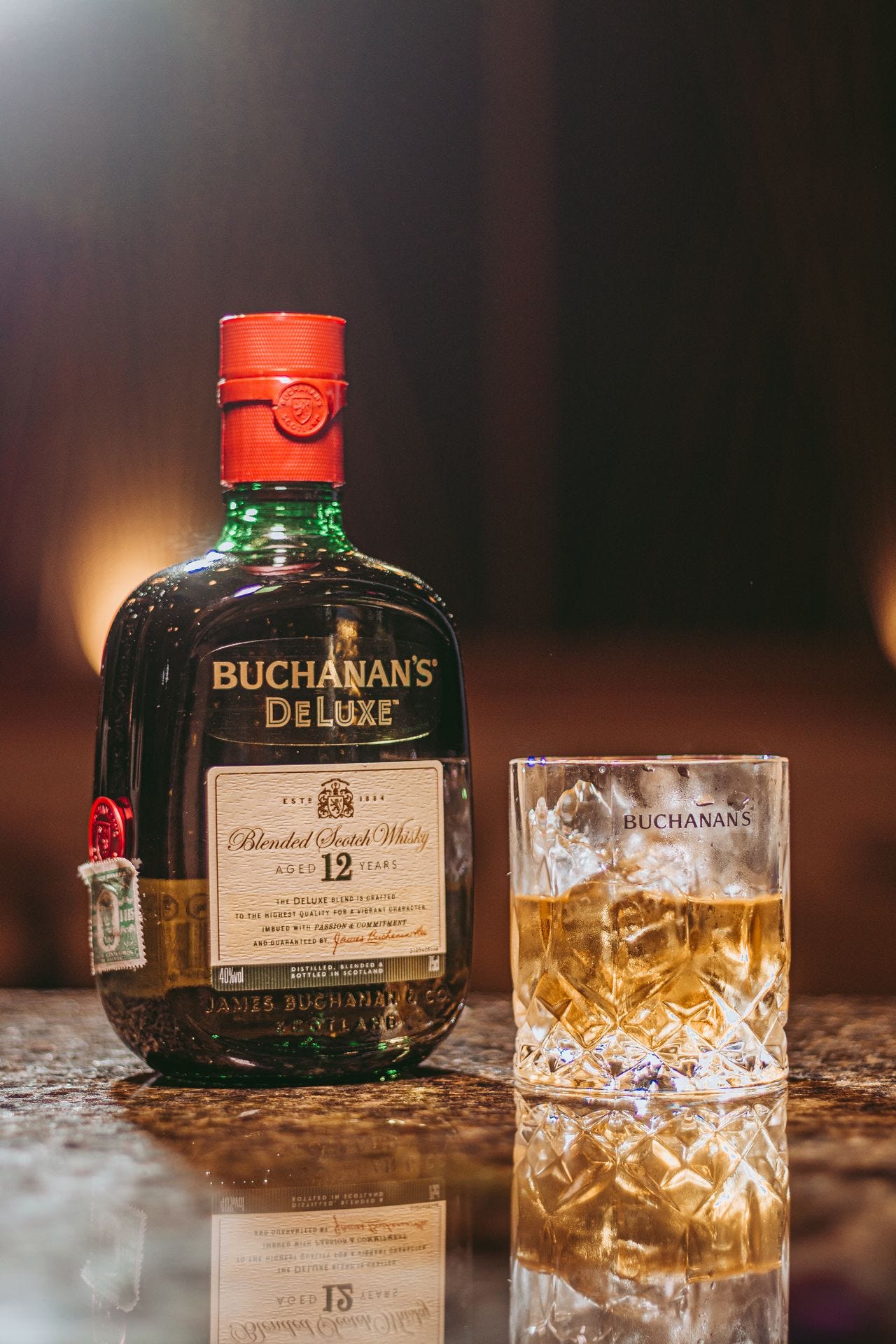
Blended Scotch mixes malt whiskies (from one or more distilleries) with grain whisky. Grain whisky is typically lighter, distilled in column stills, and used as a kind of canvas — not filler in the cartoon-villain sense, but a structural ingredient that softens, lengthens, and steadies the blend. The blender’s job is consistency and balance across years and cask variation.
There’s also blended malt (sometimes still called “vatted malt” by older drinkers): malt whisky from more than one distillery, no grain. And single grain: one distillery, grain whisky. Useful to know. Not required for your next purchase.
If you remember nothing else: single malt = one distillery’s malt character. Blend = a composed drink, often designed to be approachable and repeatable.
Why single malt got the halo
Marketing, mostly — and genuine romance. Distilleries have places you can visit, stories about still shapes, warehouse air, local water. A blend’s story is more industrial: recipes, stocks, a blender tasting hundreds of samples so your bottle tastes like last year’s bottle. That second story is less Instagrammable. It’s also how a lot of great whisky gets made.
Single malt’s variety is real. Speyside fruit bombs, Islay smoke monsters, coastal salt-and-citrus profiles, sherried dried-fruit bombs — you can spend a decade just wandering malt. That range is why enthusiasts obsess. It’s also why beginners sometimes feel like they failed when one famous malt doesn’t click. The category is broad. Your first bottle is a lottery ticket with better odds than most, but still a lottery.
Why blends deserve a seat
Blends built the Scotch industry. They’re what a lot of the world actually drinks. A good blend aims for harmony: enough malt character to taste like whisky with a pulse, enough grain softness to drink without armour.
They’re often better for highballs, for mixing, for “I want a whisky without turning the evening into a seminar.” That’s not a lesser use case. That’s most of life.
Snobs will tell you blends are for people who don’t care. I’d flip it: blends are for people who care about drinkability as much as provenance. Those aren’t mutually exclusive, but they pull in different directions on the shelf.
I’m cooler on the idea that every celebratory pour must be a single malt than most whisky Twitter. If the blend in the glass is delicious, the glass wins.
What actually matters when you’re choosing
Not the badge. These:
Flavour direction. Do you want smoke, sherry sweetness, light orchard fruit, vanilla oak, coastal brine? That question beats “malt or blend” nine times out of ten.
ABV and presentation. Cask strength isn’t automatically better; it’s just louder. Standard 40–43% can be perfect. Higher strength can be thrilling or exhausting depending on the night.
Finish and cask type. Ex-bourbon casks often lean vanilla and citrus. Sherry casks push dried fruit, nuts, chocolate. Wine finishes can get funky (sometimes wonderful, sometimes “why does this taste like a candle?”). Read the back label. It’s more useful than the font on the front.
Your use case. Neat sipping after dinner? Curious tasting flight? Something to keep on the sideboard for guests who “don’t really drink whisky”? Be honest. A showpiece single malt that intimidates half your friends is a weird flex.
When you’re hunting single malts specifically and want a shortlist instead of a map of Scotland, DrinkNeatly’s best single malt Scotch page is a practical starting point — community-weighted, not a trophy cabinet.
A fair tasting that kills the snobbery
Take a well-known blend you can buy anywhere and a mid-range single malt in a style you think you’ll like (fruit-forward Speyside is a kind starter). Same glass type, same pour size, no ice at first.
Nose both. Sip both. Add water if either feels sharp. Then ask: which one do I finish smiling about?
Sometimes the malt wins on personality. Sometimes the blend wins on ease. Occasionally you’ll realise you like both for different nights — which is the correct adult answer, even if it ruins a clean hot take.
Price is a terrible proxy (but here’s how people misuse it)
Single malts often cost more because of brand positioning, tourism, limited stock, and collector heat — not because a committee certified them as spiritually superior. Age statements add cost because time in warehouses isn’t free. Limited editions add cost because scarcity sells.
A £30 blend that tastes composed can outdrink a £70 single malt that tastes thin and oaky. I’ve watched people refuse to believe that while finishing the blend first. Belief is stubborn. Empty bottles are honest.
Independent bottlings of single malt can be brilliant and weird. Supermarket blends can be sleepers. The only reliable method is tasting — or leaning on ratings from people who’ve tasted more than the marketing department.
Browse widely on DrinkNeatly when two bottles are fighting for your wallet; filter by style rather than status symbol.
How I’d stock a small cupboard
If I could only keep three Scotch-related bottles for everyday life:
- A house blend — the one I don’t overthink, for highballs and casual pours.
- A fruit-forward single malt — Speyside or gentle Highland energy, for when I want character without confrontation.
- One wild card — peated, or heavily sherried, or something coastal. For nights when I want the whisky to have opinions.
That mix covers more ground than three “impressive” malts that all taste like variations on oak and honey.
The only hierarchy that matters
There’s no moral ranking between single malt and blended. There’s preference, context, and quality within each lane. Some malts are extraordinary. Some are dull. Same for blends.
Drink what tastes good. Learn the terms so shopkeepers and labels make sense. Ignore anyone who treats your glass like a loyalty card for a distillery postcode.
What actually matters is whether you want another pour. Everything else is packaging.
메타데이터
- post_id
- a360d2cd2e5e
- slug
- single-malt-vs-blended-whisky-what-actually-matters-a360d2cd2e5e
- url
- https://medium.com/@drinkneatly/single-malt-vs-blended-whisky-what-actually-matters-a360d2cd2e5e
- canonical_url
- https://medium.com/@drinkneatly/single-malt-vs-blended-whisky-what-actually-matters-a360d2cd2e5e
- author_url
- https://medium.com/@drinkneatly
- status
- ok
- fetched_at
- 2026-08-10 02:58:44