Why Temporary Support Still Has to Fit
The cushion arrived boxed. A friend swore by it after her surgery, so I propped it behind my back during my own recovery and waited for…
Why Temporary Support Still Has to Fit
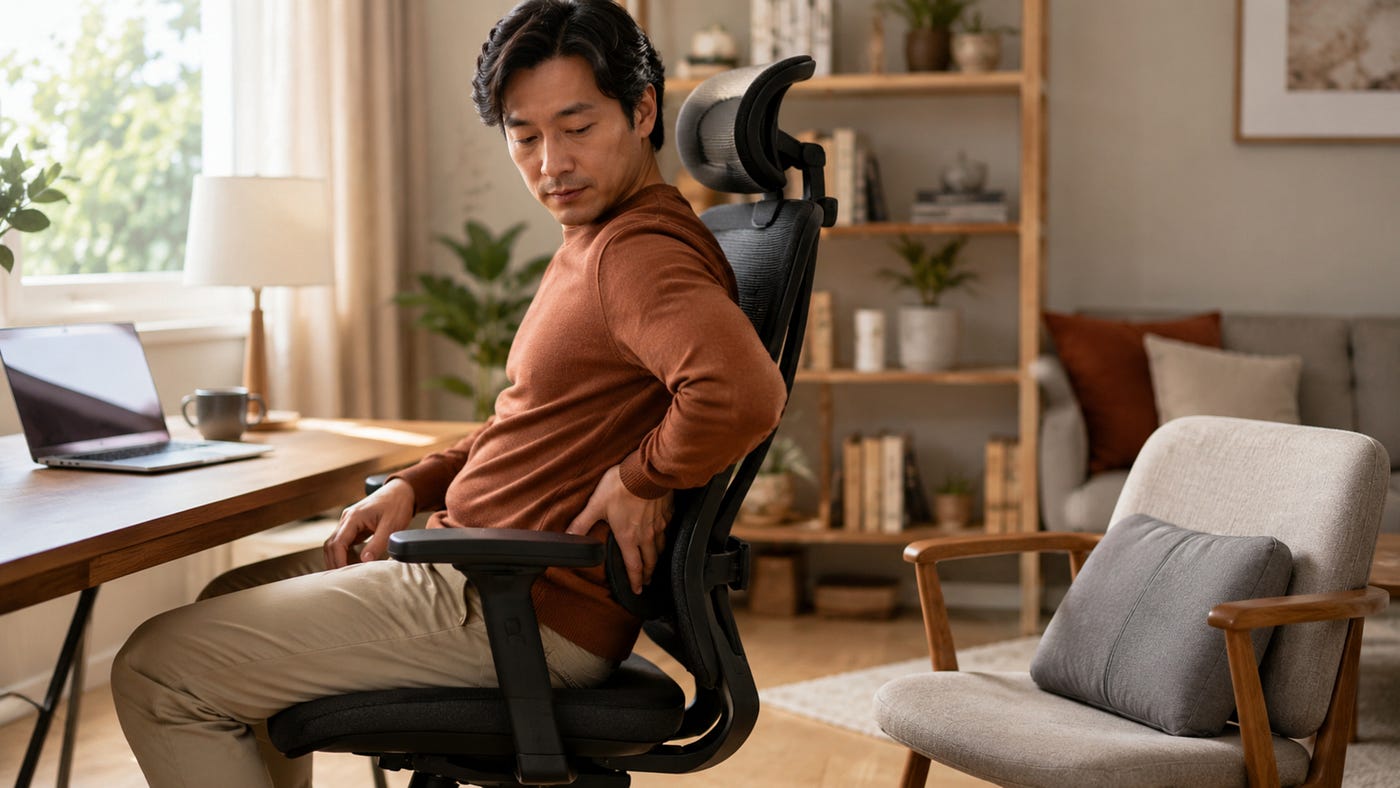
The cushion arrived boxed. A friend swore by it after her surgery, so I propped it behind my back during my own recovery and waited for relief that never quite came, because the cushion was built for her body and not mine. That was the lesson, that temporary support during recovery is still support, and support that does not fit does not help just because it is soft and meant kindly.
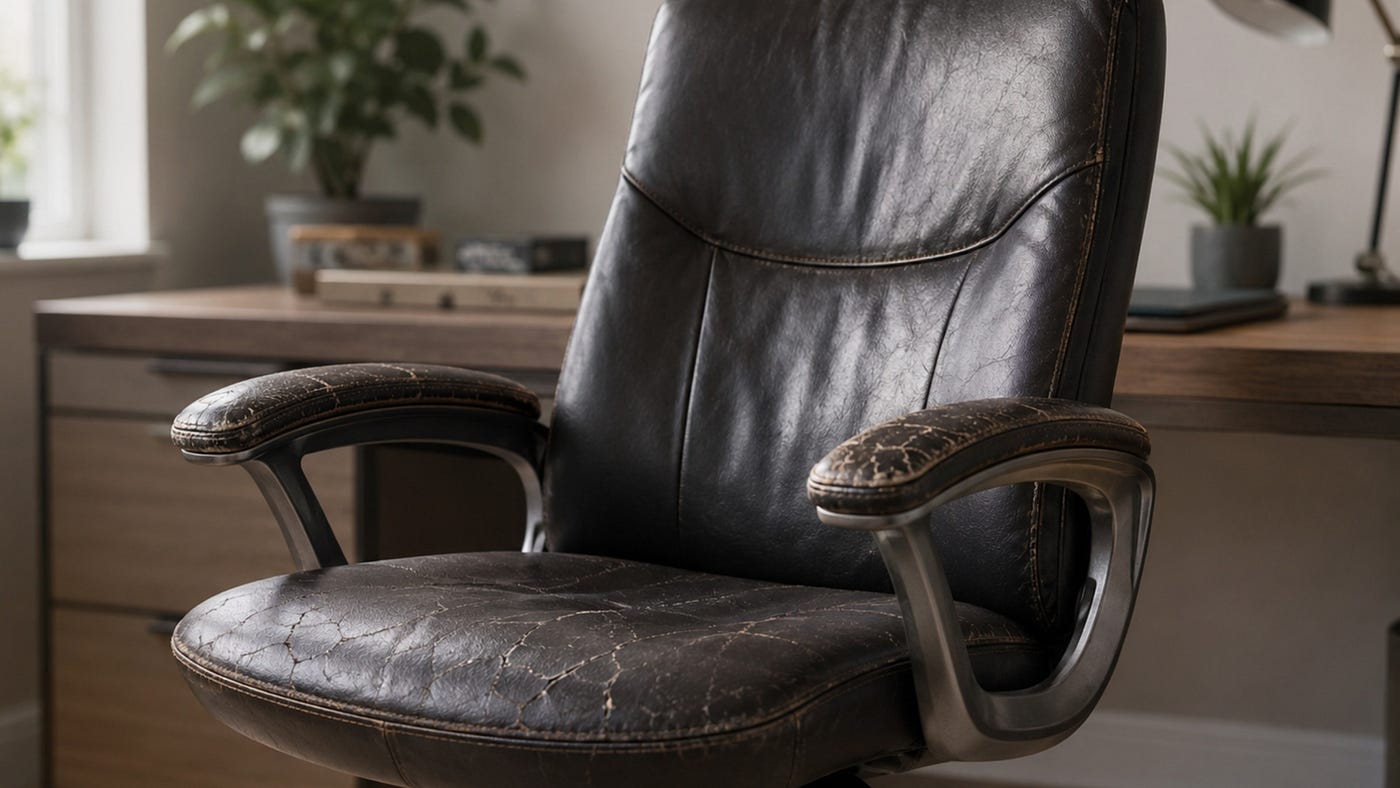
A premium ergonomic chair earns its keep during recovery precisely because it can be fitted to you, and the trouble with most temporary fixes, the borrowed cushion, the soft loaner chair, the wedge from the chemist, is that they are one shape meeting many bodies. Rehabilitation guidance through 2026 keeps stressing that support has to match the individual spine, its height, its curve, its stage of healing, and a generic prop cannot do that. Softness is not the same as fit, and during recovery the difference is the whole thing.
Understanding why fit still matters, even for a temporary aid, is what stops a recovery prop from quietly making things worse.
Why softness is not the same as support
The central confusion during recovery is treating soft as safe, when a soft prop that sits in the wrong place supports nothing and can push you into a worse position. A cushion that is too thick pushes your lower back too far forward, one too thin does nothing, and one placed at the wrong height supports a part of your spine that did not need it while leaving the part that did unsupported.
In my testing, the recovery aids that helped were the ones that matched the person’s back, not the softest ones, because support is about holding a specific curve at a specific height, which softness alone cannot do. A plush cushion in the wrong spot feels nice for a minute and leaves you aching by the hour, since comfort and correct support are not the same measurement. Why the settings that create real fit go untouched is worth understanding, as why most people never adjust their seat explains.
So softness is not support, because support is about matching a curve and a height that a soft prop in the wrong place simply misses.
Why a cushion built for someone else rarely fits
Bodies differ in the height of the lumbar curve, the depth of the back, and the length of the torso, so a cushion shaped for one person often lands wrong on another. What supports a short torso perfectly can push a tall one into an arch, and what suits a deep curve can feel like nothing against a flat back. The prop that transformed a friend’s recovery can do little for yours.
I have handed the same well-loved cushion to two people recovering from similar injuries and watched one find relief and the other find irritation, because their backs were shaped differently. The cushion had not changed, the body meeting it had. This is why borrowed support is a gamble, it carries the shape of the body it was chosen for, and yours is not that body. Fit is personal, and a fixed shape cannot be personal to more than one spine.
So a cushion built for someone else rarely fits, because it carries a shape chosen for a different body than yours.
Why a temporary chair still needs to match you
The same logic applies to a loaner or spare chair pressed into service during recovery. It is tempting to think that because the arrangement is temporary the fit does not matter, but you may sit in that chair for weeks while you heal, and weeks in a misfitting chair is long enough to entrench a bad position rather than support a healing one.
In my testing, the temporary chairs that helped were the ones that could still be adjusted to the person, and the ones that hurt were fixed shapes accepted because they were only meant for a while. Recovery does not run on a short clock, so a chair used through it is not really temporary in the way people assume, and its fit matters as much as a permanent one would. Seeing how a chair is put together helps you judge whether it can fit you, as watch how a chair is built shows.
So a temporary chair still needs to match you, because weeks of recovery is long enough for a misfit to do real harm.
Why weeks in the wrong chair entrench bad habits
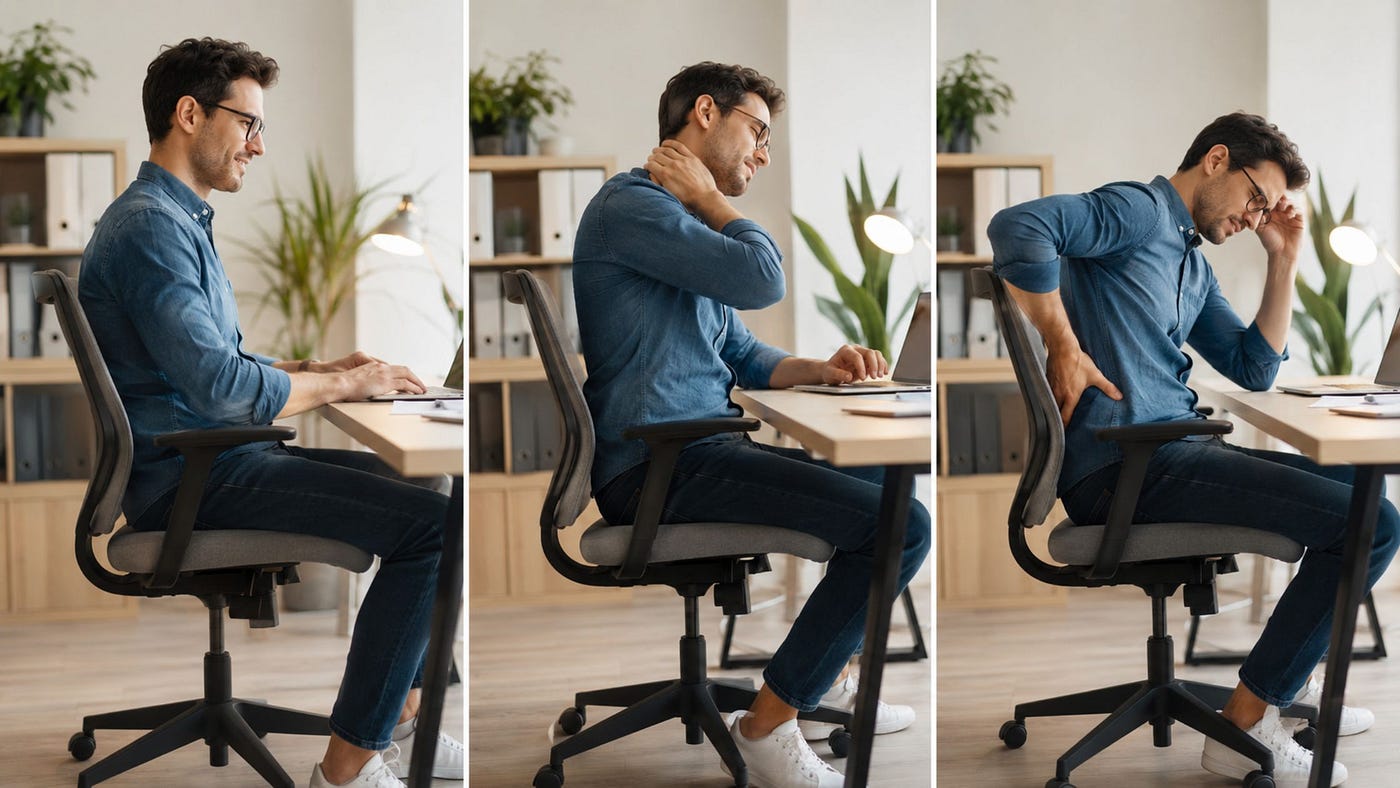
There is a hidden cost to sitting through recovery in a chair that does not fit, which is that your body learns the compensations you adopt to cope. Lean to one side to avoid a pressure point, and after weeks that lean becomes your default. Slump because the support is wrong, and the slump outlasts the recovery. The temporary chair leaves a permanent mark.
I have seen people finish a recovery with a new postural habit they did not have before, picked up from weeks in a makeshift chair that pushed them into a compensating position. The injury healed but the habit stayed, a second problem created by the fix for the first. This is why the fit of a recovery chair matters beyond the recovery itself, because bodies are good at making a temporary position permanent. A chair that fits does not teach you a compensation to unlearn later.
So weeks in the wrong chair entrench bad habits, which is why the fit of even a temporary chair reaches past the recovery.
How temporary props compare on fit
The table sets out why the appeal of a quick recovery prop can hide the fit problem that decides whether it helps.

The pattern is that the easiest props ask the least of you up front and the most of your body over the weeks, while a chair that can be fitted asks for setup and then actually matches you, which is what recovery needs.
When It Matters Less
Fit matters less when the support is truly brief. A cushion used for an hour on a car trip during recovery barely has time to do harm, because you are out of it before a misfit accumulates. The same is true of a prop you use standing or moving rather than sitting on for long stretches, where the load is not resting on it.
It also matters less if the borrowed aid happens to suit your body, which does occur when the friend who lent it is built like you. The mismatch is worst when a generic prop meets a body it was not shaped for and stays there for weeks of recovery, which is the common case. For a truly short-term, well-matched aid the stakes are low, but those conditions are rarer than the marketing of quick fixes suggests.
For a sense of how a chair that can actually be fitted to you behaves in daily use, the wider range of office chairs in Australia shows how much adjustable support differs from a fixed prop that meets your body halfway.
It also helps to know what a sound mechanism should do before you trust it through a recovery, and the three mechanism tests every chair should pass sets out the checks that separate real support from a seat that merely looks the part.
Common Mistakes
The first mistake is assuming soft means supportive. A plush cushion in the wrong place feels nice for a minute and supports nothing, because support is about holding a specific curve at a specific height, which softness alone cannot do.
The second is trusting a borrowed cushion because it worked for someone else. Bodies differ in curve height and torso length, so a prop shaped for one back often lands wrong on another. What transformed a friend’s recovery can do little for yours.
The third is treating a temporary chair as exempt from fit. Recovery runs for weeks, not hours, so a loaner chair is not really temporary in the way people assume, and weeks in a misfitting seat is long enough to do real harm.
The fourth is ignoring the habits a bad chair teaches. Sit through recovery leaning or slumping to cope, and the compensation outlasts the injury. A chair that does not fit can leave a postural habit you have to unlearn after the recovery is over.
Conclusion
Temporary support still has to fit because a recovering body is sensitive and the support, however brief it feels, still has to match the spine it is meant to help. A soft cushion or a spare chair that does not fit does not become harmless just because it is temporary and well meant, since fit, not softness, is what turns support into help, and weeks of recovery is long enough for a misfit to entrench a habit that outlasts the injury.
Judge a recovery aid by whether it matches your body, not by how soft it feels or how much it helped someone else. A cushion carries the shape of the back it was chosen for, and a loaner chair matters as much as a permanent one when you sit in it for weeks. The support that helps is the support that fits, which is why a chair you can tune to your own spine beats a generic prop that meets your body halfway and calls it kindness.
Frequently Asked Questions
Does a recovery cushion need to fit if it is only temporary?
Yes, because recovery runs for weeks and a cushion used through it has plenty of time to do harm. A prop that sits at the wrong height or carries the wrong curve pushes your spine into a poor position, and temporary use of a misfit is long enough for that position to take hold.
Why did a cushion that helped my friend not help me?
Because bodies differ in the height of the lumbar curve, the depth of the back, and the length of the torso. A cushion shaped for your friend’s spine can land wrong on yours, supporting a part that did not need it while missing the part that did. Fit is personal.
Is a soft chair enough while I recover?
Not on its own. Softness feels gentle but does not guarantee support, which is about holding a specific curve at a specific height. A soft loaner chair that cannot be adjusted to your body may feel nice briefly and leave you aching over the hours you sit in it.
Can a temporary chair really cause lasting problems?
It can, because your body learns the compensations you adopt to cope with a misfit. Lean or slump for weeks to avoid a pressure point and that position becomes a default that outlasts the recovery, leaving a postural habit you then have to unlearn.
What should I look for in support during recovery?
Fit to your own spine, meaning support at the right height and depth for your curve, and ideally the ability to adjust it as you heal. A prop or chair that can be matched to your body beats a generic one that happens to be soft, because recovery rewards a precise fit over cushioning.
Should I buy a proper chair or use a prop while recovering?
If your recovery involves long sitting hours, a chair you can fit to your body usually serves you better than a generic prop, because it matches your spine and can be re-tuned as you heal. A prop can help for truly brief use, but weeks of recovery ask for real, adjustable fit.
메타데이터
- post_id
- a370bc66f461
- slug
- why-temporary-support-still-has-to-fit-a370bc66f461
- url
- https://medium.com/@olivermcbbotblogs/why-temporary-support-still-has-to-fit-a370bc66f461
- canonical_url
- https://medium.com/@olivermcbbotblogs/why-temporary-support-still-has-to-fit-a370bc66f461
- author_url
- https://medium.com/@olivermcbbotblogs
- status
- ok
- fetched_at
- 2026-08-21 19:20:34