How small & mid-sized providers afford cloud adoption in healthcare
For many small and mid-sized healthcare providers, moving to the cloud feels like chasing something out of reach. The concern usually…
How small & mid-sized providers afford cloud adoption in healthcare
For many small and mid-sized healthcare providers, moving to the cloud feels like chasing something out of reach. The concern usually revolves around the cost of cloud adoption in healthcare and whether the investment truly pays off.
But the reality is that cloud adoption healthcare is no longer just for large hospitals. Smaller clinics, diagnostic labs, and regional care providers can also take advantage of scalable solutions without draining their budgets.
This blog walks through how small and mid-sized providers can adopt the cloud affordably, what practical steps reduce costs, and why it matters for long-term growth.
Why cloud adoption matters for growing providers
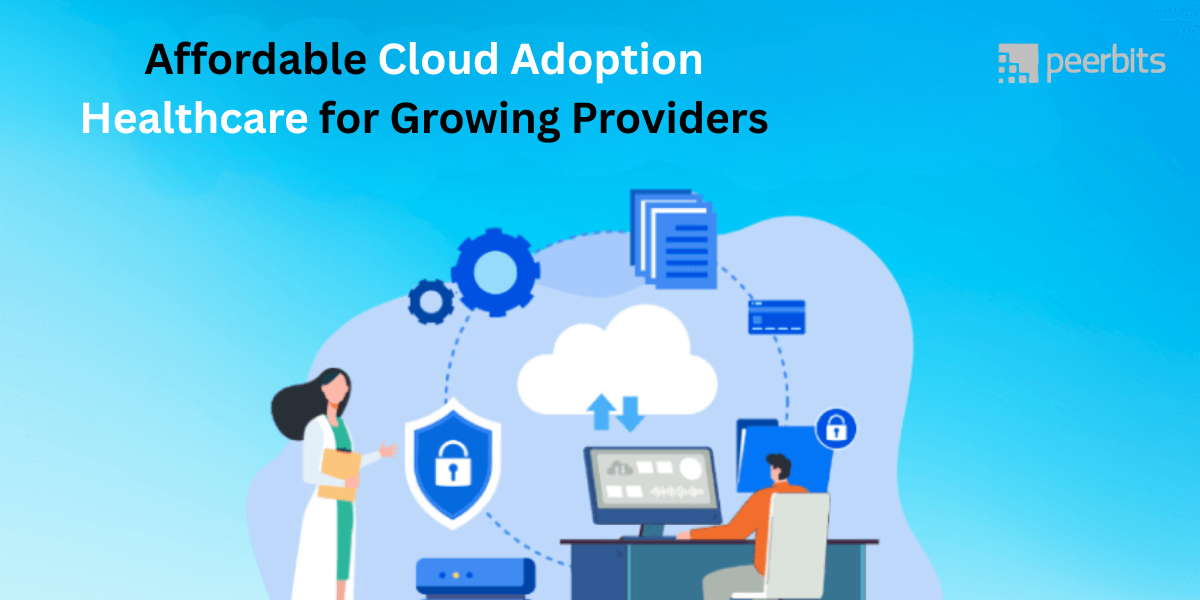
Digital records, telehealth, and remote collaboration have become everyday needs. Without the cloud, small providers rely on outdated systems and these are costly to maintain and limit patient experience. Healthcare cloud solutions offer flexibility, security, and easier compliance with regulations like HIPAA.
When a clinic moves patient records to the cloud, it no longer has to deal with server replacements or storage headaches. The costs shift to a simple pay-for-what-you-use model, much like paying an electric bill. That makes advanced systems practical and affordable for smaller providers.
Next, let’s look at the typical cost concerns that stop small providers from moving forward.
Common cost concerns with cloud adoption
Many healthcare leaders hold back on cloud adoption because they worry expenses might get out of hand. The usual concerns sound familiar:
- Initial migration expenses: shifting data, software, and daily workflows into the cloud.
- Ongoing subscription fees: paying for cloud services on a monthly or yearly basis.
- Security and compliance costs: Ensuring data privacy and meeting healthcare regulations.
- Staff training: Helping teams get comfortable to new systems.
These concerns are valid, yet adopting the cloud doesn’t need to feel heavy. Starting with smaller projects, spreading out expenses, and moving gradually helps providers stay in control of both cost and risk.
Practical ways to make cloud adoption affordable
Start small and scale gradually
Instead of moving every system at once, begin with one function. For instance, a small clinic might first adopt a cloud-based billing system. Once it runs smoothly, they can migrate patient records or appointment scheduling.
Choose the right pricing model
Most healthcare cloud solutions offer flexible pricing. Subscription-based plans let providers pay only for what they use. For a small clinic, this means avoiding the heavy upfront investment of buying servers or software licenses.
Consider managed cloud services
Outsourcing IT support through managed cloud services for healthcare can save money long term. Instead of hiring a full IT team, providers get 24/7 monitoring, automatic updates, and quick fixes from experts at a fraction of the cost.
Look for healthcare-focused vendors
Generic cloud solutions may not cover compliance or security requirements. Working with a vendor specialized in healthcare reduces the risk of hidden costs. This is where partnering with a healthcare software development company can help tailor solutions to fit specific needs.
Leverage government incentives
In some regions, governments provide financial support for digital healthcare adoption. Grants and subsidies can lower upfront migration costs significantly.
Real-world example
A regional diagnostic center with five branches in the Midwest faced server failures and high IT expenses. Instead of migrating everything, they started with cloud for small healthcare providers by shifting only their imaging storage. The move reduced hardware expenses by 30%. Over time, they expanded to patient data and scheduling systems.
This gradual adoption not only cut costs but also gave the staff time to adapt, making the transition smoother.
Long-term savings outweigh short-term costs
While the cost of cloud adoption in healthcare might seem steep at first, the long-term benefits are clear. Small providers save money by:
- Eliminating hardware upgrades
- Reducing IT staff burden
- Avoiding downtime from system failures
- Meeting compliance without separate costly audits
In other words, cloud adoption turns IT from a liability into a scalable investment.
Conclusion
Cloud adoption in healthcare has become more crucial. With the right strategy, even small and mid-sized providers can afford it. Starting small, using managed services, and working with specialized partners keeps the transition within budget while unlocking long-term value.
Partnering with an experienced healthcare software development company helps providers ease into the cloud without unnecessary costs. The decision comes down to this: are you ready to put resources into a system that reduces expenses now and supports growth tomorrow?
메타데이터
- post_id
- a3a7d04525fd
- slug
- how-small-mid-sized-providers-afford-cloud-adoption-in-healthcare-a3a7d04525fd
- url
- https://medium.com/@peerbits/how-small-mid-sized-providers-afford-cloud-adoption-in-healthcare-a3a7d04525fd
- canonical_url
- https://medium.com/@peerbits/how-small-mid-sized-providers-afford-cloud-adoption-in-healthcare-a3a7d04525fd
- author_url
- https://medium.com/@peerbits
- status
- ok
- fetched_at
- 2026-06-24 23:31:39