10 Signs Your Content Was Written by AI
10 Signs Your Content Was Written by AI (And How to Fix Them)
10 Signs Your Content Was Written by AI

10 Signs Your Content Was Written by AI (And How to Fix Them)
A few months ago, I was reading an article that seemed promising. The title caught my attention, and the introduction started well. But after just a few paragraphs, something felt off.
The writing wasn’t technically wrong. The grammar was perfect. The sentences flowed smoothly. Yet it felt strangely empty.
It sounded like someone had assembled all the right words without ever having a real conversation.
I finished reading the article, but I couldn’t remember a single useful insight from it.
Later, I found out the article had been generated almost entirely by AI with very little editing.
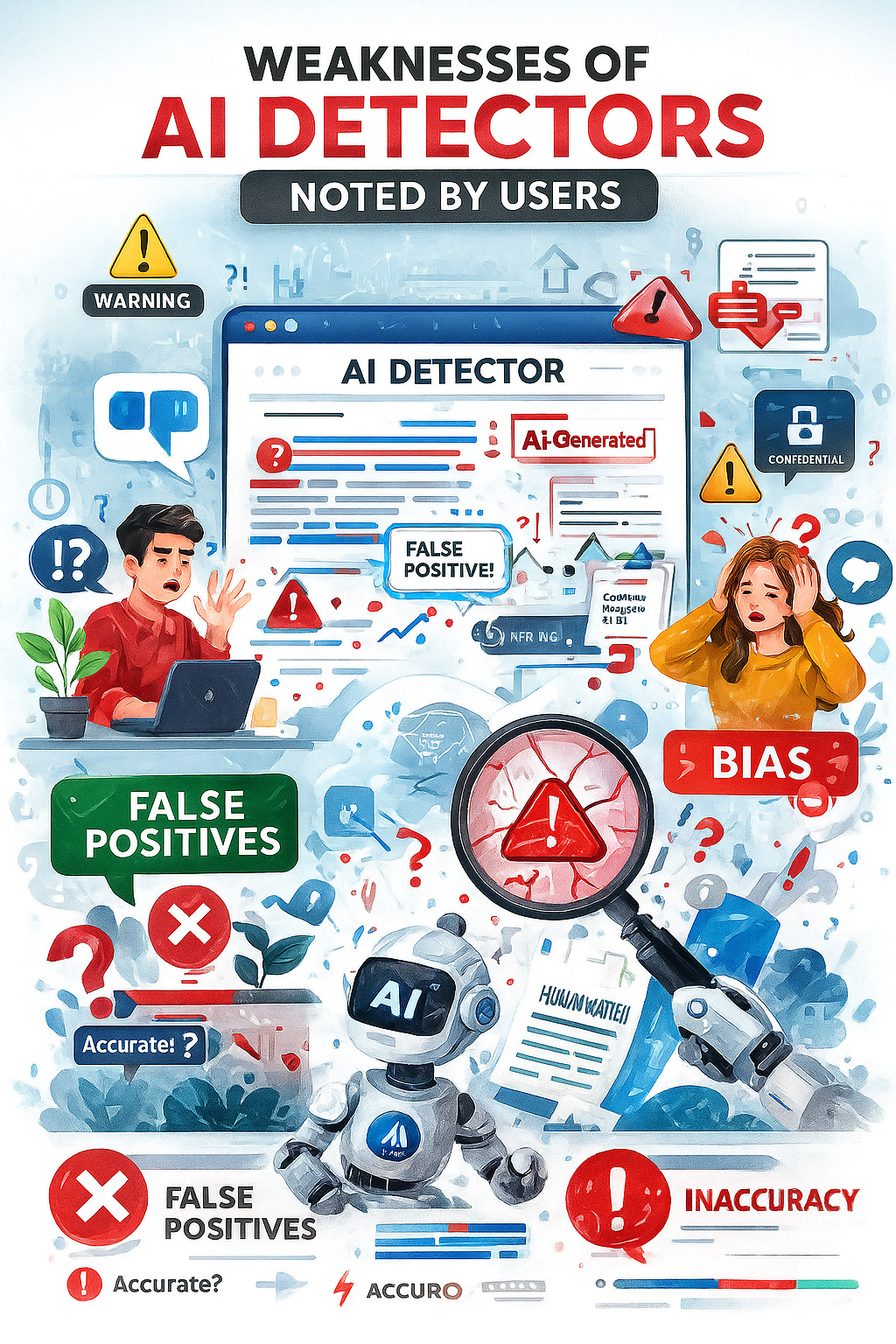
That experience taught me something important: people don’t always need AI detectors to recognize AI-written content. Often, they can simply feel it.
AI is an incredible writing assistant. I use it myself to brainstorm ideas, organize outlines, and overcome writer’s block. But publishing raw AI output without adding your own voice is one of the fastest ways to lose a reader’s trust.
Here are ten signs your content feels AI-generated — and what you can do instead.
- Everything Sounds Too Perfect
Real people don’t speak in perfectly balanced paragraphs all the time.
Sometimes we pause. Sometimes we tell a short story. Sometimes we admit we made a mistake.
AI often produces polished sentences that lack personality. They read like a textbook instead of a conversation.
Instead of chasing perfection, write the way you naturally explain something to a friend.
- There Are No Personal Experiences
Readers connect with experiences, not just information.
Imagine someone writing about freelancing without mentioning a single client, challenge, or lesson learned.
Compare that with someone saying:
“My first freelance proposal was rejected within ten minutes. I almost gave up that day, but rewriting my proposal completely changed my results.”
Which version would you remember?
You don’t need dramatic life stories. Even small experiences make your writing more believable.
- Every Paragraph Feels the Same
AI loves predictable rhythm.
Every paragraph has nearly the same length.
Every sentence follows the same structure.
After a while, readers begin to skim because nothing surprises them.
Mix things up.
Write a short sentence.
Then explain your point in more detail.
That natural variation keeps readers engaged.
- The Advice Is Too Generic
We’ve all seen advice like:
“Work hard.”
“Stay consistent.”
“Believe in yourself.”
These ideas aren’t wrong — they’re simply incomplete.
Readers want to know how.
Instead of saying “stay consistent,” explain what consistency actually looked like in a real situation.
Specific advice always beats motivational slogans.
- The Article Avoids Real Opinions
AI often tries to satisfy everyone.
Human writers have perspectives.
For example, I believe AI should never replace your thinking. It should help organize your ideas, not become your entire voice.
Not everyone will agree with that, and that’s okay.
Thoughtful opinions make articles memorable.
- It Repeats the Same Ideas
Sometimes AI explains one point in three different ways without adding anything new.
Readers notice.
Before publishing, ask yourself a simple question:
“Does this paragraph teach something new?”
If the answer is no, remove it.
Good editing is often about deleting rather than adding.
- The Introduction Promises More Than the Article Delivers
A powerful title creates expectations.
If your title promises “10 secrets,” each point should provide genuine value.
Don’t let a strong headline lead to shallow content.
Readers appreciate articles that deliver exactly what was promised.
- There Are No Real Examples
Examples make ideas easier to understand.
For instance, many beginner freelancers in Pakistan rely on JazzCash or Easypaisa because PayPal isn’t officially available. In countries like the United States or the United Kingdom, freelancers are more likely to use PayPal, Stripe, or direct bank transfers.
That small comparison gives international readers useful context while making the article relatable for South Asian readers.
Good examples build trust.
- The Ending Feels Generic
Many AI-generated articles end with phrases like:
“In conclusion…”
“To summarize…”
“The future is bright…”
These endings don’t stay with readers.
A stronger ending leaves people thinking.
Ask a question.
Share one final lesson.
Or encourage readers to try something immediately after finishing the article.
- It Doesn’t Sound Like You
This is the biggest clue of all.
Imagine your best friend reading your article.
Would they recognize your voice?
Or would they wonder who wrote it?
AI can imitate many writing styles, but it cannot replicate your experiences, your humor, your curiosity, or the way you naturally explain ideas.
That’s what makes your writing valuable.
The Best Way to Use AI
The writers getting the best results aren’t replacing themselves with AI.
They’re collaborating with it.
They use AI to brainstorm headlines.
They organize outlines faster.
They improve grammar.
They explore different angles.
Then they rewrite, edit, add stories, remove weak sections, and shape every article until it sounds like themselves.
That’s the difference.
Readers aren’t looking for perfect writing.
They’re looking for authentic writing.
Final Thoughts
AI has changed the way we create content, and there’s nothing wrong with using it as a tool. The problem begins when we let it do all the thinking.
The articles people remember are rarely the most polished. They’re the ones that feel honest, useful, and written by someone who has actually lived the experience.
The next time you finish an AI-generated draft, don’t ask, “Is the grammar correct?”
Ask a better question:
“Does this sound like me?”
That single question might be the difference between an article readers forget in minutes and one they remember long after they’ve closed the page.
메타데이터
- post_id
- a3b3aba8a0ee
- slug
- 10-signs-your-content-was-written-by-ai-a3b3aba8a0ee
- url
- https://medium.com/@saminakouser0086/10-signs-your-content-was-written-by-ai-a3b3aba8a0ee
- canonical_url
- https://medium.com/@saminakouser0086/10-signs-your-content-was-written-by-ai-a3b3aba8a0ee
- author_url
- https://medium.com/@saminakouser0086
- status
- ok
- fetched_at
- 2026-08-04 07:41:07