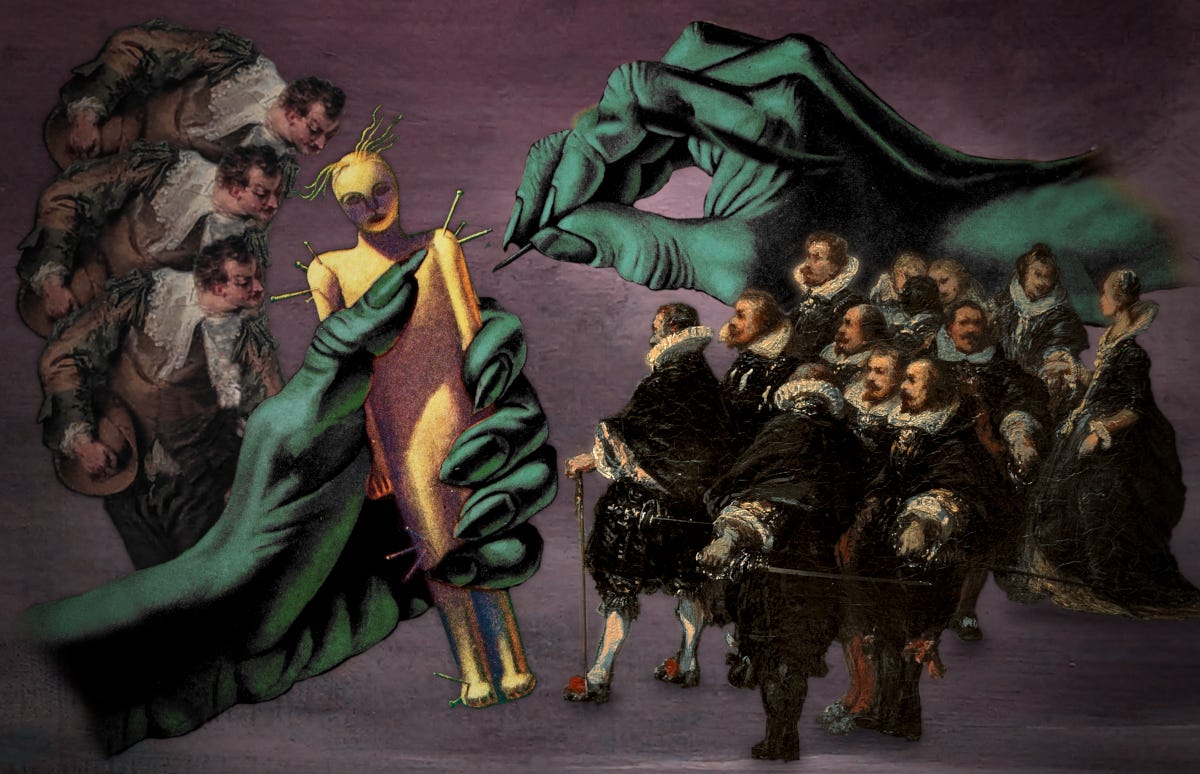
Echo of a Silent Alarm: Adoption, Stress, and the ADHD Brain
Dr. Gabor Maté’s paradigm-shifting view of ADHD moves the diagnosis from a static genetic label to a dynamic developmental story. He…
Echo of a Silent Alarm: Adoption, Stress, and the ADHD Brain
Dr. Gabor Maté’s paradigm-shifting view of ADHD moves the diagnosis from a static genetic label to a dynamic developmental story. He proposes that ADHD behaviors, including distractibility, hyperactivity, and emotional dysregulation, are often the manifestations of a brilliant, early survival strategy.
This perspective finds a profound and specific resonance within the adoptee experience, offering a compassionate lens through which to understand the neurological echoes of pre-verbal trauma.
Infant’s Unspoken Burden: Absorbing the Stress Field
Maté’s framework centers on the exquisitely attuned infant brain, a system designed for connection and co-regulation. He argues that when a caregiver is immersed in significant stress, grief, or unresolved trauma, the infant has no choice but to absorb this emotional field.
For the infant facing separation through adoption, this stress field is immense and multifaceted. It encompasses the birth mother’s possible crisis, grief, or societal pressure, the inherent rupture of the primary attachment bond, and the transition into a new environment, which may carry its own undercurrents of anxiety, expectation, or unprocessed loss.
As Maté states in Scattered Minds, the child’s brain develops in adaptation to this early environment. The adoptee’s developing system, with absolutely no capacity for flight or fight, meets an overwhelming emotional event.
Primal Strategy: Tuning Out as Survival
With nowhere to run and no ability to fight, the infant’s only available defense is to freeze and disconnect. This “tuning out” is a biological imperative, a shutting down of sensory and emotional overload to preserve a fragile core.
Dr. Maté describes this as an adaptive mechanism where the child’s attention learns to scatter, protecting them from a pain that feels unbearable and inescapable.
For the adoptee, this initial disconnection occurs during the foundational period of brain wiring. The neural pathways associated with attachment, safety, and focused attention develop around this core strategy of dissociation.
The act of turning away, both from external stress and internal distress, becomes etched into the very circuitry of the brain, setting a template for how to be in the world.
Lifetime Echo: Scattered, Overwhelmed, and Seeking
This etched pattern echoes throughout the adoptee’s life, manifesting as the classic hallmarks of ADHD.
The feeling of being chronically scattered reflects a nervous system that learned early to divert attention from deep wells of unfelt grief or hypervigilance.
The experience of being easily overwhelmed mirrors an infantile panic that was too vast to process, leaving the system with a permanently lowered threshold for stress.
The pervasive sense of “not-enoughness,” a common adoptee struggle, aligns with Maté’s view that the child internalizes the environment’s stress as a reflection of their own inadequacy or as a reason for the initial separation.
The brain, having organized itself around dispersal for survival, now constructs a life where focus feels unsafe, where calm is unfamiliar, and where the self feels fragmented.
Path to Understanding: From Pathology to Compassionate Insight
Viewing adoptee ADHD through Maté’s lens transforms it from a personal deficit to a historical testament. It frames these neurological traits as the logical, intelligent adaptations of a tiny being navigating a seismic emotional event.
This understanding aligns with the research of the American Academy of Pediatrics, which recognizes early childhood trauma and adversities as significant factors impacting brain development and behavioral outcomes.
It invites a shift in approach, moving away from mere behavioral management and toward a therapy that addresses the root layers of grief, loss, and disconnection.
Healing involves gently creating the conditions of safety and attunement that allow the nervous system to relearn, to slowly turn back toward the self and the world without the old alarm ringing so loudly.
The scattered mind begins to integrate, revealing itself as a brave system that did exactly what it needed to do to survive its first great storm. This evidence underscores a critical imperative: protecting the maternal-infant bond from overwhelming stress and avoiding separation stands as a paramount goal for lifelong health.
메타데이터
- post_id
- a47d8dc32a54
- slug
- echo-of-a-silent-alarm-adoption-stress-and-the-adhd-brain-a47d8dc32a54
- url
- https://medium.com/@ms567/echo-of-a-silent-alarm-adoption-stress-and-the-adhd-brain-a47d8dc32a54
- canonical_url
- https://medium.com/@ms567/echo-of-a-silent-alarm-adoption-stress-and-the-adhd-brain-a47d8dc32a54
- author_url
- https://medium.com/@ms567
- status
- ok
- fetched_at
- 2026-06-25 16:53:31