Net-zero for Billionaires: Getting the Yacht Class to Give a Damn
The Climate Crisis Is for the Rest of Us. Not.
Net-zero for Billionaires: Getting the Yacht Class to Give a Damn
The Climate Crisis Is for the Rest of Us. Not.
Almost there
It’s the year 2049.
Decades ago, humanity had made contact with an alien civilization in a distant galaxy, by way of quantum-entangled algae. Algeon Prime’s citizens thrived on algae, and, luckily for humans, quantum entanglement of certain algae species native to both planets was discovered by scientists on both worlds independently. It was the beginning of a wonderful friendship. The historic encounter inspired the Netflix series “A Tale of Two Planets”, which ran for three seasons in the 2030s.
The creator of the series made a fortune, but, under new legislation, was required to share the majority of his newfound wealth with international NGOs supporting underprivileged communities on island nations hardest hit by climate change.
The friendly, if slightly amused, aliens from the planet Algeon had ever since been diligently helping humans on their awkward journey to net-zero. To them, humanity resembled endearing, countryside hicks: a bit behind, occasionally baffling, usually unwashed, and mostly in need of a few well-placed nudges to be considered remotely civilized. You wouldn’t invite them to dinner, if you could help it.

The first Algaegraph. No photo exists of the top-secret biointerface.
For those who missed the relevant biophysics lessons in school, instantaneous communication works by harnessing the unique bio-quantum properties of a shared ancestral algae species. These algae naturally maintain quantum entanglement between their cellular structures, even across vast distances. When stimulated (e.g., via thought-linked biointerfaces), a signal sent on Earth causes an instantaneous change in the entangled counterpart on Algeon, and vice versa. The algae act as living quantum relays, translating neural impulses into entangled quantum states and back into readable thoughts or text, effectively enabling faster-than-light communication, as long as the algae are well-fed and not too stressed.
With this breakthrough technology, the Algeons contributed their vast knowledge of algae and played a key role in helping Earth completely retool its food system, while simultaneously removing CO2 from the atmosphere.
Battles were fought, literally, between the private armies of beef producers and the meat industry on one side, and a growing foodtech startup ecosystem on the other side (who did not resort to weapons but relied solely on their products).
They won not with force, but by staging surprise tastings, hijacking BBQ festivals, and replacing ammo crates with free samples.
Eventually, cattle ranches were rewilded, and feedlots repurposed to produce feedstock for precision fermentation and lab-grown meat. The once-vast range lands were now carefully managed for conservation tourism.
Algae- and plant-based proteins, mycoproteins, lab-grown meat, fish substitutes, protein and butter made from air, precision-fermented edible oils and cheeses, climate-smart agriculture, upcycled food waste, and nutritious plant-based diets had become the backbone of global food security.
There was one prominent victim of this development. The Food and Agriculture Organization (FAO) of the UN was declared obsolete and officially abolished by the United Nations Agency for Obsolete UN Agencies (UNAOUNA), citing rampant nepotism, chronic incompetence, and allegations, later confirmed, that it had effectively become a lobbying arm of the meat industry.
After Elon Musk had been declared persona non grata in the US and sent back to South Africa in handcuffs, Tesla was bought by a cooperative owned by former Tesla engineers, climate activists, and Scandinavian pension funds. They focused on making affordable EVs for everyone, following the French model for social leasing. The New Tesla and China’s BYD, locked in merciless competition, eventually wiped out legacy internal combustion models and brands (yep, the Germans really had to reinvent themselves). Still, concerns lingered over monopolistic pricing and market manipulation.
Also following the French model was the fashion industry. An international ban on advertising fast fashion brands, mandatory environmental impact disclosures, and a system of taxes and fines tied to ecological harm led to a wave of new farm-to-closet brands, innovative circular business models, and a renaissance of fashion sharing and second-hand chic. In addition, innovative materials derived from plants, fungi, algae, and bacteria had largely replaced fossil-fuel-based textiles.
Amazon increasingly lost business to a swarm of small, decentralized competitors: WhatsApp and Signal groups, the sharing economy, and a growing culture of minimalism. In response, it pivoted to investing in alternative proteins. Meanwhile, AWS unexpectedly banned vacation photos and duck-lipped dancing teen videos, instantly saving vast amounts of energy, with no loss at all to humanity’s cultural heritage.
Climate romcoms had become one of the most popular genres, and climate comedy was one of the climate movement’s most powerful allies. Facts had long ceased to sway people, while scientific evidence showed that humor combined with storytelling was the most effective way to make a message stick. One of the most viral jokes? “I tried to offset my carbon footprint. So I planted a tree… and then flew to Bali to visit it.” Unfortunately, many TikTok users didn’t get the joke, thought it was a trend and actually flew to Bali.
At 101, Stephen King was still churning out cli-fi infused with his trademark horror. Titles like Under the Heat Dome, The Warming, and The Tipping Point were flying off the digital shelves. His continued success also served as a powerful statement against ageism.
Bands like Coldplay and Massive Attack, and also Billy Eilish, had inspired festivals, fellow artists, and their fans to actively reduce the environmental impact of concerts and tours. Actual instrument playing had made a comeback, and concerts were now powered by solar rigs, portable battery systems, and on-site microgrids running on green hydrogen and bioenergy.
The last stand
By 2049, food, fashion, and transportation had largely been decarbonized, and renewable energy had long since become the cheapest power source in many countries, thanks in large part to China’s dominance in solar panel production and cutting-edge battery innovations, now made from biodegradable, plant-based materials, soil microbes, and even waste products like coffee grounds.
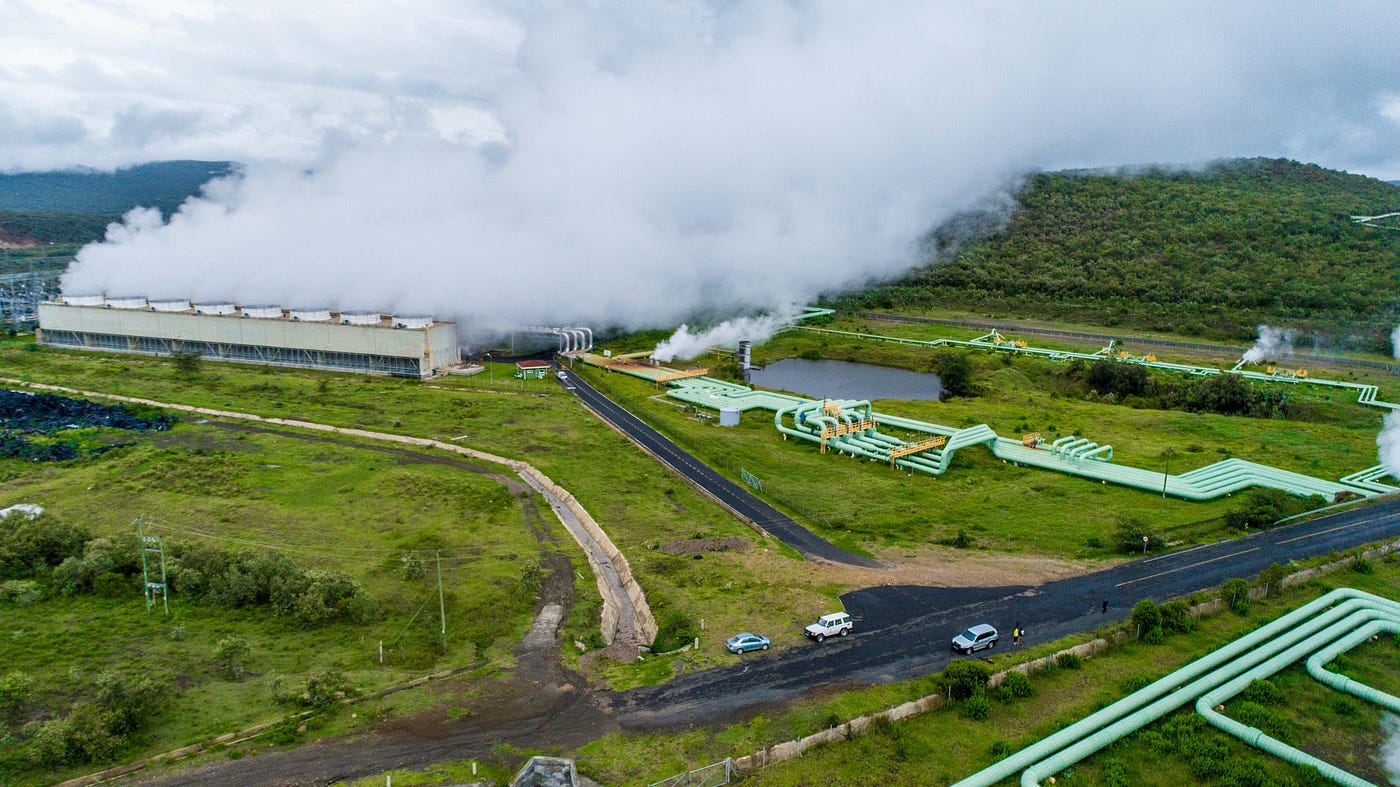
Climate tech added trillions to global GDP. In Kenya, a growing number of climate tech startups had led to a surge in green jobs, a new generation of eco-engineers, and the rise of Nairobi as a leading hub for sustainable innovation across the continent.
But the new climate billionaires ended up doing what the old ones did: hoarding wealth and competing in pissing contests over who had the biggest, sometimes electric, yacht. And billionaires (of whom there were more than ever) just couldn’t let go of their emissions-heavy lifestyles or portfolios.
Even in 2049, one billionaire would still emit more GHG than thousands of average people, despite green tech, and climate-themed foundations. The yearly emissions of the average billionaire were in the region of 2,000–10,000+ tons of carbon dioxide equivalent (tCO2e), compared to ~3–5 tCO2e for the average person.
Canceling avocado toast and their flight to Coachella (now inconveniently relocated to Alaska due to more and more record-setting heatwaves) proved a real hardship for many of them. It was a lot. But they found ever more creative ways to mess with our future: private orbital launches and suborbital weekend getaways, mega-yachts flaunting decorative carbon capture units, remote personal islands with energy-intensive life support, and, of course, the painfully tone-deaf celebrity weddings in climate-sensitive locations, with hundreds of guests arriving on private jets. Venice had hosted this circus once, after which it passed a law banning any gathering involving more than one billionaire or any guest-to-yacht ratio exceeding 1:3.
Carbon credits and offsets had ballooned into a trillion-dollar market, still notoriously underregulated in many regions. Meanwhile, the same tech tycoons who helped decarbonize sectors like energy and transport also drove up global emissions by promoting hyper-consumption platforms, running colossal data centers for AI and social entertainment, and jetting between “eco-retreats” in opposite hemispheres in search of eternal spring.
The full story, including the part where climate concern becomes rational for billionaires, continues on Substack.
메타데이터
- post_id
- a48cc722e418
- slug
- net-zero-for-billionaires-getting-the-yacht-class-to-give-a-damn-a48cc722e418
- url
- https://medium.com/climatebash/net-zero-for-billionaires-getting-the-yacht-class-to-give-a-damn-a48cc722e418
- canonical_url
- https://medium.com/climatebash/net-zero-for-billionaires-getting-the-yacht-class-to-give-a-damn-a48cc722e418
- author_url
- https://medium.com/@co8x.org
- status
- ok
- fetched_at
- 2026-07-14 04:13:03