Rethinking Claims Processing in a Digital First Insurance Model
Claims processing is a key part of insurance. This is the moment when people need their policy the most. In the past, the process could be…
Rethinking Claims Processing in a Digital First Insurance Model
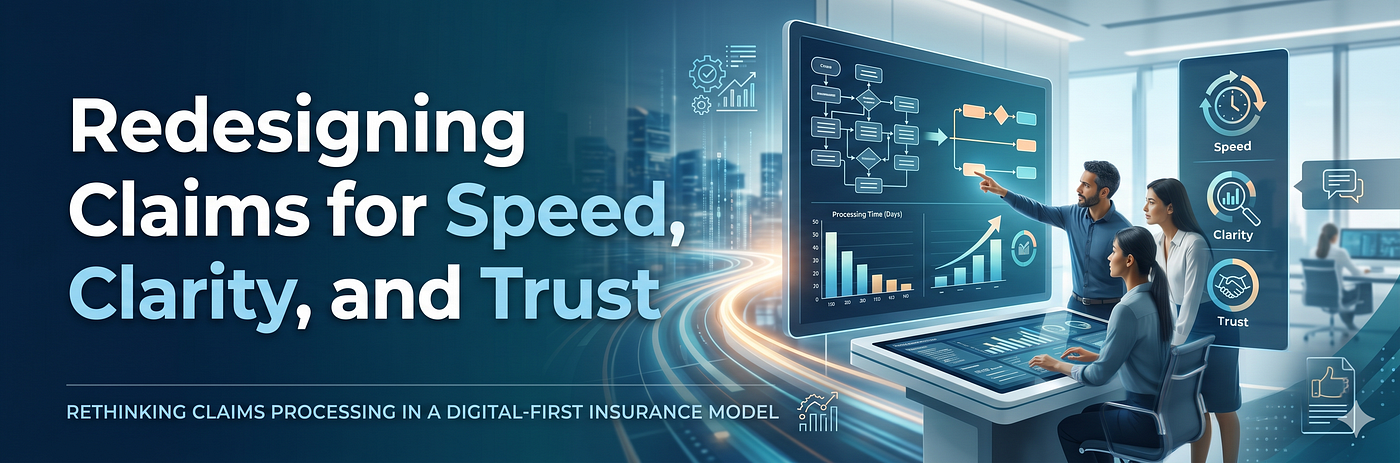
Claims processing is a key part of insurance. This is the moment when people need their policy the most. In the past, the process could be slow. Delays, manual checks, and unclear communication have often defined the claims experience. Now, a change is happening. Insurance companies are improving this experience through digital claims transformation. They are developing methods that are fast, clear, and reliable, aligning with a digital-first insurance model. This is not just about new technology. It is about fixing a fundamental process to match how we live today. The goal is to completely redesign the process, making the entire journey from claim to payment smooth and simple for everyone.
Why Claims Processing Needs a Fresh Approach
Claims operations were traditionally managed using separate tools and manual intervention. The traditional system meant slow service, costly operations, and mixed outcomes for similar cases. Policyholders spent time waiting, with limited information on what was happening. This situation made it clear that the entire process needed a new perspective.
A digital-first model changes the focus. It considers the entire journey, not just individual tasks. Every part, from the initial report to the final payment, integrates into a clear system, supported by structured workflows and AI integration services that connect data, processes, and decision points. This builds trust and clarity, cutting down the need for constant manual checks. The goal is a full redesign, treating the claim as a seamless service journey from start to finish.
The Role of Digital Claims Transformation
Digital claims transformation is about a basic change in how a claim moves from person to person and system to system. Rather than reacting to incoming claims, insurers design workflows that direct each one. These workflows account for complexity, risk, and data quality. Straightforward claims follow a direct path, while more complex cases receive specialized attention.
This approach reduces friction between departments and creates clarity on responsibility and timelines. A true digital transformation also improves the flow of information. This improved data flow supports strong decisions, removing the need for repeated entry and verification of facts.
Building a Digital First Claims Framework
A digital-first framework relies on connected systems, easy data access, and clear process design. A unified claims platform merges policy details, customer information, and external partners into a single environment. This foundation allows for quicker claim intake, accurate verification, and consistent settlement actions.
Connected Systems and Data Flow
Separate systems create delays in claims. Integration builds a common view of claim details for all teams. This setup promotes consistent decisions and less repeated work. Information moves through clear checkpoints, which build control and accountability.
Intelligent Automation in Claims
Automation manages routine jobs such as reviewing documents, assessing damage, and sending status updates. Specific AI solutions in insurance aid these tasks by recognizing patterns and flagging unusual cases. This frees claim handlers to concentrate on work that requires human judgment, moving beyond basic checks.
Using Advanced Technologies with Care
Technology is central to redesigning claims, but balance matters. Tools should serve the goals of the process, not control them. Certain AI software solutions improve decision accuracy when built on reliable data and clear rules. Their strength is in providing support, not in removing necessary human judgment.
Progress in generative AI development also finds a place in claims communication. It can produce summaries and responses that meet set standards. This promotes consistent interactions while maintaining clear and understandable communication.
Process Governance and Control
Redesigning claims also requires clear governance. Defined rules guide how claims progress through each stage. Audit trails and reporting frameworks support both compliance and transparency. A digital-first model adds dashboards and alerts. These tools monitor performance against targets for settlement time, cost, and quality.
This framework enables ongoing improvement without interrupting daily work. Changes come through managed updates, not full system replacements.
Implementation Considerations
Moving to a digital-first model requires thoughtful planning. Existing systems, data quality, and team preparation all affect success. A phased approach maintains stability as new workflows are established.
Partnering with an AI software development company can support this shift. Such a partner aligns technology with business objectives. Careful integration planning remains crucial for processes involving multiple systems and partners. AI integration services play a role in connecting platforms while maintaining data integrity.
Measuring Impact and Outcomes
Efforts to transform claims need clear measures of success. Metrics such as settlement time, customer feedback, operational cost, and error rates offer a view of progress. A true digital claims transformation supports these outcomes by building uniformity across different claim types and regions.
Over time, information from digital workflows allows for the adjustment of rules and automation logic. This ongoing cycle builds accuracy and reliability, avoiding added complexity.
Conclusion
Rethinking claims in a digital-first model is not a sudden system change. It is a redesign focused on smooth flow, clarity, and accountability. Structured processes, connected platforms, and thoughtful technology reshape claims handling at scale. This journey aligns operations with what policyholders expect and what regulations require. For insurers ready to explore this path, contact us to discuss a structured approach to modernizing claims.
메타데이터
- post_id
- a4adda0cbc01
- slug
- rethinking-claims-processing-in-a-digital-first-insurance-model-a4adda0cbc01
- url
- https://medium.com/@lenaztyson/rethinking-claims-processing-in-a-digital-first-insurance-model-a4adda0cbc01
- canonical_url
- https://medium.com/@lenaztyson/rethinking-claims-processing-in-a-digital-first-insurance-model-a4adda0cbc01
- author_url
- https://medium.com/@lenaztyson
- status
- ok
- fetched_at
- 2026-06-09 15:37:30






