Stop Motion in Fantastic Mr. Fox
As mentioned in a previous write-up, the film Fantastic Mr. Fox is an adaptation of the children’s novel of the same name. Over the years…
Stop Motion in Fantastic Mr. Fox
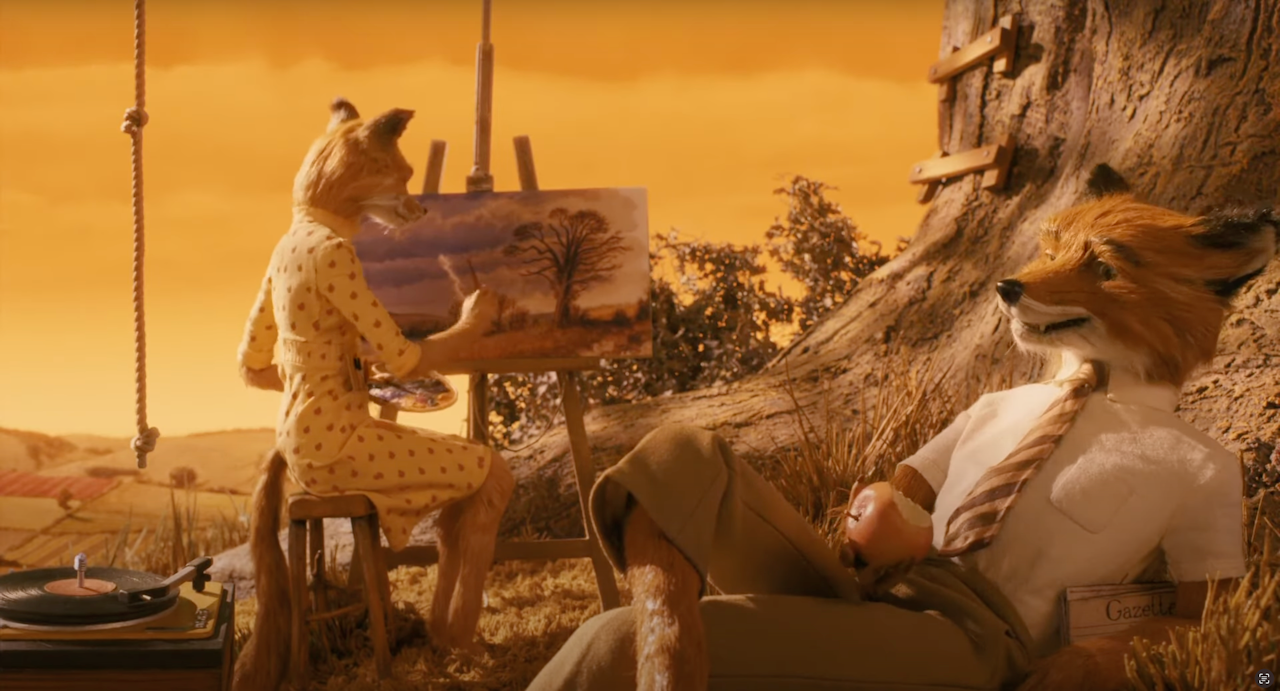
As mentioned in a previous write-up, the film Fantastic Mr. Fox is an adaptation of the children’s novel of the same name. Over the years, many individuals have tried to adapt various works by Roald Dahl but none have been able to get it quite like Wes Anderson and his team. They were able to capture the essence of Roald Dahl’s whimsical storytelling and translate it into a visual and narrative style that stays true to the source material while offering something fresh.
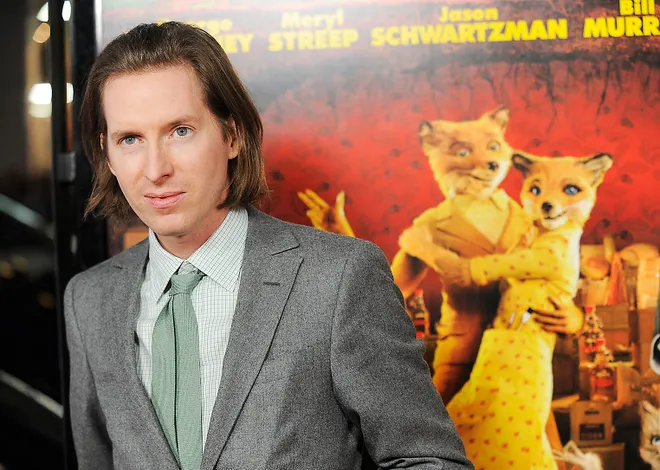
Wes Anderson
One of the key aspects of the film that embraces the uncanny nature within the source material is the utilization of stop-motion, a method of animation that involves ‘endowing objects that are known to be inanimate with life’ usually by creating the illusion of movement through the process of moving objects bit by bit between each frame and photographing them’ as defined by Paul Wells. Although this was Anderson’s first attempt, he was able to achieve the goals set for what he wanted the film to represent. Through the utilization of stop-motion, Fantastic Mr. Fox was able to capture the handmade quality of Roald Dahl’s story, emphasizing its grounded and organic feel while also giving a sense of warmth and unique yet peculiar presentation to its characters.
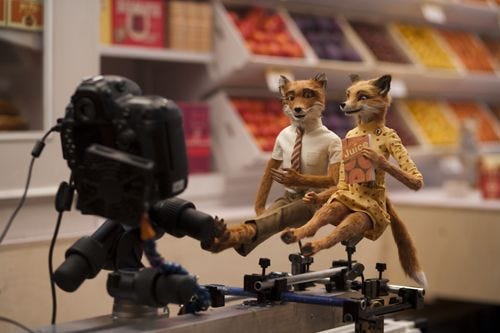
Filming Fantastic. Mr Fox
The stop-motion process demanded an immense amount of effort and precision. A crew of 140 people contributed to the production, dedicating countless hours. From the visible textures in the characters’ fur and clothing to the intricate details of the miniature sets and stylized scenery, every frame of the film reflects the importance of stop motion as a means of portraying the unique yet relatable story of our whimsical protagonist. The puppets were crafted with precision to capture the unique quirks and personalities of each character, with features like movable facial expressions and hand-stitched costumes adding depth and realism to their on-screen presence. Creating Mr. Fox, the first character model, alone took seven months, reflecting the level of detail and care involved in the production process. The film took about four years to complete, with much of that time focused on perfecting the stop-motion elements. This method of animation allows for a unique manipulation of scale and perspective, adding to the surreal yet familiar atmosphere that evokes nostalgia as well as the uncanny.
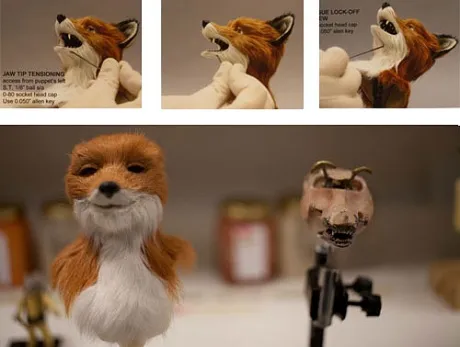
Mr Fox Model
In addition to its visual impact, stop-motion also enhanced the narrative’s emotional depth and humor. The deliberate and sometimes exaggerated movements of the puppets imbued the characters with personality and charm, further bridging the gap between peculiarity and relatability. An example of this can be seen in Mr. Fox’s eccentric mannerisms and dynamic interactions with other characters which make his charm and flaws very vivid.
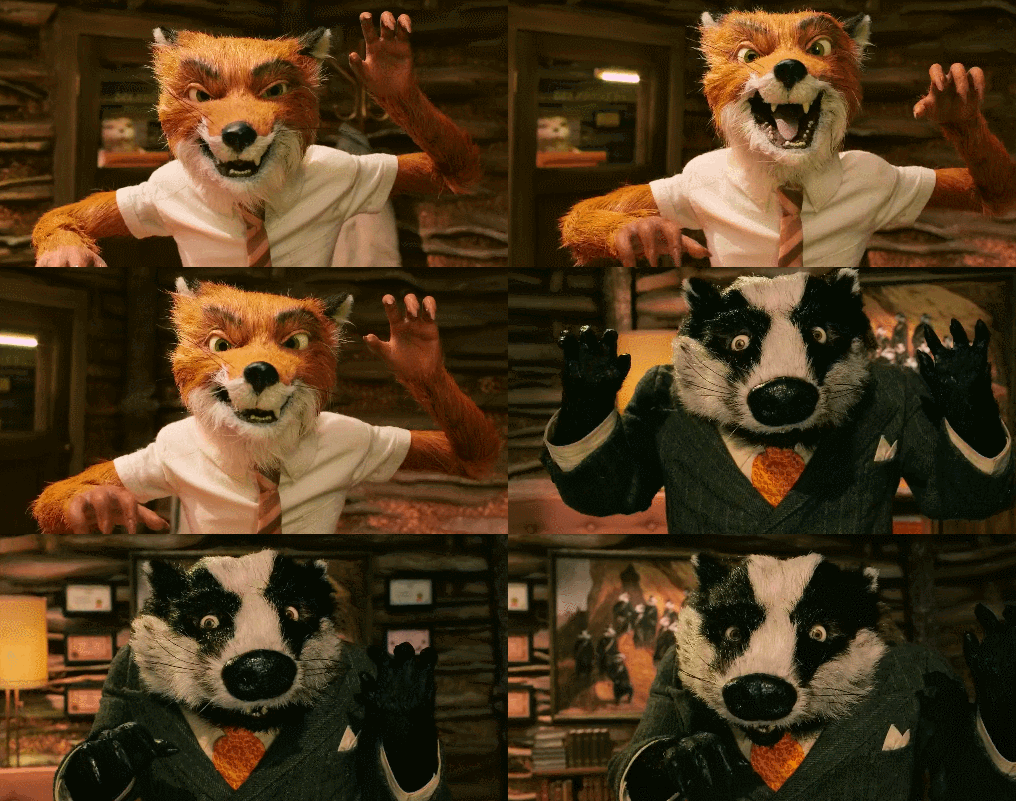
Mr Fox and Badger having an argument
Understanding the importance of stop motion within the film is crucial for addressing the narrative progression of the story as well as the themes being portrayed. Although it may seem tedious, this style of animation is useful for showcasing expressions, enabling immersion, and diluting ideas typically avoided by the audience watching. In essence, stop-motion animation is not just a stylistic choice in the film, but a fundamental part of the story Wes Anderson was trying to portray.
메타데이터
- post_id
- a4b55c87acf3
- slug
- stop-motion-in-fantastic-mr-fox-a4b55c87acf3
- url
- https://medium.com/@Martyr213/stop-motion-in-fantastic-mr-fox-a4b55c87acf3
- canonical_url
- https://medium.com/@Martyr213/stop-motion-in-fantastic-mr-fox-a4b55c87acf3
- author_url
- https://medium.com/@Martyr213
- status
- ok
- fetched_at
- 2026-07-18 18:54:24