Korean Medicine 101 #44: Morning Fatigue — Why You Wake Up Tired Even After “Enough” Sleep
Many people say this:
Korean Medicine 101 #44: Morning Fatigue — Why You Wake Up Tired Even After “Enough” Sleep
Many people say this:
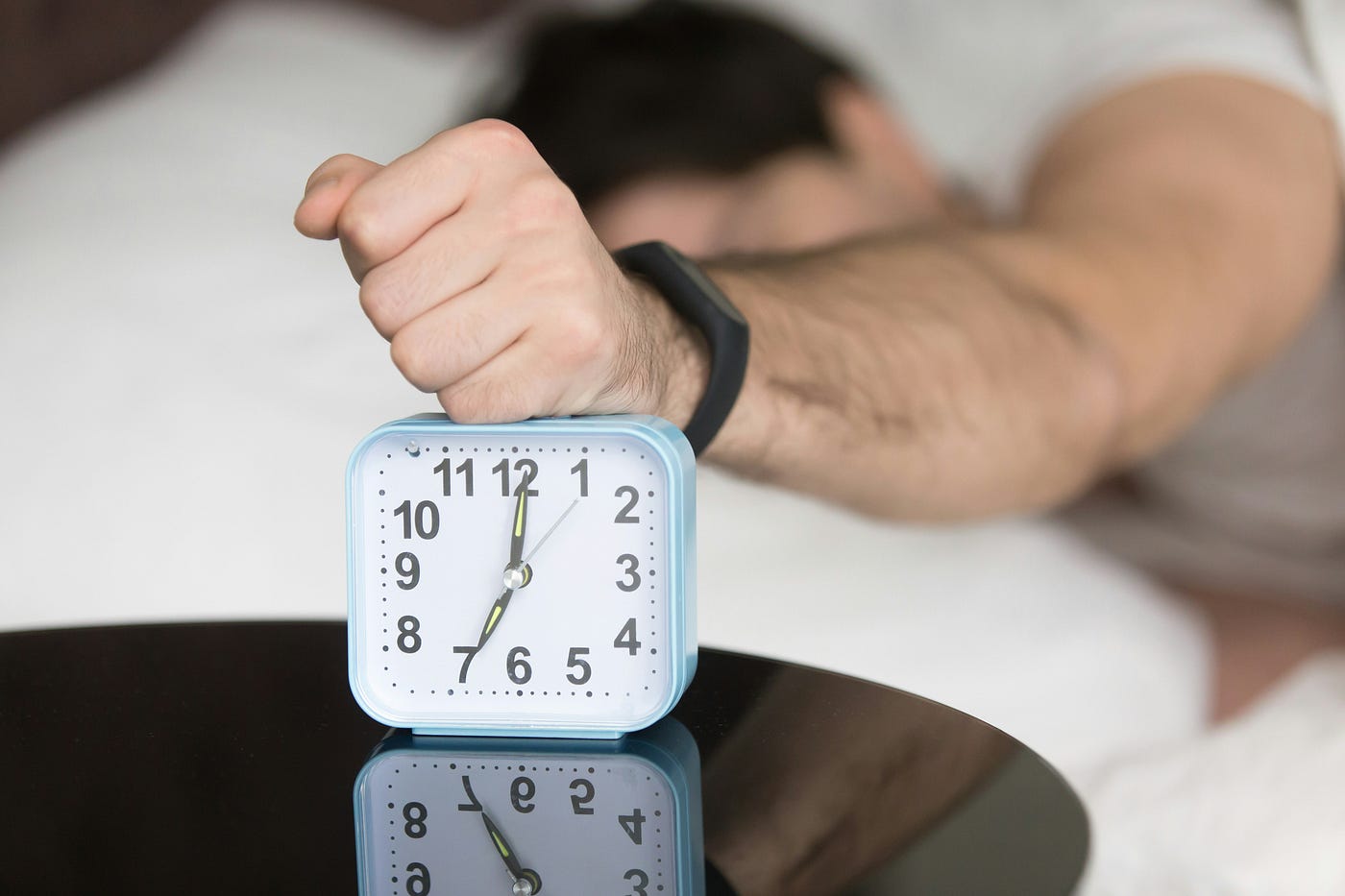
“I slept 7–8 hours… but I woke up exhausted.”
This is one of the most frustrating health states because it feels unfair. You did the “right thing” (time in bed), but your body still feels heavy, foggy, and unready.
In clinic, this usually means one thing: you have sleep quantity without restorative quality.
In Korean Medicine terms, morning fatigue is rarely a single issue. It is often a layered pattern involving some combination of:
- nighttime overactivation (wired state)
- digestive load (especially late/heavy dinner)
- retention/heaviness pattern (puffy, foggy wake-ups)
- low recovery reserve (depletion)
This episode gives a practical framework to identify your dominant driver and a 14-day reset plan.
1) First distinction: “sleep time” vs “sleep recovery”
You can spend enough hours in bed and still wake tired if:
- sleep is fragmented
- arousal remains high at night
- digestion is overloaded late
- circadian rhythm is misaligned
- pain/tension repeatedly micro-wakes you
- breathing quality is poor during sleep
So the target is not more hours only. The target is better recovery per hour.
2) The 4 common morning-fatigue patterns
Pattern A: Wired-at-night, drained-in-morning
Clues
- hard to fall asleep
- mind/body “on” at bedtime
- light sleep or frequent waking
- morning dread/fog despite adequate hours
Common drivers
late stimulation, caffeine timing, stress carryover, no downshift routine.
First moves
- strict caffeine cut-off
- 45–60 min pre-bed downshift
- fixed wake-time window
Pattern B: Heavy/puffy/foggy mornings
Clues
- facial/hand puffiness on waking
- heavy head/body feeling
- bloating or coated/heavy gut sensation
- worse after late dense dinners
Common drivers
late/heavy meals, low evening movement, irregular meal rhythm, high-sodium/dense nighttime intake.
First moves
- earlier/lighter dinner
- 10-minute post-dinner walk
- warm/simple evening meals for 7–14 days
Pattern C: Depleted recovery (low reserve)
Clues
- wake unrefreshed even after long sleep
- energy crashes early
- low stress tolerance
- fragile digestion/appetite variability
Common drivers
chronic overwork, accumulated sleep debt, under-fueling/irregular meals, pushing through fatigue.
First moves
- stabilize first-meal timing
- reduce intensity load for 1–2 weeks
- gentle daily movement + earlier bedtime opportunity
Pattern D: Tension-sleep disruption loop
Clues
- jaw/neck/shoulder tightness on waking
- headaches or body ache in the morning
- sleep worsens during stress/pain flares
Common drivers
muscle guarding, poor sleep posture, stress physiology, pain-anxiety loop.
First moves
- evening tension downshift (jaw/neck/diaphragm release)
- heat or warm shower before bed (if helpful)
- daytime posture variation + micro-movement breaks
3) The most common mistake: trying to fix mornings only
People try:
- stronger coffee
- supplements immediately on waking
- skipping breakfast then overeating later
- panic about productivity
That treats the symptom, not the cause.
Morning fatigue is usually an evening + nighttime + rhythm problem. Fix starts the night before.
4) The 14-day Morning Recovery Reset (copy-paste)
Daily anchors (do all 5)
- fixed wake-time window (even after poor sleep)
- caffeine cut-off time (keep consistent)
- earlier/lighter dinner
- 10-minute walk after dinner
- 30–60 minute pre-bed downshift (lower stimulation)
Morning sequence (10–20 minutes)
- light exposure soon after waking
- hydration
- gentle movement (not intense)
- delay panic-checking phone/news if possible
Track 4 metrics daily
- morning energy (0–10)
- sleep quality (0–10)
- sleep onset latency (estimate)
- heaviness/fogginess (0–10)
At day 14, keep the 2 interventions with highest impact.
5) Food timing for better mornings (simple)
If your mornings are heavy, test this for 1 week:
- dinner earlier by 60–90 minutes
- dinner volume reduced by ~20–30%
- less dense late-night intake
- no late sugar-heavy snacks
This alone often improves morning clarity significantly.
6) Caffeine strategy (to avoid the trap)
Caffeine is a tool, not a rescue identity.
Use:
- consistent dose
- earlier timing
- no “rolling top-ups” all day
If you need escalating caffeine to feel normal, recovery debt is accumulating.
7) When to consider medical evaluation
Morning fatigue deserves medical workup when:
- persistent >2–4 weeks despite rhythm correction
- loud snoring, witnessed apneas, choking/gasping at night
- significant mood symptoms (depression/anxiety)
- unexplained weight change, hair/skin changes, cold intolerance
- concern for anemia, thyroid dysfunction, glucose issues, chronic infection/inflammation
- severe daytime sleepiness affecting safety (driving/work)
Pattern-based care helps, but don’t miss diagnosable causes.
8) What improvement should look like
Expect gradual gains, not overnight transformation.
Early signs:
- slightly easier wake-up
- less morning heaviness
- fewer “wired nights”
- reduced dependence on emergency caffeine
- steadier midday energy
Trend over 2 weeks is what matters.
Closing
If you wake tired despite enough sleep, you’re not failing. Your recovery system is asking for better sequencing.
Start with:
- wake-time anchor
- caffeine boundary
- earlier/lighter dinner
- post-dinner walk
- pre-bed downshift
Do this consistently for 14 days. That’s how mornings become clearer again.
Next episode
Korean Medicine 101 #45: The Afternoon Crash — Why Energy Collapses at 2–5 PM and How to Prevent It We’ll map the most common crash patterns (blood sugar rhythm, sleep debt, caffeine rebound, digestive load, stress cycling) and provide a practical prevention protocol.
About the author
Jayoun Cho is a licensed Korean medicine doctor (KMD) practicing in Seoul, Korea, with 15 years of clinical experience. She studied Computer Science at Seoul National University and Korean Medicine at Kyung Hee University, and later trained in Counseling Psychology at Kyung Hee Cyber University.
[embed]조자연의 현대과학과 한의학 연구노트 : 네이버 블로그 Edit descriptionblog.naver.com
[embed]조자연의 브런치스토리 에세이스트 | 한의사, 그리고 글쓰는 사람. 진료실에서 시작된 이야기를 글로 옮기며 삶을 고치는 시간을 기록합니다.brunch.co.kr
메타데이터
- post_id
- a4ef1bc2d152
- slug
- korean-medicine-101-44-morning-fatigue-why-you-wake-up-tired-even-after-enough-sleep-a4ef1bc2d152
- url
- https://medium.com/@balanceorigin/korean-medicine-101-44-morning-fatigue-why-you-wake-up-tired-even-after-enough-sleep-a4ef1bc2d152
- canonical_url
- https://medium.com/@balanceorigin/korean-medicine-101-44-morning-fatigue-why-you-wake-up-tired-even-after-enough-sleep-a4ef1bc2d152
- author_url
- https://medium.com/@balanceorigin
- status
- ok
- fetched_at
- 2026-06-09 15:37:30