Everything You Need to Know About the ITLG Staking Mechanism
🚀 EVERYTHING YOU NEED TO KNOW ABOUT THE ITLG STAKING MECHANISM
Everything You Need to Know About the ITLG Staking Mechanism
🚀 EVERYTHING YOU NEED TO KNOW ABOUT THE ITLG STAKING MECHANISM
As the InterLink ecosystem moves closer to its Mainnet launch, understanding the staking mechanism becomes increasingly important because it is directly connected to how ITL distribution may function in the future.
Below are several key points to better understand the ITLG staking mechanism:
🔄 1. vITLG and ITLG Fundamentally Represent the Same Value
Within the described mechanism, vITLG and ITLG are fundamentally not separate assets. All existing ITLG holdings are planned to be migrated completely (100%).
However, the migration process will not happen all at once. Instead, implementation is expected to occur gradually through multiple phases as the ecosystem evolves.
✅ 2. Full Flexibility in Creating Staking Positions
Users have the flexibility to divide their ITLG holdings into multiple staking positions.
In practice, this means someone may create their own strategy — for example, allocating part of their holdings to shorter lock periods while placing another portion into longer-term positions, each with different vesting options.
This approach provides greater flexibility compared to staking systems that only allow a single fixed setup.
🔓 3. Distribution Schedules Become Immutable After Confirmation
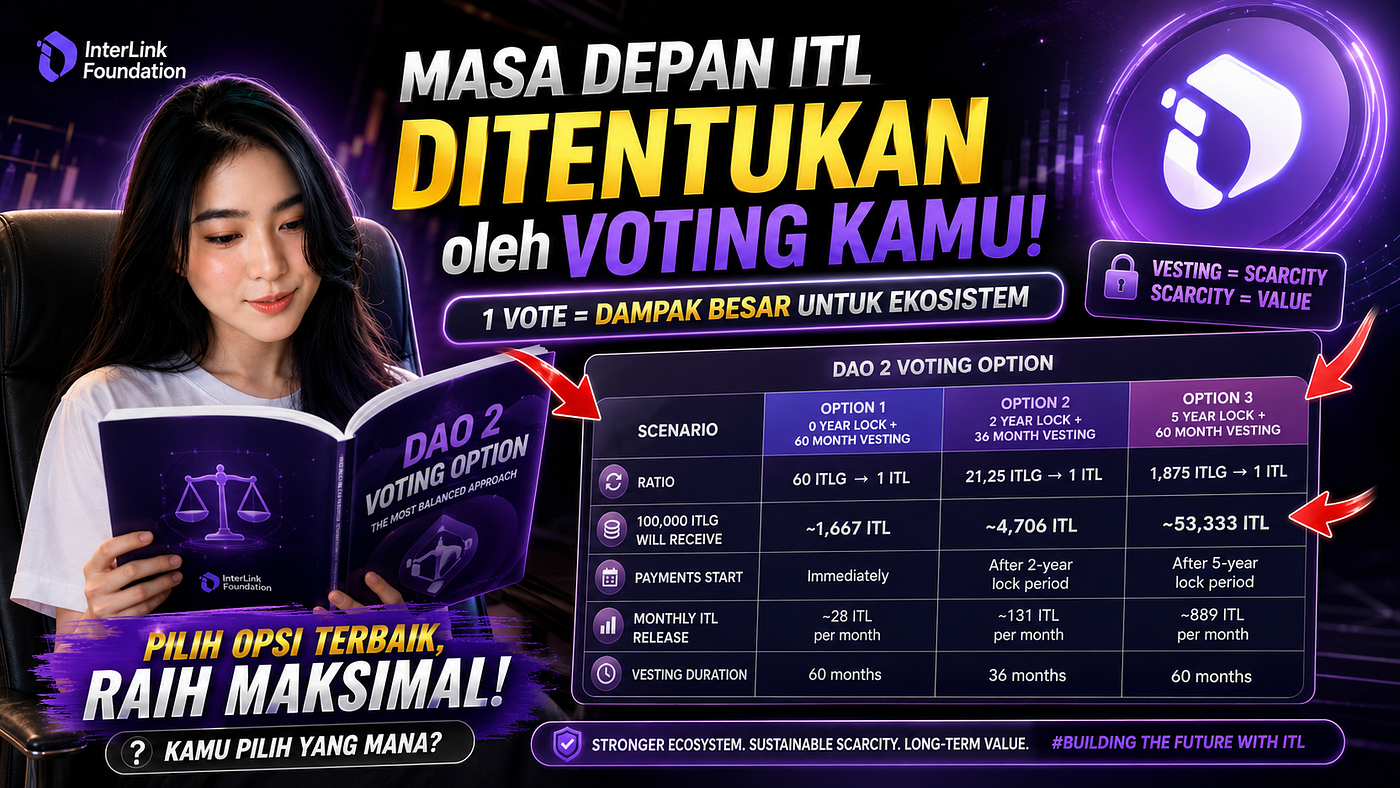
When users lock ITL through staking, the selected payout schedule becomes permanent.
Once a staking position is confirmed, lock period details and the vesting schedule are recorded into a smart contract and can no longer be modified by anyone, including the development team.
In other words, the system is designed so that distribution rules operate automatically according to the schedule selected at the beginning.
At the same time, available explanations indicate that users’ ITLG holdings remain freely usable as normal.
📅 4. Two Distribution Methods After the Lock Period Ends
After the lock period ends, ITL distribution may happen in one of two ways:
• Immediate full release (0-month vesting), where the full allocation becomes available at once after the lock period finishes.
• Gradual release (linear vesting), where ITL is distributed little by little every month according to the selected vesting duration.
Through this mechanism, users may choose between faster access to allocation or a more gradual distribution model.
📌 Conclusion
The ITLG-to-ITL conversion model is not merely a temporary technical mechanism but may become a long-term economic foundation within the InterLink ecosystem.
Decisions regarding lock periods, vesting, and token distribution may influence several important factors, including:
• Circulating supply • Ecosystem liquidity • Network expansion speed • Long-term scarcity dynamics • ITL’s future economic value potential
For this reason, understanding the mechanism early may help provide a clearer picture of how InterLink’s economic structure could develop over time.
🎥 This content/video was created using AI (AI-generated content)
InterLink #ITLG #ITL #DAO

source: https://x.com/inter_link/status/2059306555225546975?s=20
메타데이터
- post_id
- a4f35eeaceb1
- slug
- everything-you-need-to-know-about-the-itlg-staking-mechanism-a4f35eeaceb1
- url
- https://medium.com/@Tjandra75/everything-you-need-to-know-about-the-itlg-staking-mechanism-a4f35eeaceb1
- canonical_url
- https://medium.com/@Tjandra75/everything-you-need-to-know-about-the-itlg-staking-mechanism-a4f35eeaceb1
- author_url
- https://medium.com/@Tjandra75
- status
- ok
- fetched_at
- 2026-06-09 15:37:30