Business, Politics, and the Price of Progress: The Bob Oshodin Case
In the high-stakes world of African business and geopolitics, few stories encapsulate the intersection of power, enterprise, and legal…
Business, Politics, and the Price of Progress: The Bob Oshodin Case
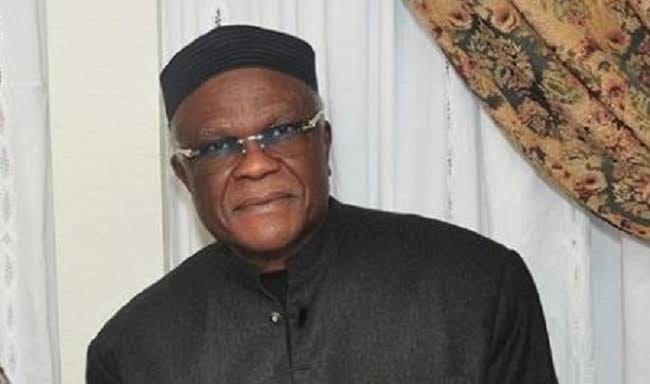
In the high-stakes world of African business and geopolitics, few stories encapsulate the intersection of power, enterprise, and legal ambiguity like that of Nigerian entrepreneur Bob Oshodin. Once hailed for his role in one of the nation’s most ambitious post-conflict rehabilitation programs, Oshodin is now battling reputational damage, unrelenting prosecution, and what many legal analysts are calling a decades-long miscarriage of justice.
A Vision for Peace Through Economic Empowerment
At the heart of Oshodin’s work was a contract awarded during the administration of President Goodluck Jonathan. The mandate: to rehabilitate and retrain ex-militants from the oil-rich but conflict-ridden Niger Delta. Oshodin developed a fully functioning factory and training center where former combatants were trained, certified, and set on a path toward economic reintegration.
Government inspections during Jonathan’s tenure praised the facility’s impact. Dozens of young men graduated from the program and were issued formal certifications. The administration had even taken steps to purchase the factory outright, with the goal of institutionalizing it as a national peacebuilding asset.
For a time, it worked. Oshodin was seen as a model of public-private collaboration. But with a change in government came a radical shift in perception — and policy.
From Praised Partner to Political Pariah
When President Muhammadu Buhari assumed office in 2015, his administration launched a sweeping anti-corruption campaign that focused heavily on projects and figures from the Jonathan era. Oshodin, once considered a national asset, was quickly rebranded as a target.
Despite no new evidence and no judicial proceedings, the Economic and Financial Crimes Commission (EFCC) began investigating him for alleged financial impropriety related to the project. The factory’s existence — once celebrated — was questioned. Completed transactions were reframed as suspicious. And Oshodin’s name was dragged through Nigerian and international media, with few outlets pausing to examine the facts.
Follow the Money — And the Paper Trail
According to documents reviewed by Forbes Africa, payments to Oshodin from the Nigerian government were processed through Access Bank Nigeria and routed through Citibank and Wells Fargo in the United States — both institutions known for their rigorous compliance protocols. Not only were the transactions cleared, but the U.S. Internal Revenue Service (IRS) also audited and taxed the income.
Perhaps most telling: when the Nigerian government requested the U.S. Department of Justice to seize Oshodin’s assets and pursue extradition, the request was denied.
If America’s financial and legal systems — arguably among the most scrutinizing in the world — have found no fault, it begs the question: what is the EFCC still pursuing?
The Human Cost: A Family Under Siege
While Oshodin has weathered this ordeal with tenacity, his family has paid a heavy price. His wife, Mimie Oshodin, was arrested and detained for three months without formal investigation. Her passport was seized. ₦200 million was allegedly taken from her under duress. Mimie, who requires specialized medical treatment in the U.S., has seen her health deteriorate due to forced travel restrictions.
Despite living in Benin City — where the EFCC has a local office — she is compelled to report monthly to their headquarters in Abuja, hundreds of kilometers away.
For many observers, this is not about justice — it’s about pressure, power, and political punishment.
A Bigger Story About Business in Africa
Bob Oshodin’s story is not just about one businessman’s battle with a state institution. It’s about the fragility of contracts, the volatility of political transitions, and the vulnerability of local entrepreneurs who align themselves — however unintentionally — with outgoing regimes.
For a continent pushing forward with intra-African trade, foreign direct investment, and tech-driven economic transformation, this case raises a fundamental concern: Can businesses operate without fear of retroactive criminalization? Can political transitions respect legally binding agreements? Can rule of law prevail over political expediency?
Until the case is resolved, the answers remain uncertain. But the consequences of inaction are clear.
Bob Oshodin’s fight is not just for exoneration. It’s a referendum on Nigeria’s legal credibility in the global economic community.
메타데이터
- post_id
- a5000eed5145
- slug
- business-politics-and-the-price-of-progress-the-bob-oshodin-case-a5000eed5145
- url
- https://medium.com/@investigativereporter/business-politics-and-the-price-of-progress-the-bob-oshodin-case-a5000eed5145
- canonical_url
- https://medium.com/@investigativereporter/business-politics-and-the-price-of-progress-the-bob-oshodin-case-a5000eed5145
- author_url
- https://medium.com/@investigativereporter
- status
- ok
- fetched_at
- 2026-06-16 19:09:56