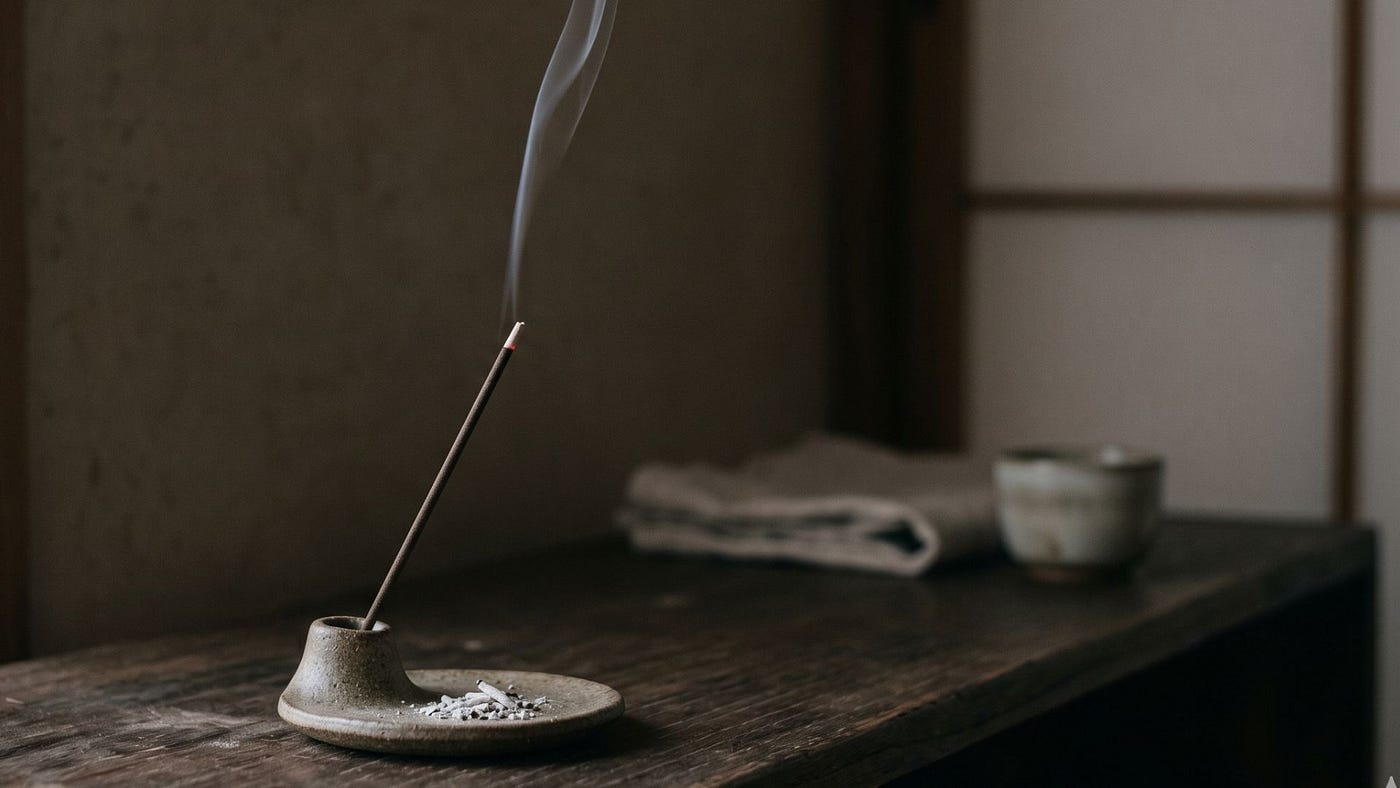
How to Practice Zazen Meditation at Home (Even If You’ve Never Meditated Before)
The ancient Zen sitting practice — simplified for modern beginners.
How to Practice Zazen Meditation at Home (Even If You’ve Never Meditated Before)
The ancient Zen sitting practice — simplified for modern beginners.
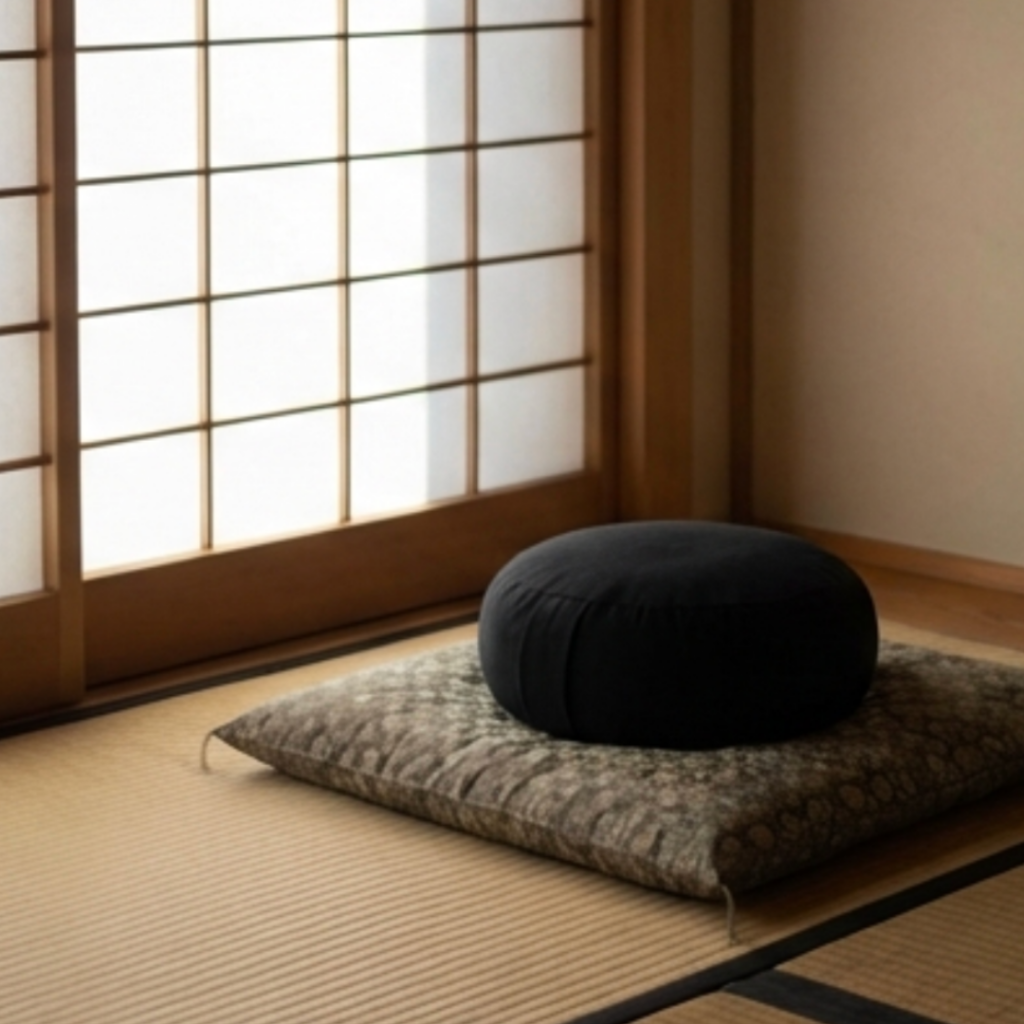
Most people assume meditation requires the right cushion, the right posture, the right teacher, and probably a few years of practice before anything meaningful happens.
Zazen — the seated meditation practice at the heart of Zen Buddhism — asks you to let go of all of that.
Not because preparation doesn’t matter. But because zazen is, at its core, the practice of sitting with things exactly as they are. The noise outside your window. The thought you can’t stop thinking. The discomfort in your lower back. The fact that you have no idea what you’re doing.
All of it is the practice.
What is zazen?
Zazen translates literally as “seated Zen.” It has been practiced in Japan for over 800 years, introduced by the monk Dōgen after he trained in China and returned with a deceptively simple teaching: enlightenment is not something you achieve. It is something you express — through the act of sitting itself.
This is quite different from many Western ideas about meditation, which tend to frame it as a technique for achieving a particular outcome: relaxation, focus, stress reduction, better sleep. Zazen is not opposed to any of these things happening. But it does not aim for them. It aims for nothing at all.
Which, paradoxically, makes it one of the most difficult and most rewarding practices a person can undertake.
Why practice at home?
Traditionally, zazen is practiced in a Zen monastery under the guidance of a teacher. But for most people in the West, that is not a realistic starting point. The good news is that zazen can be practiced anywhere — and starting at home, on your own schedule, with whatever you have available, is entirely legitimate.
The practice is simpler than you might think. It requires no special equipment, no particular spiritual beliefs, and no prior experience with meditation. What it does require is consistency and a willingness to sit with whatever arises — including, on many days, the strong desire to stop sitting.
The basic posture
Zazen is practiced in a stable, upright seated position. The traditional posture is the full lotus — both feet resting on opposite thighs — but this is not accessible to most beginners, and forcing it is counterproductive.
More practical options include the half lotus (one foot on the opposite thigh), the Burmese position (both legs folded with feet on the floor), or simply sitting upright on a chair with both feet flat on the ground.
Whatever position you choose, the key elements are the same. The spine is straight but not rigid — imagine a thread gently pulling the crown of your head toward the ceiling. The hands rest in the cosmic mudra: left hand cradled in the right, thumbs lightly touching to form an oval. The eyes are half-open, cast downward at a 45-degree angle. The mouth is closed, with the tongue resting lightly on the upper palate.
What to do once you’re sitting
This is where zazen diverges most sharply from many other meditation practices: you don’t do very much at all.
You don’t focus on the breath as an object of concentration. You don’t repeat a mantra. You don’t try to empty your mind. You simply sit. You breathe naturally. And when thoughts arise — as they will, endlessly — you don’t fight them or follow them. You simply notice them, and return to sitting.
That return — from distraction back to the present moment — is the practice. It happens dozens of times in a single session. And each time it happens, something quietly shifts.
How long to sit
For beginners, 10 minutes is enough. Not because 10 minutes is the ideal duration, but because building a consistent daily practice is more important than sitting for a long time occasionally.
Start with 10 minutes every day for two weeks. If the practice feels sustainable, extend to 20 minutes. Many experienced practitioners sit for 30 to 45 minutes. Some sit for much longer. The duration matters less than the consistency.
A simple timer is all you need. Set it, sit down, and begin.
What you will encounter
In the first few minutes of every zazen session, most practitioners encounter the same thing: the mind is much busier than they expected.
Thoughts about work, about relationships, about what to have for dinner, about whether they are doing this correctly — an endless stream, arriving faster than they can be noted. This is not a problem. It is not a sign of failure. It is what the mind does.
The instruction is simple and always the same: notice that you have been thinking, and return to sitting. Not with frustration or judgment. Just return.
Over time — weeks, months, years — this practice of returning develops into something. It is difficult to describe precisely, because it is not a concept or a belief or an achievement. It is more like a quality of presence that becomes gradually available in ordinary life — a slightly wider space between stimulus and response, a slightly less frantic relationship with the contents of the mind.
Dōgen called this shikantaza — “just sitting.” Nothing to achieve. Nowhere to go. Just this.
Getting started today
You need nothing except a quiet place and a timer.
Sit down. Set the timer for 10 minutes. Place your hands in the cosmic mudra. Let your eyes settle into a soft downward gaze. Begin breathing naturally.
When thoughts arise — and they will — notice them without following them. Return to sitting.
When the timer sounds, sit for one more minute before moving. Let the transition out of zazen be as unhurried as the sitting itself.
That is all. Do it again tomorrow.
Want the complete guide to zazen — including detailed posture instructions, guidance on common difficulties, and how to find a Zen community to practice with? Read the full article on Zen Echoes:
→ How to Practice Zazen at Home: A Complete Beginner’s Guide
Zen Echoes explores Japanese Zen philosophy, mindful living, and cultural travel for English-speaking readers.
메타데이터
- post_id
- a501fa0bfb2d
- slug
- how-to-practice-zazen-meditation-at-home-even-if-youve-never-meditated-before-a501fa0bfb2d
- url
- https://medium.com/@zenechoes/how-to-practice-zazen-meditation-at-home-even-if-youve-never-meditated-before-a501fa0bfb2d
- canonical_url
- https://medium.com/@zenechoes/how-to-practice-zazen-meditation-at-home-even-if-youve-never-meditated-before-a501fa0bfb2d
- author_url
- https://medium.com/@zenechoes
- status
- ok
- fetched_at
- 2026-07-10 22:17:52