Why Smart Business Owners Hire a WordPress Web Designer Instead of DIY
INTRODUCTION
Why Smart Business Owners Hire a WordPress Web Designer Instead of DIY
INTRODUCTION
You sit down at your computer on a Friday evening with a cup of coffee and a simple goal. You want to build a quick website for your growing business. Fast forward to 2 AM, and you are staring at a misaligned header, a broken mobile menu, and a nagging feeling that this was a terrible idea.
This scenario plays out thousands of times every day. The internet is full of marketing campaigns promising that anyone can build a stunning website in an afternoon. While the tools have certainly become more accessible, building a site that actually generates revenue requires an entirely different skill set.

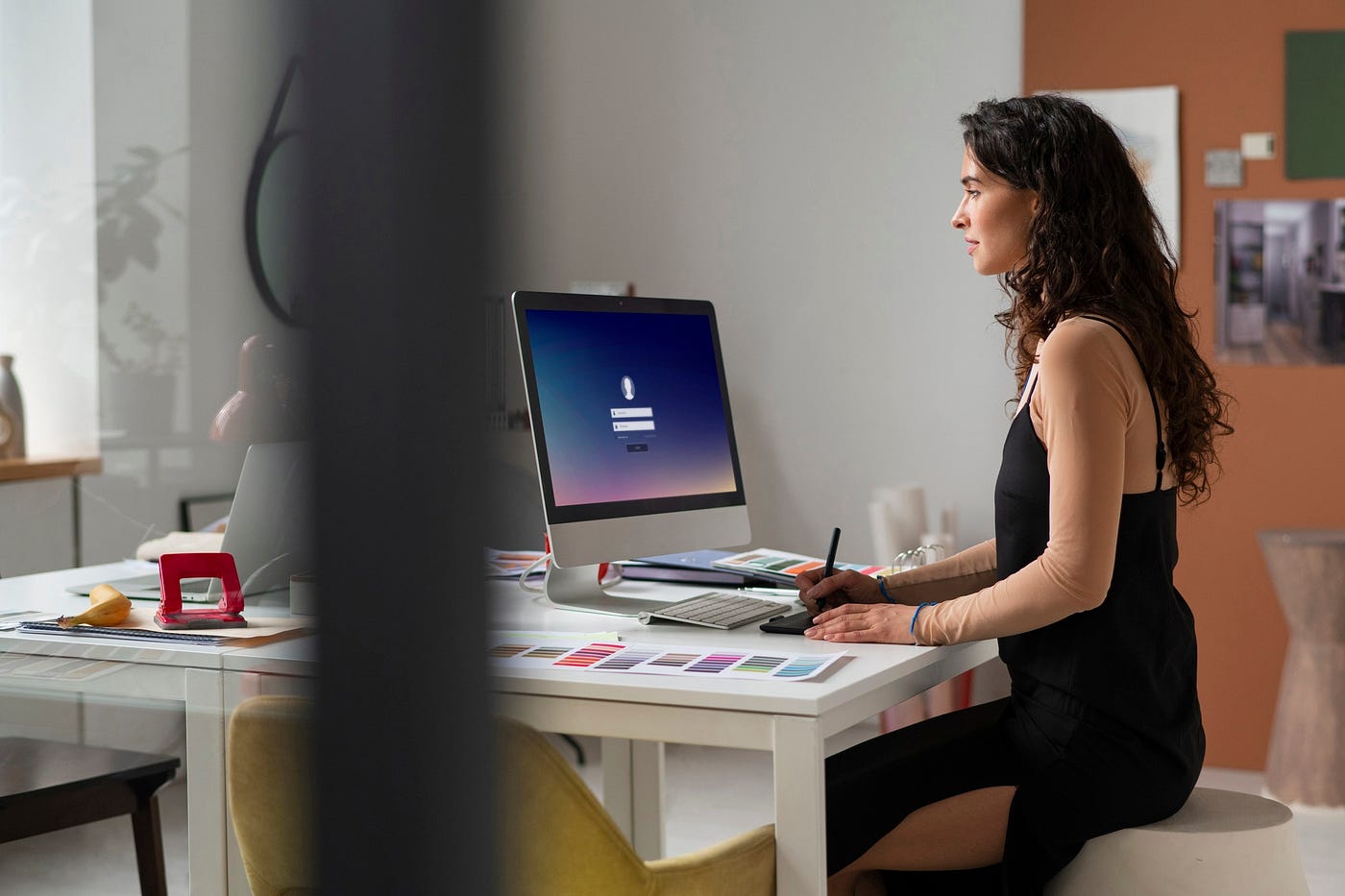
WordPress Web Designer
As a professional web designer with over 15 years in the trenches, I have watched countless entrepreneurs lose weeks of their time wrestling with DIY builders. They ultimately end up with a site that looks amateurish and fails to convert visitors into clients. You are not just building digital real estate. You are creating the primary revenue engine for your business.
In this guide, we will explore why treating your website as a DIY weekend project is often the most expensive mistake a business owner can make. You will learn the hidden pitfalls of amateur design and understand exactly what a professional brings to the table.
The Hidden Cost of “Free” and DIY Web Design
The most common misunderstanding about web design is equating the cost of a software subscription with the cost of a successful website. You might find a cheap WordPress Website Template and think your expenses are covered. However, the true cost of a DIY website is rarely monetary.
The real expense is paid in lost time, missed opportunities, and damaged brand trust. When you spend 40 hours trying to figure out padding and margins, you are taking 40 hours away from serving your actual clients. A site that takes ten seconds to load or looks broken on a smartphone actively drives potential customers to your competitors.
A professional designer understands that a website is a business tool. We look beyond the surface aesthetics to evaluate how the site functions, how it guides the user, and how it performs in search rankings. The initial investment in an expert pays dividends through higher conversion rates and fewer technical headaches down the road.
Strategic Design Versus Template Assembly
There is a massive difference between assembling a pre-made WordPress Page Template and designing a strategic user journey. DIY builders condition users to focus entirely on how things look. Professional web design focuses on how things work and how they drive specific business outcomes.
A seasoned developer approaches a project with a framework built on performance, usability, and future growth. Let us break down the foundational concepts that separate a professional build from a weekend DIY project.
Performance and Technical Foundations
A website must load incredibly fast to keep visitors engaged. DIY sites are often bloated with unnecessary code, excessive plugins, and unoptimized images. A professional ensures the technical architecture is lean. We configure proper caching, optimize database queries, and select hosting environments that can actually handle your traffic spikes.

User Experience and Conversion Architecture
Beautiful design means nothing if the user cannot figure out what to do next. Professionals use established UX principles to guide the visitor’s eye. We structure the navigation intuitively and place calls to action where data proves they are most effective. Every single Divi Page Layout we construct is deliberately mapped to a specific customer journey.
Long-Term Scalability and Asset Ownership
When you use a proprietary DIY builder, you are essentially renting your digital storefront. If you outgrow the platform, you cannot take your site with you. Building on an open-source platform like WordPress ensures you own your assets completely. A professional setup gives you the foundation to scale from a local service provider to an international brand without having to start over.
Common Mistakes I See in DIY Websites
After reviewing hundreds of client sites over the years, certain patterns become glaringly obvious. These are the most frequent mistakes business owners make when they try to handle their own web design.
- Treating Mobile as an Afterthought: Many DIYers design exclusively on their desktop monitors. They forget that over half of global web traffic comes from mobile devices. A professional ensures perfect formatting across every single breakpoint.
- Overstuffing the Site with Plugins: It is tempting to solve every problem by installing another plugin. This creates a tangled web of conflicting code that destroys site speed and creates severe security vulnerabilities.
- Ignoring Technical SEO: Throwing a few keywords onto a page is not enough. DIYers routinely miss critical elements like proper heading structures, image alt tags, schema markup, and optimized URL permalinks.
- Inconsistent Visual Branding: Using three different fonts and a mismatched color palette makes a business look untrustworthy. Every Divi Layout or template needs strict global design rules to maintain brand integrity.
- Lack of Clear Hierarchy: When every element on the page screams for attention, the user gets overwhelmed and leaves. Professional designers use white space and typography to tell the user exactly what is most important.
How to Transition from DIY to Professional Design
If you have realized your current DIY site is holding your business back, moving to a professional setup requires careful planning. Here are practical steps you can take to ensure the transition is successful and highly profitable.
- Audit Your Current Pain Points: Document exactly what is failing on your current site. Are you getting traffic but no leads? Is the site crashing? Write these down to guide your future designer.
- Define Clear Business Objectives: Do not hire someone just to make things look pretty. Tell your designer exactly what the site needs to achieve. Whether that is booking more consultations or selling more products, the design must follow the goal.
- Gather Your Content First: One of the biggest bottlenecks in web design is missing text and imagery. Have your core messaging, team photos, and service descriptions ready before the design phase begins.
- Understand Asset Ownership: Always ensure your contract states that you own the final website, the domain name, and the hosting account. You should have full administrative access once the project is paid in full.
- Plan for Ongoing Maintenance: A website is not a static brochure. It requires regular software updates, security scans, and backups. Decide whether you will handle this internally or retain your designer for a monthly care plan.
Essential Tools for Professional Web Design
While the strategy matters most, the tools we use dictate the quality and longevity of the final product. As an educator and agency owner, I rely on systems that offer flexibility without sacrificing performance.
WordPress remains the absolute gold standard for business websites. It powers over forty percent of the internet because it is endlessly adaptable. Within that ecosystem, visual builders have evolved significantly. I highly recommend the Divi theme by Elegant Themes. It allows developers to create deeply customized sites with incredible efficiency.
When working with clients, I frequently utilize a customized Divi Template to establish a strong structural baseline. The upcoming release of Divi 5 represents a massive leap forward in backend performance and developer flexibility. It strips away legacy code and provides a blazingly fast interface. Even if you start with a premium WordPress Template, having a professional customize the underlying code ensures your site functions securely and ranks well on search engines.
The Reality of the Modern Digital Landscape
The internet is vastly more competitive today than it was even five years ago. Users have zero tolerance for clunky navigation or slow load times. Google has explicitly stated that user experience metrics, known as Core Web Vitals, actively impact your search engine rankings.
If your site fails to pass these technical benchmarks, your competitors will simply outrank you. This is why the “good enough” approach of a DIY builder no longer works for serious businesses. Your digital presence requires the same level of professional investment as your legal structure or your accounting software.
In my own practice at Alish Web Design, we have seen clients double their organic lead volume simply by replacing a bloated DIY site with a strategically built, professionally coded alternative. The visual upgrade builds trust, but the technical upgrade drives the actual business results.

Business Owner
Frequently Asked Questions About Hiring a Web Designer
How do I know it is time to hire a professional web designer? If your website is loading slowly, failing to generate leads, or if you are embarrassed to share your URL with potential clients, it is time for an upgrade. Additionally, if managing the site takes time away from running your business, outsourcing is the smart move.
Why is WordPress better than simple drag-and-drop builders? WordPress offers complete ownership of your digital assets and unparalleled scalability. Unlike closed platforms, you can modify any aspect of the code, migrate to different hosting providers, and integrate with almost any third-party business software.
What is the best way to prepare before contacting a web designer? You should have a clear understanding of your target audience and your primary business goals. Gathering your branding assets, high-quality images, and a basic outline of the pages you need will make the initial consultation much more productive.
How much time will I need to dedicate to a professional web project? While the designer does the heavy lifting, you will need to be available for initial strategy meetings, content approval, and milestone reviews. Expect to invest a few hours a week providing feedback during the active build phase.
What is a Divi Layout and why do developers use it? A Divi Layout is a pre-designed structural arrangement built within the Divi ecosystem. Professionals use these as foundational wireframes to speed up development time. We then heavily customize the styling, code, and content to match your specific brand requirements.
Will I be able to update my own website after a professional builds it? Yes. A reputable WordPress developer will build the site in a way that makes routine updates easy for you. They should provide training documents or videos showing you how to change text, swap images, or publish new blog posts safely.
Key Takeaways from This Guide
- The true cost of a DIY website is measured in your wasted time and the revenue lost to competitors with superior digital experiences.
- Professional design focuses heavily on invisible elements like site speed, conversion architecture, and technical SEO.
- Closed DIY platforms essentially force you to rent your website, while WordPress gives you complete ownership and control.
- Transitioning to a professional requires clear business goals and a commitment to gathering high-quality content.
- Expert implementation of tools like a Divi Template ensures your site looks entirely unique while maintaining pristine underlying code.
What to Do Next
First, run your current website through a free performance testing tool like Google PageSpeed Insights. Take an honest look at the mobile scores to see exactly how your site is performing under the hood.
Second, calculate how many hours you spend every month trying to fix or update your DIY website. Multiply those hours by your standard hourly billing rate. You will likely find that hiring an expert is significantly cheaper than doing it yourself.
If you are ready to stop wrestling with code and want to explore professionally built systems that drive actual growth, I regularly share insights and strategies at alishwebdesign.com to help you make informed digital decisions. Stop treating your business website like an experiment and start treating it like your most valuable digital asset.
메타데이터
- post_id
- a55f4e9d9b9d
- slug
- why-smart-business-owners-hire-a-wordpress-web-designer-instead-of-diy-a55f4e9d9b9d
- url
- https://medium.com/@wordpressexpressinfo/why-smart-business-owners-hire-a-wordpress-web-designer-instead-of-diy-a55f4e9d9b9d
- canonical_url
- https://medium.com/@wordpressexpressinfo/why-smart-business-owners-hire-a-wordpress-web-designer-instead-of-diy-a55f4e9d9b9d
- author_url
- https://medium.com/@wordpressexpressinfo
- status
- ok
- fetched_at
- 2026-06-22 07:15:07