Advanced Farming Market Trends: Exploring the Future of Precision Agriculture and Sustainable…
Agriculture has always been the foundation of human civilization, but modern farming is undergoing a major transformation driven by digital…
Advanced Farming Market Trends: Exploring the Future of Precision Agriculture and Sustainable Farming
Agriculture has always been the foundation of human civilization, but modern farming is undergoing a major transformation driven by digital innovation, automation, and sustainable practices. Advanced farming combines technologies such as artificial intelligence, robotics, sensors, precision agriculture, drones, and data analytics to improve productivity while reducing resource consumption. As farmers face challenges related to climate change, labor shortages, and increasing food demand, technology-enabled agricultural solutions are becoming essential for the future of food production.

Advanced Farming Market
As per Market Research Future analysis, the **Advanced Farming Market Size** was estimated at 19.66 USD Billion in 2024. The Advanced Farming industry is projected to grow from 21.35 USD Billion in 2025 to 48.64 USD Billion by 2035, exhibiting a compound annual growth rate (CAGR) of 8.58% during the forecast period 2025–2035.
The Rise of Technology-Driven Agriculture
Traditional farming methods are gradually evolving as farmers adopt smarter solutions that enable better decision-making. Advanced farming technologies help monitor soil conditions, manage crops efficiently, and optimize the use of water, fertilizers, and pesticides. Real-time data collected through connected devices allows farmers to understand field conditions and take preventive actions before problems impact crop yields.
Precision farming has become one of the most important components of this transformation. By using GPS technology, satellite imagery, and IoT-based monitoring systems, farmers can analyze specific areas of farmland and apply resources only where they are needed. This approach supports higher efficiency and promotes environmentally responsible agricultural practices.
Major Players
Bayer AG (DE)
Corteva Agriscience (US)
Syngenta AG (CH)
BASF SE (DE)
John Deere (US)
AG Leader Technology (US)
Trimble Inc. (US)
Topcon Positioning Systems (US)
Yara International (NO)
Key Factors Supporting Advanced Farming Growth
Several factors are contributing to the increasing adoption of advanced farming solutions. The growing global population has created a need for improved agricultural productivity, encouraging farmers to explore innovative methods that maximize output from limited resources.
Sustainability is another major factor influencing the adoption of smart farming technologies. Concerns regarding water scarcity, soil degradation, and environmental impact have increased the demand for solutions that support resource conservation. Advanced irrigation systems, automated equipment, and data-driven farming methods help reduce waste and improve operational efficiency.
The integration of artificial intelligence and machine learning is also reshaping agricultural operations. AI-powered platforms can analyze large amounts of agricultural data to provide insights related to weather patterns, crop health, and disease prevention. These capabilities allow farmers to make more accurate decisions and improve overall farm management.
Role of Automation and Connected Technologies
Automation is becoming a key element of modern agriculture. Robotic systems are being developed to perform tasks such as planting, harvesting, monitoring crops, and managing farm operations. These technologies help address labor challenges while improving accuracy and productivity.
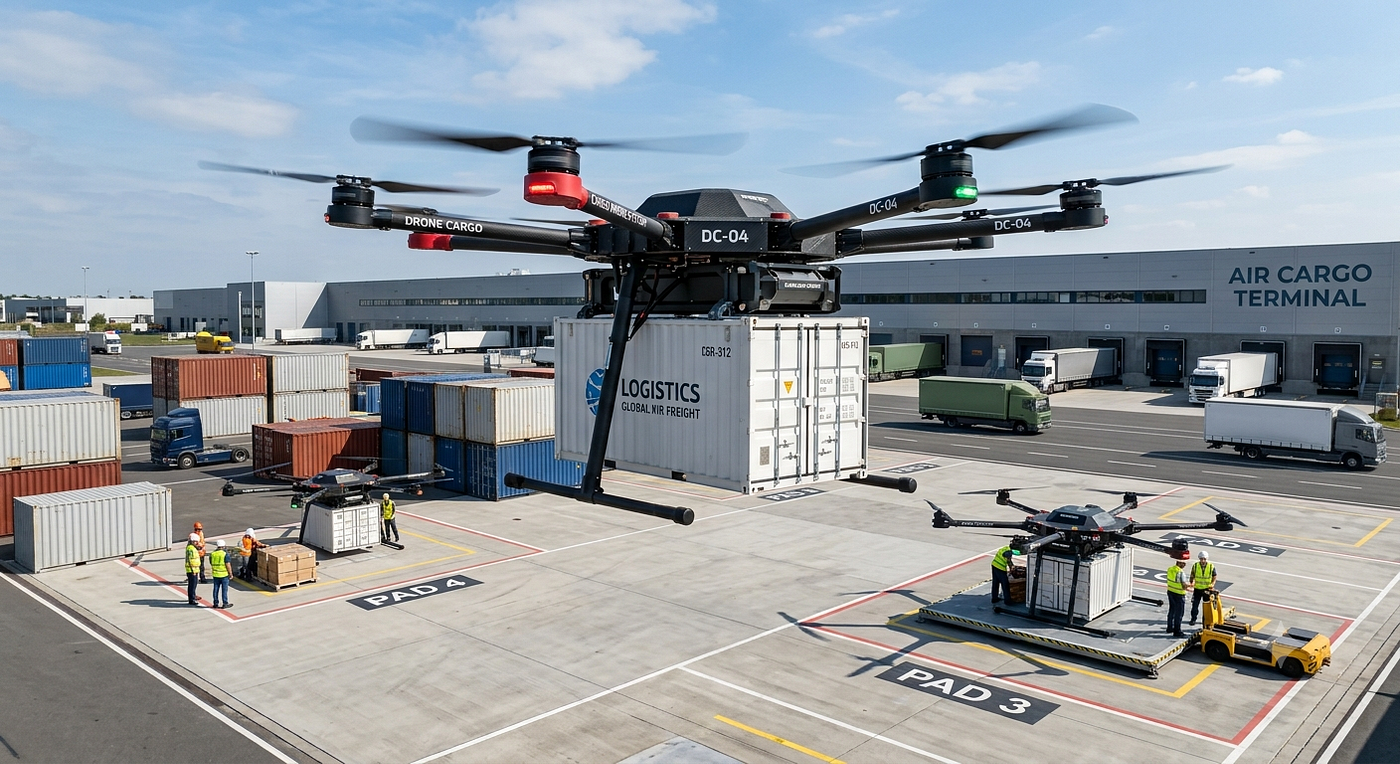
Agricultural drones are also gaining attention due to their ability to capture aerial images, monitor crop conditions, and support precision spraying. By providing detailed information about field health, drones help farmers identify issues quickly and manage agricultural activities more effectively.
The Internet of Things (IoT) is further strengthening smart agriculture by connecting sensors, equipment, and digital platforms. Connected farming systems allow continuous monitoring of environmental conditions such as temperature, humidity, and soil moisture. This information enables farmers to create more efficient farming strategies.
Emerging Trends Shaping the Future of Advanced Farming
The future of agriculture is expected to be influenced by several emerging trends. Vertical farming and controlled environment agriculture are gaining popularity as solutions for urban food production and limited land availability. These methods allow crops to be grown in controlled conditions with optimized lighting, nutrients, and climate management.
Artificial intelligence-based crop analytics is another growing trend. Advanced algorithms can identify crop diseases, predict harvest outcomes, and recommend farming practices. These capabilities are helping farmers move from reactive farming approaches toward more predictive and preventive methods.
Cloud-based agricultural platforms are also becoming increasingly important. These platforms allow farmers to store, analyze, and access farming data from different locations, improving collaboration and operational control.
Advanced Farming Market Segmentations:
By Technology:
Precision Farming dominates the segment by enabling efficient agriculture through data analytics, GPS, and IoT technologies. Agricultural Drones are experiencing rapid adoption due to their role in crop monitoring, field mapping, and improving farm efficiency.
By Crop Type:
Cereals and Grains account for the largest share, driven by their critical role in global food supply. Fruits and Vegetables are witnessing strong growth due to increasing demand for nutritious, organic, and sustainably grown produce.
By Farming Method:
Organic Farming leads the segment as sustainable and chemical-free farming practices gain popularity. Hydroponics is growing rapidly due to its ability to deliver higher yields with limited land and controlled growing conditions.
By Application:
Crop Monitoring remains the key application, supporting better crop management and resource utilization. Yield Optimization is expanding as smart technologies and data solutions help farmers enhance productivity.
Regional Adoption and Market Opportunities
The adoption of advanced farming technologies varies across regions based on agricultural practices, technology availability, and investment levels. Developed agricultural economies are focusing on automation, robotics, and digital farming platforms, while emerging regions are increasingly adopting affordable smart farming solutions to improve productivity.
Opportunities in the advanced farming sector are expanding as technology providers develop solutions suitable for farms of different sizes. The increasing availability of affordable sensors, mobile applications, and cloud-based tools is making smart agriculture more accessible to small and medium-sized farmers.
Future Outlook
Advanced farming is expected to play a significant role in shaping a more efficient and sustainable agricultural ecosystem. As technology continues to improve, farmers will have access to more advanced tools that support better resource management, increased productivity, and improved crop quality.
The combination of automation, artificial intelligence, connectivity, and sustainable farming practices will continue to redefine agriculture. Advanced farming is not only about increasing production but also about creating a smarter approach to food cultivation that meets future global challenges.
Frequently Asked Questions (FAQ)
1. What is advanced farming? Advanced farming refers to the use of modern technologies such as artificial intelligence, sensors, drones, robotics, and data analytics to improve agricultural productivity, efficiency, and sustainability.
2. What technologies are used in advanced farming? Advanced farming uses technologies including precision agriculture systems, IoT sensors, agricultural drones, automated machinery, AI-based analytics, and smart irrigation solutions.
3. How does advanced farming benefit farmers? Advanced farming helps farmers optimize resource usage, monitor crop conditions, reduce operational challenges, improve decision-making, and increase overall farm efficiency.
4. What is the future of advanced farming? The future of advanced farming is expected to focus on greater automation, AI-driven insights, sustainable agricultural practices, and connected farming systems that support efficient food production.
메타데이터
- post_id
- a5742fc9c5bb
- slug
- advanced-farming-market-trends-exploring-the-future-of-precision-agriculture-and-sustainable-a5742fc9c5bb
- url
- https://medium.com/@amolss2710/advanced-farming-market-trends-exploring-the-future-of-precision-agriculture-and-sustainable-a5742fc9c5bb
- canonical_url
- https://medium.com/@amolss2710/advanced-farming-market-trends-exploring-the-future-of-precision-agriculture-and-sustainable-a5742fc9c5bb
- author_url
- https://medium.com/@amolss2710
- status
- ok
- fetched_at
- 2026-07-27 03:12:55