The Rhythm of Music, The Identity of Cuisine: Urban Gastrodiplomacy and Sustainability in the Case…
If you view music festivals merely as entertainment gatherings where hundreds of thousands of young fans congregate to listen to their…
The Rhythm of Music, The Identity of Cuisine: Urban Gastrodiplomacy and Sustainability in the Case of Lollapalooza
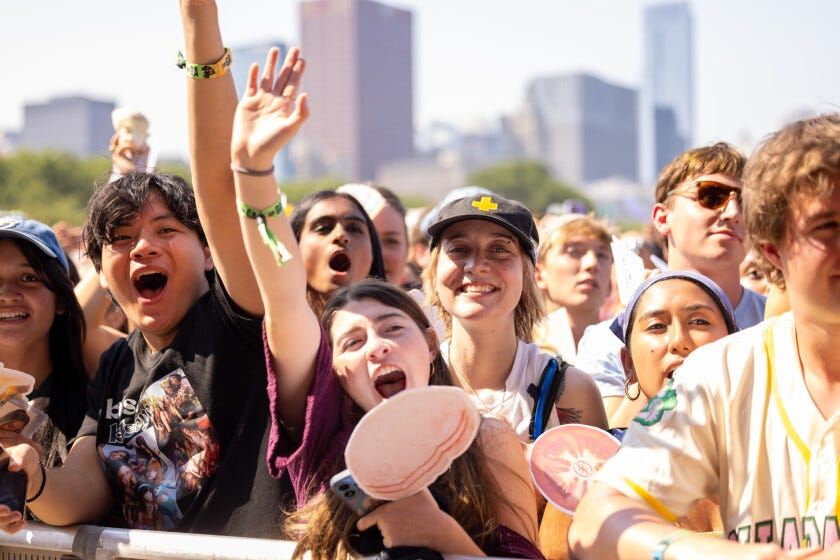
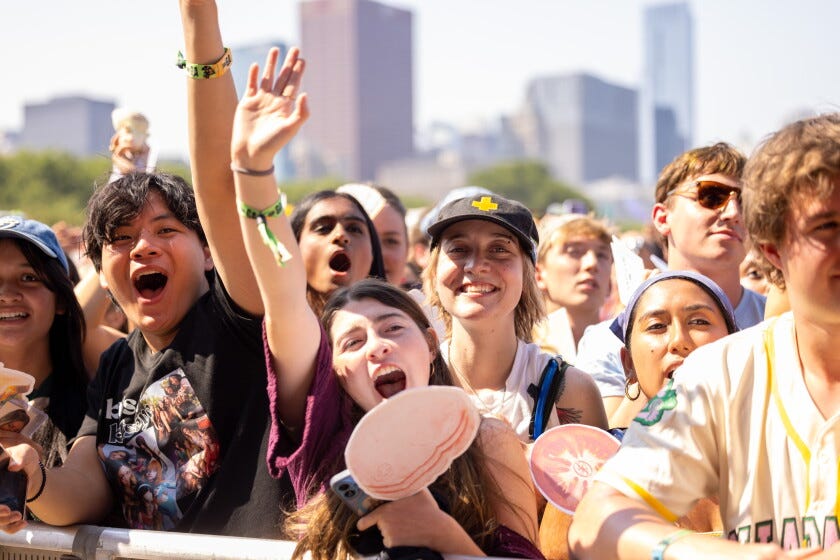
Lollapalooza festival enthusiasm, Grant Park / Chicago Sun-Times
If you view music festivals merely as entertainment gatherings where hundreds of thousands of young fans congregate to listen to their favorite artists, you are missing one of the most significant dimensions of contemporary urban sociology. Today major events serve as laboratories of diplomacy where cities convey their own cultural identities. In a globalizing world, cities increasingly use their local cuisines as the most aggressive instrument of local branding. One of the prime examples of this in the world is set to unfold this very weekend, from July 30 to August 2 2026, as the temporary micro-city preparing to open its gates in Chicago’s Grant Park: Lollapalooza. Beyond the megastars on stage, the true protagonist of this colossal organization, which will host nearly half a million people across four days, is something else entirely. The “Chow Town” concept, established in the heart of the city, turning away multinational fast-food giants at the door and opening its space exclusively to Chicago’s local restaurants and chefs, transforms festival food from a mere logistical necessity into an urban cultural spectacle.
The Chow Town Policy
Conceived in 2010, the Chow Town concept stemmed from the necessity to reflect Chicago’s gastronomic landscape. Recognizing the potential of food, the festival management mobilized for a local culinary experience. To this end, they appointed Chicago-based Michelin-starred chef Graham Elliot as culinary director. The most radical step was to effectively ban multinational fast-food chains to preserve the local integrity of the Chicago brand. Vendors wishing to participate in the festival must meet rigorous criteria, proving they maintain active and licensed commercial or restaurant kitchens in the region, with operators required to possess at least two years of experience in the local sector. Consequently, the vendor lineup in Grant Park transforms into a veritable representation of Chicago’s diverse neighborhoods. Harold’s Chicken representing the culinary heritage of the South Side, Lou Malnati’s as the address for iconic deep-dish pizza, Wow Bao and Kamehashi offering historic Asian and Japanese cuisine, alongside local legends like Billy Goat Tavern and Chubby Wieners, form the core of this gastro-diplomacy roster.
Furthermore, implementing this vision on the ground relies not only on great chefs but also on coordination executed through three core organs of the City of Chicago:
- CPD: Ensures that the financial success of vendors directly contributes to funding the city’s public green spaces.
- DCASE: Audits all logistical permits, requiring strict adherence to vendor lists and layout plans.
- CDPH: Inspects cooking operations on-site during extreme heat conditions to prevent foodborne illnesses.
As a restaurant owner, dealing with spoiled ingredients while trying to pass these municipal inspections under a tent in the August heat is no small feat. The logistical burden placed upon your shoulders is immense. Yet why do all local restaurants queue up to secure a booth in Chow Town? The answer is simple: capturing the palate memory of thousands of global tourists over four days makes this logistical hardship worthwhile.
Economic Impact and Gastrodiplomacy
Since 2010, Lollapalooza has generated over $3.2 billion in revenue for the Chicago economy. When looking at the culinary side, specifically the food and beverage sector, the figures are striking. In 2024 alone, the festival’s food and beverage sector generated a $95.3 million economic output and supported 897 full-time jobs. For individual vendors, however, the picture is not entirely rosy. Festival organizers take a 22% commission from all Chow Town vendors. When factoring in the logistics of deploying kitchen personnel to a remote area, transportation, and spoilage risks during extreme heat, profit margins can drop significantly. Despite this, why do vendors take this risk? Because the generated urban brand value overshadows all short-term costs. For example, 58% of attendees in 2024 consisted of tourists traveling from outside the city. This tourist influx instantly transforms local chefs into unofficial cultural ambassadors of the city.
The representatives of gastrodiplomacy that directly transform Chicago’s local identity into a global brand through menus include:
- Lou Malnati’s: Transports massive physical pizza ovens to Grant Park to serve Chicago’s iconic deep-dish pizza. By offering this product at accessible prices during the festival, it successfully draws tens of thousands of tourists directly to its physical restaurants post-festival.
Lou Malnati’s Deep-Dish Pizza
- Wow Bao: A local Asian fast-casual concept, the brand achieves a logistical triumph by selling over 30,000 bao buns in a single weekend. This success proves that Chicago’s gastronomy vision is not limited solely to hot dogs and pizza.
Wow Bao
- The Original Rainbow Cone: Established in 1926, the brand integrates into Chow Town with its signature five-flavor cones, introducing itself to Generation Z. The visual appeal of the product makes it highly “instagrammable” on social media.

The Original Rainbow Cone
Concert Crowd Sociology and Zero-Waste Vision
The festival audience views food as an integral part of aesthetics and identity construction. They pursue authentic experiences with a story. Chow Town’s policy of opening its doors exclusively to local chefs responds directly to this demand.
However, feeding over 400,000 people generates waste. Left unchecked, the environmental impact of this consumption would damage the brand identity the festival aims to project. In this context, vendors are strictly prohibited from using non-recyclable single-use plastics. To ensure waste management, various practices are put into action. The gamified “Rock & Recycle program’’ which involves concertgoers in waste processes, rewards participants who collect and turn in a specified amount of recyclable materials with custom-designed Lollapalooza t-shirts. Additionally, organic wastes are composted through a partnership between C3 Presents and the Loyola University Institute of Environmental Sustainability. Furthermore, the energy load and emissions generated by temporary generators powering massive kitchen arrays and stages are offset through organized carbon offset programs.
Rock & Recycle
Conclusion
Lollapalooza signifies much more than music echoing through Grant Park. This festival is a living urban gastrodiplomacy laboratory that brings together the logistical coordination of the Chicago municipal government, the initiative of local restaurants, and the authenticity-seeking audience under a single roof. The city not only generates massive economic value through this temporary micro-city, but it also builds an enduring narrative. Year after year, it continues to narrate who it is, its culture, and its power to the entire world through plates.
References
- Lollapalooza 2024 Economic Impact Report | PDF — Scribd, https://www.scribd.com/document/788018307/Lolla-2024-EIS-With-Econ-Impact
- Lollapalooza: Cooking For The Bands And The Masses With Graham Elliot — CBS News, https://www.cbsnews.com/chicago/news/lollapalooza-cooking-for-the-bands-and-the-masses-with-graham-elliot/
- Momofuku, Harold’s Chicken and Pork & Mindy’s join Lollapalooza 2016 food vendor lineup, https://www.timeout.com/chicago/blog/momofuku-harolds-chicken-and-pork-mindys-join-lollapalooza-2016-food-vendor-lineup-062816
- Dark Kitchen — Delivery Kitchen — Wow Bao, https://www.wowbao.com/dark-kitchen/
- Chow Town — Lollapalooza, https://www.lollapalooza.com/chow-town
- R — Chicago Park District — C3 Agreement Term Summary July 30 2022 | PDF — Scribd, https://www.scribd.com/document/586150648/R-Chicago-Park-District-C3-Agreement-Term-Summary-July-30-2022
- Lou Malnati’s at Lollapalooza 2017, https://www.loumalnatis.com/ready-rock-roll-lollapalooza/
- The History Behind Chicago’s Deep Dish Icon — Lou Malnati’s Pizzeria, https://www.loumalnatis.com/the-history-of-lous/
- Rainbow Cone brings its gigantic five-flavor ice cream to Millennium Park — Time Out, https://www.timeout.com/chicago/news/rainbow-cone-brings-its-gigantic-five-flavor-ice-cream-to-millennium-park-092425
- The Original Rainbow Cone | Forays into Foodiedom, https://carolinepgray.wordpress.com/2011/08/15/the-original-rainbow-cone/
- Sustainable Summer Festivals: Get Green on the Scene | Rubicon, https://www.rubicon.com/blog/sustainable-summer-festivals/
- More than Music; how Lollapalooza Benefits the Environment, the Economy, and the Future, https://jendesalvo.com/2018/08/06/more-than-music-how-lollapalooza-benefits-the-environment-the-economy-and-the-future/
- SOUNDSCAPES AND SUSTAINABILITY: EXPLORING THE ENVIRONMENTAL IMPACTS OF LARGE MUSIC FESTIVALS — run@unl.pt, https://run.unl.pt/bitstream/10362/
- Lollapalooza air quality and environmental conditions in Grant Park — Chicago Sun-Times, https://chicago.suntimes.com/lollapalooza/2025/08/03/lollapalooza-grant-park-music-air-quality
- Lou Malnati’s Deep Dish Pizza Feature — Eater Chicago, https://chicago.eater.com/2019/10/10/20908119/lou-malnatis-wrigley-building-deep-dish-pizza-restaurant-river-north-mag-mile
메타데이터
- post_id
- a57ef752180d
- slug
- the-rhythm-of-music-the-identity-of-cuisine-urban-gastrodiplomacy-and-sustainability-in-the-case-a57ef752180d
- url
- https://medium.com/@semaakocal/the-rhythm-of-music-the-identity-of-cuisine-urban-gastrodiplomacy-and-sustainability-in-the-case-a57ef752180d
- canonical_url
- https://medium.com/@semaakocal/the-rhythm-of-music-the-identity-of-cuisine-urban-gastrodiplomacy-and-sustainability-in-the-case-a57ef752180d
- author_url
- https://medium.com/@semaakocal
- status
- ok
- fetched_at
- 2026-07-29 17:51:18