Why Does a Silicone PU Court Lose Elasticity? 5 Key Factors
A high-performance silicone PU court elasticity ensures smooth ball bounce, optimal traction, and reliable shock absorption for athletes…
Why Does a Silicone PU Court Lose Elasticity? 5 Key Factors

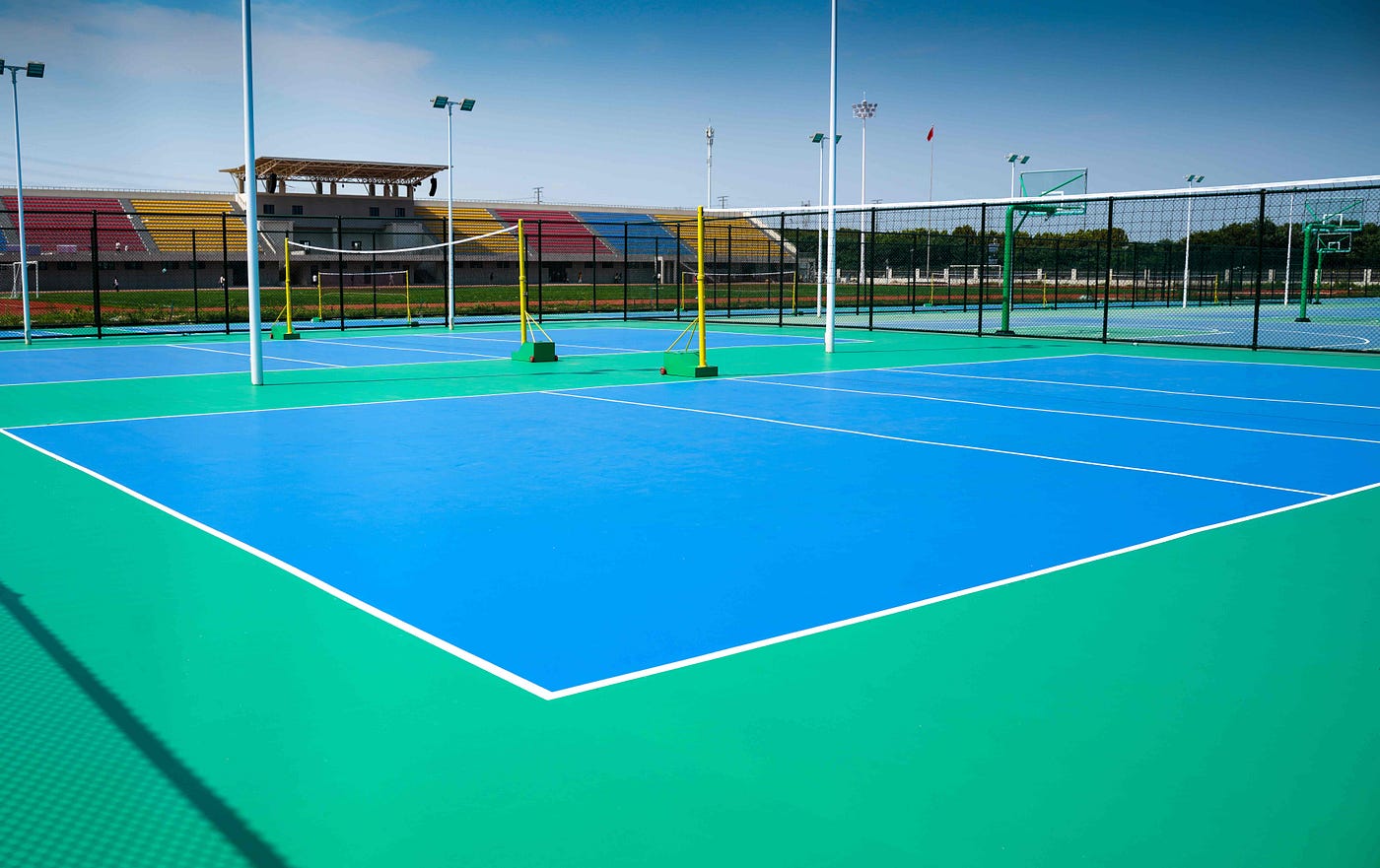
Basketball court flooring material from JRACE
A high-performance silicone PU court elasticity ensures smooth ball bounce, optimal traction, and reliable shock absorption for athletes. Over time, however, many sports facilities notice their surface becoming stiff, brittle, or hard. Loss of resilience not only ruins playing comfort, but it also increases the risk of serious joint and foot injuries.
If your surface feels unusually hard, here are the primary reasons why a silicone PU court elasticity degrades — and how to prevent it.
Low-Quality Materials and Excess Fillers
Material quality directly impacts how long a court stays flexible. High-grade silicone PU systems use premium synthetic resins that maintain flex and shock absorption for years.
To lower costs, some low-end manufacturers dilute their formulas with excessive inorganic fillers, such as industrial talc powder. Over time, these low-quality mixtures suffer from:
● Surface chalking and color fading
● Micro-cracking under heavy traffic
● Severe hardening and complete loss of cushioning
To protect your investment, always source sports flooring materials from certified manufacturers who comply with international quality and safety standards.
Incorrect Component Mixing Ratios
Silicone PU is a multi-component chemical system. Installers must mix the liquid resins and curing agents in precise proportions to achieve proper cross-linking and elasticity.
Mistakes made during the mixing phase directly alter the court’s physical performance:
● Too Much Hardener: Makes the court overly rigid, brittle, and prone to cracking under load.
● Too Much Resin: Leaves the surface sticky, overly soft, and vulnerable to tearing.
● Incomplete Stirring: Causes uneven patches with alternating hard and soft spots across the venue.
Installers must carefully measure every component by weight and thoroughly blend the mixture with professional mixing equipment before application.
Poor Substrate and Base Preparation
A silicone PU surface relies heavily on the concrete or asphalt foundation underneath. If the base fails, the top surface loses its stability and rebound properties.
Key base issues that compromise elasticity include:
● Unlevel Concrete: Causes variable material thickness across the court.
● Moisture & Dust: Prevents the polyurethane from bonding firmly to the base layer.
● Unrepaired Cracks: Allow water to seep underneath, leading to delamination and air bubbles.
Before pouring any surface material, contractors must grind the base smooth, remove all dust, repair deep cracks, and ensure the substrate is completely dry.
Extreme Weather Exposure and Inadequate Maintenance
Outdoor courts face harsh environmental stressors every single day. Direct exposure to intense ultraviolet (UV) radiation breaks down the polymer chains inside lower-tier silicone resins.
Additionally, standing water, uncleaned debris, and abrasive dirt grind down the protective topcoat. Without periodic cleaning and proper UV-stabilized coatings, the surface hardens rapidly under sun and rain exposure.
Work with Certified Flooring Experts: Jrace Sports
Preventing premature aging requires professional-grade materials and expert application from the start. As a leading world professional sports flooring solutions provider, Jrace Sports integrates R&D, manufacturing, sales, and technical installation guidance for sports facilities worldwide.
JRACE High-Performance Product Portfolio: ● Cast-in-place / In-situ Running Tracks
● Semi-prefabricated Running Tracks (Spur Series)
● Prefabricated Running Tracks
● Professional Walking & Athletic Pathways
● FIBA-Certified Basketball Courts
● Acrylic Sports Courts (Repus Series)
● High-Performance Silicone PU Court Systems
Whether you are building a new arena or restoring an aging court, Jrace Sports delivers durable, international-standard surface systems tailored to your climate and venue needs.
Contact our technical team today for professional consultation on your next sports flooring project.
메타데이터
- post_id
- a5836ac96ffb
- slug
- why-does-a-silicone-pu-court-lose-elasticity-5-key-factors-a5836ac96ffb
- url
- https://medium.com/@jracetrack/why-does-a-silicone-pu-court-lose-elasticity-5-key-factors-a5836ac96ffb
- canonical_url
- https://medium.com/@jracetrack/why-does-a-silicone-pu-court-lose-elasticity-5-key-factors-a5836ac96ffb
- author_url
- https://medium.com/@jracetrack
- status
- ok
- fetched_at
- 2026-09-14 13:17:56