The Care Plan Assumed I Knew What I Was Doing.
And I did, but most family caregivers don’t. And it’s not their fault.
The Care Plan Assumed I Knew What I Was Doing.
And I did, but most family caregivers don’t. And it’s not their fault.
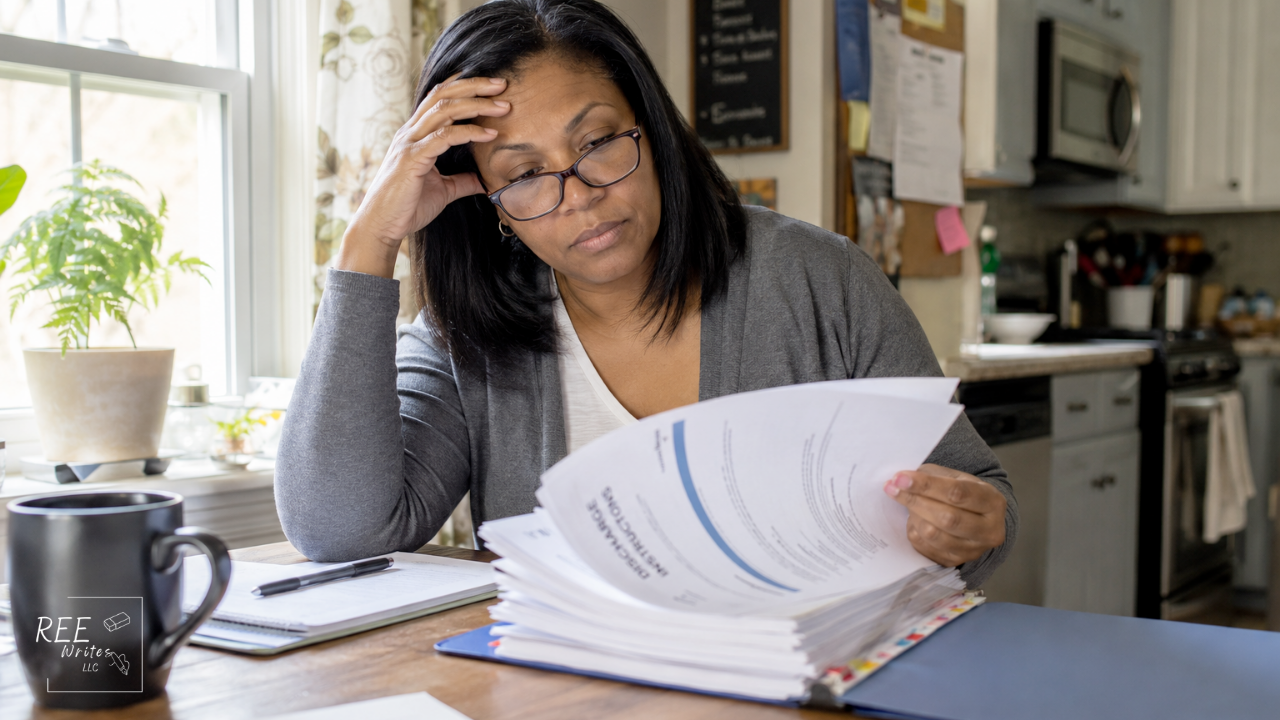
The discharge folder is thick.
It has the follow-up appointment dates, the medication list, the wound care instructions, and the equipment order confirmations. Sometimes there’s a printed care plan, written with sections and checkboxes and language that reads like it was written for a clinician, because it was.
Then the hospital doors close, and it’s just you.
- No one hands you a manual for what happens next.
- No one explains that the discharge instructions assume a level of clinical knowledge you don’t have.
- No one tells you that the care plan was designed for an environment with call buttons and shift rotations, not a two-bedroom house where you’re also trying to figure out how to fit a hospital bed through the hallway.
The hospital-at-home model is growing fast. But it hasn’t figured out the person running the operation from inside that house is often NOT the patient.
Care at Home Transfers More Than You Think
When a patient moves from a hospital bed to their own bed, the clinical tasks don’t disappear.
They transfer to the family.
“Care at home” can be a formal Hospital-at-Home program, or the more common situation where someone is simply discharged and expected to recover. It means someone in that household is responsible for medication management, symptom monitoring, wound care, positioning, and knowing when something is wrong enough to call.
That someone rarely has clinical training. And the system rarely tells them that’s a problem until something goes wrong.
The specialty pharmacy runaround

I recently met a woman I’ll call “Ruby” at a local senior care expo. She’s her husband’s caregiver (he has Parkinson’s). She told me the story of when she spent 2 1/2 months cycling through 3 specialty pharmacies, while managing her husband’s progressive neurological disease at home. It’s enough to make your head spin.
The second pharmacy she worked with missed shipments repeatedly. When she complained, they apologized. When she asked, “How can we prevent this from happening again?,” they didn’t have an answer.
The next month, it happened again.
She eventually found a pharmacy that worked. But she had to do that legwork by herself, while managing everything else.
That story shows an example of what “care at home” actually transfers to families, and how ill prepared they are for it.
Families Don’t Get CNA Training
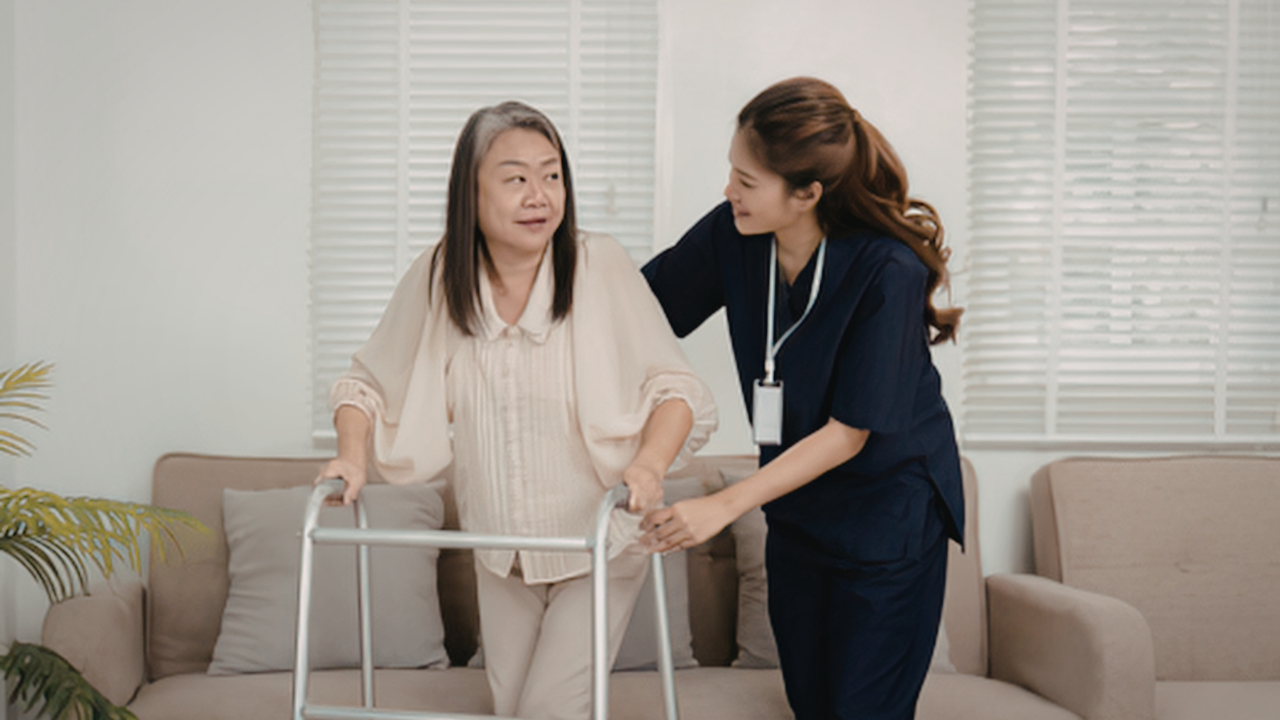
The skills required to deliver safe care at home are taught in formal programs. It takes weeks to develop these skills. The people who have them go by different titles like:
- certified nursing assistants (CNAs)
- home health aides (HHAs)
- patient care technicians (PCTs)
They’re all are paid professionals who spent time learning those specialized skills.
But family caregivers who do the same thing, unpaid, have nothing more than a folder with their loved one’s discharge papers.
Caregiving training
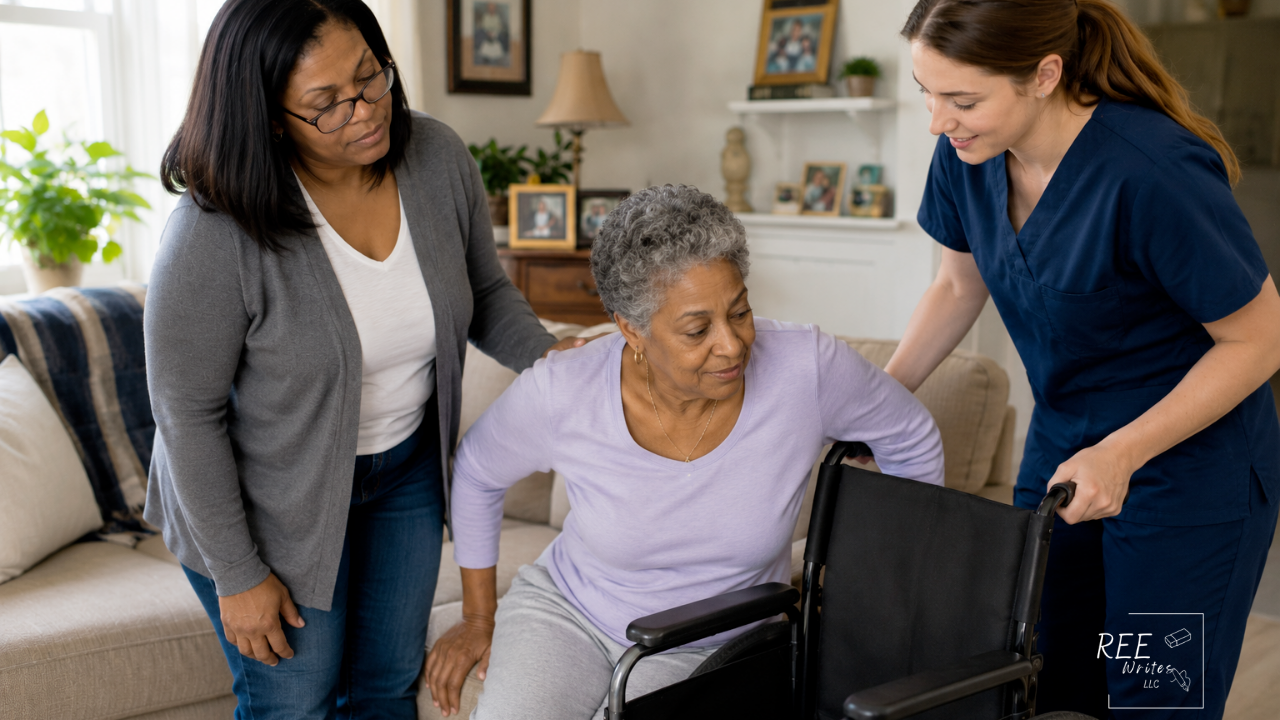
I know this from both sides, because I worked as a CNA and home health aide before I became a family caregiver myself. When my husband came home from the hospital needing hands-on physical care, I had training that most families never receive. (I got this training in the 90s and wasn’t offered a refresher course, but thankfully I still remembered the most important things.)
Caregiving training includes things like:
- Body mechanics, which refers to a technique of how to reposition someone safely without injuring your own back.
- A skin integrity check, where you run your hands across pressure points, looking for the redness that precedes a pressure ulcer.
- How to properly take someone’s blood pressure with a cuff that you pump yourself.
- Communicating a change in condition to a nurse who has 90 seconds for your call, means you have to know which words to say them so your concerns are taken seriously instead of getting triaged to voicemail.
The training teaches you what to look for, why, and the physical consequences of doing it wrong.
I happened to have those skills, but most family caregivers don’t. The gap between what the care plan assumes and what families actually know is where preventable complications live.
Caregivers continue to be overlooked and underappreciated
To quote AARP CEO Myechia Minter-Jordan, “Family caregivers are a backbone of our health and long-term care systems — often providing complex care with little or no training, sacrificing their financial future and their own health, and too often doing it alone.”
And she published the data to back it up.
According to AARP’s 2025 Caregiving in the U.S. report, only 11% of family caregivers receive any formal training to help with activities of daily living like bathing, dressing, mobility, while two-thirds are doing those tasks. Only 22% receive training for medical or nursing tasks, yet the majority assist with them anyway.
The care is happening, but the prep is sorely lacking.
The Healthcare Market Is Building Around a Patient and Caregiver Education Gap (Instead of Trying to Close it)
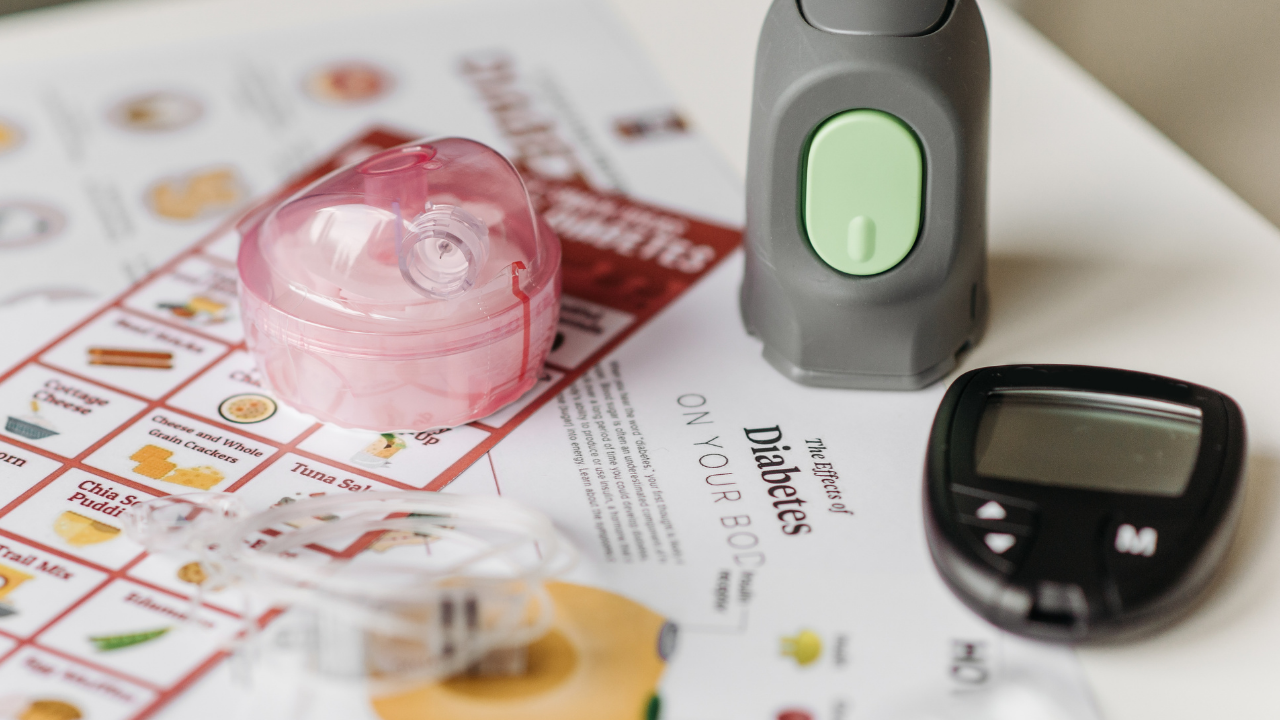
The hospital-at-home market is one of the most active verticals in healthtech. It includes remote patient monitoring (RPM), care coordination platforms, and discharge planning tools.
The outcomes data for well-run Hospital-at-Home programs is promising. A large-scale study found that patients in Hospital-at-Home programs had a 13% 30-day readmission rate, compared to 16% for traditional inpatients, and 84% preferred it for future care.
But most of the investment is going into the clinical and operations (monitoring devices, alert systems, and care team workflows). Meanwhile, education for family caregivers who executing the care plan are doing so from a thinly packed folder and random online searches.
Let’s say an RPM device sends a blood pressure alert to a clinician. The family caregiver is in the room with the patient, trying to decide whether they should call 911 now, or wait for the nurse to call back.
The device works and the clinical protocol is in place. But the person in the room hasn’t been taught how serious a blood pressure of 160/100 is, or what to say when the nurse calls.
The device has a protocol, but the person in the room just has a folder.
That gap is not a caregiver failure; it’s a system design gap.
The Consequences of Not Pre-Educating Patients and Caregivers
When patients and their caregivers are not educated on these important measures, it shows up in:
- hospital readmissions
- ER visits
- care collapses
The person trying to follow the care plan didn’t have what they needed to execute it safely.
30-day readmission rates for patients with complex chronic conditions like heart failure, kidney disease and COPD run from 15% to 25%.
Every readmission is expensive for the patient and the hospital, and many of are preventable.
The research on what drives preventable readmissions consistently points to the same factors: inadequate discharge preparation, insufficient caregiver support, and gaps between what the care team assumed the family could manage and what the family actually knew how to do.
Caregiver-led errors aren’t usually due to negligence. A family caregiver who doesn’t know how to recognize early wound infection isn’t being careless. They do what they knows how to do, which is not the same thing as what a CNA or nurse knows.
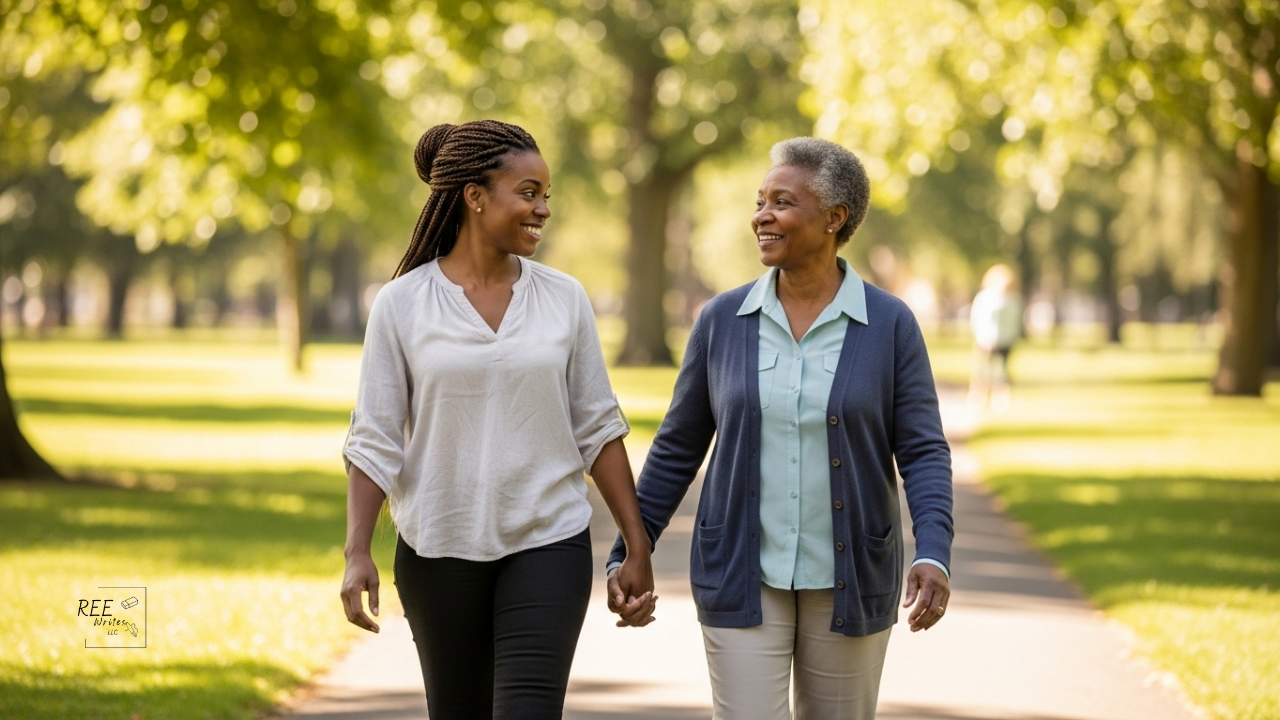
The caregivers who manage complex care at home without preventable crises aren’t lucky. They’re either trained, or they’ve been through enough that they’ve built up their knowledge and skills the hard way.
Both of those are expensive ways to learn.
The most effective thing a healthtech company building in the care-at-home space can do is:
- Involve patients and caregivers as they develop the product, and
- Treat the family caregiver as an important care team member who needs onboarding just like paid nursing staff.
I started Care Without Compromise because I know what it costs when families are handed a folder and expected to figure it out. If you’re building in the healthtech or care-at-home space, and want to understand what the person inside that house needs to know before they can safely use what you’ve built, I’d welcome that conversation.
Daree Allen Nieves is a B2B healthtech ghostwriter and content strategist based in Las Vegas. She writes patient education email course writer for healthtech SaaS companies. Visit ReeWrites.com to learn more.
메타데이터
- post_id
- a58bf3d7679b
- slug
- the-care-plan-assumed-i-knew-what-i-was-doing-a58bf3d7679b
- url
- https://medium.com/@dareeallen/the-care-plan-assumed-i-knew-what-i-was-doing-a58bf3d7679b
- canonical_url
- https://medium.com/@dareeallen/the-care-plan-assumed-i-knew-what-i-was-doing-a58bf3d7679b
- author_url
- https://medium.com/@dareeallen
- status
- ok
- fetched_at
- 2026-06-23 06:34:20





