Hidden Environmental Challenges in India
Deforestation, vehicular emissions, and thermal pollution are some of the major topics discussed in everyday life and on the table when we…
Hidden Environmental Challenges in India
Deforestation, vehicular emissions, and thermal pollution are some of the major topics discussed in everyday life and on the table when we talk about climate change. There are other sources we ignored that have a devastating impact in the long run.
One such example is the Earthen chulas, which emit large amounts of black carbon, which is detrimental to human health and the environment. The reason is a lack of access to cleaner fuels, economic burden, and nostalgia for culture. Also, during the summers, along the roads, we often see a community culture in which people serve sharbhat, water, etc., as a virtue. Whereas this good deed has an environmental cost because they often serve it in plastic cutlery, which gets dumped on the roads, and no one cares about.
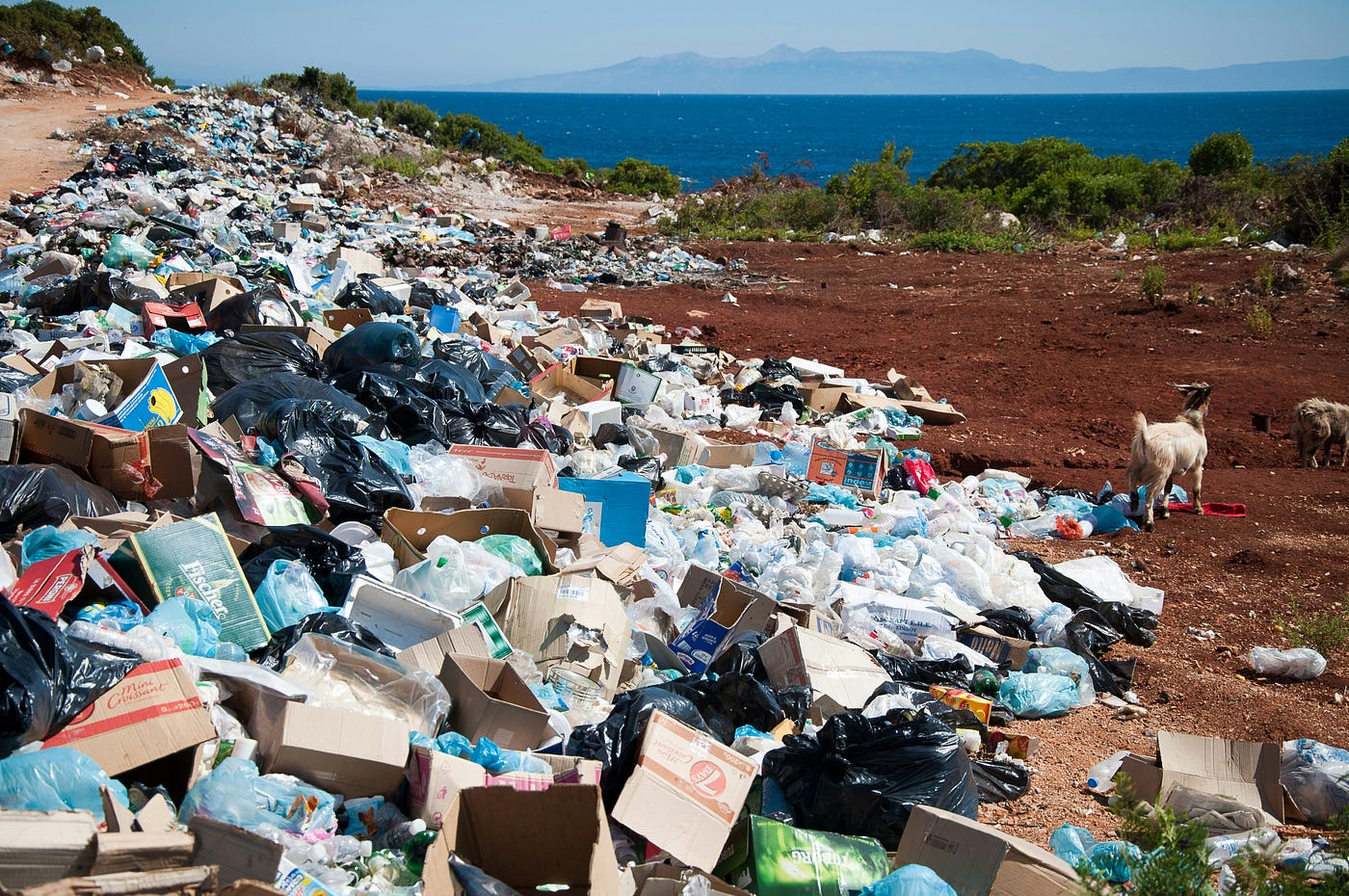
image by Antoine-Giret
Similarly, the vision of Swachh Bharat and waste segregation gets blurred in villages. Whether it is household waste, electronic waste, or common waste from villages, it is often burned openly or thrown onto garbage heaps, which, directly or indirectly, enter the fields, causing soil toxicity from heavy metals and further bioaccumulation in humans and animals.
The problem is not only the lack of awareness but also people’s perspectives; for example, Indian agricultural exports are sometimes banned in certain countries due to excessive use of pesticides and fertilizers. Rather than focusing on the remedy, people justify, with pride, that Indians have a capacity to digest anything that others cannot match.
Meanwhile, a person can become more nature-friendly and an active citizen when their early childhood care and education get off to a good start, but this is lacking in India, and children unknowingly cause environmental damage because of their plastic-based stationery. Most schools don’t have a recycling facility, and they don’t encourage students to recycle.
The MNCs and their marketing strategies further exacerbate environmental problems through fast fashion and disposable products, which consume a large amount of resources and increase waste generation. Greenwashing and bluewashing are among the leading trends in the corporate world, which cause excessive damage to the environment.
Therefore, there are approaches to address these overlooked sources, such as collaboration among people, civil society, and the government, which can lead to significant change. So, students can be among the most effective agents of change. There can be rewards and rankings for students and educational institutions that promote environmental protection and foster sustainable ideas.
The focus should also be on local bodies’ budget allocation, with a significant share going towards environmental protection, and on centrally sponsored schemes like VB-G RAM, which should prioritize works related to sustainable development goals.
Hence, the fight against climate change begins with awareness of its hidden causes, and the planet Earth is a shared source where every little contribution by anyone matters. As Mother Teresa said, “Not all of us can do great things. But we can do small things with great love.”
메타데이터
- post_id
- a5ae9806bea0
- slug
- hidden-environmental-challenges-in-india-a5ae9806bea0
- url
- https://medium.com/@samreendhaliwal597/hidden-environmental-challenges-in-india-a5ae9806bea0
- canonical_url
- https://medium.com/@samreendhaliwal597/hidden-environmental-challenges-in-india-a5ae9806bea0
- author_url
- https://medium.com/@samreendhaliwal597
- status
- ok
- fetched_at
- 2026-06-14 11:28:49