PINN for Data Augmentation
This is actually for my second research paper. I plan to publish this in the coming months. The idea is actually quite simple. We have…
PINN for Data Augmentation
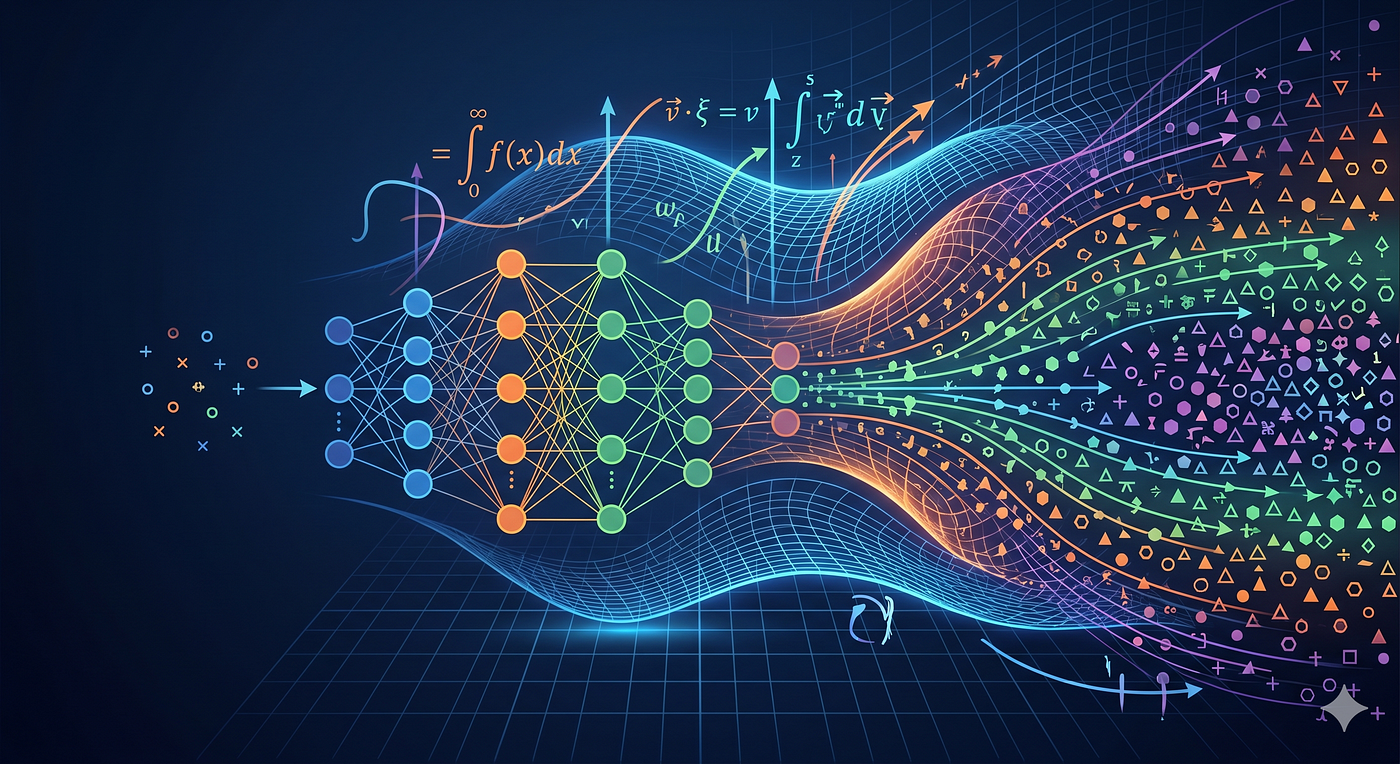
Image generated by Gemini
This is actually for my second research paper. I plan to publish this in the coming months. The idea is actually quite simple. We have massive issues of class imbalance in data, especially in petrochemical or manufacturing industries.
This is inherently in design. No manufacturers wants to have their manufacturing pipeline always operating in failures. They want to keep it steady and stable. But that’s create a problem for people doing AI/ML modelling.
Because the data always in steady states condition, it’s always hard to build an AI/ML model that are robust enough to handle any anomalies that are being thrown. That is one of the reasons why traditional control algorithm based on first principe still reign supreme here. And it’s making it hard for AI/ML model to replace that.
Let me give you one example. A story to accompany my argument above.
I still remember during my time, helping a data scientist building an ML model for my refinery. At this we are still in the process of data gathering. When asked how long should data stretch back, the data scientist said that he required 10 years of data. 10 years!! But I can’t blame them. They need to ensure that the data should be as diverse as possible, for the model to be as robust as possible.
But there’s two problems that might exist here. One, even in an old refinery, extreme incidents rarely occur. Yeah, they might be some small incidents here and there, but major incidents like explosion and fire rarely occurs. In fact, accoring to API, this kind of major incidents only happen once every 10 or even 100 years. So it’s very rare for us to have a complete dataset.
The second problem is that, even if there’s some incident variety inside the data. Nobody alive can remember what happen the last years. The tacit context of that data is lost and it’s very hard for data scientist to understand what’s the context behind the data, and this will lead to major problems when training the model later.
So, what’s the solution here? Data Augmentation. But instead of typical data augmentation, let’s use PINN.
As detailed in my previous article,
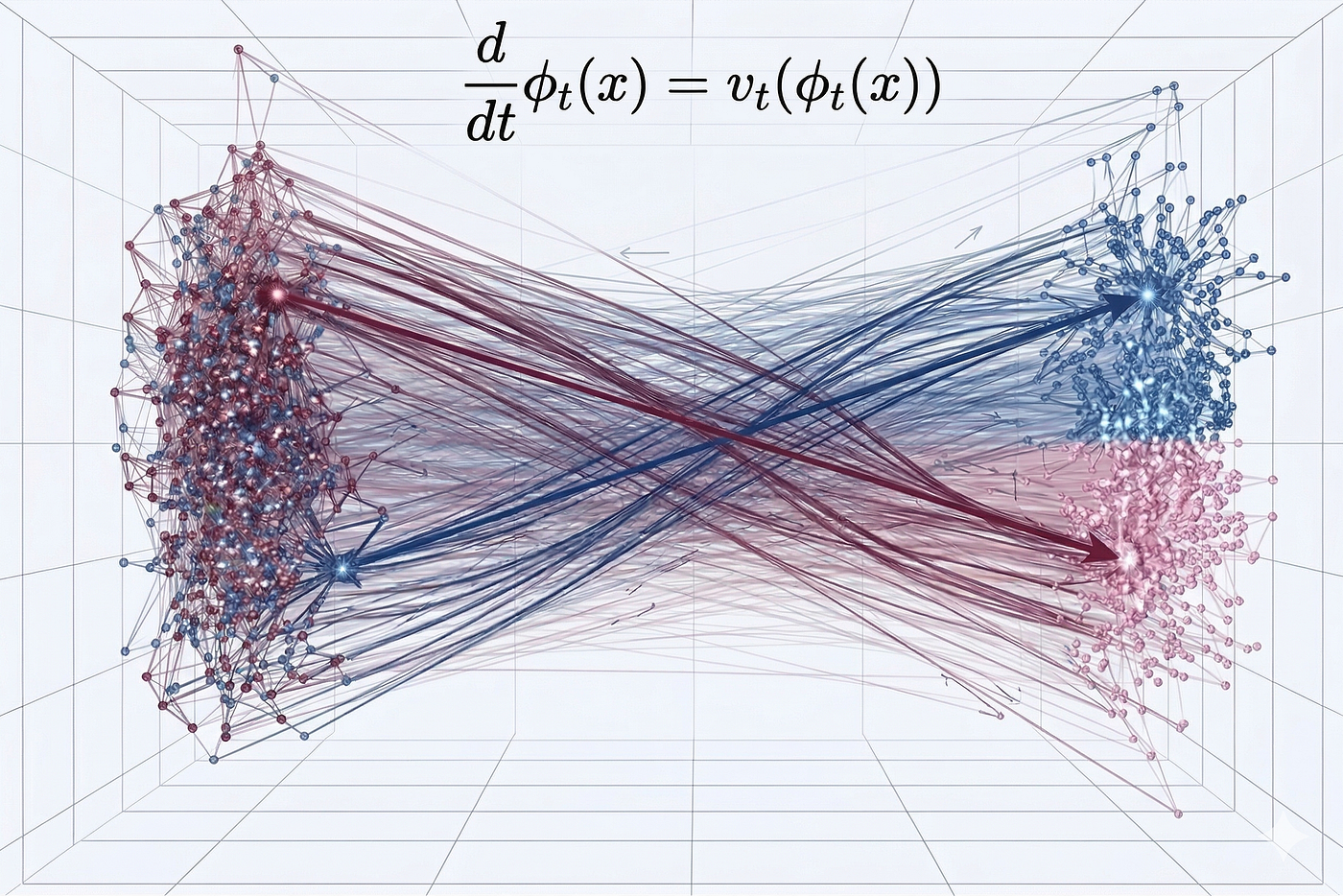
PINN is a neural network that understand your physics. The idea here is to create a mathematic model using first principle of your refinery equiment (e.g a furnace) , collect whatever data that you have, and train a PINN model on it.
Once completed, the PINN model is then used to generate the data for this fringe condition. This incident data that doesn’t appear normally in historical data. With that, we have solved the issue of massive class imbalance.
Alright, that’s a short one this time. Have a paper to write and work to do. See you again next time.
메타데이터
- post_id
- a5f2fb2d50e9
- slug
- pinn-for-data-augmentation-a5f2fb2d50e9
- url
- https://medium.com/@maercaestro/pinn-for-data-augmentation-a5f2fb2d50e9
- canonical_url
- https://medium.com/@maercaestro/pinn-for-data-augmentation-a5f2fb2d50e9
- author_url
- https://medium.com/@maercaestro
- status
- ok
- fetched_at
- 2026-06-20 20:29:01