How to Adjust to CPAP Therapy When You Are a Light Sleeper
Light sleepers are often among the most challenging CPAP patients, not because the therapy does not work, but because every part of the…
How to Adjust to CPAP Therapy When You Are a Light Sleeper
Light sleepers are often among the most challenging CPAP patients, not because the therapy does not work, but because every part of the adjustment period feels more noticeable.
Sounds, pressure changes, mask movement, and even small air leaks that other users adapt to quickly may continue disrupting sleep for weeks.
This does not mean CPAP is the wrong treatment. It means the adjustment process usually requires a more intentional approach.
Why Light Sleepers Struggle More
Light sleepers spend more time in lighter sleep stages and wake more easily in response to sound, movement, or physical sensation.
A small mask leak that creates intermittent hissing may wake a light sleeper repeatedly throughout the night. The sound of the machine, the feeling of airflow, or simply wearing something on the face can all become sources of sleep disruption.
This creates a frustrating situation for many patients. CPAP is prescribed to improve sleep quality by treating sleep apnea, yet during the early adjustment phase, the therapy itself may feel like the thing interrupting sleep.
In most cases, the long-term outcome is still better with CPAP therapy. The challenge is getting through the adaptation period consistently enough for the brain and body to adjust.
Managing Machine Noise
Modern CPAP machines are much quieter than older models. Most operate below 30 decibels during normal use, which is similar to a very quiet room.
For light sleepers, however, even low-level sound changes may remain noticeable.
One simple strategy is to place the CPAP machine on a foam pad or soft surface to reduce vibration noise. Another helpful option is using white noise in the room. A steady sound source can mask small fluctuations from the machine and create a more stable sleep environment.
Many light sleepers actually find that consistent white noise becomes calming once they adjust to therapy.
Choosing a Quieter and More Comfortable Interface
For light sleepers, mask fit matters even more than usual.
A properly fitted mask should be nearly silent during normal breathing. Persistent hissing or leaking indicates a fit problem that can repeatedly interrupt sleep.
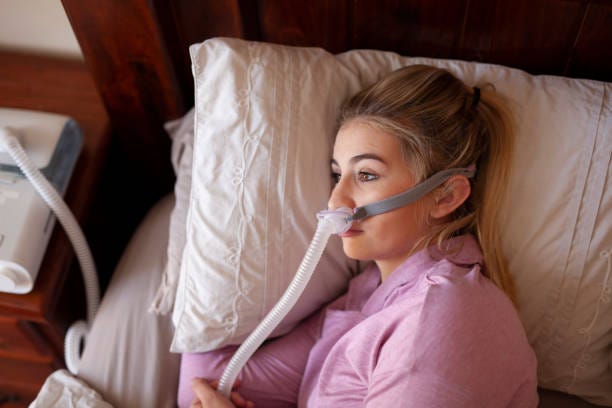
It is often helpful to fit the mask while lying in your normal sleep position rather than while sitting upright. A mask that seals perfectly while sitting may shift once your face presses into the pillow.
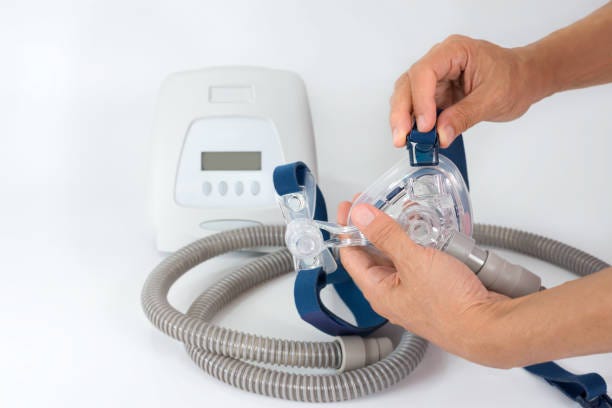
Minimal contact designs and nasal pillow systems are often easier for light sleepers to tolerate because they create less facial sensation during the night.
Systems like the DreamPort Sleep Solution and Eclipse CPAP Solution from BleepSleep are specifically designed to reduce the bulk, straps, and facial pressure associated with traditional CPAP masks. For users who are highly sensitive to facial contact or headgear discomfort, these types of interfaces may help reduce nighttime arousal triggers.
Using the Ramp Feature
Most CPAP machines include a ramp feature that gradually increases pressure over time instead of starting immediately at full therapeutic pressure.
For light sleepers, this can make falling asleep significantly easier.
The machine begins at a gentler pressure and slowly increases to the prescribed level over several minutes while the patient is falling asleep.
If full pressure feels overwhelming at bedtime, ask your provider whether adjusting the ramp duration may help based on your normal sleep onset time.
Managing Anxiety Around Sleep Equipment
Many light sleepers also experience a degree of hyperawareness around sleep itself. They tend to monitor their sleep quality closely and notice every disruption in the environment.
Adding CPAP equipment can temporarily increase that awareness.
One of the most helpful things patients can understand is that the adaptation period for light sleepers is often longer than average. While some users adjust within one or two weeks, light sleepers may need four to six weeks before therapy begins to feel natural.
That does not mean something is wrong. Setting realistic expectations early can reduce frustration and prevent inconsistent use during the adjustment process.
Consistency Matters Most
For light sleepers, the key is consistency rather than chasing a perfect night of sleep immediately.
Using CPAP regularly, even during the difficult adjustment period, usually produces better long-term results than using it only occasionally.
Over time, the brain becomes less reactive to the sound, airflow, and sensation of the equipment. Once that adjustment happens, many patients begin experiencing the real benefits of therapy, including deeper sleep, improved energy, and better daytime function.
CPAP therapy may require more patience for light sleepers, but the long-term benefits remain the same. For users looking to simplify the adjustment process, minimal-contact interfaces from BleepSleep can reduce the number of sensory triggers that interfere with sleep during that critical early period.
메타데이터
- post_id
- a6675b9d69c8
- slug
- how-to-adjust-to-cpap-therapy-when-you-are-a-light-sleeper-a6675b9d69c8
- url
- https://medium.com/@bleepsleep/how-to-adjust-to-cpap-therapy-when-you-are-a-light-sleeper-a6675b9d69c8
- canonical_url
- https://medium.com/@bleepsleep/how-to-adjust-to-cpap-therapy-when-you-are-a-light-sleeper-a6675b9d69c8
- author_url
- https://medium.com/@bleepsleep
- status
- ok
- fetched_at
- 2026-06-15 20:49:13