The Global Shift Away From Off‑Road Diesel: Why Heavy Machinery Is Going Electric
Diesel engines have powered construction, mining, port, and agricultural machinery for decades. They are loud, dirty, costly to operate…
The Global Shift Away From Off‑Road Diesel: Why Heavy Machinery Is Going Electric
Diesel engines have powered construction, mining, port, and agricultural machinery for decades. They are loud, dirty, costly to operate, and increasingly restricted worldwide. As governments tighten environmental regulations, the era of polluting off‑road diesel is ending — and electrification is taking over.
The Hidden Downsides of Off‑Road Diesel
Diesel machinery looks tough, but it carries major problems that hurt operators, workers, and communities.
1. Severe Pollution & Health Hazards
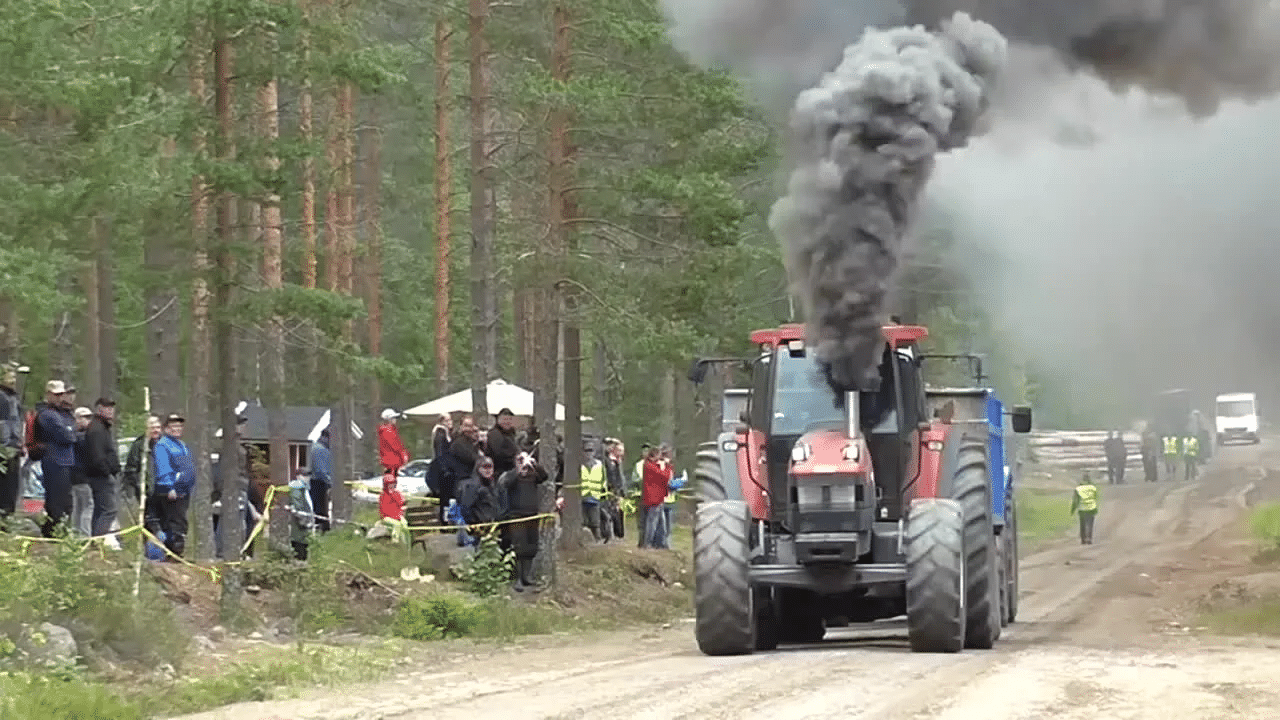
Off‑road diesel emits large amounts of nitrogen oxides (NOx), particulate matter (PM), and toxic exhaust. These cause respiratory illnesses, heart disease, and long‑term environmental damage. Even with modern filters, diesel exhaust remains dangerous.
2. Very High Operating Costs
Diesel fuel is expensive and volatile. A typical loader burns ~15 liters per hour, costing $14–$18/hour. Add oil changes, filters, DPF maintenance, urea, and repairs — diesel ownership becomes expensive.
3. Noise & Vibration Pollution
Diesel engines are extremely loud and vibrate heavily. This reduces operator comfort, increases fatigue, and restricts work hours in residential or urban zones.
4. Frequent Breakdowns & Downtime
Diesel engines have many complex moving parts: injectors, turbochargers, exhaust systems, and expensive after‑treatment components. They fail often, causing costly delays.
Global Policies Are Phasing Out Off‑Road Diesel
Governments worldwide are enforcing stricter emission standards, raising costs, limiting sales, and pushing operators toward cleaner alternatives.
United States — Tier 4 Final
EPA Tier 4 Final cuts NOx by ~90% and PM by ~95%. New diesel engines require costly DPF and SCR systems. Older machines face strict inspections and usage bans in many states.
European Union — Stage V
EU Stage V enforces near‑zero particulate emissions and deep NOx reductions. Diesel machinery now needs complex exhaust treatment. Many cities and ports ban high‑polluting equipment entirely.
Other Regions
· Japan & South Korea: Strict off‑road standards restrict old diesel machines in cities and industrial areas. · Australia: State‑level emission limits apply at mines, ports, and construction sites. · Middle East & Southeast Asia: Adopting stricter rules rapidly as air quality worsens.
The trend is clear: diesel is being regulated out of the market.
Electric Off‑Road Machinery: The Better Solution
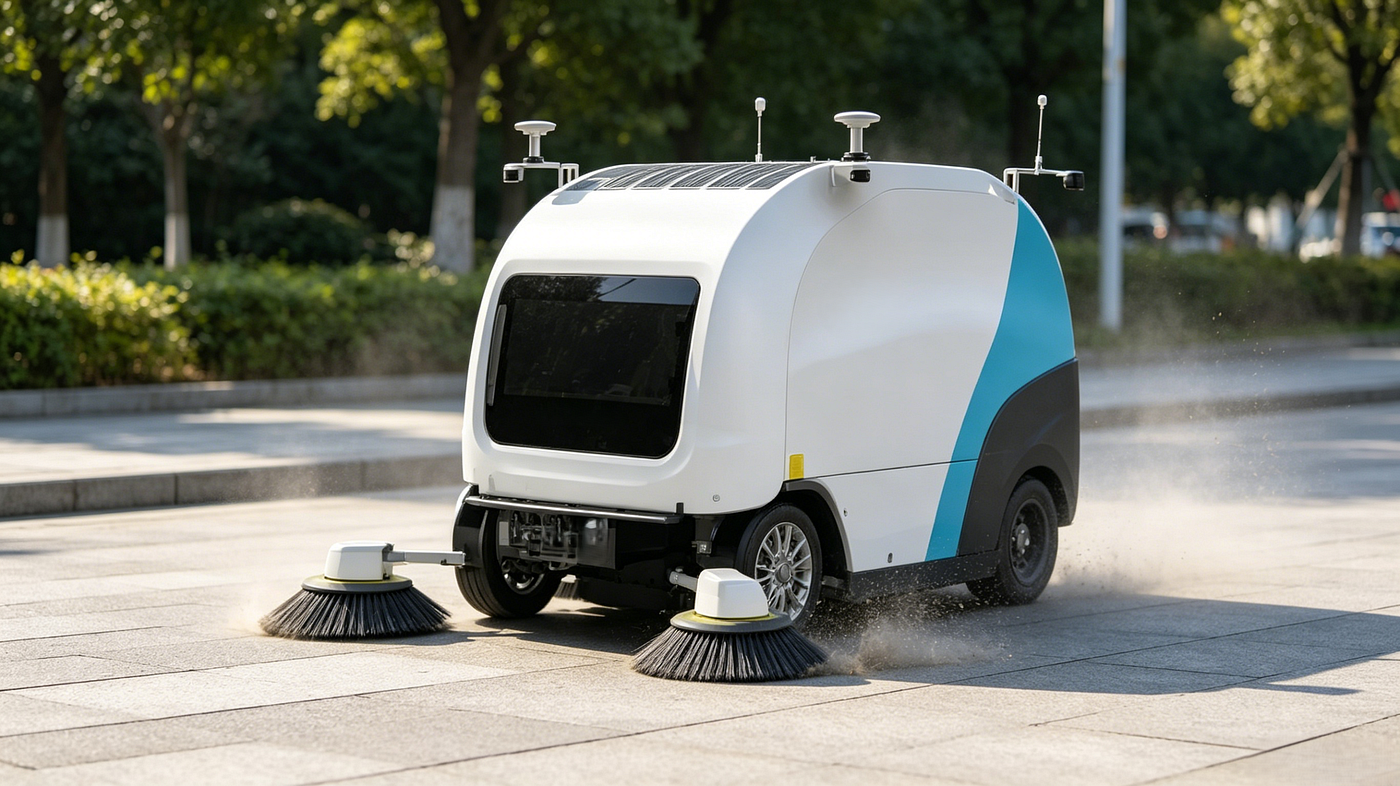
Electric machines eliminate almost all diesel disadvantages while meeting global emission rules.
1. Zero Emissions, Zero Fines
Electric equipment produces no exhaust, no NOx, no PM. It complies with all current and future standards, avoiding bans, fines, and inspection risks.
2. 50–70% Lower Operating Costs
Electricity is far cheaper than diesel. A loader uses ~30 kWh/hour, costing $3–$5/hour. Maintenance costs drop 50%+ with fewer moving parts.
3. Quiet, Smooth & Comfortable
Electric motors are nearly silent and vibration‑free. Operators work longer, safer shifts, and noise‑sensitive areas become accessible.
4. Fewer Failures, More Uptime
No engine, no injectors, no turbo, no complex exhaust. Electric machinery has 60–70% fewer moving parts, reducing breakdowns.
Global sales of electric loaders, forklifts, excavators, and tractors are growing 80%+ year‑over‑year. Electrification is no longer optional — it’s essential.
The Real Key: Industrial‑Grade Lithium Batteries
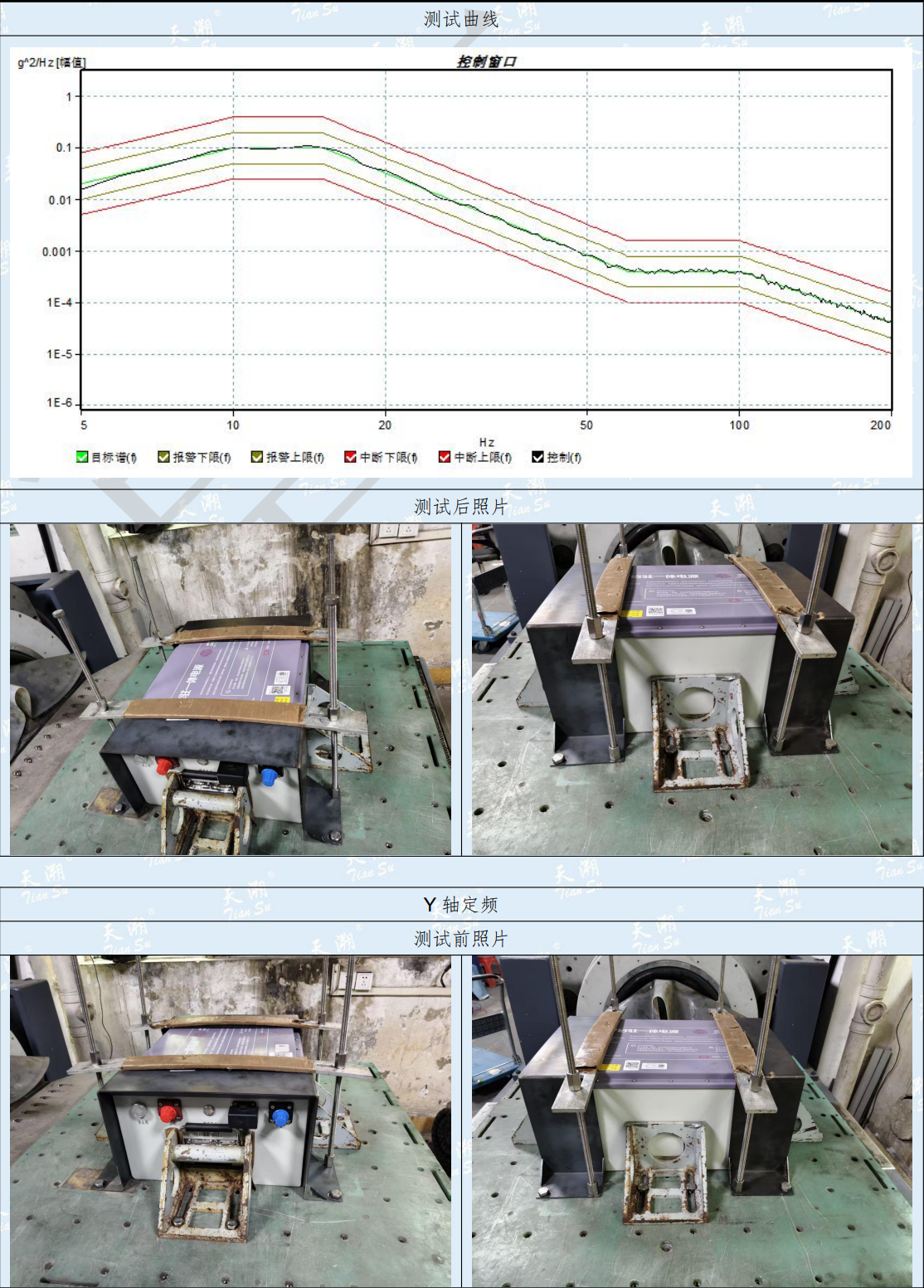
Electric machinery depends entirely on its battery. Off‑road conditions are harsh: heavy loads, extreme temperatures, dust, moisture, vibration, and long shifts.
Industrial batteries must deliver:
· High‑rate discharge for heavy loads and frequent starts/stops · Wide temperature tolerance from –20°C to 60°C · Long cycle life (3,000+ cycles) for 5+ years of service · IP67 protection against water, dust, and condensation · High cell consistency to avoid early failure
Consumer‑grade or repurposed EV batteries fail quickly in heavy‑duty environments. Only purpose‑built industrial LFP packs can handle the job.
Anhui Techu: Industrial LFP Batteries for Global Off‑Road Work
Anhui Techu designs and manufactures heavy‑duty lithium iron phosphate (LFP) battery packs for construction, mining, port, and agricultural machinery worldwide.
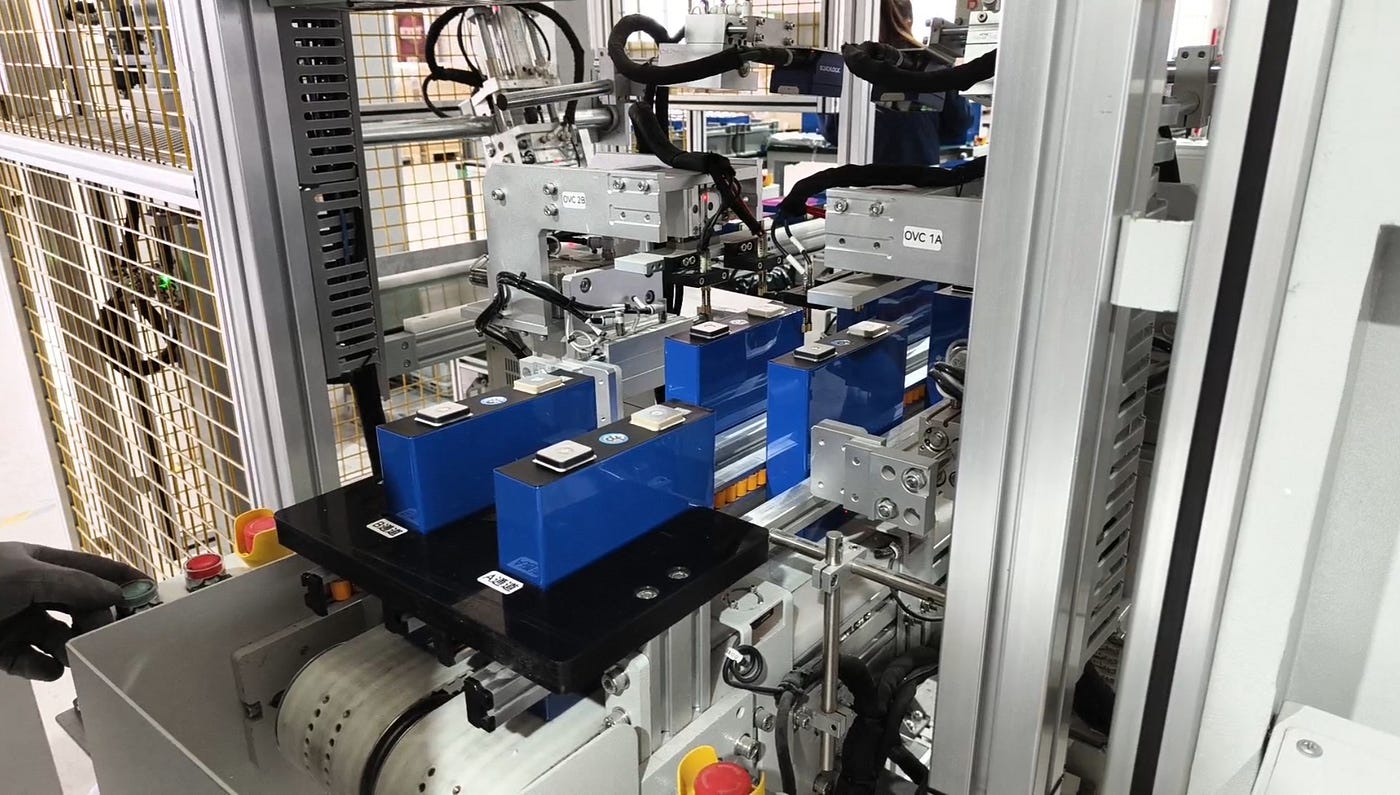
✅ High‑rate LFP cells — stable power under heavy loads ✅ Industrial‑grade BMS — precise monitoring & multi‑layer protection ✅ IP67 dust & water resistance — harsh environment ready ✅ Shock‑resistant build — vibration & terrain proof ✅ 3,000+ cycle life — reliable long‑term performance
We help global operators switch from diesel to electric — lowering costs, meeting regulations, and future‑proofing fleets.
Diesel Out, Electric In
Off‑road diesel is dirty, expensive, noisy, and increasingly banned. Global emission rules are accelerating its decline.
Electric machinery is cleaner, cheaper, quieter, and more reliable. The only critical piece is a tough, industrial‑grade battery — and that’s what Anhui Techu provides.
The future of heavy machinery is electric.
메타데이터
- post_id
- a673bbfeda7f
- slug
- the-global-shift-away-from-off-road-diesel-why-heavy-machinery-is-going-electric-a673bbfeda7f
- url
- https://medium.com/@anhuitechu/the-global-shift-away-from-off-road-diesel-why-heavy-machinery-is-going-electric-a673bbfeda7f
- canonical_url
- https://medium.com/@anhuitechu/the-global-shift-away-from-off-road-diesel-why-heavy-machinery-is-going-electric-a673bbfeda7f
- author_url
- https://medium.com/@anhuitechu
- status
- ok
- fetched_at
- 2026-07-17 04:06:05