7 Industries That Would Stop Functioning Without Fluid Transfer Systems
Most people never think about fluid transfer systems.
7 Industries That Would Stop Functioning Without Fluid Transfer Systems
Most people never think about fluid transfer systems.
They think about the products they use every day — drinking water, medicines, soft drinks, paints, fuels, and household chemicals. But very few stop to consider how these products move through factories, treatment plants, and processing facilities before reaching consumers.
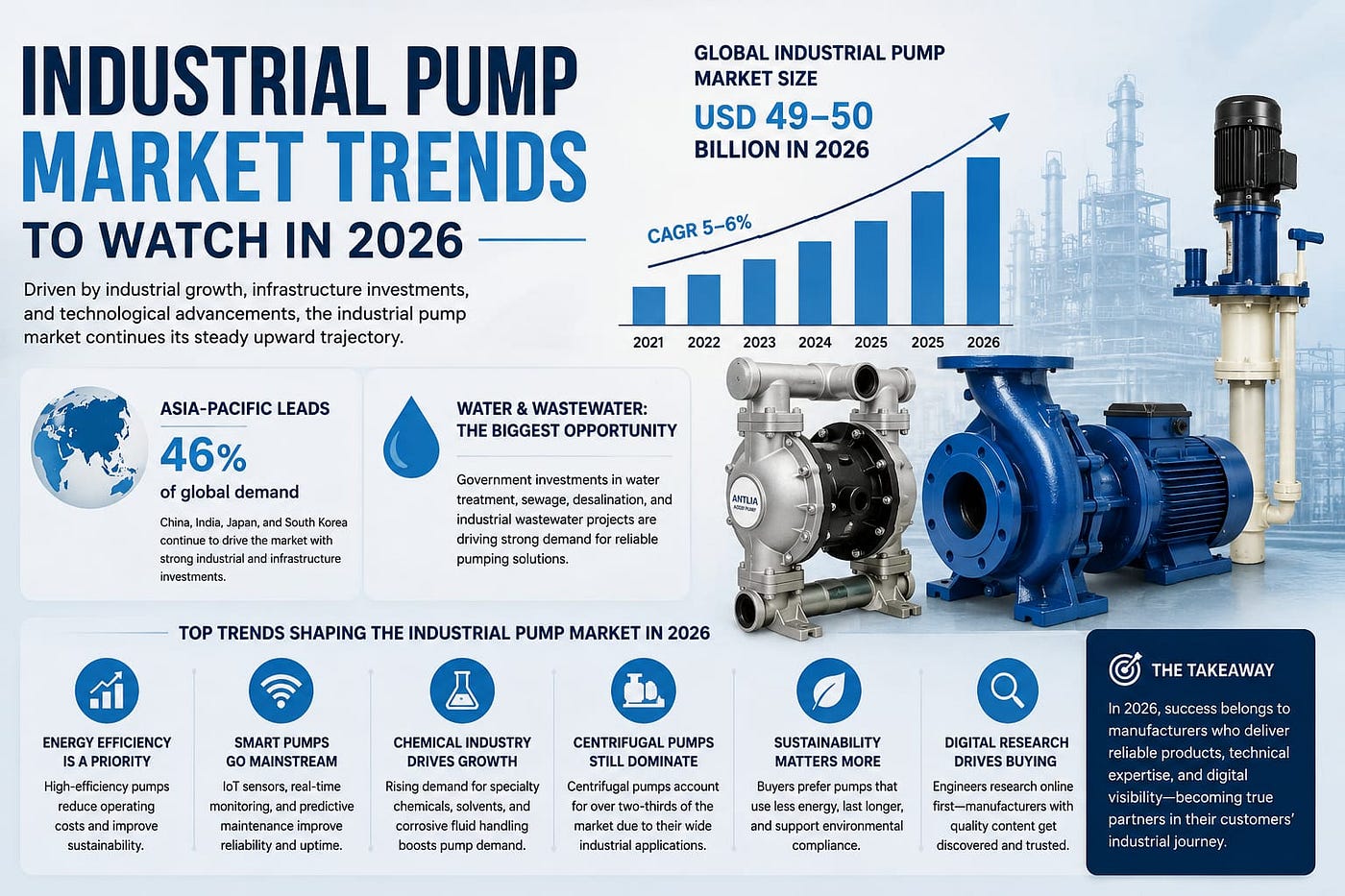
Behind the scenes, countless industrial processes rely on the safe and efficient movement of liquids, chemicals, slurries, and wastewater. Without fluid transfer systems, entire industries would struggle to operate.
Here are seven industries that depend on them every single day.
1. Water & Wastewater Treatment
Every drop of treated water passes through a complex network of pumps, pipelines, filters, and treatment systems.
From transporting raw water to chemical dosing and wastewater processing, fluid transfer is essential at every stage. Without it, clean water distribution and wastewater treatment would quickly come to a halt.
2. Chemical Manufacturing
Chemical plants handle everything from acids and solvents to specialty chemicals and industrial compounds.
These materials must be transferred safely between storage tanks, reactors, processing units, and packaging systems. A failure in fluid handling can result in downtime, safety concerns, and significant production losses.
In industries like these, material compatibility becomes critical. Selecting the right pumping solution is often as important as selecting the right chemical.
3. Pharmaceutical Manufacturing
Modern pharmaceutical production relies on precise fluid movement.
Whether transferring purified water, active ingredients, cleaning solutions, or process liquids, fluid transfer systems help maintain consistency and product quality.
In highly regulated industries, reliability is not optional.
4. Food & Beverage Processing
The next time you open a bottle of soft drink or consume a packaged food product, consider the journey it took through a manufacturing facility.
Ingredients, syrups, flavorings, cleaning solutions, and process liquids all move through fluid handling systems before reaching consumers.
Without reliable transfer systems, production lines would struggle to maintain efficiency and hygiene standards.
5. Paints, Coatings & Inks
Paints, coatings, and inks are often challenging to handle due to their viscosity and chemical composition.
Manufacturers rely on specialized fluid transfer equipment to move these products through mixing, processing, storage, and packaging stages.
A disruption in fluid movement can affect product consistency and production schedules.
6. Oil & Gas
From refineries to storage facilities and processing plants, fluid transfer plays a vital role throughout the energy sector.
Fuel, chemicals, lubricants, wastewater, and process fluids must continuously move through operations to maintain productivity and safety.
While technologies continue to evolve, the need to move fluids efficiently remains constant.
7. Mining & Mineral Processing
Mining operations depend heavily on fluid transfer systems for handling slurry, wastewater, chemicals, and process materials.
These environments are often harsh and demanding, requiring equipment capable of handling abrasive and challenging media.
Without dependable fluid handling systems, production efficiency can be severely impacted.
The Invisible Infrastructure Behind Modern Industry
What makes fluid transfer systems interesting is that they are rarely noticed when they are working properly.
Factories don’t celebrate pumps running.
Treatment plants don’t make headlines because fluids moved successfully from one stage to another.
The equipment behind these processes operates quietly in the background, often receiving attention only when something goes wrong.
Yet these systems are among the most important components in modern industry.
Whether it’s clean drinking water, life-saving medicines, food production, chemical processing, or manufacturing, the ability to move fluids safely and reliably remains essential.
As industries continue to embrace automation, artificial intelligence, and digital transformation, one thing remains unchanged:
Nothing gets produced until materials start moving.
And in many industries, fluid transfer systems are what make that possible.
메타데이터
- post_id
- a67ccb6b13fe
- slug
- 7-industries-that-would-stop-functioning-without-fluid-transfer-systems-a67ccb6b13fe
- url
- https://medium.com/@antliaengineeringworks/7-industries-that-would-stop-functioning-without-fluid-transfer-systems-a67ccb6b13fe
- canonical_url
- https://medium.com/@antliaengineeringworks/7-industries-that-would-stop-functioning-without-fluid-transfer-systems-a67ccb6b13fe
- author_url
- https://medium.com/@antliaengineeringworks
- status
- ok
- fetched_at
- 2026-06-16 20:05:23