Revolutionizing Biomanufacturing: Building the Factory of the Future
You’re probably thinking, “how could anything man-made be better for our environment?” Well it’s not completely “man”-made — You could…
Revolutionizing Biomanufacturing: Building the Factory of the Future
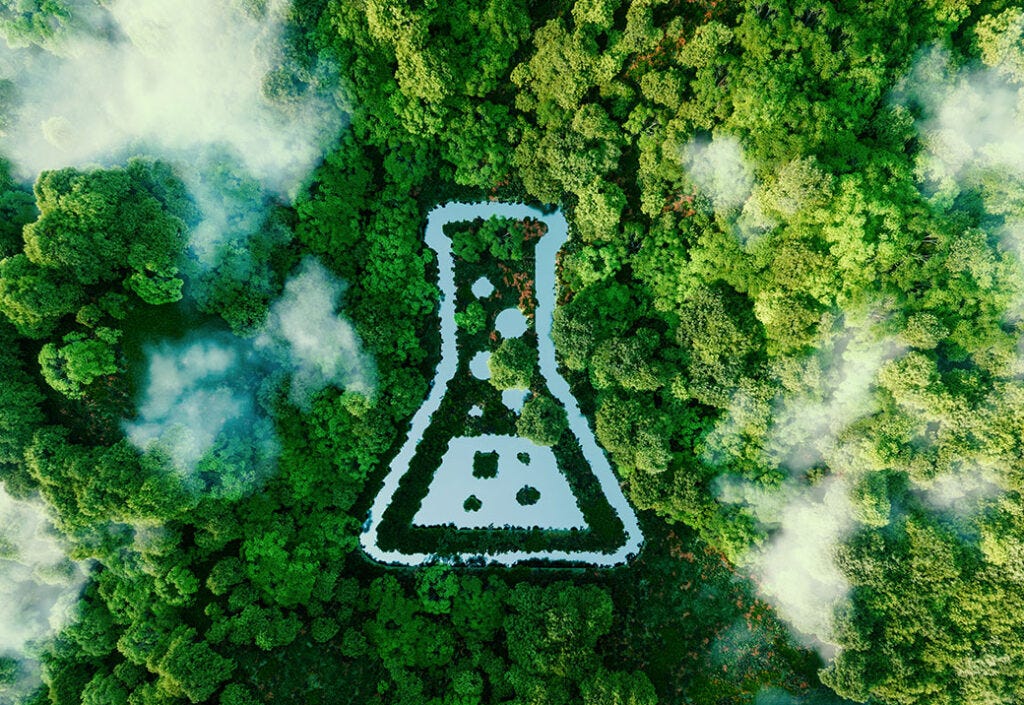
You’re probably thinking, “how could anything man-made be better for our environment?” Well it’s not completely “man”-made — You could think of it as recycling or clean energy — it’s taking something natures already made and using it to make new things we need and make today, yet better. Better for the consumers, better for the environment and better for our community as a whole
What Exactly Is Biomanufacturing?
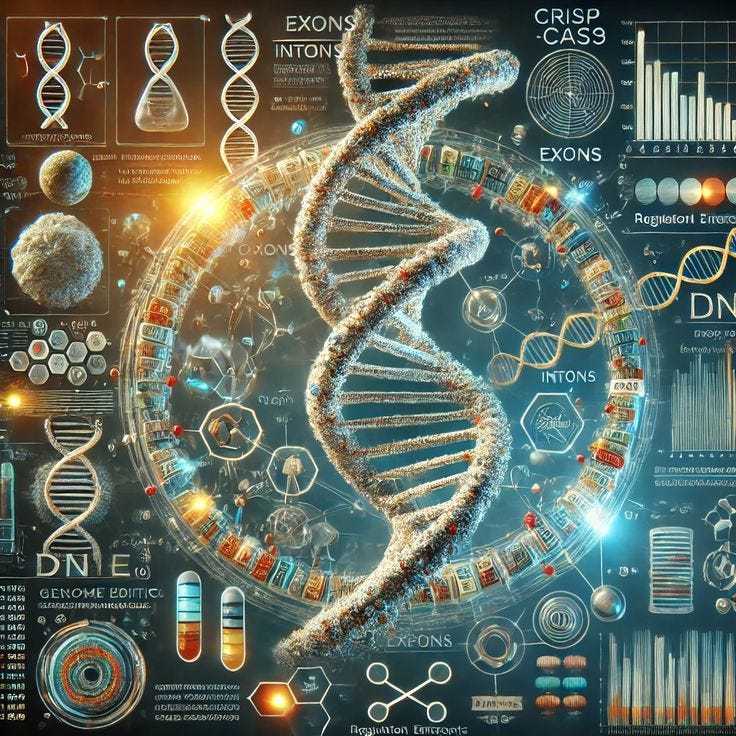
Biomanufacturing is the process of using biological organisms, or parts of them, to create products in large quantities. You’re using cells — usually microorganisms or mammalian cells — as miniature factories to produce something valuable. These products can be as small as a protein used in a therapeutic drug or as large as a biodegradable material for industrial use.
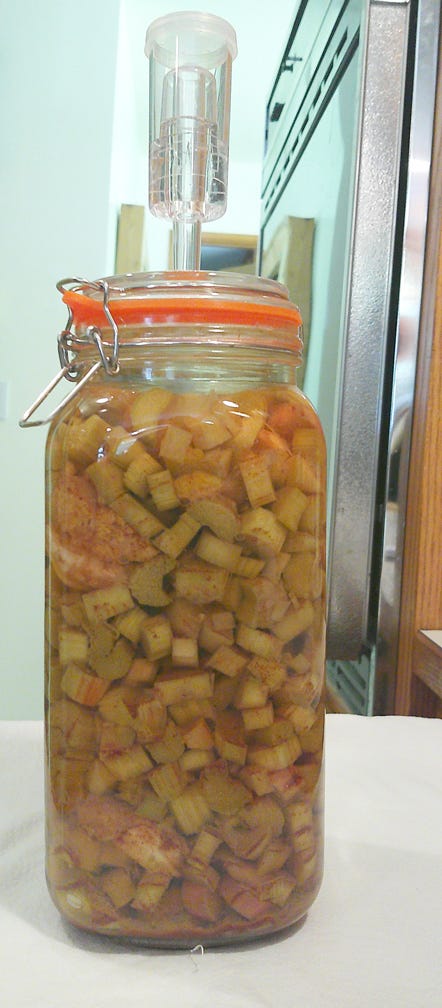
What makes biomanufacturing unique is that the product isn’t made with chemicals or machines alone. Instead, the living cells do the heavy lifting. With the right nutrients, environment, and conditions, these cells can be coaxed into producing everything from insulin to flavoring agents. This method is more sustainable than many traditional manufacturing processes, and it often results in higher purity and fewer byproducts.
The future of biomanufacturing
Biomanufacturing is revolutionizing the way products are produced, offering a sustainable and efficient alternative to traditional methods. It is expected to benefit society in the future by addressing environmental challenges, enhancing the economy, and providing innovative solutions. Here are some of the key benefits of biomanufacturing:
- Environmental Benefits: Biomanufacturing can reduce greenhouse gas emissions and promote the use of renewable resources, such as cellulose and alginate, which are low-carbon alternatives to plastics.
- Economic Growth: The economic benefits of biomanufacturing could be worth up to $4 trillion per year over the next 10–20 years, contributing significantly to the global economy.
- Sustainability: Biomanufacturing can lead to more sustainable practices, reducing reliance on fossil fuels and promoting cleaner production processes.
- Innovation: The development of biomanufacturing technologies can drive innovation in various industries, leading to new products and processes that are more efficient and environmentally friendly.
- Healthcare: Biomanufacturing can enhance the production of vaccines, therapies, and diagnostics, potentially improving healthcare outcomes and reducing costs.
- These benefits highlight the potential of biomanufacturing to transform society in the future, making it a key area of focus for research and development.
Takeaways
- Definition: Biomanufacturing uses biological organisms, like microorganisms or mammalian cells, as miniature factories to produce products in large quantities.
- Process: Living cells do the work, using the right conditions to produce valuable products, from insulin to biodegradable materials.
Benefits:
- Environmental: Reduces emissions, promotes renewable resources.
- Economic: Could contribute up to $4 trillion per year to the global economy.
- Sustainability: Reduces reliance on fossil fuels and promotes cleaner production.
- Innovation: Drives the development of new, efficient, and eco-friendly products and processes.
- Healthcare: Enhances the production of vaccines, therapies, and diagnostics.
메타데이터
- post_id
- a6a9bdde18f1
- slug
- revolutionizing-biomanufacturing-building-the-factory-of-the-future-a6a9bdde18f1
- url
- https://medium.com/@lewfam/revolutionizing-biomanufacturing-building-the-factory-of-the-future-a6a9bdde18f1
- canonical_url
- https://medium.com/@lewfam/revolutionizing-biomanufacturing-building-the-factory-of-the-future-a6a9bdde18f1
- author_url
- https://medium.com/@lewfam
- status
- ok
- fetched_at
- 2026-06-11 17:55:54