What Spray Foam Actually Looks Like — And Why It Matters
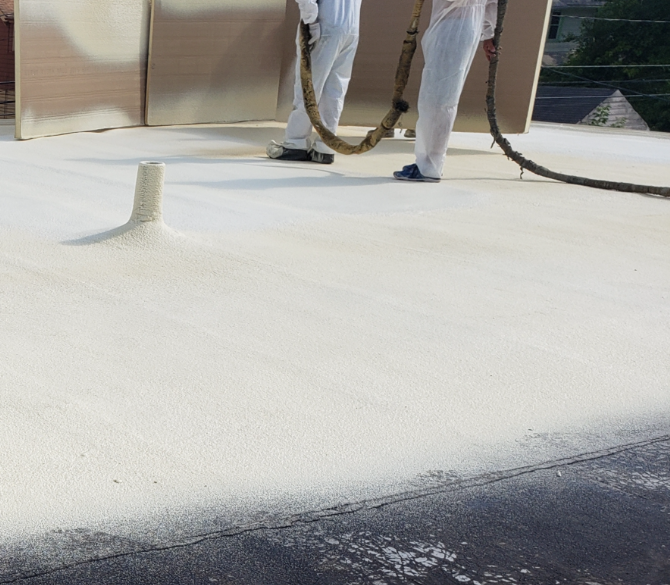
Most people only see spray foam once the job is finished — smooth, uniform, and hidden behind drywall or coatings.
What Spray Foam Actually Looks Like — And Why It Matters
Different foam structures form under different conditions — material behavior begins at the reaction level
Most people only see spray foam once the job is finished — smooth, uniform, and hidden behind drywall or coatings.
But that finished appearance hides what actually matters.
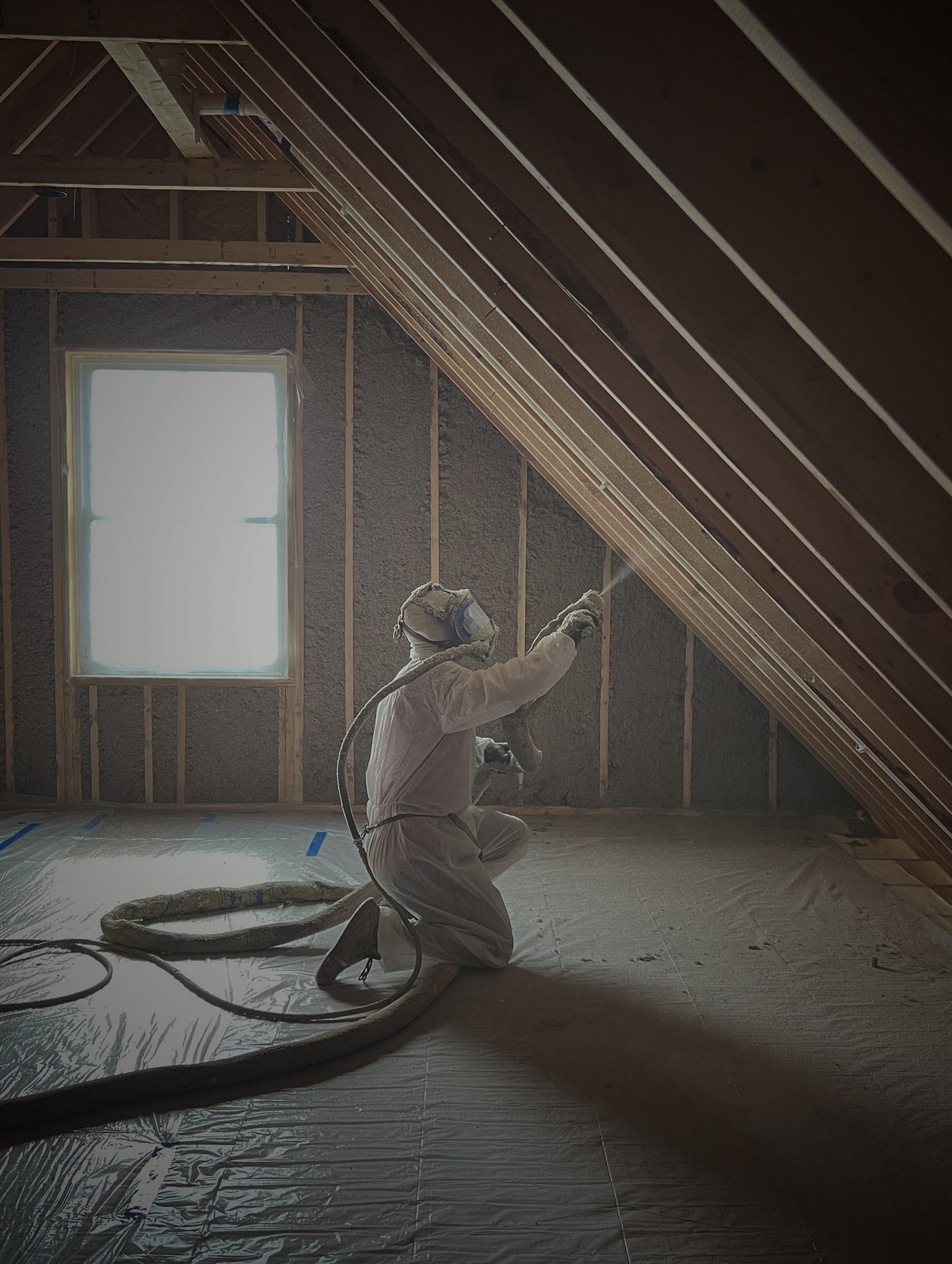
Spray foam is not a pre-manufactured product being installed into a building. It is a material that is created in place, in real time, through a chemical reaction.
And what that reaction looks like during application tells you everything about how the system is behaving.
Different foam structures form under different conditions — material behavior begins at the reaction level
At a basic level, not all spray foam behaves the same.
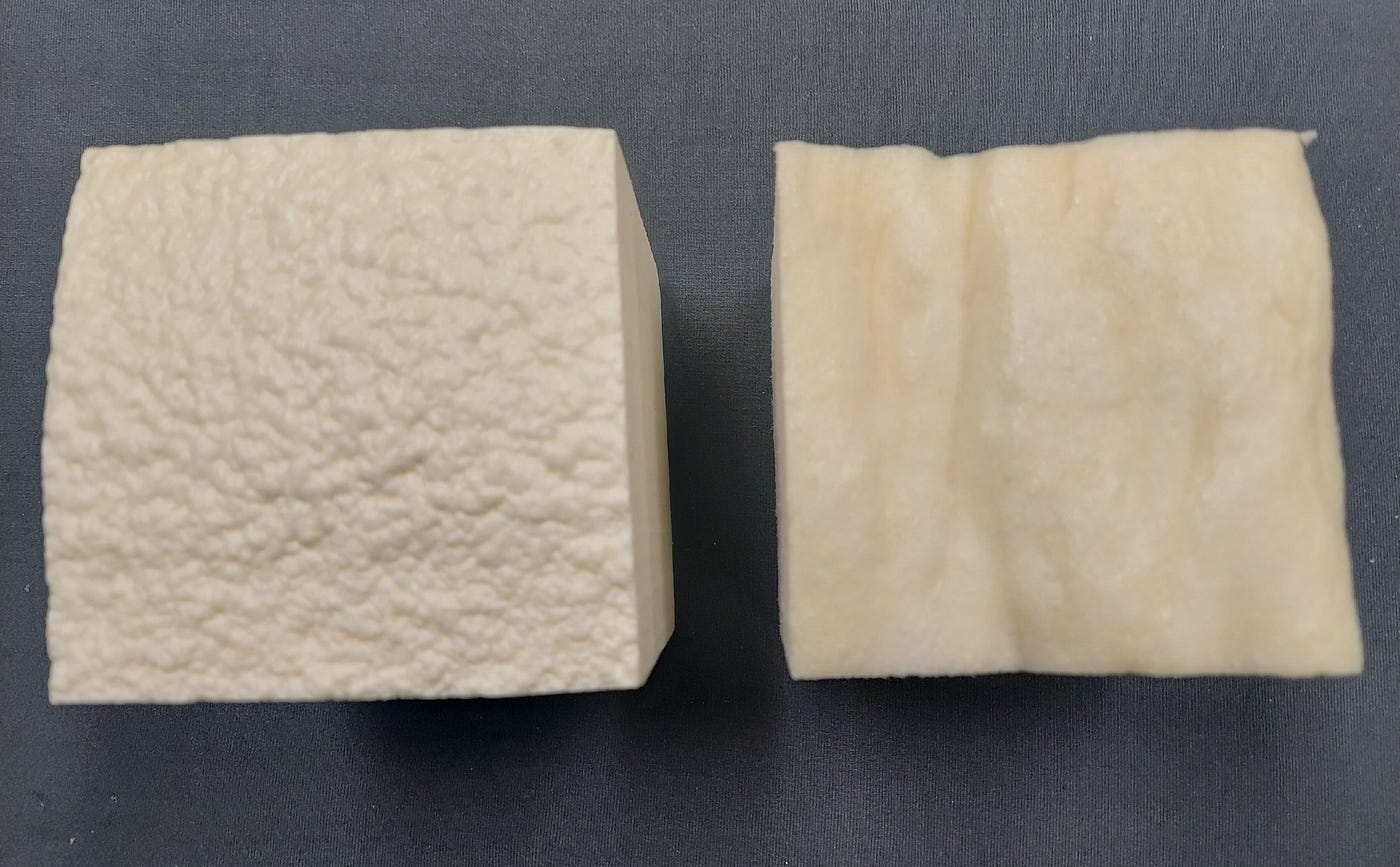
These two samples represent different foam structures — open-cell and closed-cell — each formed under different conditions and designed for different applications.
Even before looking at installation, this shows an important point:
Spray foam is not a single, uniform material. Its performance is directly tied to how it forms during the reaction.
Material alone does not define the outcome — behavior during formation does.
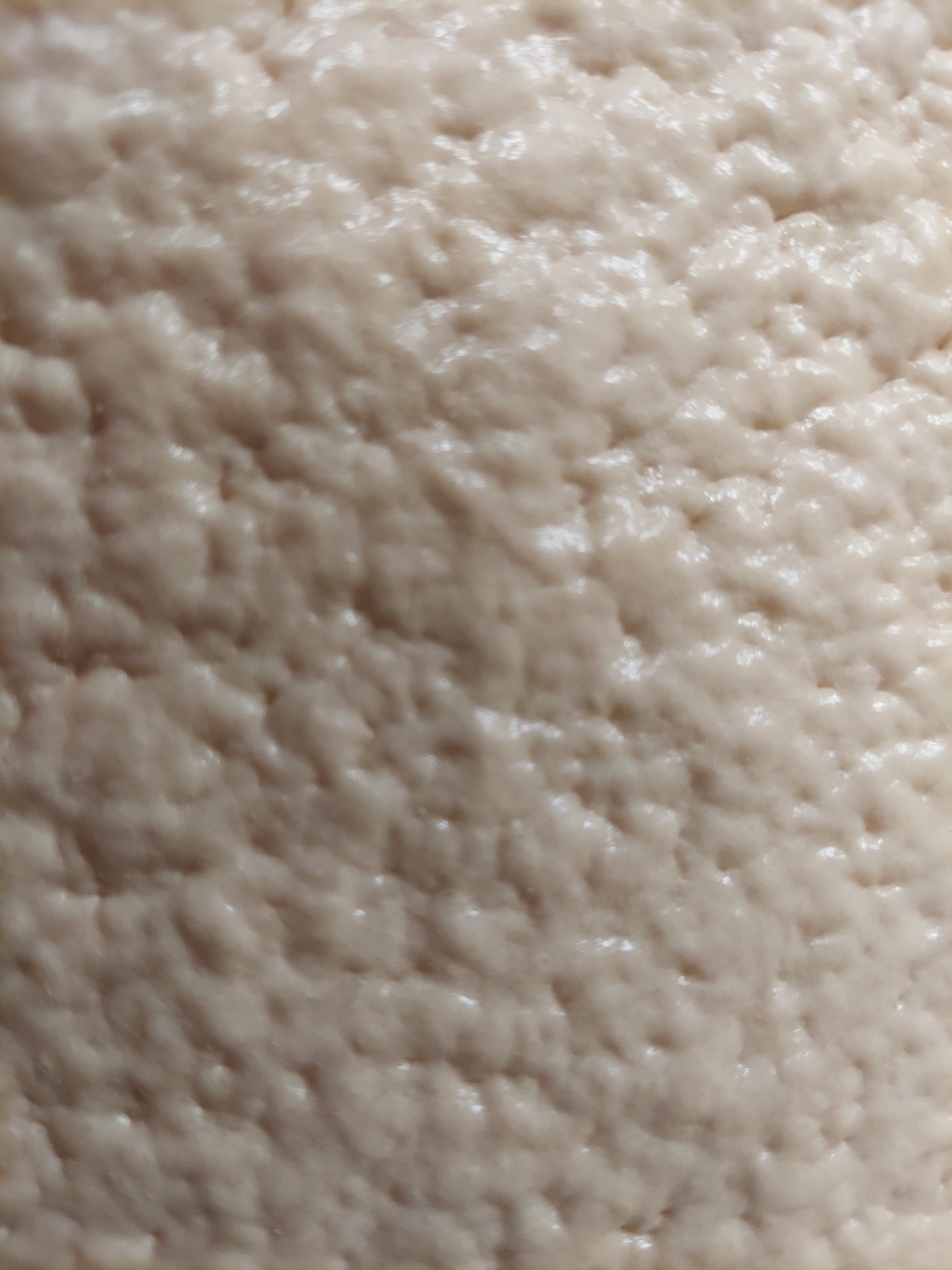
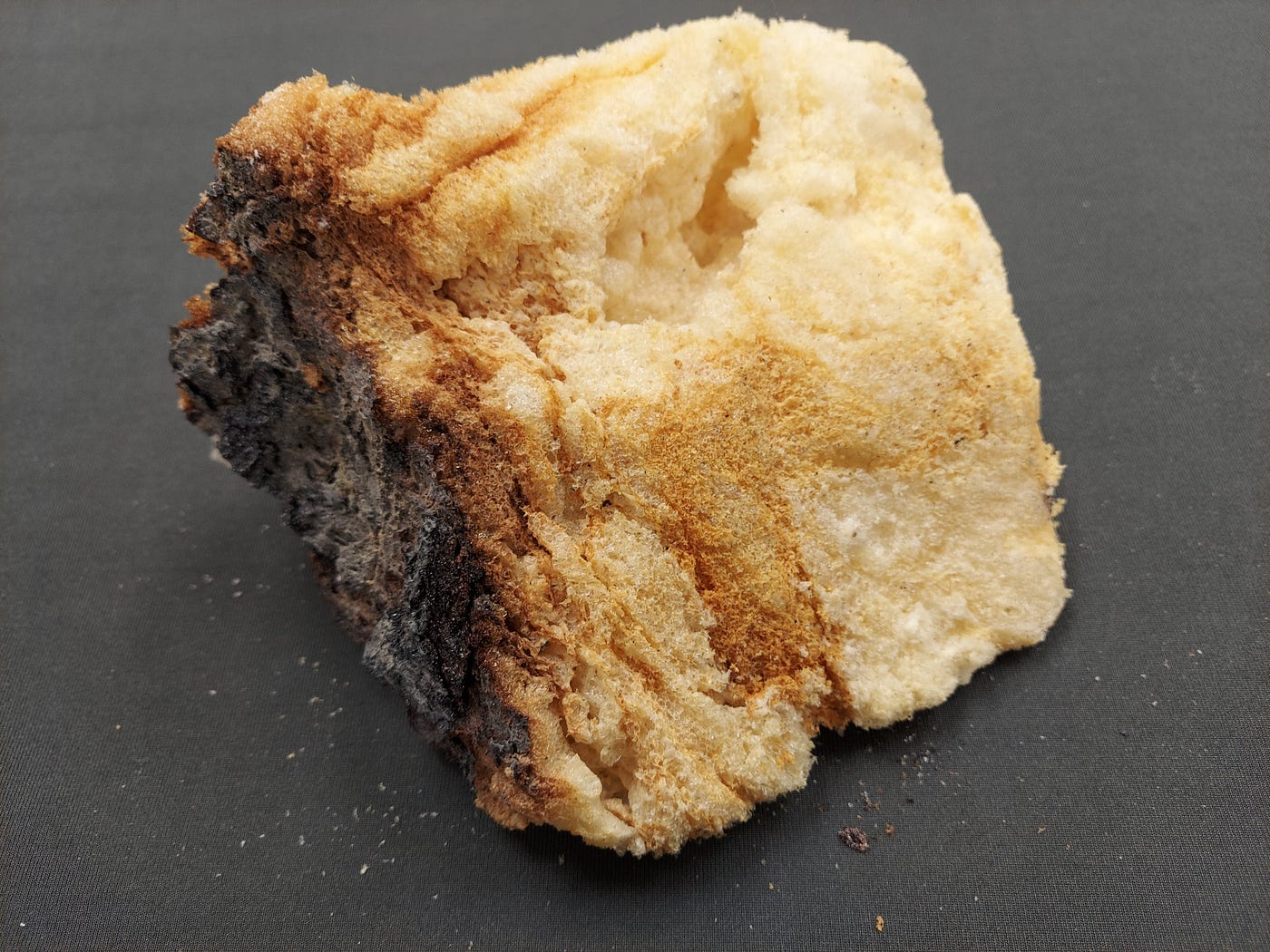
At a closer level, spray foam begins to tell a more detailed story.
This surface is the result of expansion, heat, and timing all interacting during application.
Each contour and rise reflects:
- How the material expanded
- How heat built within the lift
- How quickly the reaction progressed
- How the cell structure stabilized
Spray foam is not placed — it is formed.
And that formation happens within seconds, under constantly changing conditions.
Spray Foam Is Formed — Not Installed
This is where most misunderstandings begin.
Spray foam is often treated like a product that is simply applied, similar to coatings or adhesives.
But that’s not what’s happening.
It is a reaction-driven system.
That means performance is not just about:
- The material in the drum
- The equipment being used
It is about the conditions present at the moment the foam is created.
If those conditions shift, the foam changes.
Not because the material is inherently “good” or “bad” — but because the reaction behavior changed.
Why This Matters
If you only evaluate spray foam based on its finished appearance, you miss the most important part of the process.
Understanding spray foam means understanding:
- How it expands
- How it generates heat
- How it responds to substrate and environment
- How application technique influences formation
Because what happens during those few seconds of reaction determines how that foam performs long after it is installed.
Final Thought
What you see on the surface is not random.
It is a direct result of how the material reacted at the moment it was applied.
And once you start looking at spray foam this way, you stop seeing “good foam” and “bad foam” — and start seeing system behavior.
Learn More
For a deeper breakdown of spray foam behavior and application science, visit: https://appliedspfinteriors.com/
메타데이터
- post_id
- a6f0bf44b4bc
- slug
- what-spray-foam-actually-looks-like-and-why-it-matters-a6f0bf44b4bc
- url
- https://medium.com/@appliedspf/what-spray-foam-actually-looks-like-and-why-it-matters-a6f0bf44b4bc
- canonical_url
- https://medium.com/@appliedspf/what-spray-foam-actually-looks-like-and-why-it-matters-a6f0bf44b4bc
- author_url
- https://medium.com/@appliedspf
- status
- ok
- fetched_at
- 2026-07-25 07:36:07