Creating a Safe Digital Space for Kids With Special Needs
Today, we cannot imagine our lives without gadgets. Tablets help with communication. Phones connect kids to friends. Online platforms…
Creating a Safe Digital Space for Kids With Special Needs
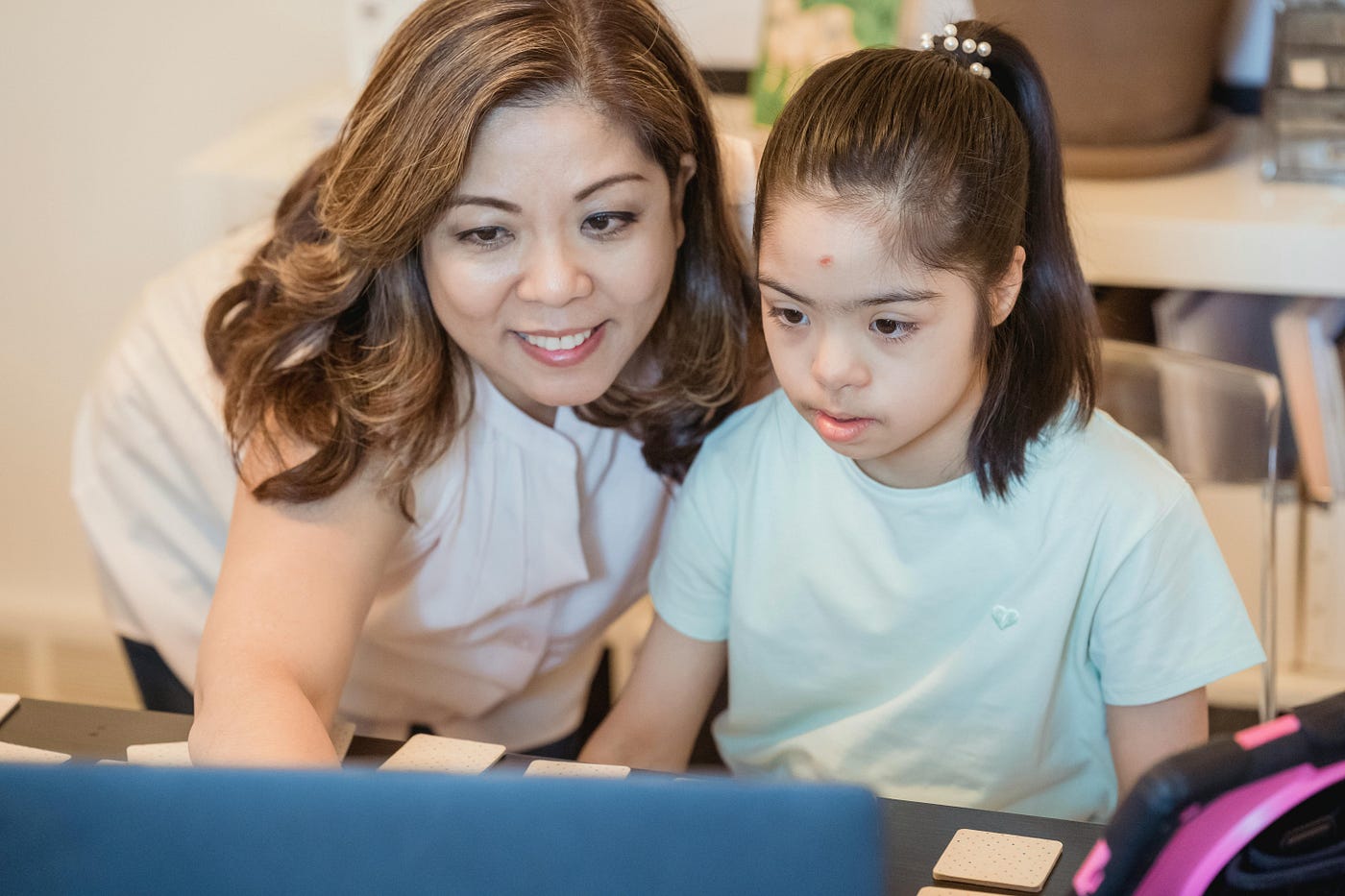
Today, we cannot imagine our lives without gadgets. Tablets help with communication. Phones connect kids to friends. Online platforms support learning, therapy, and creative play. For children with special needs, these digital tools can be even more important because they open doors that don’t exist in the offline world.
But devices and technology come with risks that can be even bigger and harder to manage for kids with developmental, emotional, or cognitive differences. Despite these risks, you cannot fully ban gadgets for such kids. But you can create a safe digital space for them and provide the support and awareness they need. Here is how.
Why Online Risks Can Be Different for Kids With Special Needs
Every child is unique, but many kids with special needs face challenges that can make the online world more confusing — or even dangerous.
First, there are kids who struggle to read social cues and may take words very literally. As a result, they may not recognize sarcasm, manipulation, or the other person’s hidden intentions. Or, they may not notice when jokes cross the line. They may not be aware that the other person’s requests are inappropriate or too personal.
Second, many children with special needs are very emotional and highly sensitive. That’s why online rejection, unkind comments, or social comparison can hit them even harder than others. What’s worse, these problems can go unnoticed for a long time because such kids often struggle to express what’s bothering them.
None of this means your child shouldn’t be online. It simply means they deserve extra layers of protection — and guidance — while they explore it.
The Good Side of Technology
Despite all of the risks, technology is not an enemy. On the contrary, it can be the necessary support for many children with special needs.
Digital tools can:
- Support communication for non-verbal children
- Reinforce learning through visual and interactive apps
- Help kids connect with others who share their interests
- Build independence and confidence in safe ways
The goal is not to remove screens from your child’s life. The goal is to shape their digital experience so it helps more than it hurts.
Start With Communication, Not Controls
A conversation about the child’s online activity is the first and important step. Be genuinely interested in what games they play, their online friends, and the content they watch and read. The tone matters here. It must be a gentle conversation, not an interrogation. From these talks, you can learn what the child is interested in and if there are any potentially harmful connections or content.
Another important thing to discuss is online safety. Talk about it in a way your child can understand. Explain what personal information is and why they shouldn’t share it. Practice what to do if someone makes them feel uncomfortable. Revisit these conversations often, not just once.
The more normal these talks feel, the more likely your child will come to you when something doesn’t feel right.
Boundaries Make Kids Feel Safer
Most children — especially those who thrive on routine — feel safer with clear structure. That includes their digital life.
This might mean:
- Devices are used only in shared family spaces
- Screen time happens within set hours
- Only certain apps or websites are allowed
- Online chatting is limited to known friends or family
For such children, schedules, visual rules, or agreements in writing can work excellently. They give the child the necessary structure and feelings of security.
And yes, your child may resist these rules at times. That’s normal.
Filters and Parental Controls Help, But They Aren’t Enough
Most modern gadgets, games, and platforms have parental controls, such as safe search settings or restricted modes. They can reduce accidental exposure to violent, sexual, or otherwise inappropriate content. Many platforms now offer built-in family supervision options, and it’s worth taking time to explore them.
Still, no filter is perfect. Content slips through. New platforms appear. Kids get curious. That’s why these tools should be viewed as a safety net — not the whole safety system.
Why Supervision Still Matters — Even as Kids Grow
As children get older, it’s natural to want to give them more independence. And they do deserve chances to grow. But for kids with special needs, completely hands-off digital freedom can create risks they aren’t ready to handle alone.
Supervision doesn’t have to mean constant hovering. It can look like:
- Checking in on activity from time to time
- Reviewing app use together
- Talking openly about what’s happening online
- Staying alert to emotional changes tied to screen time
For some families, digital monitoring becomes part of this bigger picture — especially when a child struggles to communicate clearly or recognize danger on their own.
The Role of Parental Monitoring
This is often a sensitive subject. Many parents worry about crossing the line between protection and invasion of privacy. That concern is valid — and it’s why transparency matters so much.
When monitoring is used thoughtfully, it can:
- Help parents catch cyberbullying early
- Alert them to risky conversations
- Identify signs of excessive screen use
- Provide peace of mind when children are away from home
For children who have limited safety awareness or difficulty reporting problems, this extra layer of oversight can be genuinely life-protecting.
The key is to be honest with your child. Let them know that monitoring exists to keep them safe — not to control or punish them. When kids understand the purpose, trust is much easier to preserve.
Tools That Can Support Digital Safety
Many parents today use digital tools to help manage their child’s online world — especially when work, caregiving, and daily life make constant supervision impossible.
Depending on the solution, these tools may offer:
- Screen time tracking
- App and website monitoring
- Location tracking
- Alerts for suspicious or risky behavior
Parents who want deeper insight into how their child uses their device can explore monitoring solutions like Spyrix Phone Tracker, which allows caregivers to stay informed without needing to constantly handle the phone itself.
Of course, no app replaces parenting. These tools work best alongside communication, trust, and emotional support — not instead of them.
Teaching Digital Safety in a Way Kids Can Understand
Even with the best supervision in the world, children still need to learn how to protect themselves online. Digital literacy is a skill — and like any skill, it takes time and repetition.
Simple lessons can include:
- What personal information should never be shared
- What to do if someone asks for photos
- How to respond to rude or scary messages
- When to immediately tell a trusted adult
For many children with special needs, visual stories, role-playing, and step-by-step examples work far better than abstract rules. Practicing situations together can help your child feel more confident and prepared.
Don’t Forget the Emotional Side of Online Life
Digital safety isn’t only about strangers and content filters. It’s also about how the online world affects your child emotionally.
Social media, gaming communities, and group chats can all bring pressure, comparison, and rejection. For kids who already struggle with emotional regulation or self-esteem, these experiences may feel overwhelming.
Pay attention to mood shifts after screen time. Watch for withdrawal, frustration, sleep problems, or sudden anxiety around devices. These can be signs that your child needs extra support — or that something online isn’t as harmless as it seems.
Encouraging offline activities, family time, physical movement, and creative play helps keep digital life in healthy balance.
Common Digital Parenting Mistakes
There’s no perfect formula for raising kids in a digital world — especially when special needs are part of the picture. Still, some common missteps are worth watching for:
- Completely banning all technology that can limit learning and independence
- Allowing unlimited access with no guidance or supervision
- Focusing only on content while ignoring emotional impact
- Assuming your child is “safe” just because they seem quiet online
Digital parenting isn’t about extremes. It’s about staying involved, adaptable, and willing to learn alongside your child.
A Final Thought: Safety and Independence Can Grow Together
The internet isn’t going anywhere — and neither is your child’s need to learn how to navigate it. Kids with special needs deserve the same opportunities for connection, growth, and self-expression as anyone else. They just deserve extra care along the way.
By keeping communication open, setting clear boundaries, paying attention to emotional well-being, and using smart supervision (including monitoring tools when needed), parents can create a digital environment that feels both safe and empowering.
The goal isn’t control. It’s confidence — for you and for your child — as they learn to move through both the online and offline worlds with greater security.
메타데이터
- post_id
- a70dea52c01a
- slug
- creating-a-safe-digital-space-for-kids-with-special-needs-a70dea52c01a
- url
- https://medium.com/@janetcpatterson/creating-a-safe-digital-space-for-kids-with-special-needs-a70dea52c01a
- canonical_url
- https://medium.com/@janetcpatterson/creating-a-safe-digital-space-for-kids-with-special-needs-a70dea52c01a
- author_url
- https://medium.com/@janetcpatterson
- status
- ok
- fetched_at
- 2026-07-22 02:49:39