The Basics of Microblading
Before you opt for Microblading, it is important to learn some basics. While this process is a lot less painful than a permanent tattoo…
The Basics of Microblading
Before you opt for **Microblading**, it is important to learn some basics. While this process is a lot less painful than a permanent tattoo, you should know that it only lasts about 18 months. However, it’s not for everyone. It’s important to follow aftercare instructions so that you can avoid scarring. It’s important to refrain from touching your eyebrows for 10–14 days after the procedure, as picking at the area will cause scarring. After the procedure, you should avoid doing any activity that makes you sweat, as this could expose the tattooed area to bacteria.
It is a tattooing technique
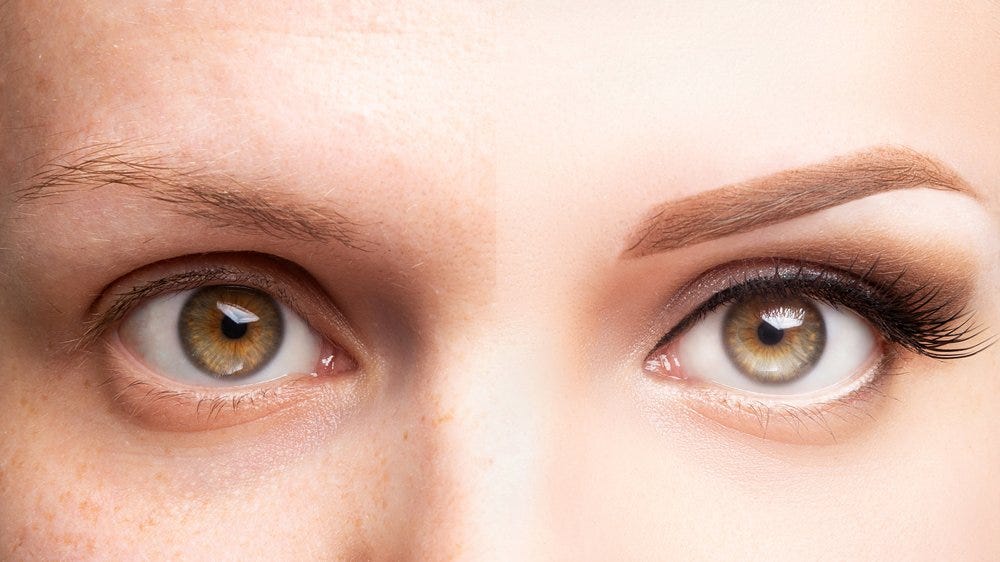
Microblading
Before undergoing microblading, a patient must first remove extra hair. Some patients may have to use eyebrow pencils or wax before the procedure. In cases of alopecia totalis, patients may have no eyebrow at all. The medial pad of fat on the orbital ridge can be used as a starting point on the medial side. The medial nasal area of a subject with a wider nose is also a good starting point.
Microblading is different from traditional tattooing in that it does not penetrate the deep layers of the skin. This means less pigment is used and the skin does not become scarred. The tattoo lasts anywhere from one to two years before it fades. Touch Ups are generally recommended six to eight months after the first procedure and then every twelve to eighteen months thereafter. In addition, touch ups are offered at discounted rates to existing clients.
It is less painful than a Permanent tattoo
Although it can be uncomfortable, microblading is far less painful than a traditional tattoo. This procedure involves the use of a hand-held tool called a microblade, which has thin pins that drag the skin in strokes. The pigments are applied to the skin using the tool to create the design. There are several pros and cons to both methods. The pros include fewer painful side effects, a shorter recovery time, and fewer scarring complications.
One drawback is increased sensitivity. Some clients have sensitive skin, such as people with rosacea. These individuals should avoid taking blood thinners two weeks before their appointment. Other skin conditions can make clients hypersensitive. Sunburn and acne can also increase the risk of hypersensitivity. Clients should consult with their physician prior to the procedure to discuss the risk factors. For microblading to be effective, clients should understand the benefits and drawbacks.
It lasts up to 18 Months
Generally, microblading lasts up to 18 months, but some people may require top-ups more often. People with oily skin will probably need touch-ups more often. Those with normal skin may only need touch-ups once or twice a year. The aftercare for microblading is similar to the aftercare for hair regrowth. To ensure that the pigment lasts for the longest period possible, it’s important to follow the instructions provided by the tattoo artist.
Before the procedure, the eyebrows must be clean and prepared. The microblading pen should have a 90-degree entry angle and be held upright. Afterward, the pen is dipped into a special pigment holder. This ink helps retain the pigment in the skin. Once the pigment has been inserted, the skin is wiped clean with normal saline. If you are a right-handed person, you will start with your right eyebrow.
It Is Not Suitable For Everyone
Microblading is not suitable for everyone. People with certain medical conditions, such as epilepsy, should consult a doctor before getting microblading. If you are on certain medications or have a history of seizures, you may have to wait a year before you can get microblading. The pigments used in microblading are not regulated by the FDA, and little research has been done on the safety of these products.
A microblading session will last around two hours. It is quick and does not cause smudging. The pigment will be placed in the first three layers of skin. However, if you are prone to keloids, microblading may not be the best option. For this reason, you should seek the advice of a dermatologist before getting microblading. This procedure is not suitable for people with keloids.
It Is Not For Oily Skin
While many people may think that microblading is safe for oily skin, the truth is that this type of skin requires special care and considerations when it comes to the procedure. A skilled artist will notice that you have oily skin when looking at your face, and they will look for large pores, thick skin, and a constant shine. Oily skin also makes microblading a little more difficult because the pigments tend to spread.
Because oily skin heals more slowly than normal skin, microblading on oily skin may not give the same high-quality, crisp, natural look as the procedure is designed to give. This means that the final result will be less refined and will fade much more quickly than on dry skin. For this reason, it’s important to go to a dermatologist before getting this procedure. However, this cosmetic procedure can be a good option for people with oily skin.
메타데이터
- post_id
- a718d3e6a06e
- slug
- the-basics-of-microblading-a718d3e6a06e
- url
- https://medium.com/@eyebrowsbyrose/the-basics-of-microblading-a718d3e6a06e
- canonical_url
- https://medium.com/@eyebrowsbyrose/the-basics-of-microblading-a718d3e6a06e
- author_url
- https://medium.com/@eyebrowsbyrose
- status
- ok
- fetched_at
- 2026-06-09 15:37:30