FMLA, ADA Updates 2026: A Real-World Guide to Supporting Your Team
Keeping up with workplace laws can sometimes feel like trying to hit a moving target. Just when you feel confident about how Family and…
FMLA, ADA Updates 2026: A Real-World Guide to Supporting Your Team
Keeping up with workplace laws can sometimes feel like trying to hit a moving target. Just when you feel confident about how Family and Medical Leave Act (FMLA) and Americans with Disabilities Act (ADA) rules work, updates and new guidance appear. For 2026, these **FMLA, ADA updates** continue to shape how employers and employees navigate leave, accommodations, and workplace support — and understanding them doesn’t have to be complicated.
This blog is designed to walk you through the basics in a clear, human way, so you can feel more confident handling real-life situations at work.
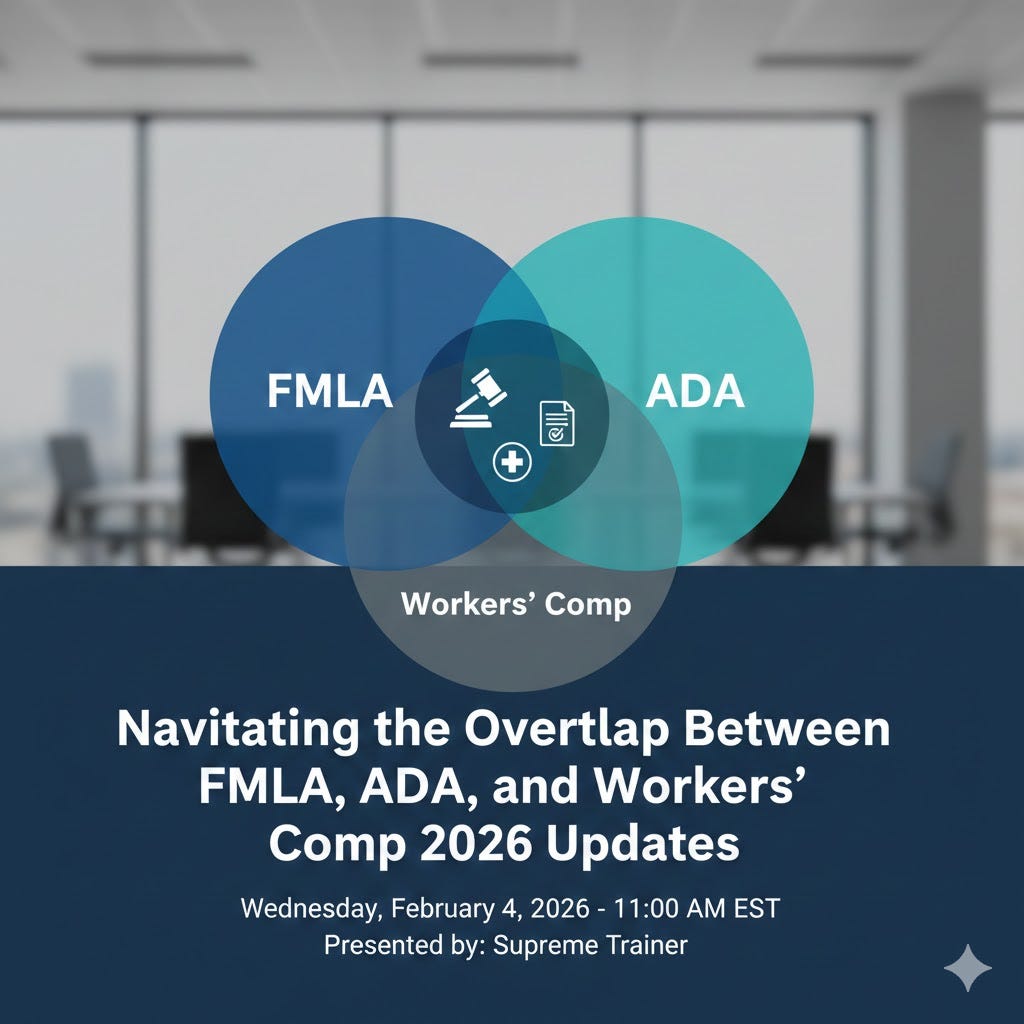
Why FMLA and ADA Often Overlap
In the real world, employee needs rarely fall neatly into just one category. An employee recovering from surgery may need time off under FMLA, and when they return, they might also need temporary accommodations under the ADA. This is where things can get confusing.
FMLA generally focuses on job-protected leave for eligible employees who need time off for serious health conditions or family care. ADA, on the other hand, focuses on reasonable accommodations that help qualified employees perform their jobs despite a disability.
The challenge — and opportunity — for employers is recognizing when both laws apply at the same time and responding in a way that supports the employee while staying compliant.
What’s New in the 2026 Updates
While the core principles of both laws remain the same, recent FMLA, ADA updates place stronger emphasis on communication, documentation, and consistency. Employers are being encouraged to:
- Respond more promptly to accommodation and leave requests
- Clearly document decisions and conversations
- Apply policies consistently across departments and teams
These updates aim to reduce misunderstandings and create a more transparent process for everyone involved.
Talking With Employees: The Human Side of Compliance
One of the most important — and often overlooked — parts of managing FMLA and ADA is simple, respectful conversation. Employees may already feel stressed about their health, family situation, or job security. How you communicate can make a huge difference.
Instead of focusing only on forms and policies, start with questions like:
- “How can we support you during this time?”
- “What do you need to do your job comfortably and safely?”
These open-ended questions can lead to better understanding and smoother solutions for both sides.
Real-Life Situations You Might Face
Let’s look at a common example. An employee takes FMLA leave after an injury. When they’re ready to return, their doctor recommends limited physical activity. This is where ADA comes into play. You may need to explore temporary adjustments, such as modified duties or flexible scheduling.
Another example is an employee managing a chronic condition. They may not need extended leave but could benefit from small accommodations, like remote work options or extra breaks. Recognizing these moments early can prevent bigger issues later.
Avoiding Common Mistakes
Even well-meaning employers can make mistakes when dealing with overlapping laws. Some common pitfalls include:
- Automatically denying accommodation requests without discussion
- Failing to provide required notices or documentation
- Treating similar cases differently across teams
The key is consistency and a willingness to engage in what’s often called the “interactive process” — a back-and-forth conversation to find reasonable solutions.
How Workers’ Compensation Fits In
When a workplace injury is involved, Workers’ Compensation can add another layer to the process. An employee may be receiving benefits, taking FMLA leave, and requesting ADA accommodations all at the same time.
While each system has its own rules, they often affect the same employee and situation. Coordinating between HR, management, and insurance providers can help ensure nothing falls through the cracks.
Building a Supportive Workplace Culture
At the end of the day, compliance isn’t just about avoiding legal trouble — it’s about creating a workplace where people feel supported. When employees trust that their employer will listen and respond fairly, they’re more likely to communicate openly and return to work feeling valued.
Training managers and supervisors on **FMLA, ADA updates** can go a long way. When frontline leaders understand the basics, they can spot potential issues early and guide employees to the right resources.
Final Thoughts
Navigating FMLA, ADA, and Workers’ Compensation in 2026 doesn’t have to feel overwhelming. By staying informed, keeping communication open, and focusing on practical, human-centered solutions, you can handle even complex situations with confidence.
Whether you’re part of an HR team, a manager, or a business owner, taking the time to understand these updates helps create a workplace that’s not only compliant — but also compassionate, supportive, and prepared for whatever challenges come next.
메타데이터
- post_id
- a76fbd2d51b8
- slug
- fmla-ada-updates-2026-a-real-world-guide-to-supporting-your-team-a76fbd2d51b8
- url
- https://medium.com/@supremetrainer/fmla-ada-updates-2026-a-real-world-guide-to-supporting-your-team-a76fbd2d51b8
- canonical_url
- https://medium.com/@supremetrainer/fmla-ada-updates-2026-a-real-world-guide-to-supporting-your-team-a76fbd2d51b8
- author_url
- https://medium.com/@supremetrainer
- status
- ok
- fetched_at
- 2026-07-13 06:23:13




