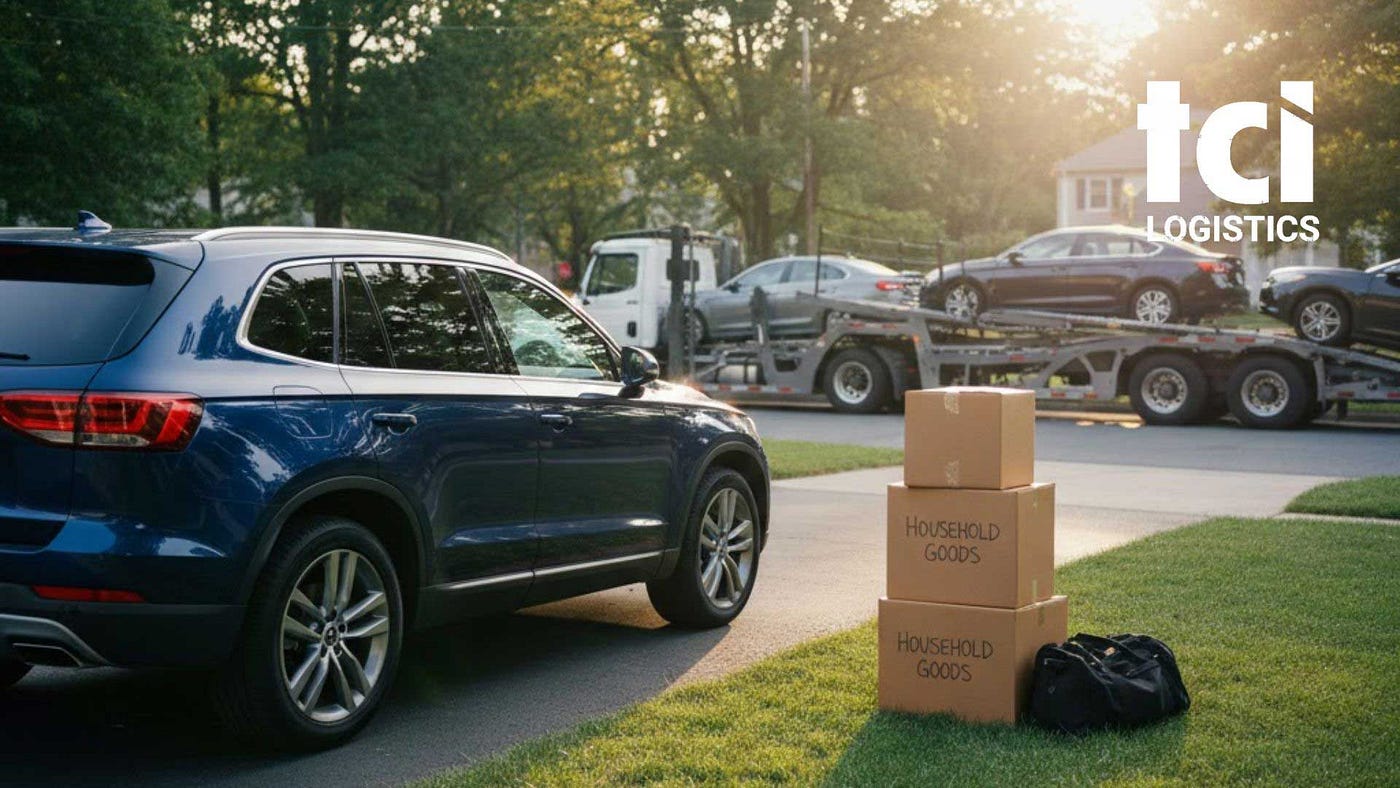
EV Car Shipping 2025: SOC, Ports, Carrier Rules & Cybertruck Pricing
Electric vehicles ship every day. Yet EV car shipping in 2025 comes with details that matter: battery state of charge (SOC), charger ports…
EV Car Shipping 2025: SOC, Ports, Carrier Rules & Cybertruck Pricing
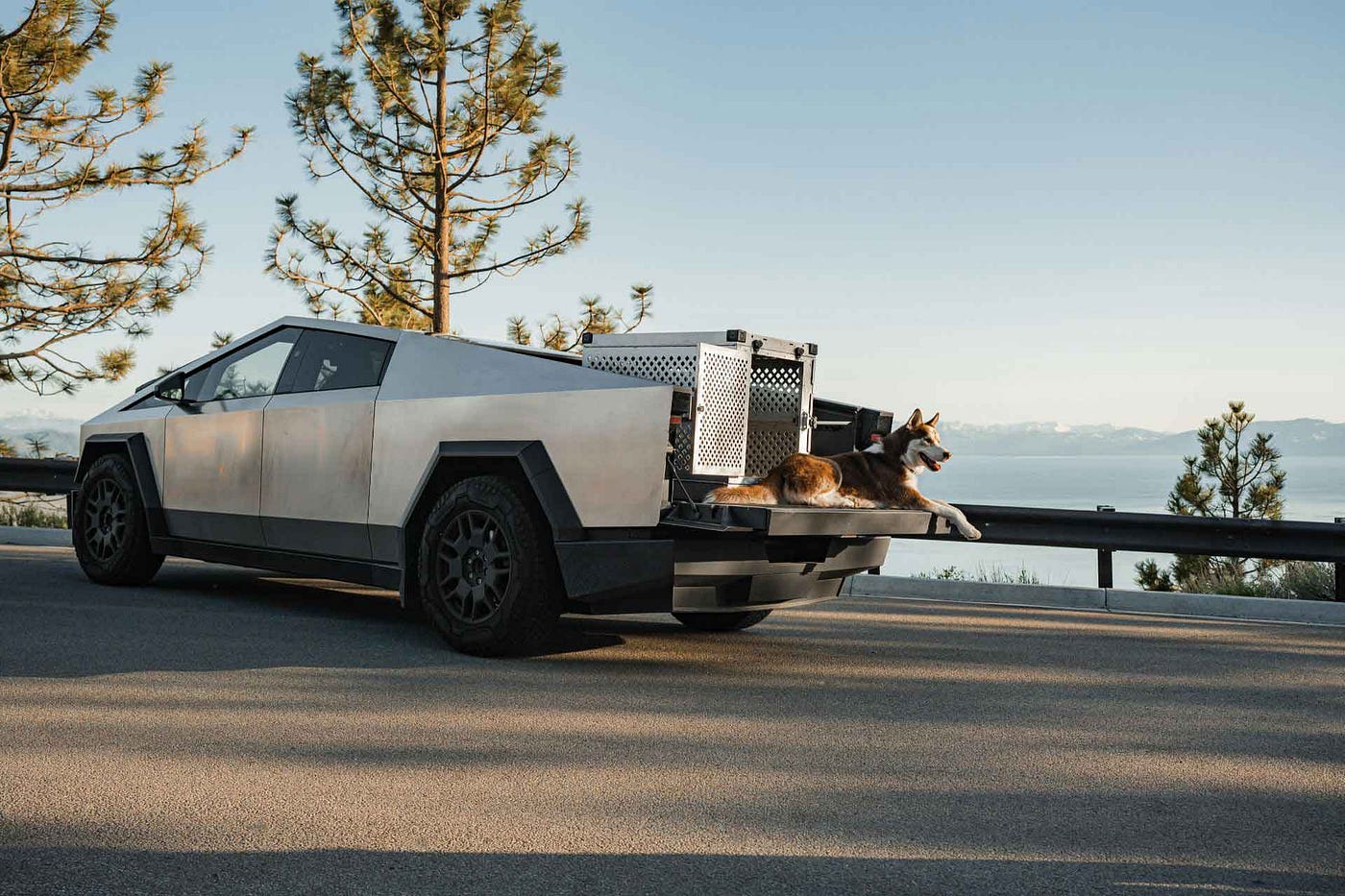
Electric vehicles ship every day. Yet EV car shipping in 2025 comes with details that matter: battery state of charge (SOC), charger ports on site, carrier rules, and the unique needs of Tesla Cybertruck and other oversized EVs. This guide keeps it simple and practical so you can plan, price, and ship with confidence.
Table of Contents
EV Car Shipping 2025: What’s New
What changed in 2025?
- More EV volume. Carriers see EVs on every lane, so processes are clearer and faster.
- Standardized connectors. The move to NACS across brands reduces adapter confusion at depots.
- Carrier training. Most drivers now follow EV-safe tie-downs and official tow/transport modes.
- Transparent pricing. Surcharges for weight or inoperable vehicles are spelled out up front.
Bottom line: EV shipping is routine now, but the details still drive smooth delivery and fair pricing.
Battery State of Charge (SOC) for Transport
SOC is the single most important prep item for EV shipping.
Why carriers care
- Weight & safety. A lower SOC slightly reduces total weight and minimizes thermal risk during long hauls.
- Yard movement. Terminals need enough SOC to load/unload and to hand off to local carriers.
Best practice for 2025
- Target 20–40% SOC at pickup. Many carriers set 30% max.
- Avoid 0%. Leave enough charge to move the car on and off the trailer if a winch isn’t used.
- Disable scheduled charging and energy-hungry features before pickup.
If the EV arrives too full
- The driver may idle with HVAC to burn charge (slow).
- Some yards have level-2 chargers and can top down or top up for a fee.
- Over-charge beyond posted limits can trigger a re-schedule with a fee.
Charger Ports: NACS, CCS1, J1772 and Terminal Charging
You do not need to include a charger to ship an EV. Still, it helps to know the basics:
- NACS (Tesla-style) is becoming common on 2025+ models.
- CCS1 remains widespread on earlier non-Tesla EVs.
- J1772 is the typical level-2 connector for plug-in hybrids and older EVs.
- CHAdeMO appears on select older models.
When ports matter
- Origin/destination terminals may have J1772 or NACS level-2 for yard moves.
- If your EV uses a different inlet, place the small adapter in the glovebox. Label it so it returns with the vehicle.
Carrier Rules and Equipment for EVs
Carriers in 2025 follow simple rules that protect your battery and their rig:
- Transport/Tow Mode. Put the EV in the maker’s official mode (e.g., Tesla Transport Mode).
- 12-volt system health. A weak 12-V battery can brick the car for loading; replace it if marginal.
- Tie-down points. Drivers use soft-straps and rated points, never around control arms or HV lines.
- Inoperable EVs. Winch and skates may be required-expect a fee.
- Weight placement. Heavy battery packs go over the trailer axles to meet weight limits.
Pro tip: Leave two keys/fobs (one with the driver, one hidden in a labeled envelope in the car). Remove charging cables you don’t want to ship.
Open vs. Enclosed EV Shipping
Open carrier
Enclosed carrier
2025 Pricing: Cost Factors and Realistic Ranges
What sets the price
- Distance and lane demand (dense corridors are cheaper per mile).
- Vehicle size and weight (EVs are heavier; trucks and large SUVs cost more).
- Season (snowbird and winter weather can shift rates).
- Speed (expedited pickups cost more).
- Trailer type (enclosed vs. open).
- Condition (inoperable adds fees).
Typical 2025 ranges (open carrier, running EV)
These are planning ranges. Final quotes move with diesel prices, driver supply, and live dispatch conditions.
Shipping a Tesla Cybertruck or Oversized EV: What’s Different (and What It Costs)
Size & weight considerations
- Larger footprint needs a wider/longer deck slot.
- Higher curb weight can reduce a trailer’s total load count.
- Carriers prefer to position heavy EVs over trailer axles to stay legal.
- Some multi-car open carriers impose a per-vehicle weight cap; dispatch will place Cybertruck on suitable units only.
Ramp angles & approach
- Long wheelbase and front overhang mean shallower ramps are safer.
- Enclosed low-angle carriers reduce risk of scraping.
Surcharges you may see
Cost examples (open carrier, running condition)
On lanes with fewer heavy-duty slots, expect the upper half of the range.
Cybertruck tie-down & access
- Use factory tie-down points only.
- Confirm Transport Mode and any air-suspension settings required for loading.
- If you use wheel locks, place the key in a clearly labeled bag.
Cybertruck & Oversized EV Preparation
Simple prep prevents delays:
Before pickup
- SOC 20–40%. Don’t hand off at 90–100%.
- Transport/Tow Mode. Know the steps on your exact model.
- Turn off Sentry and always-on cameras to cut phantom drain.
- Close tonneau/bed accessories and secure loose add-ons.
- Measure total height if you have racks. Remove tall items.
- Photograph all sides, wheels, glass, and the roof.
Keys & docs
- Provide two keys/fobs/cards.
- Put one in a labeled envelope in the center console.
- Hand one to the driver.
At pickup
- Walk around with the driver.
- Note existing marks on the Bill of Lading (BOL).
- Keep copies of your photos and the signed BOL.
Insurance, Photos, and the Bill of Lading
Insurance
Photos
- Shoot clear photos at pickup and delivery.
- Include wheels, front lip, rocker panels, glass, mirrors, roof, and any add-ons.
Bill of Lading
- The BOL records condition, VIN, odometer, and accessories.
- Check it before you sign at delivery. Note any new damage on the BOL and take photos on the spot.
HowTo: Book EV Transport Step-by-Step
- Define your lane and window. City-to-city, earliest pickup, latest delivery.
- Choose open vs. enclosed. For premium EVs or winter lanes, go enclosed.
- Share exact specs. Year, make, model, trim, add-ons, and whether the EV runs. Mention oversize items.
- Ask for EV-ready dispatch. Request drivers trained in transport mode and EV tie-downs.
- Verify credentials. Check USDOT/MC and cargo insurance.
- Book with a realistic window. 1–5 days for common lanes; longer for rural or oversize.
- Prep the car. SOC 20–40%, transport mode, remove personal items, photograph.
- Meet the driver. Share access details, parking rules, and any gate codes.
- Track and confirm delivery. Inspect with the driver, note the BOL, keep copies.
Pickup-Day EV Checklist
- SOC 20–40% ✔
- Transport/Tow Mode ready ✔
- Two keys/fobs provided ✔
- Charging adapters removed or labeled to ship ✔
- Personal items removed ✔
- Photos taken (all sides, wheels, roof, glass) ✔
- Alarms/Sentry off ✔
- BOL reviewed and signed at pickup ✔
EV Shipping FAQ
Does an EV need to be fully charged for shipping?
No. Keep it 20–40%. That is enough for loading and safer for long hauls.
Can a carrier charge my EV if the battery is low?
Are EVs more expensive to ship than gas cars?
Should I choose enclosed for an EV?
Choose enclosed for premium models, long winter routes, or if you want added protection. Otherwise, open is fine.
What if my EV does not start or shift to neutral?
Declare inoperable status when booking. Carriers can use a winch and skates, usually with a fee.
How do I avoid battery drain during transport?
What’s special about shipping a Cybertruck?
It is larger and heavier than most cars, so carriers use specific deck positions and may add oversize fees. Low-angle ramps and proper tie-down points are key.
Authority Resources
Electric vehicles ship every day. Yet EV car shipping in 2025 comes with details that matter: battery state of charge (SOC), charger ports on site, carrier rules, and the unique needs of Tesla Cybertruck and other oversized EVs. This guide keeps it simple and practical so you can plan, price, and ship with confidence.
Table of Contents
EV Car Shipping 2025: What’s New
What changed in 2025?
- More EV volume. Carriers see EVs on every lane, so processes are clearer and faster.
- Standardized connectors. The move to NACS across brands reduces adapter confusion at depots.
- Carrier training. Most drivers now follow EV-safe tie-downs and official tow/transport modes.
- Transparent pricing. Surcharges for weight or inoperable vehicles are spelled out up front.
Bottom line: EV shipping is routine now, but the details still drive smooth delivery and fair pricing.
Battery State of Charge (SOC) for Transport
SOC is the single most important prep item for EV shipping.
Why carriers care
- Weight & safety. A lower SOC slightly reduces total weight and minimizes thermal risk during long hauls.
- Yard movement. Terminals need enough SOC to load/unload and to hand off to local carriers.
Best practice for 2025
- Target 20–40% SOC at pickup. Many carriers set 30% max.
- Avoid 0%. Leave enough charge to move the car on and off the trailer if a winch isn’t used.
- Disable scheduled charging and energy-hungry features before pickup.
If the EV arrives too full
- The driver may idle with HVAC to burn charge (slow).
- Some yards have level-2 chargers and can top down or top up for a fee.
- Over-charge beyond posted limits can trigger a re-schedule with a fee.
Charger Ports: NACS, CCS1, J1772 and Terminal Charging
You do not need to include a charger to ship an EV. Still, it helps to know the basics:
- NACS (Tesla-style) is becoming common on 2025+ models.
- CCS1 remains widespread on earlier non-Tesla EVs.
- J1772 is the typical level-2 connector for plug-in hybrids and older EVs.
- CHAdeMO appears on select older models.
When ports matter
- Origin/destination terminals may have J1772 or NACS level-2 for yard moves.
- If your EV uses a different inlet, place the small adapter in the glovebox. Label it so it returns with the vehicle.
Carrier Rules and Equipment for EVs
Carriers in 2025 follow simple rules that protect your battery and their rig:
- Transport/Tow Mode. Put the EV in the maker’s official mode (e.g., Tesla Transport Mode).
- 12-volt system health. A weak 12-V battery can brick the car for loading; replace it if marginal.
- Tie-down points. Drivers use soft-straps and rated points, never around control arms or HV lines.
- Inoperable EVs. Winch and skates may be required-expect a fee.
- Weight placement. Heavy battery packs go over the trailer axles to meet weight limits.
Pro tip: Leave two keys/fobs (one with the driver, one hidden in a labeled envelope in the car). Remove charging cables you don’t want to ship.
Open vs. Enclosed EV Shipping
Open carrier
Enclosed carrier
2025 Pricing: Cost Factors and Realistic Ranges
What sets the price
- Distance and lane demand (dense corridors are cheaper per mile).
- Vehicle size and weight (EVs are heavier; trucks and large SUVs cost more).
- Season (snowbird and winter weather can shift rates).
- Speed (expedited pickups cost more).
- Trailer type (enclosed vs. open).
- Condition (inoperable adds fees).
Typical 2025 ranges (open carrier, running EV)
These are planning ranges. Final quotes move with diesel prices, driver supply, and live dispatch conditions.
Shipping a Tesla Cybertruck or Oversized EV: What’s Different (and What It Costs)
Size & weight considerations
- Larger footprint needs a wider/longer deck slot.
- Higher curb weight can reduce a trailer’s total load count.
- Carriers prefer to position heavy EVs over trailer axles to stay legal.
- Some multi-car open carriers impose a per-vehicle weight cap; dispatch will place Cybertruck on suitable units only.
Ramp angles & approach
- Long wheelbase and front overhang mean shallower ramps are safer.
- Enclosed low-angle carriers reduce risk of scraping.
Surcharges you may see
Cost examples (open carrier, running condition)
On lanes with fewer heavy-duty slots, expect the upper half of the range.
Cybertruck tie-down & access
- Use factory tie-down points only.
- Confirm Transport Mode and any air-suspension settings required for loading.
- If you use wheel locks, place the key in a clearly labeled bag.
Cybertruck & Oversized EV Preparation
Simple prep prevents delays:
Before pickup
- SOC 20–40%. Don’t hand off at 90–100%.
- Transport/Tow Mode. Know the steps on your exact model.
- Turn off Sentry and always-on cameras to cut phantom drain.
- Close tonneau/bed accessories and secure loose add-ons.
- Measure total height if you have racks. Remove tall items.
- Photograph all sides, wheels, glass, and the roof.
Keys & docs
- Provide two keys/fobs/cards.
- Put one in a labeled envelope in the center console.
- Hand one to the driver.
At pickup
- Walk around with the driver.
- Note existing marks on the Bill of Lading (BOL).
- Keep copies of your photos and the signed BOL.
Insurance, Photos, and the Bill of Lading
Insurance
Photos
- Shoot clear photos at pickup and delivery.
- Include wheels, front lip, rocker panels, glass, mirrors, roof, and any add-ons.
Bill of Lading
- The BOL records condition, VIN, odometer, and accessories.
- Check it before you sign at delivery. Note any new damage on the BOL and take photos on the spot.
HowTo: Book EV Transport Step-by-Step
- Define your lane and window. City-to-city, earliest pickup, latest delivery.
- Choose open vs. enclosed. For premium EVs or winter lanes, go enclosed.
- Share exact specs. Year, make, model, trim, add-ons, and whether the EV runs. Mention oversize items.
- Ask for EV-ready dispatch. Request drivers trained in transport mode and EV tie-downs.
- Verify credentials. Check USDOT/MC and cargo insurance.
- Book with a realistic window. 1–5 days for common lanes; longer for rural or oversize.
- Prep the car. SOC 20–40%, transport mode, remove personal items, photograph.
- Meet the driver. Share access details, parking rules, and any gate codes.
- Track and confirm delivery. Inspect with the driver, note the BOL, keep copies.
Pickup-Day EV Checklist
- SOC 20–40% ✔
- Transport/Tow Mode ready ✔
- Two keys/fobs provided ✔
- Charging adapters removed or labeled to ship ✔
- Personal items removed ✔
- Photos taken (all sides, wheels, roof, glass) ✔
- Alarms/Sentry off ✔
- BOL reviewed and signed at pickup ✔
EV Shipping FAQ
Does an EV need to be fully charged for shipping?
No. Keep it 20–40%. That is enough for loading and safer for long hauls.
Can a carrier charge my EV if the battery is low?
Are EVs more expensive to ship than gas cars?
Should I choose enclosed for an EV?
Choose enclosed for premium models, long winter routes, or if you want added protection. Otherwise, open is fine.
What if my EV does not start or shift to neutral?
Declare inoperable status when booking. Carriers can use a winch and skates, usually with a fee.
How do I avoid battery drain during transport?
What’s special about shipping a Cybertruck?
It is larger and heavier than most cars, so carriers use specific deck positions and may add oversize fees. Low-angle ramps and proper tie-down points are key.
Authority Resources
Originally published at https://tciships.com.
메타데이터
- post_id
- a793f65ee2ff
- slug
- ev-car-shipping-2025-soc-ports-carrier-rules-cybertruck-pricing-a793f65ee2ff
- url
- https://medium.com/@webcrem2024/ev-car-shipping-2025-soc-ports-carrier-rules-cybertruck-pricing-a793f65ee2ff
- canonical_url
- https://medium.com/@webcrem2024/ev-car-shipping-2025-soc-ports-carrier-rules-cybertruck-pricing-a793f65ee2ff
- author_url
- https://medium.com/@webcrem2024
- status
- ok
- fetched_at
- 2026-06-25 07:00:49