Longer Than World War I, and the Tide May Be Turning
As Ukrainian drones strike Moscow’s refineries and cut Crimea off from the mainland, the EU extends sanctions for a full year for the first…
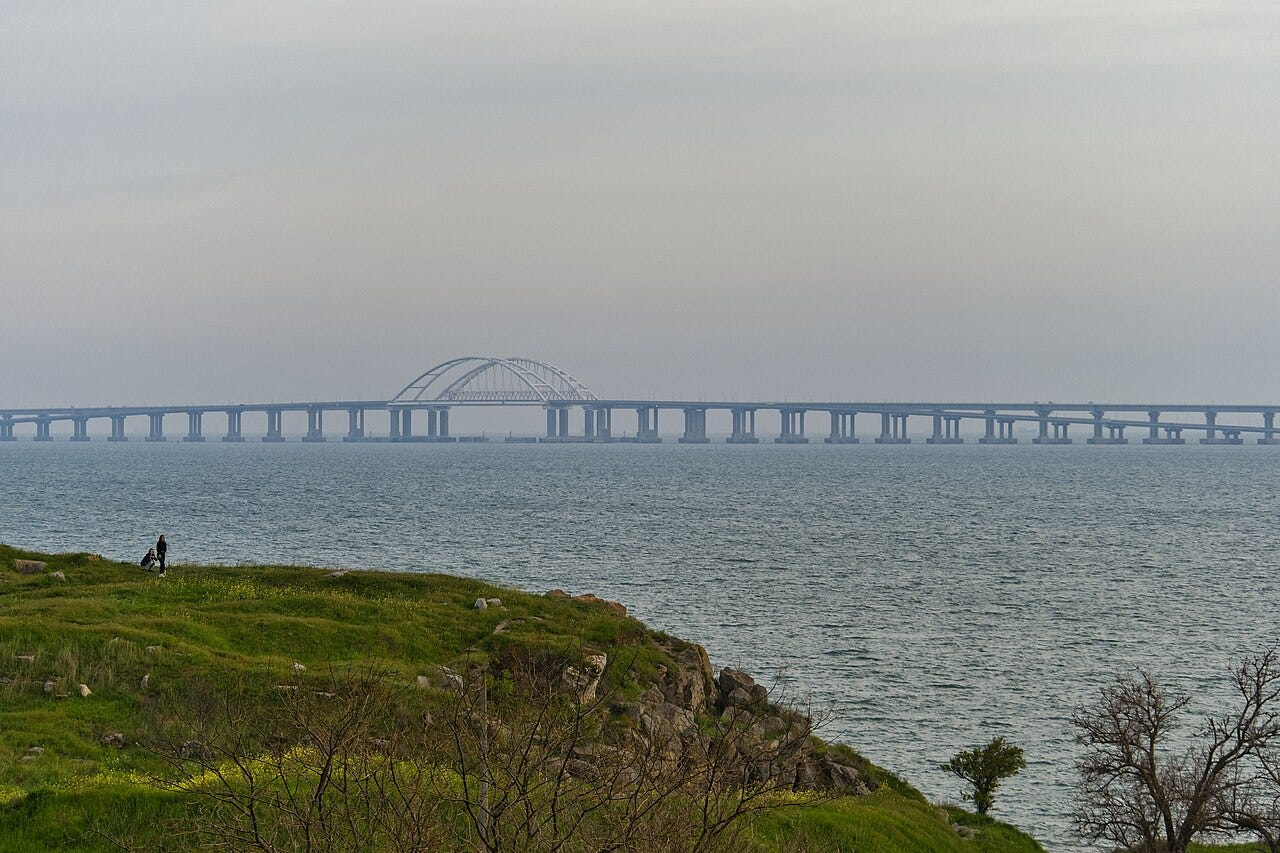
Kerch Bridge, Crimea
Longer Than World War I, and the Tide May Be Turning
As Ukrainian drones strike Moscow’s refineries and cut Crimea off from the mainland, the EU extends sanctions for a full year for the first time — even as Brussels fractures over who gets to talk to the Kremlin
More than four years after Russia launched its full-scale invasion, the war in Ukraine has now run longer than the First World War.
By the Ukrainian general staff’s count, the conflict passed its 1,568th day in mid-June 2026, matching the 1914–1918 war in duration with no resolution in sight.
What has changed in recent weeks is not the war’s fundamental shape but its intensity, its geography, and the diplomatic scramble surrounding it.
Drones now reach deep into Russia’s interior with a frequency and precision that were unthinkable even a year ago, Europe’s institutions are convulsed by an argument over who gets to speak to Moscow, and the European Union has, for the first time, agreed to extend its sanctions regime by a full year rather than the usual six months.
Each of these threads — the battlefield, the diplomacy, the daily lives of people under occupation, and the political balancing acts of Russia’s remaining allies — has its own momentum, but together they sketch the contours of a war whose long-term trajectory may finally be shifting, however slowly, against Moscow.
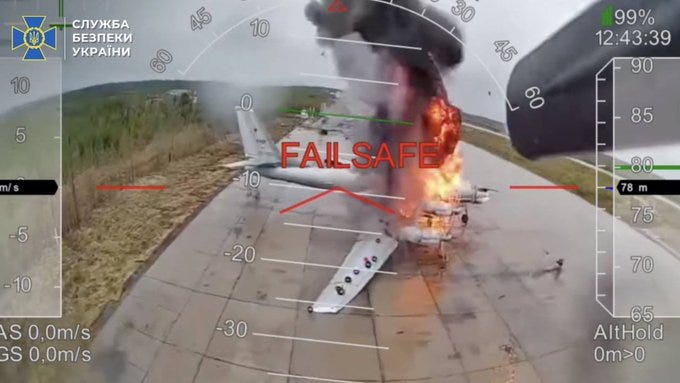
The most visible battlefield change has been the intensification of Ukraine’s long-range drone campaign against Russian energy infrastructure, paired with intensified Russian missile and drone barrages against Ukrainian cities.
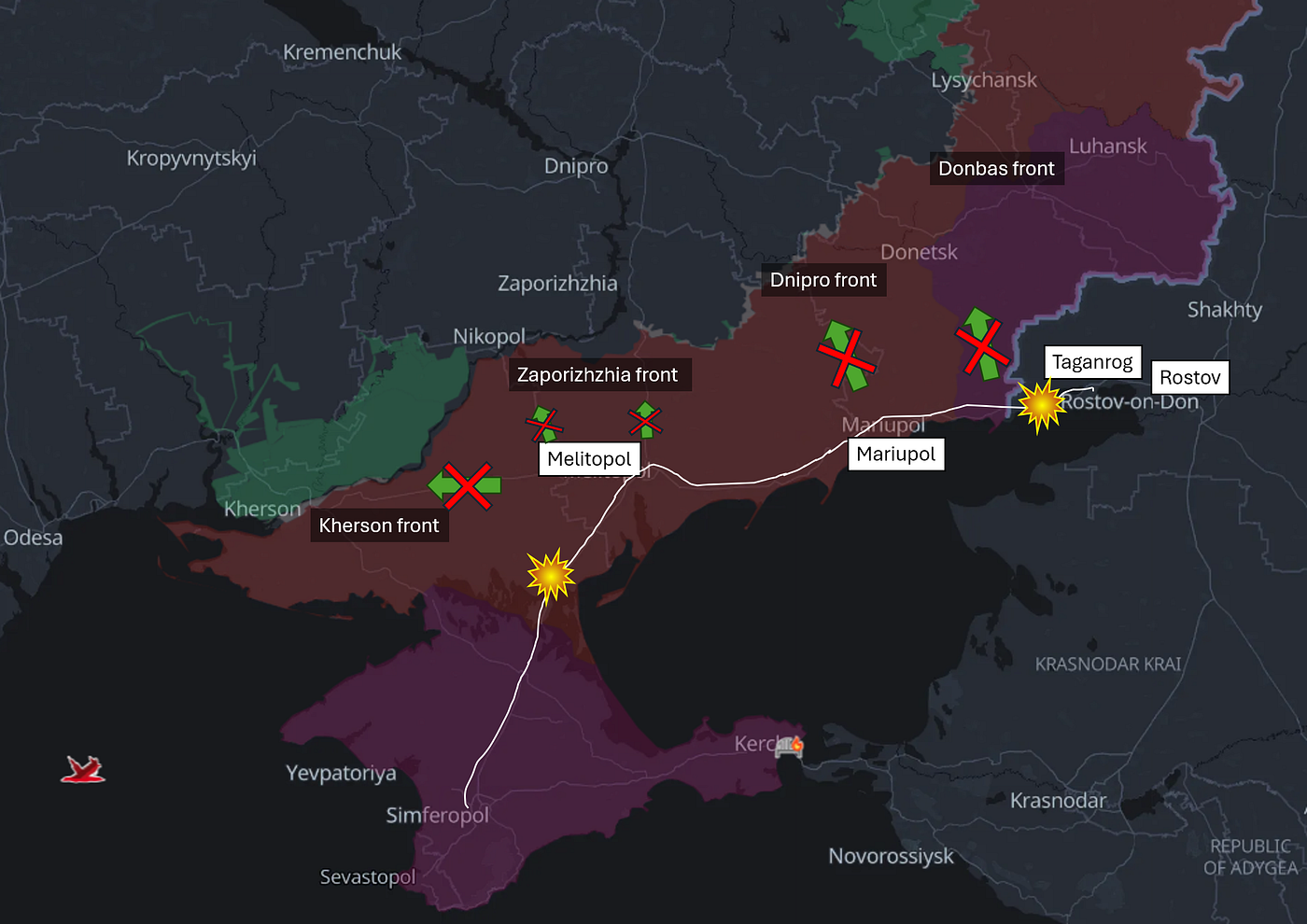
On June 21, Ukrainian drones struck Russian-annexed Crimea near Kerch, killing at least four people and wounding 28, according to the Moscow-appointed regional head, Sergei Aksyonov; fires hit a fuel terminal in the port, and the bridge linking Crimea to Russia was closed overnight.
For weeks Ukraine has pursued a deliberate strategy of severing Crimea’s supply lines, with officials suggesting the peninsula is steadily being turned into something resembling an island.
Russia’s interior has not been spared. A drone hit an oil refinery in Siberia’s Tyumen region, roughly 2,000 kilometers from the border, though officials said damage was limited.
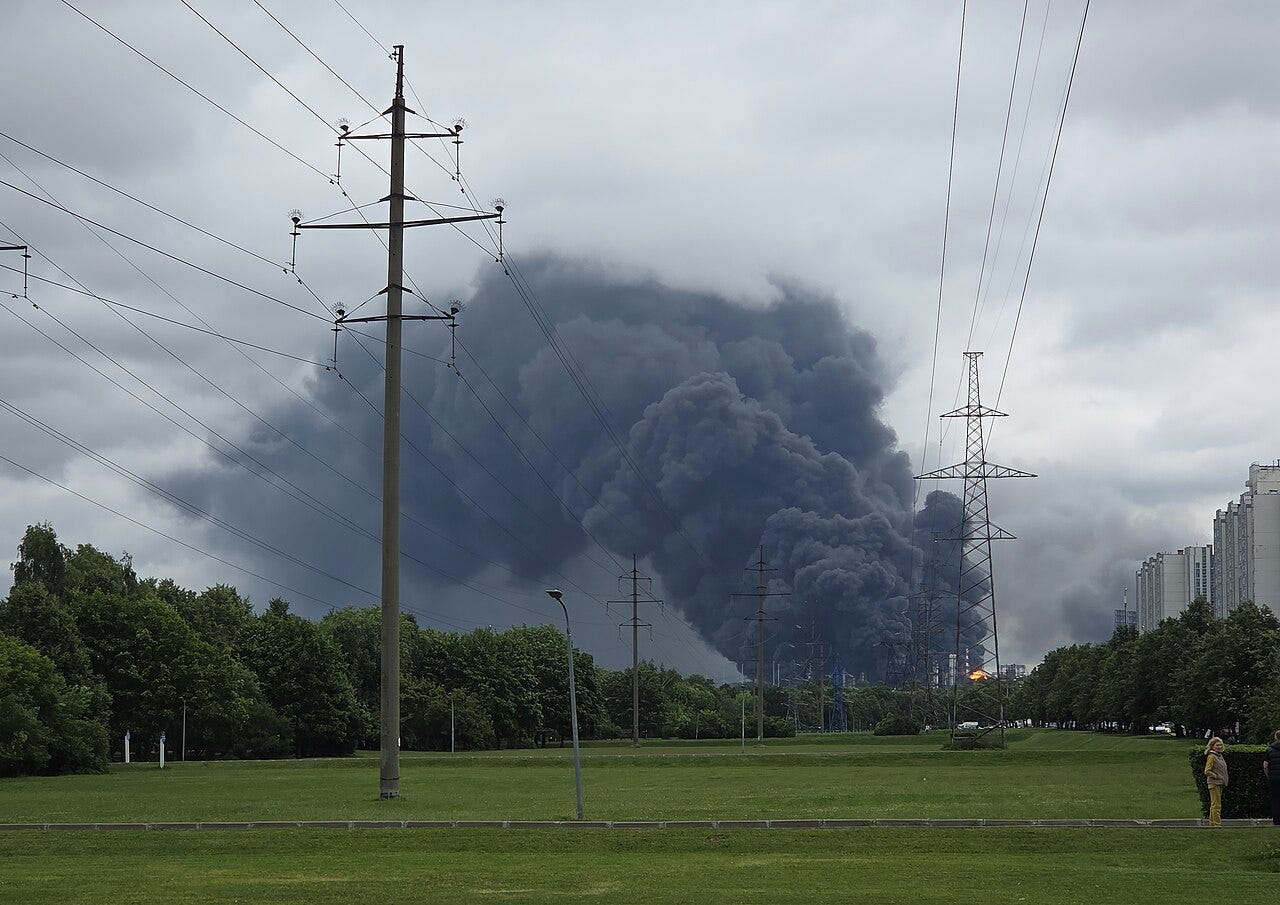
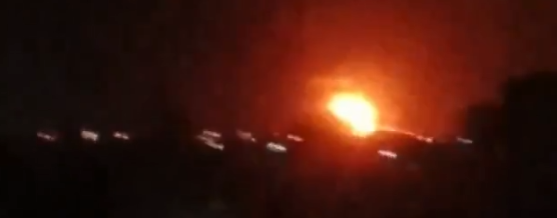
Far more consequential was the June 18 attack on the Kapotnya refinery in southeastern Moscow, described by Moscow’s mayor, Sergei Sobyanin, as one of the most intense drone assaults the capital has experienced. Some 194 drones were reportedly shot down, but enough got through to knock out roughly 53 percent of the refinery’s capacity — a facility that normally supplies around 40 percent of fuel used in greater Moscow.
Nearby buildings were damaged, all four Moscow airports briefly suspended operations, and at least seventeen people were injured. President Volodymyr Zelensky confirmed the strike, framing it as part of Ukraine’s “long-range sanctions” against the Russian oil industry and renewing his call for Moscow to pursue diplomacy. Residents near the refinery were reportedly filming the blaze despite a recording ban, with some remarking, half in jest, that they were watching a new world war begin.
The targeting of Russian energy infrastructure has become a sustained Ukrainian strategy, with recent strikes also hitting an oil-extraction site in Yaroslavl, the Azot chemical plant in Tula — which Zelensky called critical to Russian explosives production — a refinery near Krasnodar, fuel depots in Crimea, and port infrastructure at Temryuk on the Sea of Azov, where one person was killed. Officials describe the aim as twofold: choking off oil-export revenue and degrading the logistics sustaining Russian forces, particularly routes feeding Crimea and the Donbas.
Russia, meanwhile, has kept up its own punishing campaign against Ukrainian cities. The most symbolically charged strike came on June 15, when a Russian missile attack on Kyiv set fire to the Dormition Cathedral within the Kyiv Pechersk Lavra, a UNESCO World Heritage Site central to Ukrainian Orthodox Christianity. Kyiv called it a direct hit; Russia’s defense ministry denied targeting the monastery, blaming a Ukrainian Patriot air-defense missile instead. Clergy organized an emergency rescue of icons and relics. Zelensky condemned the strike as one of the gravest crimes against Christian culture in the war and urged G7 leaders to bolster Ukrainian air defenses. The same barrage, involving 70 missiles and 611 drones by Zelensky’s count, killed four people in Kyiv, cut power to roughly 140,000 residents, and killed four rescue workers and a city official in Kharkiv.
The following days brought a steady drumbeat of casualties: deaths and injuries from glide-bomb and shelling attacks in Kharkiv, Nikopol, Kramatorsk, and Pavlohrad, alongside Russian-reported Ukrainian strikes killing civilians in Belgorod and Bryansk. Zelensky warned on June 20 of a renewed Russian mass strike, consistent with reports that Russia’s defense ministry had intercepted 239 Ukrainian drones overnight even as further Russian strikes killed civilians in Zaporizhzhia, Poltava, and Dnipropetrovsk.
One especially fraught episode involved children: on June 17, a vehicle carrying a youth football team from Gomel, Belarus, was struck, apparently by a drone, in Russia’s Bryansk region, killing an adult chaperone and injuring several children. Russia called it a monstrous crime; Ukraine’s general staff denied using drones against Bryansk targets at the time. Responsibility remained unresolved, but the incident underscored how the borderlands feeding Ukraine’s strike campaign have become a zone where civilian vehicles far from the front are increasingly at risk.
Amid the violence, wartime humanitarian exchange has continued: Russia and Ukraine again swapped soldiers’ remains in mid-June — 522 sets returned to Kyiv against 33 to Moscow, part of a pattern since 2025 in which Russia has returned over 20,000 Ukrainian dead against just over 600 Russian dead, reflecting how Ukrainian forces have often been unable to recover their own fallen. A prisoner exchange of 185 soldiers each, brokered by the UAE, also took place in early June. The occupied Zaporizhzhia nuclear plant suffered its 19th loss of external power since occupation began, restored after three days via emergency generators. A drone also struck a building at Chernobyl’s spent-fuel storage facility; operator Energoatom said no fuel was stored there and radiation remained normal, though IAEA chief Rafael Grossi called the incident deeply concerning.
If the battlefield shows incremental shifts, Brussels diplomacy has been considerably more turbulent. A routine European Council summit on June 18–19 turned into nearly three hours of debate over who is authorized to open channels with the Kremlin. The dispute centers on Council President António Costa, after his chief of staff, Pedro Lourtie, made contact with a Putin aide to lay groundwork for eventual talks. German Chancellor Friedrich Merz and French President Emmanuel Macron confronted Costa directly, with German officials calling the move an affront; Costa’s office defended the contacts as brief and substance-free.
The row reflects deeper tension. Germany, France, and the UK — the “E3” — have positioned themselves as Ukraine’s primary interlocutors since hosting Zelensky in London, where the four governments agreed on conditions for any peace talks: an unconditional ceasefire, the current front line as a negotiating starting point without altering borders by force, and binding postwar security guarantees including a multinational force. Costa argues he is the treaty-designated EU representative and retains support from smaller states including Austria. Poland’s Donald Tusk has complained of exclusion from the E3 altogether; Merz is working to widen the format into an “E5” including Poland and Italy, with Italy’s Giorgia Meloni questioning the E3’s legitimacy to speak for everyone. Reporting suggests Costa’s aide had been rebuffed by Berlin and Paris before going to Moscow, explaining the sharpness of the backlash. The E3 intends to press ahead without Costa for now.
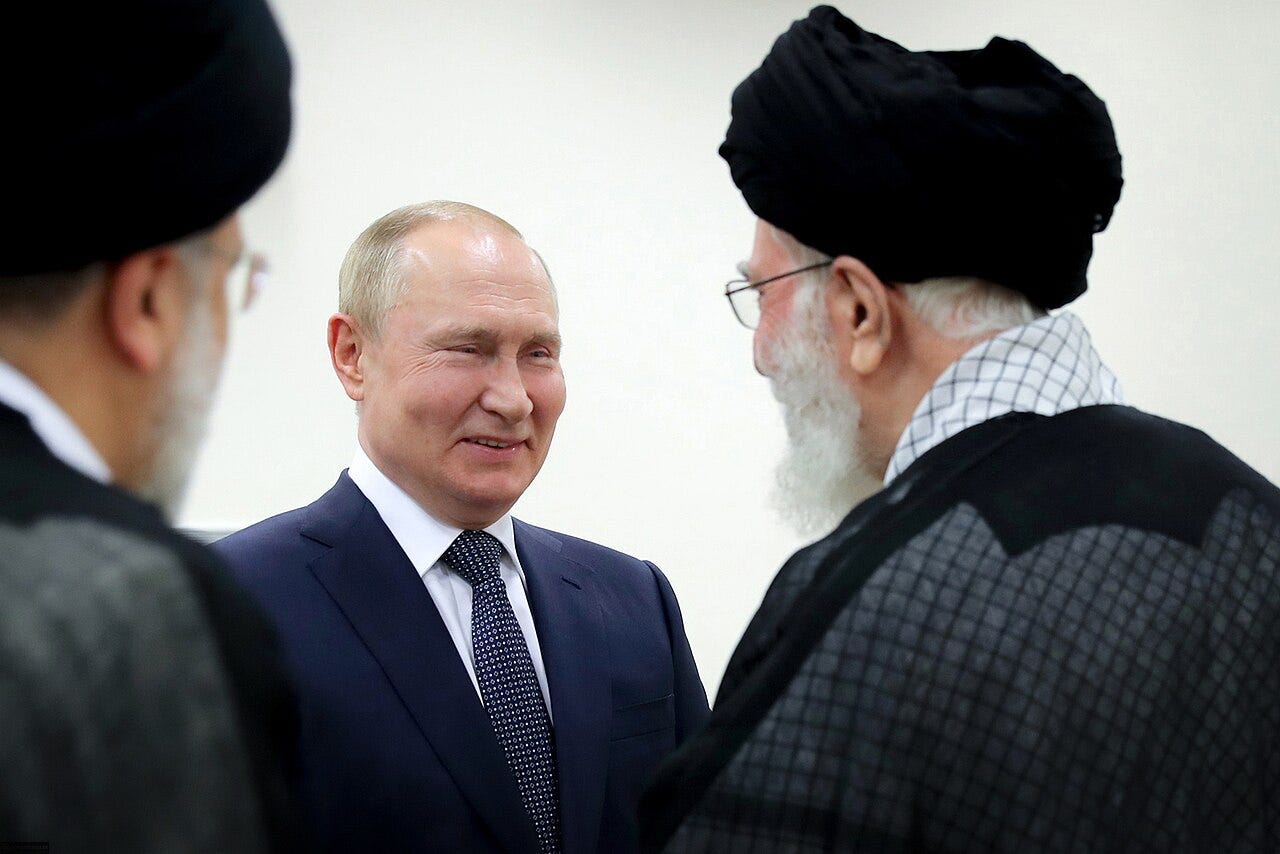
Adding urgency was a shift in tone from Washington. At the G7 summit in Évian-les-Bains, President Trump signaled renewed willingness to pressure Moscow, including reversing earlier sanctions relief on Russian oil granted amid market jitters over the Israel-Iran war. People familiar with his thinking say Trump increasingly views Ukraine as negotiating from relative battlefield strength. A US exemption easing oil sanctions expired June 17 without clarity on renewal. Zelensky thanked Trump at the G7 and held calls with envoys Steve Witkoff and Jared Kushner about reinvigorating diplomacy ahead of July’s NATO summit in Turkey. He also formally proposed direct talks with Putin; Putin rejected the idea as premature.
Despite discord over process, EU ministers made tangible progress on substance. All 27 member states agreed a joint statement on Ukraine for the first time since December 2024, and the EU extended sanctions for a full twelve months rather than the usual six — made possible by Hungary’s change of government. New Prime Minister Péter Magyar has taken a markedly more critical line toward Moscow than predecessor Viktor Orbán; Foreign Minister Anita Orbán (no relation) said Hungary was again acting like “a European state,” having secured guarantees for the Hungarian minority in Transcarpathia that cleared the way to drop Budapest’s blockade.
The summit declaration commits the EU to deepening pressure on Russia’s war economy: curtailing energy revenues, restricting the “shadow fleet” of tankers evading the oil price cap, and tightening banking constraints. New sanctions hit 34 individuals, 47 organizations, and 54 additional vessels. Negotiators remain divided over whether to freeze the 44-dollar oil price cap, since the underlying formula would technically require raising it given current prices near 72 dollars; Germany favors holding the cap down while Greece, Malta, and Cyprus — the largest tanker-fleet states — resist. A proposal to bar EU entry for anyone who served in Russia’s armed forces since the invasion, potentially affecting over 600,000 people, remains difficult to enforce given limited verification capacity, though EU foreign policy chief Kaja Kallas calls it workable in principle.
Bulgaria proved the most reluctant member. New Prime Minister Rumen Radev, whose party won an outright parliamentary majority in April, threatened to block the sanctions package over proposed measures against Patriarch Kirill, the Russian Orthodox Church head who has framed the war as a holy struggle against the West. Radev argued mixing religion and politics was inappropriate; his foreign minister called such sanctions symbolic and counterproductive. Yet Radev’s government did not obstruct Ukraine’s EU accession or block the sanctions renewal — a calculated balancing act, commentators say, between placating pro-Russian voters and avoiding isolation within the bloc. Opposition figures were harsher, with one former finance minister calling Kirill a KGB operative deserving sanctions on those grounds, and a former foreign minister accusing Radev of blurring responsibility for the war.
In the same season, the EU formally opened accession negotiations with Ukraine and Moldova on June 15, what enlargement commissioner Marta Kos called a “mega Monday.” Ministers opened the first negotiating cluster on judiciary and rule of law, long blocked by Hungary, after Kyiv agreed minority-language guarantees for Transcarpathia’s Hungarians. Kos hopes the remaining five clusters could open as soon as July, though France and the Netherlands are more cautious than Germany. Zelensky welcomed the talks while acknowledging full membership remains a long road requiring unanimous ratification.
Ukraine took its own symbolic step, with Zelensky signing legislation stripping Russian of protected minority-language status under a Council of Europe treaty. Parliament speaker Ruslan Stefanchuk framed it as both linguistic security and a step toward European obligations. The law does not ban Russian but ends public-service provision in it and permits restrictions on Russian-language education. Roughly a third of Ukrainians reported Russian as their primary language before the war, though use has reportedly declined since 2022.
On financing, the IMF said it was prepared to disburse a further 690 million dollars, bringing 2026 disbursements to 2.2 billion dollars under an 8.1-billion-dollar four-year program, while acknowledging delayed reforms amid corruption scandals and calling the economic outlook highly uncertain given Middle East-driven energy shocks. Ukraine separately secured roughly a billion dollars for US weaponry via a German- and British-led framework, a Dutch pledge of over 700 cruise missiles, and additional Dutch commitments worth 500 million euros for drones and air defense — pledges Ukraine’s defense minister estimated could total around four billion dollars. Ukraine’s defense ministry also announced substantial pay increases aimed at making its infantry among the best-compensated in the world.
Few figures illustrate the war’s regional politics better than Belarus’s Alexander Lukashenko. In an interview with Al Arabiya, he struck an unusually conciliatory tone toward Zelensky, regretting earlier harsh remarks — a reversal from April and May, when Zelensky warned Belarus risked Venezuela’s Maduro-like fate if drawn into the war and Ukraine’s drone-forces commander claimed 500 potential targets had been identified inside Belarus. Lukashenko now acknowledged Belarus would be acutely vulnerable to the kind of strikes Russia has suffered.
Analysts see this as recognition that the military balance has shifted: Ukrainian drones now reliably hit targets 80 to 150 kilometers away, turning what was once a secure Russia-Crimea supply corridor into a high-risk zone — a logic that would apply equally to Belarus’s refineries and infrastructure. The point was driven home when the Belarusian youth team’s bus was struck. Lukashenko also broke from Moscow’s narrative, suggesting there is no military solution and that compromise is needed.
Kyiv’s posture toward Minsk has hardened too. Early restraint has eroded: Ukraine has sanctioned Belarusian officials and firms, Zelensky met for the first time with exiled opposition leader Sviatlana Tsikhanouskaya in May, and rhetoric has sharpened — driven by frustration over covert Belarusian assistance to Russian forces and a strategic view of Belarus as an undiminished vassal threat, reinforced by a joint Russian-Belarusian tactical-nuclear exercise and the December deployment of Russian Oreshnik missiles on Belarusian soil.
Still, Lukashenko remains economically and politically dependent on Moscow, meeting Putin more than any other leader and never deploying troops into direct combat. Analysts describe him as a genuinely difficult Kremlin partner who defends his room for maneuver through small concessions to the West — exemplified by the release of roughly 450 political prisoners in exchange for eased US sanctions, and a standing, unanswered invitation to visit Washington.
Away from the diplomacy, life in the roughly 120,000 square kilometers of occupied Ukrainian territory — about a fifth of the country — has settled into a grim pattern, according to Jade McGlynn, a King’s College London researcher who studies the region remotely for her own safety. She argues Western coverage often asks the wrong question by focusing on residents’ political loyalties, which are unmeasurable under repression and less relevant than basic safety, shelter, and property.
Demography is better documented. Roughly 3.6 million people live under occupation excluding Crimea, around two million of them pensioners, since younger residents disproportionately fled early on. Mariupol illustrates the pattern starkly: a pre-war city of 450,000 now retains an estimated 100,000 residents, 70 percent over 60, with perhaps 17,000 children — a population McGlynn projects could fall below 5,000 original residents within twelve years amid emigration, low birth rates, and roughly 700 natural deaths a month. Russia has launched settler programs luring ethnic Russians and Central Asian laborers, while new waterfront apartments costing some 104,000 dollars sit far beyond reach of an average regional income of 400–450 dollars monthly, producing a segregated city.
McGlynn is critical of on-camera journalism with occupied-territory residents, given that no one travels there without permission and interviewees cannot speak freely under FSB surveillance. Officials, by contrast, are fair game, and researchers have catalogued some 1,300 occupation officials — Kremlin appointees, technocrats, and intelligence officers — alongside collaborators often drawn, she says, from prewar social outsiders, a pattern dating to 2014.
Education receives outsized state investment, though McGlynn calls it ideological upbringing rather than education: weekly flag-raisings and “Important Conversations” classes on patriotism, doubled Russian-language instruction, and a ban on Ukrainian. Some 520,000 children took part in military-oriented youth programs in 2024–2025, with roughly 600 million dollars spent on such training in 2024 alone; attendance is effectively compulsory, with leaked footage showing children handling rifles before reaching conscription age between 2028 and 2034.
A “passportization” regime requires nearly everyone to obtain a Russian passport or face classification as a rightless foreigner; an estimated 600 holdouts remain, their fate unknown. Compensation for destroyed homes is effectively unavailable, leaving some former coastal-apartment residents now destitute in displacement hostels in western Ukraine. Material conditions vary: an acute water crisis afflicts parts of occupied Donetsk, while consumer goods have returned at higher prices and households increasingly rely on gardens. Commercial agriculture has been absorbed into Russian export structures, with grain sold cheaply to intermediaries and relabeled for buyers including Turkey, Syria, Tunisia, and Israel.
Despite near-total social control — covering healthcare, housing, internet access, and schooling, with FSB surveillance extending to private messages — some resistance persists. Open displays faded after Ukraine’s failed 2023 counteroffensive, though covert sabotage has remained roughly stable since 2024. McGlynn doubts conventional nonviolent resistance can exist under such conditions, distinguishing it from private cultural defiance, and describes intelligence-smuggling networks that operate without centralized command, relying on “clean phones” carried across the front line — an isolated form of resistance whose cost is heightened by its inability to be shared.
Commentary from German and Swiss outlets has converged on a cautiously hopeful theme: that the underlying balance of power, if not yet either side’s diplomatic posture, is shifting toward Ukraine. One Frankfurter Allgemeine Zeitung analysis argued that while the Israel-Iran settlement does not automatically translate into Ukrainian peace — and may have briefly strengthened Russia’s position by distracting Washington — Ukraine’s deepening capacity to strike Russian territory and its economy marks a genuine change, reflected in Merz’s suggestion that a diplomatic window may be opening and in Trump’s shifted tone, however fragile. The Kremlin continues to hold maximalist positions, the analysis noted, but for the first time in a war now longer than the First World War, time appears to be working against Putin rather than for him.
A separate commentary cautioned against expecting an imminent ceasefire, since Putin has reason to keep fighting in hopes European politics shift in his favor — citing France’s 2027 election, Reform UK’s prospects in 2029, and the AfD in Germany as scenarios that could weaken Western support. It urged Europe to plan for a multi-year war, accelerate transfer of the roughly 210 billion euros in frozen Russian assets to extend Ukraine’s financial runway beyond the roughly two years a recent 90-billion-euro pledge would otherwise provide, and prepare against further Russian “nuclear signaling.”
With Washington withholding long-range cruise missiles Berlin had sought, the analysis suggested Ukraine’s own demonstrated strike capability could make it a source of expertise for European deterrence rather than merely its recipient — part of a broader argument that Europe increasingly needs to bind Ukraine to itself through EU membership to contain Russia long-term.
That same contested quality extends to how the war is mapped. One widely used interactive map, drawing on the open-source group Liveuamap, now labels captured areas “Russian-occupied territory” rather than “Russian advances,” reflecting how front lines and occupation governance have solidified since 2022.
The same effort has stopped tracking individual Russian troop positions, a method rendered impractical as depleted units are continually refilled with reservists. Editors acknowledge that different trackers — Ukrainian-aligned, Western analytic, and Russian state media — often depict the same day’s fighting very differently, and such maps generally avoid showing the dead or identifiable prisoners, relying on cross-verified, multi-source confirmation before logging events.
Taken together, the picture from recent weeks is of a war that remains, in its essentials, unresolved — neither side has shown the willingness to compromise that would make a near-term ceasefire plausible — but whose underlying dynamics are shifting in ways even cautious observers call meaningful.
Ukraine’s long-range strike campaign has matured into genuine leverage against the Russian economy and military logistics; Europe’s institutions, despite public disagreement over process, have moved further and faster on sanctions and EU accession than at almost any earlier point in the war; even Russia’s most dependent ally is visibly hedging its bets; and inside occupied territory, a demographic and educational transformation is underway whose consequences will likely outlast the current fighting by years, if not decades.
Whether any of this translates into a negotiated settlement remains, as it has since February 2022, an open question — but for the first time in a long while, several of the analysts and officials cited here suggest the answer may no longer be obviously tilted in Moscow’s favor.
Sources and Further Readings
메타데이터
- post_id
- a7c6d2f70281
- slug
- longer-than-world-war-i-and-the-tide-may-be-turning-a7c6d2f70281
- url
- https://medium.com/the-geopolitics-report/longer-than-world-war-i-and-the-tide-may-be-turning-a7c6d2f70281
- canonical_url
- https://medium.com/the-geopolitics-report/longer-than-world-war-i-and-the-tide-may-be-turning-a7c6d2f70281
- author_url
- https://medium.com/@jens_sorensen_geopol.
- status
- ok
- fetched_at
- 2026-06-21 19:25:17