Fatehpur Sikri: The Royal City of the Mughal Empire
India is renowned for its cultural heritage, royal palaces, and historical monuments. Fatehpur Sikri is one of the most fascinating…
Fatehpur Sikri: The Royal City of the Mughal Empire

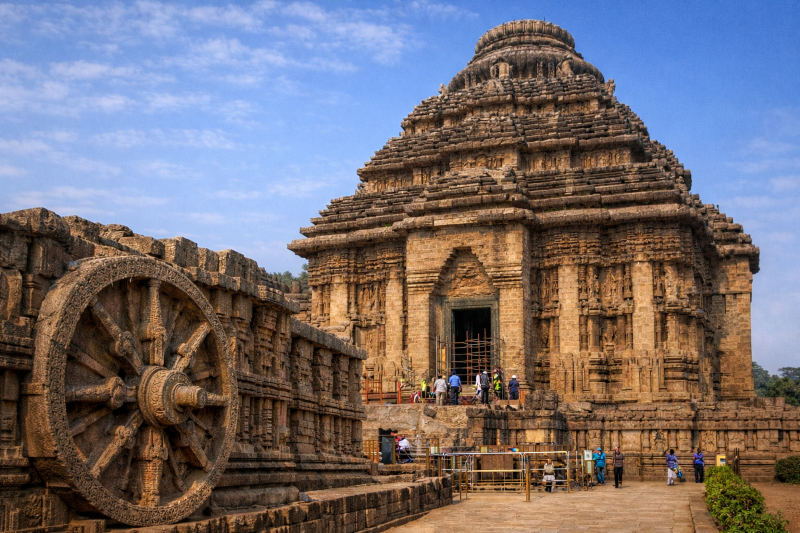
India is renowned for its cultural heritage, royal palaces, and historical monuments. Fatehpur Sikri is one of the most fascinating heritage sites in the country, which is situated near Agra in Uttar Pradesh. This was a beautiful city that was the capital of the Mughal empire under Emperor Akbar. It is now famous for its monumental design, its history and its Indian-Persian fusion. Fatehpur Sikri is also a UNESCO World Heritage Site due to its cultural and architectural significance. It continues to draw visitors from all over the world, including tourists, historians, photographers and students to this day. It is one of the best examples of Mughal architecture and urban planning in India.
The story of Fatehpur Sikri
Fatehpur Sikri was built in the 16th century by the Mughal Emperor Akbar. In one of the historical accounts, Akbar went to the village of Sikri to visit the renowned Sufi saint Sheikh Salim Chishti. The saint foretold Akbar would soon give birth to a son. On the fulfilment of the prediction Akbar had the great city of Sikri constructed to commemorate the saint. The city started to be built at around 1571 and for almost 15 years, Fatehpur Sikri served as the Mughal capital of the empire. The name “Fatehpur” means “City of Victory.” It is said that it was named after Akbar’s success in Gujarat. The city was planned with residences, gardens, mosques and palaces. Beautiful and well planned, the city was abandoned, however, due to water shortages and other practical considerations. The capital of the Mughals was transferred to Lahore and then to Agra. Although it served as the capital for only a brief period, this remains one of the best and most impressive achievements of the Mughal architecture and history.
Architecture of Fatehpur Sikri
One of the most appealing features of the architecture of Fatehpur Sikri is the construction of the enclosure. Red sandstone, which imparts a royal and elegant character to the city, was used primarily for its construction. The architecture of the buildings exhibits a blending of Persian, Islamic and Indian styles. One of the most famous structures in Fatehpur Sikri is the Buland Darwaza. One of the world’s tallest gateways was erected by Akbar to commemorate his victory in Gujarat. Buland Darwaza is about 54 metres tall and is famous for its majestic design and exquisite carvings. The other important monument is the Jama Masjid, which is one of India’s largest mosques. The mosque has a peaceful atmosphere and impressive architecture. The Tomb of Salim Chishti is also within the complex. It is a white marble tomb dedicated to the Sufi saint Sheikh Salim Chishti and is a sacred place for many visitors. Among other important buildings of Fatehpur Sikri are Panch Mahal, Diwan-i-Khas, Diwan-i-Aam, Jodha Bai’s Palace and Birbal’s House. The Mughal artists and architects have created unique carvings, pillars and designs in each of the structures, reflecting their creativity.
Panch Mahal and Royal Lifestyle
One of the most interesting of the buildings in Fatehpur Sikri is the Panch Mahal. It is a five-storeyed palace constructed of beautifully carved pillars. It is thought to have been used by royal women as a form of relaxation and for enjoying cool night air. The building gives an impression of a luxurious lifestyle of the Mughal royal family. The open design made for easy airflow and was comfortable in hot weather. Another popular place of interest is Jodha Bai’s Palace. It is believed that it was Akbar’s residence for his Rajput queen. The palace is a blend of Hindu and Mughal architecture, reflecting the cultural harmony of Akbar’s reign. The central pillar design of the Hall of Private Audience is another notable feature of the building that makes it very popular. This hall was used by Akbar to hold discussions with scholars, ministers and religious leaders.
Historical and cultural significance
Fatehpur Sikri isn’t only a concerning architectural marvel; it additionally holds an essential area of Indian history. It is a reflection of the vision and leadership of Emperor Akbar, who was known for his religious tolerance and cultural harmony. Akbar brought the concept of “Sulh-i-Kul” or “peace with all”. He invited scholars of various religions like Hinduism, Islam, Christianity and Jainism at Fatehpur Sikri for discussion. This allowed the city to be an important cultural and intellectual hub. The inspiration of unity is also evident in the architecture of Fatehpur Sikri. The city’s architecture includes halls with Hindu-inspired pillars, Persian domes and Islamic arches. Fatehpur Sikri is an ideal example for students of journalism and digital media to learn about the stories of power, culture and society and how they can be told through the medium of history and architecture. All the monuments in the city have their stories of Mughal life and values.
Tourism and Modern Relevance
Fatehpur Sikri is one of the most visited tourist places in Uttar Pradesh today. It is visited by tourists from all over the country and the world to see its magnificent palaces and historical monuments. Fatehpur Sikri is now more famous to young travellers due to its popularity on social media sites such as Instagram, YouTube, and travel blogs. The location is a popular spot for photographers and content creators, as it offers a glimpse into the kingdom’s history and its royal splendour. Tourism is also beneficial to the economy in the area, offering employment opportunities for guides, shop owners, hotel owners, and artisans. Visitors to the city will come to see handicrafts and souvenirs inspired by Mughal art.
In the Digital Age, what is important?
Heritage places such as Fatehpur Sikri are significant in today’s digital age for explaining Indian history and culture. These monuments are promoted among younger generation through blog, documentary, podcast, reels, and articles on the internet. Fatehpur Sikri is a source of inspiration for the media students in terms of storytelling, photography, content making and heritage journalism. The city reminds us that architecture is not only about buildings, as it also has to do with culture, politics and emotions. Additionally, heritage tourism promotes the appreciation and conservation of historical monuments for posterity. These sites can be further highlighted online by young content creators, which can help in preserving the Indian cultural heritage.
Conclusion
Fatehpur Sikri is indeed one of the best gems of the Mughal history of the Indian subcontinent. Even in the modern era, its majestic palaces, stunning mosques and magnificent gateways still impress visitors. The city is the embodiment of Emperor Akbar’s vision, creativity and cultural values of the Mughal Empire. Each corner of Fatehpur Sikri has its own tale of India’s glorious history from the majestic Buland Darwaja to the peaceful Tomb of Salim Chishti. It is our responsibility as students and future digital media professionals to show the respect and appreciation of the Indian heritage in our blogs, photographs, videos and social media. Fatehpur Sikri is a reminder that history is not only about old monuments but also knowledge of the culture and ideas which formed our country.
메타데이터
- post_id
- a7cb843ebe8d
- slug
- fatehpur-sikri-the-royal-city-of-the-mughal-empire-a7cb843ebe8d
- url
- https://medium.com/@saatwikscam/fatehpur-sikri-the-royal-city-of-the-mughal-empire-a7cb843ebe8d
- canonical_url
- https://medium.com/@saatwikscam/fatehpur-sikri-the-royal-city-of-the-mughal-empire-a7cb843ebe8d
- author_url
- https://medium.com/@saatwikscam
- status
- ok
- fetched_at
- 2026-08-05 09:36:12