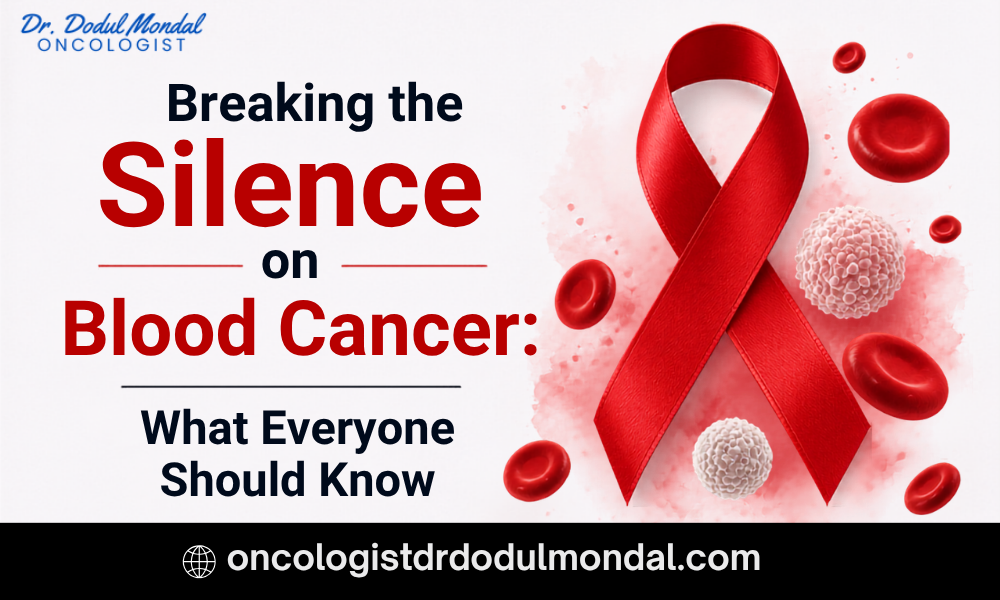
Breaking the Silence on Blood Cancer: What Everyone Should Know
Blood cancer is a complex disease that affects the blood, bone marrow, and lymphatic system, disrupting the body’s ability to produce…
Breaking the Silence on Blood Cancer: What Everyone Should Know
Blood cancer is a complex disease that affects the blood, bone marrow, and lymphatic system, disrupting the body’s ability to produce healthy blood cells. These cells are essential for carrying oxygen throughout the body, fighting infections, and supporting normal blood clotting. When abnormal cells begin to multiply uncontrollably, they interfere with these vital functions and can gradually weaken overall health. Unlike many other cancers, blood cancer often develops without obvious warning signs in its early stages, making awareness and education extremely important.
Many people associate blood cancer with severe symptoms, but the reality is that the disease can begin with subtle changes that are easy to overlook. Persistent tiredness, frequent infections, unexplained weight loss, excessive bruising, prolonged fever, and night sweats are some of the common warning signs. Because these symptoms may resemble everyday health issues, individuals often delay seeking medical attention. Unfortunately, this delay can lead to diagnosis at a more advanced stage, when treatment may become more complicated. Understanding these early indicators can play a crucial role in improving outcomes and ensuring timely medical intervention.
Individuals experiencing persistent symptoms should consider consulting the **Best Cancer Doctor in Delhi** for a comprehensive evaluation and expert guidance regarding diagnosis and treatment options.
Understanding the Different Types of Blood Cancer
Blood cancer is not a single disease but a category that includes several conditions affecting different blood cells and tissues. The most common types include:
Leukemia
Leukemia originates in the bone marrow and affects the production of white blood cells. These abnormal cells multiply rapidly and interfere with the body’s ability to fight infections.
Lymphoma
Lymphoma affects the lymphatic system, an important part of the immune system. It commonly develops in the lymph nodes and can spread to other organs if left untreated.
Multiple Myeloma
Multiple myeloma affects plasma cells, which are responsible for producing antibodies. The disease weakens the immune system and can damage bones and other organs.
Each type requires specialized diagnostic procedures and individualized treatment plans based on the patient’s condition and stage of disease.
Patients seeking advanced oncology care often rely on the expertise of the **Best Cancer Specialist in Delhi** to receive personalized treatment and long-term management support.
Risk Factors You Should Know
Although blood cancer can affect people of any age, certain factors may increase the likelihood of developing the disease. These include:
- Family history of blood cancer
- Exposure to radiation or harmful chemicals
- Previous chemotherapy treatments
- Certain genetic disorders
- Weakened immune system
- Smoking and unhealthy lifestyle habits
While having risk factors does not guarantee a diagnosis, understanding them can encourage proactive health monitoring and regular medical checkups.
Why Early Detection Matters
Early detection remains one of the most effective ways to improve treatment success and quality of life. Advances in medical technology have made it possible to identify blood cancer through specialized blood tests, imaging studies, bone marrow examinations, and genetic testing.
When diagnosed early, patients often have access to a broader range of treatment options and may experience better outcomes. Regular health screenings and prompt medical attention for unusual symptoms can make a significant difference in managing the disease effectively.
Modern Treatment Approaches
The treatment of blood cancer has evolved significantly in recent years. Depending on the type and stage of the disease, treatment options may include:
- Chemotherapy
- Immunotherapy
- Targeted therapy
- Radiation therapy
- Bone marrow transplant
- Precision medicine
These advanced treatment approaches aim to eliminate cancer cells while preserving healthy tissues and improving overall patient outcomes.
Living Beyond a Diagnosis
A blood cancer diagnosis can be life-changing, but ongoing medical advancements continue to offer hope to patients and their families. Along with treatment, maintaining a healthy lifestyle, staying physically active, following medical recommendations, and seeking emotional support can help improve overall well-being during the recovery journey.
Support from healthcare professionals, caregivers, and loved ones plays a vital role in helping patients navigate treatment and maintain a positive outlook.
Conclusion
Blood cancer is a serious condition that deserves greater awareness and understanding. By recognizing potential warning signs, learning about risk factors, and staying informed about available treatment options, individuals can take meaningful steps toward protecting their health. Continued advancements in cancer care are creating new opportunities for successful treatment and improved quality of life, making awareness and timely action more important than ever.
Frequently Asked Questions (FAQs) About Blood Cancer
1. What is blood cancer? Blood cancer is a type of cancer that affects the blood, bone marrow, or lymphatic system. It disrupts the production and function of healthy blood cells.
2. What are the most common types of blood cancer? The three main types of blood cancer are leukemia, lymphoma, and multiple myeloma. Each affects different blood cells and requires specialized treatment.
3. What are the early signs of blood cancer? Common early symptoms include persistent fatigue, frequent infections, unexplained weight loss, night sweats, fever, easy bruising, and swollen lymph nodes.
4. Can blood cancer develop without noticeable symptoms? Yes. In many cases, blood cancer develops gradually, and symptoms may be mild or mistaken for common health conditions during the early stages.
5. Who is at risk of developing blood cancer? Risk factors may include family history, exposure to certain chemicals or radiation, genetic conditions, a weakened immune system, and previous cancer treatments.
6. How is blood cancer diagnosed? Doctors may use blood tests, bone marrow biopsy, imaging scans, and genetic testing to diagnose blood cancer and determine its type and stage.
7. Is blood cancer treatable? Yes. Many forms of blood cancer can be effectively treated using chemotherapy, targeted therapy, immunotherapy, radiation therapy, or bone marrow transplantation.
8. Why is early detection important in blood cancer? Early detection can improve treatment effectiveness, increase survival rates, and provide access to more treatment options before the disease progresses.
9. Can blood cancer be prevented? There is no guaranteed way to prevent blood cancer. However, maintaining a healthy lifestyle, avoiding tobacco, and minimizing exposure to harmful chemicals may help reduce certain risks.
10. When should I consult a doctor for blood cancer symptoms? If you experience persistent fatigue, frequent infections, unexplained weight loss, unusual bleeding, or swollen lymph nodes that do not improve, it is important to seek medical evaluation promptly.
메타데이터
- post_id
- a7ea6f7e691a
- slug
- breaking-the-silence-on-blood-cancer-what-everyone-should-know-a7ea6f7e691a
- url
- https://medium.com/@bestradiationoncologistindelhi/breaking-the-silence-on-blood-cancer-what-everyone-should-know-a7ea6f7e691a
- canonical_url
- https://medium.com/@bestradiationoncologistindelhi/breaking-the-silence-on-blood-cancer-what-everyone-should-know-a7ea6f7e691a
- author_url
- https://medium.com/@bestradiationoncologistindelhi
- status
- ok
- fetched_at
- 2026-06-13 07:35:29