The Flame That Starved the Empire: A Tribute to Jatin Das
Sixty-three days of silence, a slow-burning defiance, and the painful death that rewrote Indian history.
The Flame That Starved the Empire: A Tribute to Jatin Das
Sixty-three days of silence, a slow-burning defiance, and the painful death that rewrote Indian history.
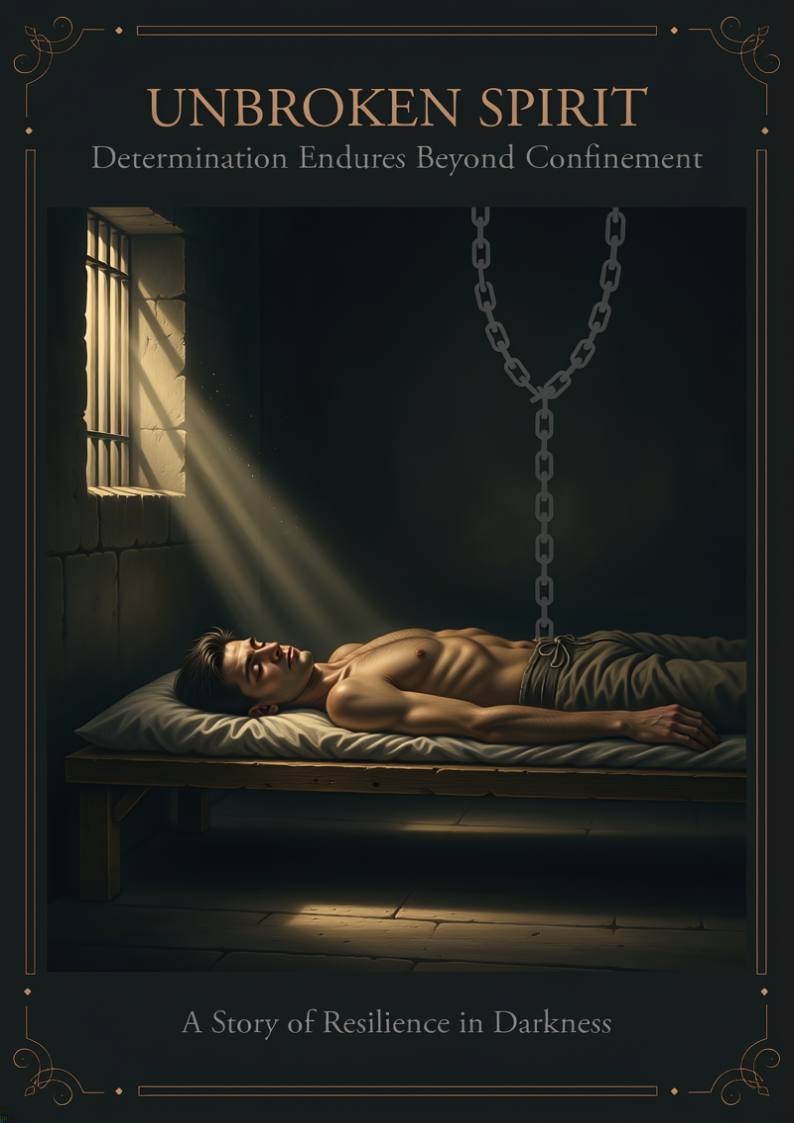
An artistic digital illustration of Jatin Das in a dark Lahore prison cell, thin from fasting but looking peaceful and undefeated as a ray of sunlight shines on his face
The Flame That Starved the Empire: A Tribute
He did not fall to a leaden bullet,
Nor did he swing from a hangman’s rope,
Yet in the silent, suffocating dark of Lahore,
He became the nation’s fiercest hope.
A lad of twenty-four, with quiet, burning eyes,
Who looked at chains and saw a sky to claim,
Jatindra Nath — a name whispered by the winds,
That put the mighty British Crown to shame.
They thought the prison walls would break his spine,
They thought the iron bars would tame the wild,
But they had never met a soul so pure,
Where Bengal’s fiery revolutionary spirit smiled.
He asked for dignity, for basic human grace,
For political prisoners to be treated as men,
But when the iron-fisted masters turned away,
Jatin laid down his spoon, and picked up his weapon then.
No swords, no bombs, no thunderous cries,
Just a quiet vow, a slow, deliberate fast,
“I will not eat their bread, nor touch their water,”
He whispered to the walls, a resolve made to last.
Day one, day ten, the hunger started to gnaw,
A beast clawing at his young, fragile frame,
Yet every time the guards brought milk to his lips,
He broke the pitchers, refusing to play their game.
Thirty days passed, the flesh began to melt,
His voice grew faint, his vision started to blur,
Yet in the hollows of his sunken, pale cheeks,
A silent storm of defiance began to stir.
They tried to force-feed him, to break his iron will,
But the milk slipped into his lungs instead,
He choked, he suffered, the agony was deep,
Yet he smiled at the angels waiting at his bed.
Fifty days. Sixty days. The empire held its breath,
Stunned by the strength of a dying boy’s chest,
A sovereign power with armies and guns,
Could not conquer a soul at absolute rest.
On the sixty-third day, the autumn air wept,
As Jatin took his final, painful, quiet breath,
He closed his eyes, victorious and free,
Defeating the tyrants through a glorious death.
But the story didn’t end when his heartbeat ceased,
For Jatin in death became a roaring, wild flood!
From Lahore to Calcutta, a nation woke up,
Stirred by the silence of his sacrifice and blood.
Two million marched through the weeping streets,
To catch a glimpse of the martyr’s pale face,
The records of the empire were rewritten that day,
As Jatin’s quiet sacrifice quickened freedom’s pace.
He taught us that power doesn’t lie in the fist,
Nor in the wealth of a stolen, royal throne,
But in the unyielding, passionate mind of a man,
Who dares to stand, to suffer, and to die — alone.
💬 A Note to the Readers:
Biplobi Jatin Das’s sacrifice remains one of the most intense and painful chapters of our freedom struggle, proving that sometimes, the quietest protests make the loudest noise in history.
— — — — — — — — — — — — — — — — —
메타데이터
- post_id
- a7f8a5e85e31
- slug
- biplobi-jatin-das-63-days-hunger-strike-poem-a7f8a5e85e31
- url
- https://medium.com/voice-of-words/biplobi-jatin-das-63-days-hunger-strike-poem-a7f8a5e85e31
- canonical_url
- https://medium.com/voice-of-words/biplobi-jatin-das-63-days-hunger-strike-poem-a7f8a5e85e31
- author_url
- https://medium.com/@kousiknavy80
- status
- ok
- fetched_at
- 2026-06-12 18:14:10