The 3-Abaya Wardrobe: A Minimalist’s Buying Guide
Most abaya hauls end the same way. A few months of excited shopping, a closet stuffed with near-identical black pieces, and a Tuesday…
The 3-Abaya Wardrobe: A Minimalist’s Buying Guide
Most abaya hauls end the same way. A few months of excited shopping, a closet stuffed with near-identical black pieces, and a Tuesday morning where none of them feel right. That’s not a shopping problem. It’s a planning one.
A minimalist approach to abayas doesn’t mean owning one. It means owning the right few, each pulling double or triple duty, so you’re never standing in front of a packed rail with nothing to wear. Here’s how to actually get there.
Start With What Your Week Looks Like, Not What’s Trending
Before you buy anything, map your actual days. Most women cycle through three contexts: everyday wear (errands, work, school runs), prayer or mosque visits, and occasions (weddings, Eid, family events). Trying to buy “an abaya” without sorting which bucket it fills is how closets end up cluttered with pieces that overlap badly and gaps that never close.
A genuinely minimalist wardrobe has one strong piece per bucket, plus maybe a backup for the bucket you use most. That’s it. Three to five abayas, not fifteen.
The Everyday Piece Should Disappear Into Your Routine
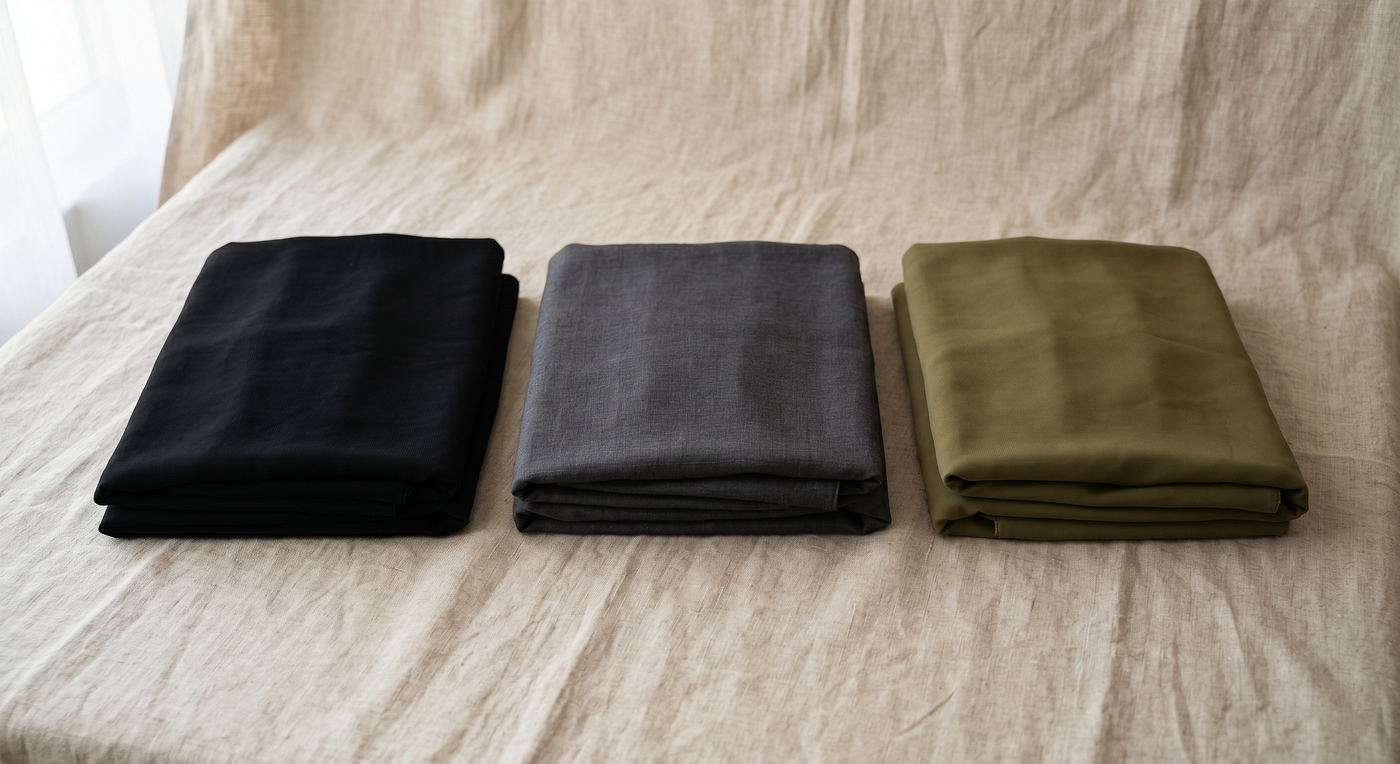
Your daily abaya needs to survive heat, movement, and washing machines without complaint. Look for breathable fabric, a relaxed but not overly wide cut, and minimal embellishment, since beading and heavy embroidery wear out fastest under daily friction. Plain or subtly textured black, charcoal, or olive tones work hardest here because they pair with anything and hide everyday wear.
This is the piece you’ll reach for without thinking, so resist the urge to make it a statement. Save that energy for occasion wear.
The Occasion Piece Is Where You Spend the Budget
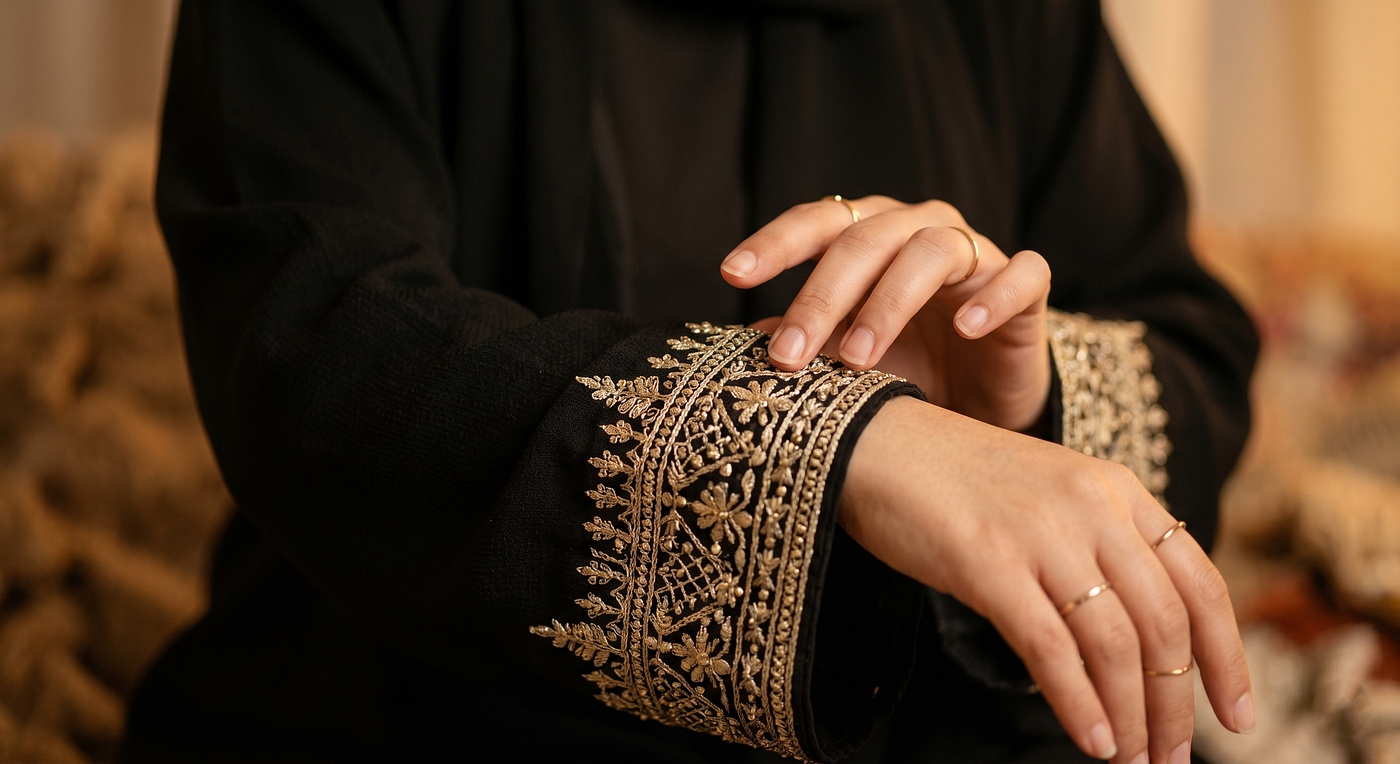
This is the one exception to buying plain. A single occasion abaya, something with detailing like scalloped hems, embroidery, or a richer fabric, earns its keep precisely because you only wear it a handful of times a year. Since it’s not in daily rotation, it can be more delicate and more expressive.
[ORIGINAL DATA]: Looking through current abaya assortments, you’ll notice most occasion-ready pieces sit in the upper price tier of a collection. That’s not a coincidence. Brands price detail-heavy abayas higher because they cost more to produce and get worn less, so per-wear cost evens out fast if you actually wear it for every occasion rather than buying a new one each time.
Color Discipline Is the Real Minimalist Trick
Here’s the part most buying guides skip: minimalism isn’t really about owning fewer abayas. It’s about owning abayas that don’t fight each other. If every piece in your small collection sits in compatible tones, black, charcoal, deep plum, soft olive, you can mix hijabs, layer the same shrug over different bases, and stretch three abayas into what feels like a much bigger wardrobe.
Buy one bright or patterned piece and you’ve effectively locked it to one or two hijab pairings forever. That’s the opposite of minimalist; it’s just fewer items doing less work.
What to Actually Check Before You Buy
A few practical filters save you from regret purchases:
Fabric weight matters more than the photos suggest. Nida and crepe drape differently, and what looks elegant in a product photo can read stiff or cling in humidity. If you can, check the fabric name in the listing and look up how it behaves before committing.
Sleeve width is a hidden trade-off. Wide sleeves look graceful but catch on doorknobs, car doors, and kitchen counters. If your days involve a lot of hands-on movement, a slightly narrower sleeve will save you daily annoyance.
Return policy is non-negotiable for online abaya shopping, since fit and drape are nearly impossible to judge from a screen. Ainaura’s abaya collection is a useful reference point here: it spans plain everyday cuts through to scalloped and hand-embellished occasion pieces, with a 7-day return window, which is exactly the kind of safety net you want while building a small, considered wardrobe rather than guessing your way through one.
Build Once, Wear Often
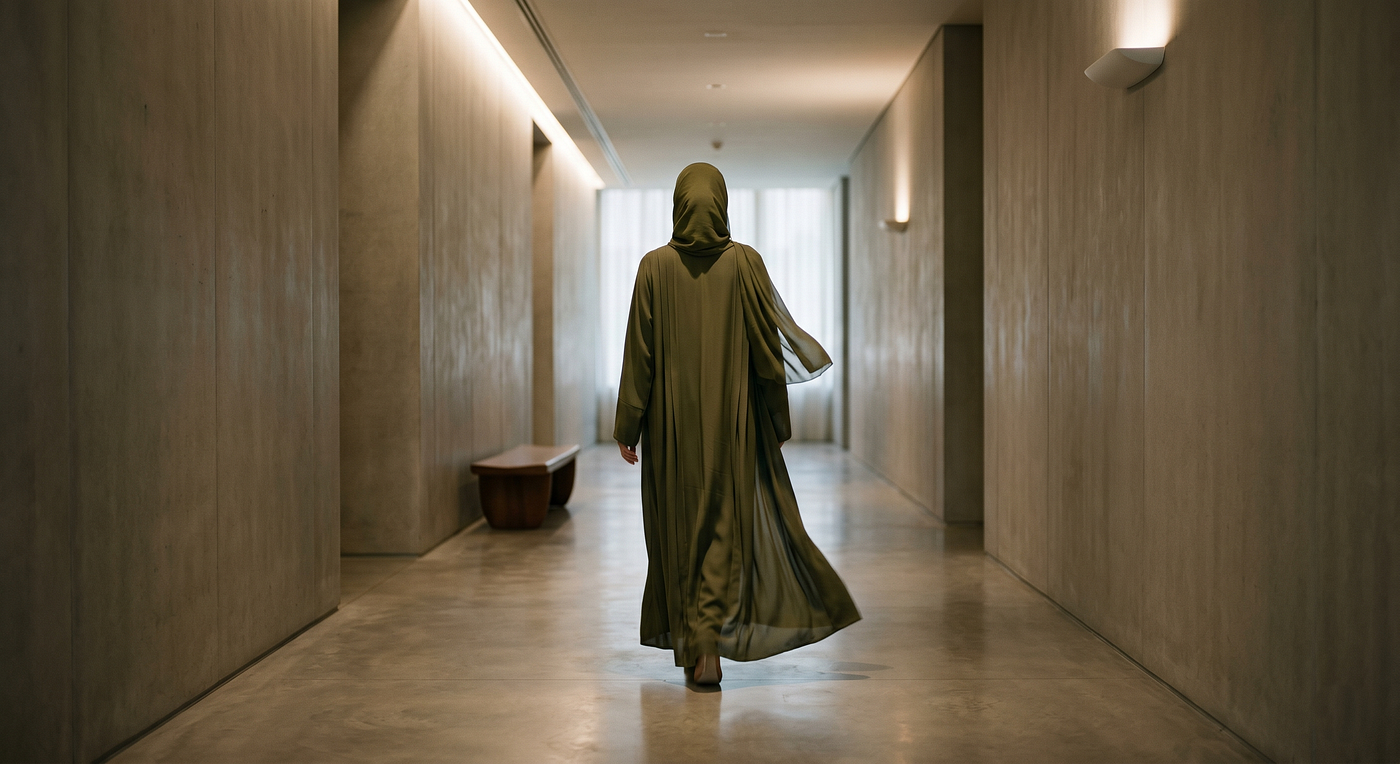
The minimalist abaya wardrobe isn’t a restriction. It’s a way to stop the cycle of buying, regretting, and rebuying. Three well-chosen pieces, one for daily wear, one for prayer, one for occasions, in colors that talk to each other, will outperform a dozen impulse buys every single time.
The next time you’re tempted by a new print because it’s pretty, ask the only question that matters: does this replace something in my current three, or does it just add to the pile? If it’s the second answer, it’s not a minimalist buy. It’s just more stuff.
메타데이터
- post_id
- a8096fed4b83
- slug
- the-3-abaya-wardrobe-a-minimalists-buying-guide-a8096fed4b83
- url
- https://medium.com/@gazni1/the-3-abaya-wardrobe-a-minimalists-buying-guide-a8096fed4b83
- canonical_url
- https://medium.com/@gazni1/the-3-abaya-wardrobe-a-minimalists-buying-guide-a8096fed4b83
- author_url
- https://medium.com/@gazni1
- status
- ok
- fetched_at
- 2026-06-25 16:53:31